

Are you tired of struggling with finicky houseplants that can’t seem to survive in the dim corners of your home? Fear not, my fellow indoor gardeners! I’m here to introduce you to the top 8 low-light indoor plants that will thrive in even the shadiest of spaces.
Bringing the beauty of nature into our homes is a rewarding experience, but it can be challenging. Many “low light” plants don’t actually tolerate low light conditions, leading to disappointment and plant failure.
Some remarkable varieties survive and thrive in minimal lighting. These gems will transform your space and bring a touch of lush greenery to even the darkest nooks.
Key Takeaways
- Discover the best low-light indoor plants to brighten your home
- Learn about the importance of live plants and the challenges of keeping them alive
- Understand the difference between plants that tolerate low light and those that thrive in it
- Explore a variety of low-light plant options, from easy-care to unique varieties
- Get tips on caring for low-light plants, including soil, watering, and lighting needs
Introduction to Low Light Indoor Houseplants
Bringing nature inside can be challenging, especially in places with little natural light. But many low-light indoor plants can do well and brighten up any dark spot in your home or office.
These plants make your space look beautiful and have many benefits. They clean the air, help you feel better, and improve your focus.
Importance of Live Plants in the Home
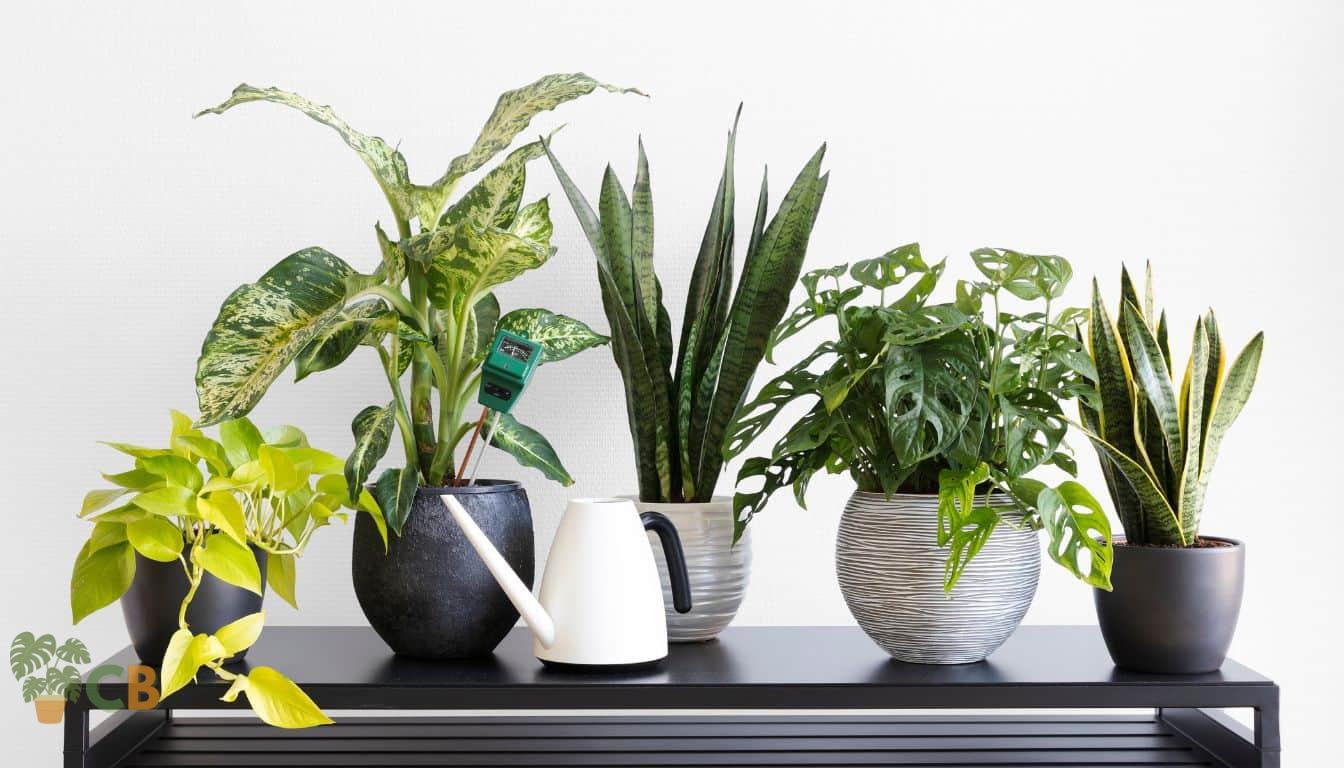
Adding live plants inside is more than just making your space look good. Studies show that having plants can greatly improve our health and mood. Low-light indoor plants can:
- Improve air quality by taking in harmful toxins and giving out oxygen
- Help you focus and work better by cutting down stress and tiredness
- Make you feel happier and better by being calming
- Add a bit of nature to even the most city-like places
Challenges of Keeping Indoor Plants Alive
Even though indoor plants have many benefits, keeping them alive in low light can be hard. Many plants labeled ” low-light ” need more light than they can handle in some places. Picking the right plants to do well is crucial for a lush, healthy indoor garden.
By knowing what low-light indoor plants need and choosing the right ones for your space, you can enjoy the beauty and benefits of nature indoors. This is true even in the darkest corners of your home or office.
Understanding Low Light Conditions
When it comes to indoor plants, knowing the difference between plants that just get by in low light and those that do well is key.
Some plants can live in dim spaces but won’t grow or stay healthy. But, certain plants are made for low-light indoor spaces. They grow and look great with little work.
Experts say only a few plants are perfect for low-light indoor spots. The great choices are Dracaena, Zamioculcas (ZZ Plant), Aspidistra, and Philodendron.
They can adapt and even do well in places with little sunlight, making them perfect for offices, rooms facing north, and other dim spots at home.
Tolerating Versus Thriving in Low Light
Some plants get by in low light but look unhappy and need more care. On the other hand, plants that love low light will grow and stay healthy with simple care. Picking the right low-light plants is key to a beautiful, easy indoor garden.
“There is a significant difference between what plants can tolerate and where they will thrive. Choosing the right low-light indoor plants is crucial for a successful and thriving indoor garden.” – Tracey Langell, Horticulturist and Sustainable Gardening Specialist.
People have found it hard to keep plants like ficus, money, and rubber trees in low light. But a Dracaena in a living room with little sunlight is doing great. It gets watered only when the soil is dry and gets indirect sunlight from a window.
Adjusting watering, maintaining humidity, and controlling the temperature is important for low-light plants. Knowing what these plants need gives you a beautiful, accessible indoor garden, even in dark spots.
The Best Indoor Plants For Low Light
Are you looking for indoor plants that do well in low light? Some top picks include snake plants, pothos, Chinese evergreen, bird’s nest fern, philodendron, parlor palm, ZZ plant, and dracaena. These plants are great for dimly lit spots.
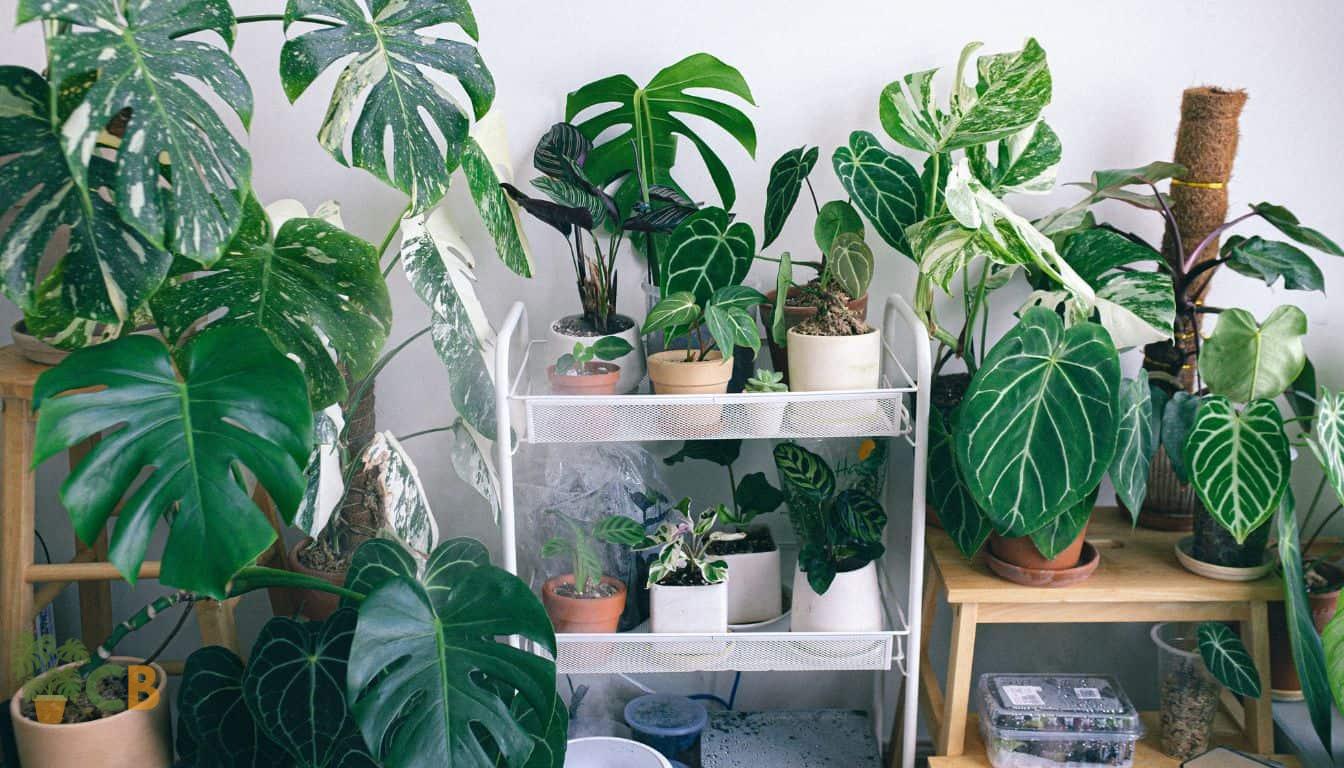
These houseplants are perfect for rooms with little sunlight. They can brighten up a north-facing room or a shady corner. They’re easy to care for and can make any space look lively.


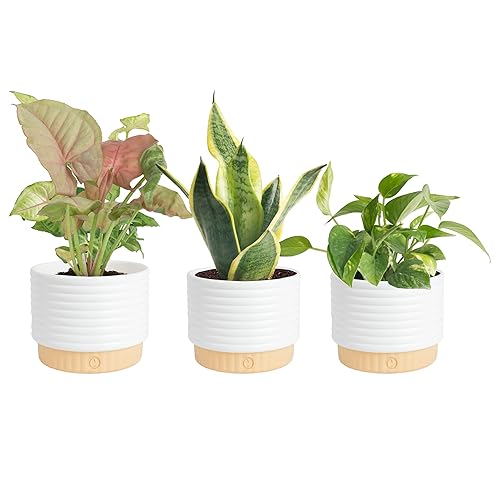


Let’s take a closer look at some of these low-light indoor plants:
- Snake Plant (Dracaena trifasciata) – Known for its upright, sword-like leaves and ability to thrive in low-light conditions.
- Pothos (Devil’s Ivy) – A trailing vine with heart-shaped, variegated leaves that tolerate low light levels.
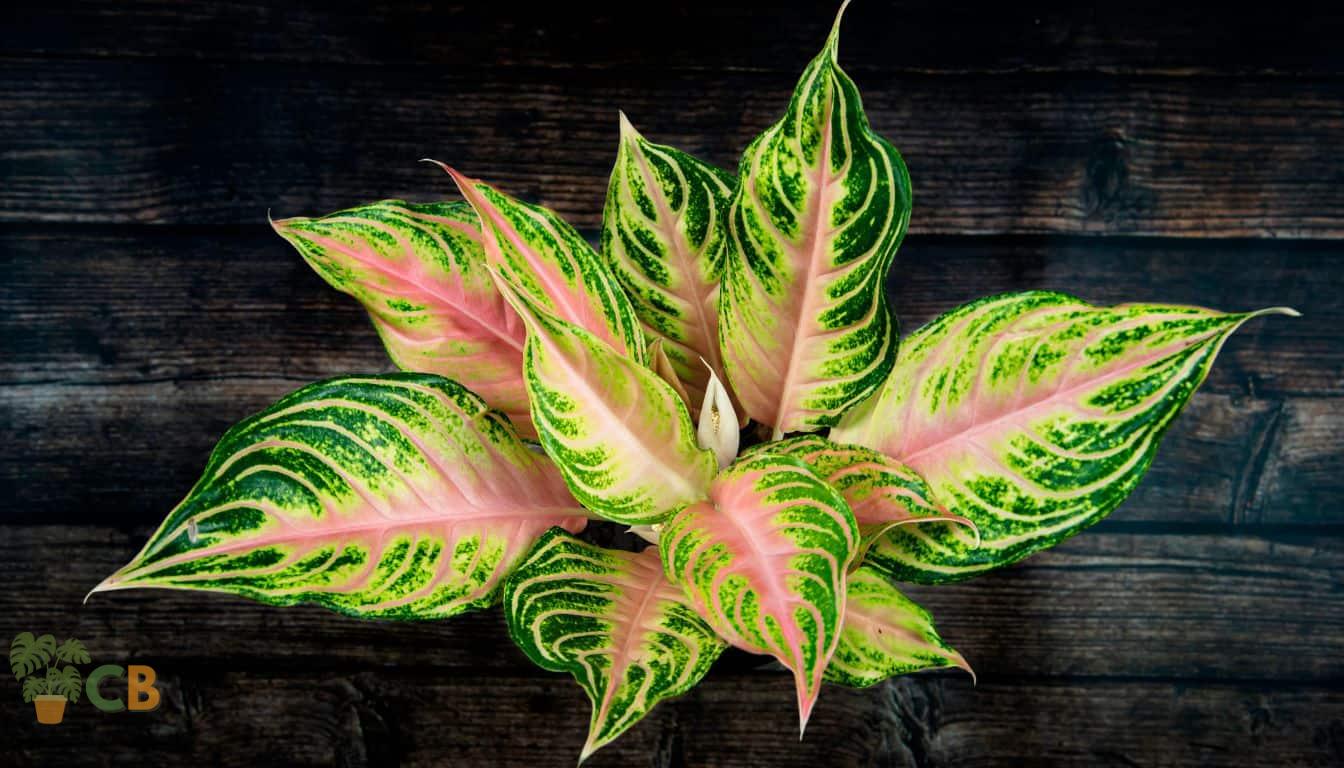
- Chinese Evergreen (Aglaonema) – Featuring attractive, patterned foliage that adds a pop of color to shady spaces.
- Bird’s Nest Fern (Asplenium nidus) – An epiphytic fern with unique, wavy fronds that love humidity and low light.
- Philodendron – A diverse genus with various vining and upright varieties that adapt well to low-light interiors.
- Parlor Palm (Chamaedorea elegans) – A compact, feathery palm that can flourish in dimly lit rooms.
- ZZ Plant (Zamioculcas zamiifolia) – An incredibly resilient plant with thick, waxy leaves that thrive in low-light conditions.
- Dracaena – A versatile genus with tall, architectural foliage that tolerates a range of light levels.
Adding these low-light indoor plants to your home or office can bring in the beauty of nature and make even the darkest spaces feel more welcoming.
“The key to growing indoor plants in low light is to choose varieties that are naturally adapted to shady conditions.” – CL
| Plant | Light Needs | Typical Size | Ease of Care |
|---|---|---|---|
| Snake Plant | Partial to full shade | 6 inches to 12 feet tall | Easy |
| Pothos | Partial shade | 20 to 40 feet long, 3 to 6 feet wide | Easy |
| Chinese Evergreen | Partial to full shade | 1 to 3 feet tall and wide | Moderate |
| Bird’s Nest Fern | Partial shade | 2 to 3 feet tall and wide | Moderate |
| Philodendron | Partial shade | 10 to 20 feet tall, 3 to 6 feet wide | Easy |
Snake Plant (Dracaena trifasciata)
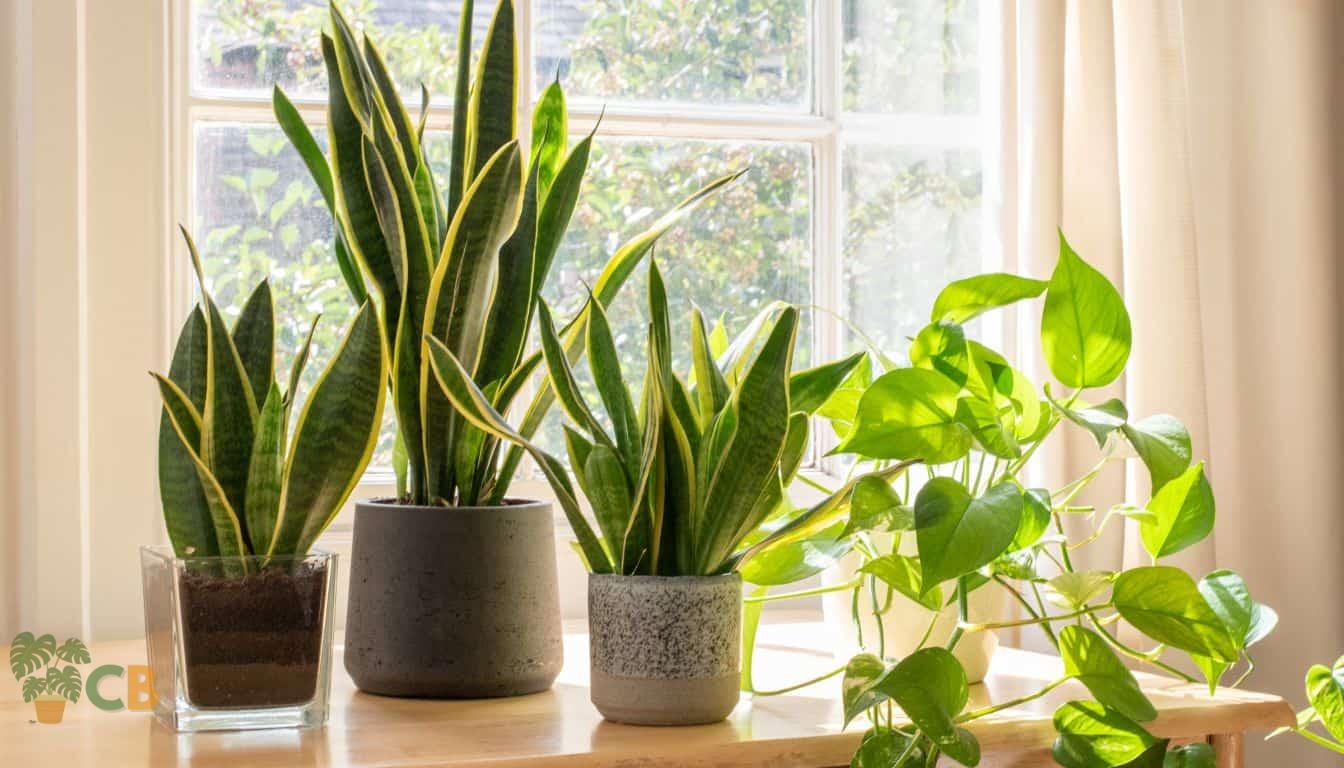
If you’re looking for a low-light indoor plant, the Snake Plant is perfect. It has upright, sword-like leaves reaching up to 8 feet tall. These leaves have deep green, yellow, or gold stripes, making any space more enjoyable.
Varieties and Care Tips
Snake Plants come in many beautiful types, like the ‘Laurentii’ with yellow edges. They like partial shade and well-draining soil, which makes them great for dimly lit rooms or offices.
These plants are easy to care for because they can handle neglect and don’t need much water. Water them when the soil feels dry every 2-3 weeks. Don’t overwater, as it can cause root rot.
Snake Plants also like temperatures between 60-85°F and can handle different humidity levels.
Snake Plants are one of the best houseplants for low light, tolerating neglect and infrequent watering with ease.” – CL
Snake Plants are great for adding greenery to dark spaces. They’re easy to care for and can make any indoor area look lush and vibrant, even in low light.
Pothos (Devil’s Ivy)
Looking for a lush, trailing plant for low-light spots? The pothos, or devil’s ivy, is perfect. It’s a top pick for homes and offices because it loves low light.

Pothos comes in many colors, like green, yellow-green ‘Brasil,’ and purple ‘Micans.’ It’s easy to care for and grows fast. It can handle the low light often found indoors.
Caring for Pothos in Low Light
Pothos is great for low-light spots because it adapts well. Here are tips to keep your pothos happy:
- Watering: Pothos is easygoing with water. Let the soil dry out before watering again, and don’t overwater.
- Lighting: Pothos prefers bright, indirect light but can handle low light. To prevent damage, keep it away from direct sunlight.
- Pruning: Trim your pothos regularly to keep it looking neat and encourage new growth. Cut off any yellow or damaged leaves.
With its trailing vines and beautiful leaves, Pothos is great for low-light spots. It’s perfect for brightening up a shady corner or adding greenery to your office. This resilient plant will make any space better.
Chinese Evergreen (Aglaonema)
The Chinese Evergreen is excellent if you’re looking for a low-maintenance indoor plant. It does well in low light, making it perfect for any room. Its leaves come in vibrant colors, from deep green to eye-catching patterns.
Varieties and Care Tips
There are many types of Chinese Evergreen, each with its own look. You can find everything from the ‘Silver Queen’ with its silvery-gray leaves to the ‘Red Siam’ with its bold red tint. These plants are easy to care for and handle low light or bright spots.
Looking after a Chinese Evergreen is easy. Water it when the soil feels dry and feed it during the growing season. With proper care, these plants will flourish, clean the air, and make your space lush.
Chinese Evergreens are a game-changer for anyone looking to add low-light indoor plants to their home or office. Their vibrant foliage and air-purifying abilities make them a must-have for best houseplants for low light.” – Tracey Langell, Horticulturist and Sustainable Gardening Specialist.
Whether you’re new to plants or have been growing them for years, the Chinese Evergreen is a great choice. It’s easy to care for and thrives in low light. Its versatility and ability to adapt to lighting conditions make it a favorite among indoor plant lovers.
Bird’s Nest Fern (Asplenium nidus)
Looking for a low-light indoor plant that brings tropical elegance to your home? The bird’s nest fern (Asplenium nidus) is a great pick. It grows on tree trunks and branches in tropical forests, showing it loves shady spots.
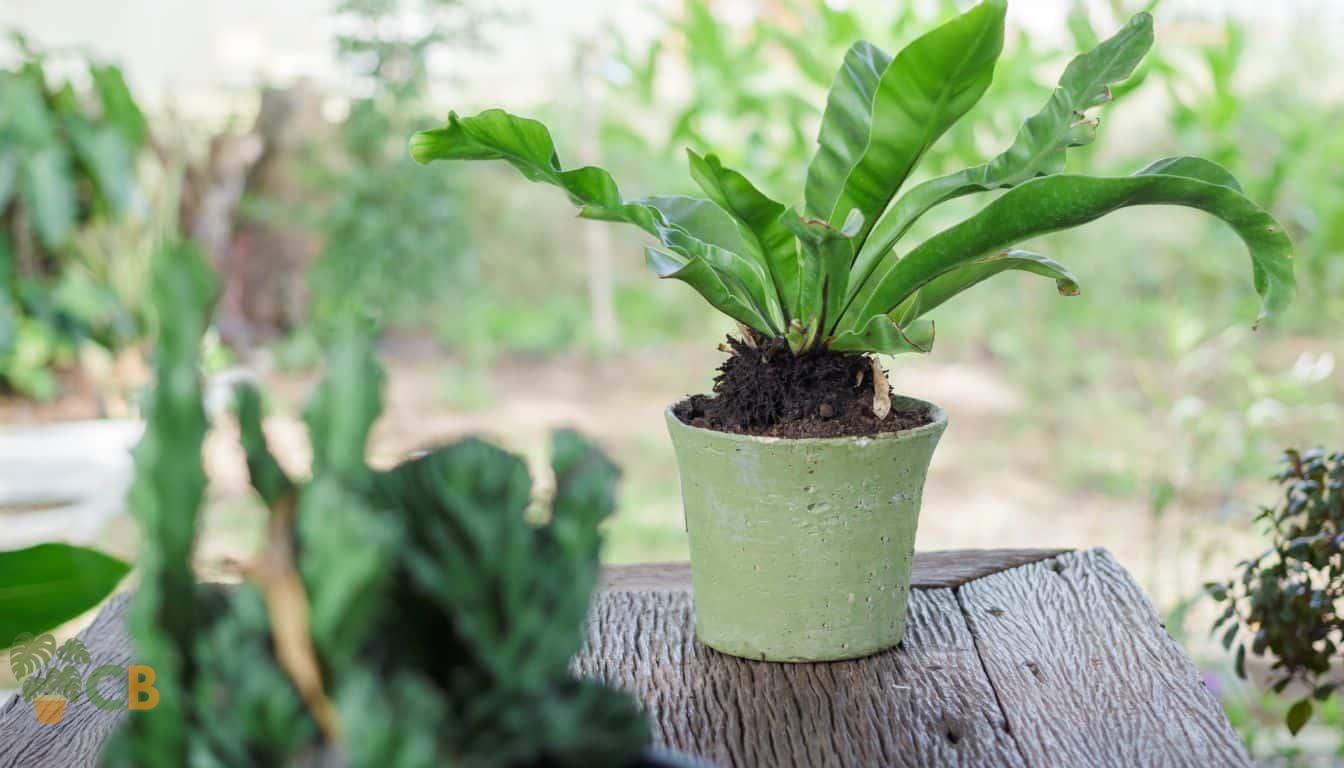
This fern needs more humidity to do well. It likes medium to bright indirect light or partial shade. Indoors, it stays smaller than those in the wild. Outdoors, it can grow 3–5 feet tall and 2–3 feet wide. Indoors, it reaches about 2 feet tall and wide.
Humidity Needs and Care
The right humidity is key to a healthy bird’s nest fern. They do best in temperatures between 60°F and 80°F and high humidity. Bathrooms or humid areas are perfect for them. Use a humidifier, misting or a pebble tray to keep humidity up.
Bird’s nest ferns are easy to care for under the right conditions. They grow slowly and have bright green, wavy fronds. These ferns add beauty to dimly lit areas with proper care.
“The bird’s nest fern is a true statement piece, showcasing its dramatic, ruffled fronds that thrive in low-light conditions.” – Tracey Langell, Horticulturist and Sustainable Gardening Specialist.
Philodendron
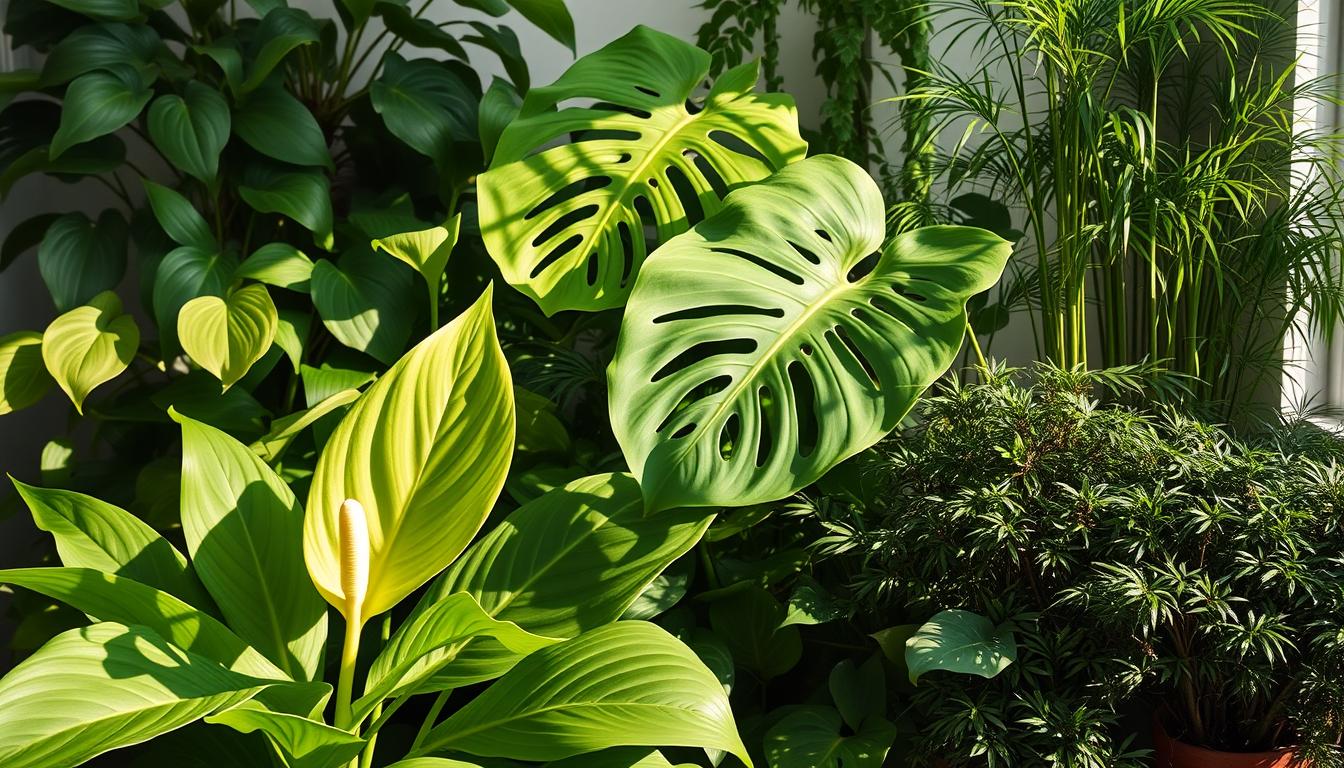
Philodendrons are great for low-light indoor spaces. They come in many beautiful types, each with its unique look. For example, the ‘Brasil’ philodendron has golden and green leaves. The ‘Micans’ variety has satin-like leaves that are a lovely purple color.
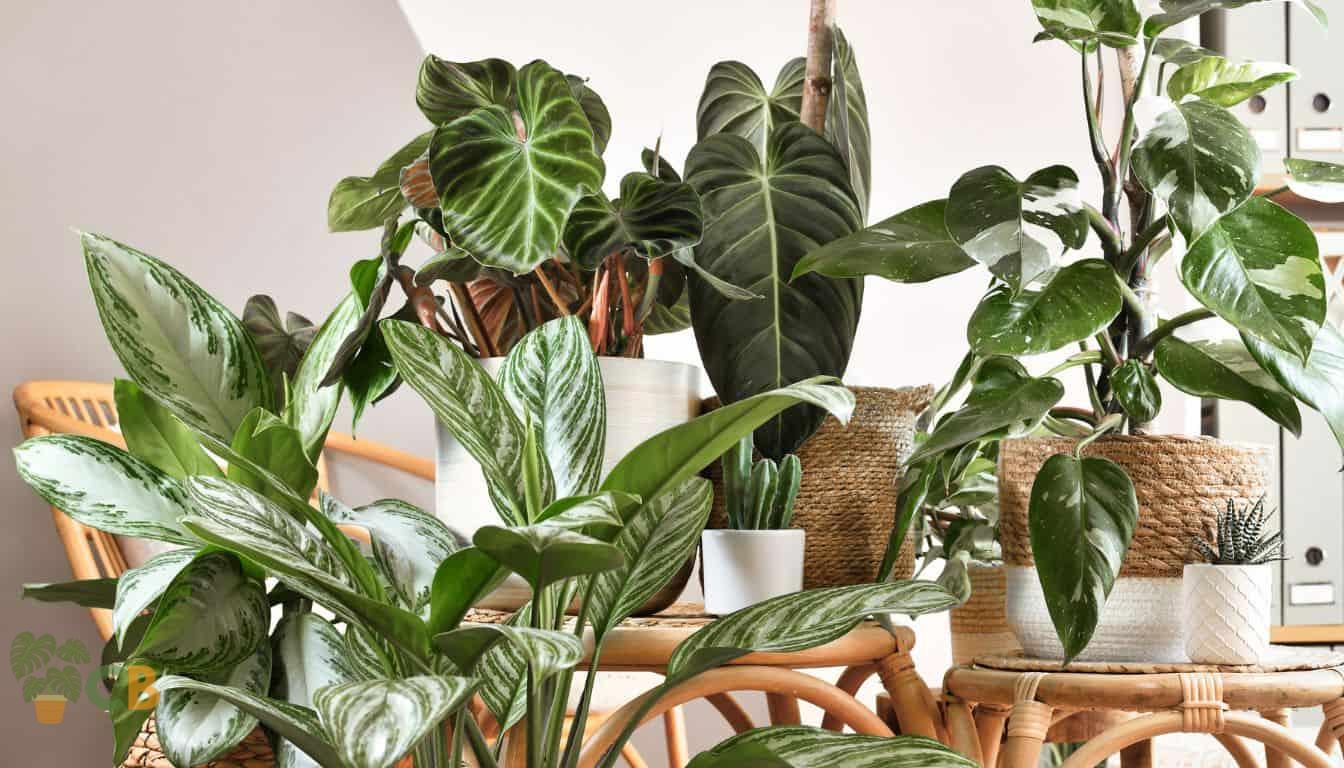
These plants love to grow in low light. They can climb up trellises or hang from baskets. They will do well in dim rooms with just a little care, like watering when the soil is dry.
Philodendron Varieties and Care Tips
- Heart Leaf Philodendron (Philodendron scandens) is perfect for low-light bathrooms, and this shows how well it does in such places.
- Split Leaf Philodendron (Philodendron selloum) – A big, leafy plant that does well in lower light but might get too long if not near a light source.
- Philodendron Rojo Congo – Surprisingly good in low light, its dark leaves add a unique look.
Philodendrons are great for brightening up a dark corner or shaded bathroom. They’re easy to care for and make any low-light spot look beautiful.
Parlor Palm (Chamaedorea elegans)
The parlor palm (Chamaedorea elegans) is a stunning low-light indoor plant that brings elegance to any room. Its feathery, bright green fronds can grow up to 4 feet tall, making it a bold statement piece that does well in partial shade or bright, filtered light.

This palm is great for low-light spots. It can live in places with little natural light. It also needs less water, only a drink when the soil feels dry. In dry indoor areas, a little misting in winter helps keep it happy.
Feathery Foliage and Watering Needs of Palor Palms
The parlor palm’s feathery fronds look good and clean the air. This plant removes harmful toxins, making it great for indoor spaces. To keep it healthy, watch how much you water it. Too much water can cause root rot, so let the soil dry out between waterings.
The parlor palm is perfect for those wanting a low-care indoor plant. It looks elegant and can live in low light, making it one of the best houseplants for dimly lit areas.
ZZ Plant (Zamioculcas zamiifolia)
The ZZ plant (Zamioculcas zamiifolia) is a tough indoor plant that can handle low light and neglect. It’s from Africa and has upright stems with shiny, dark green leaves. Perfect for those who forget to water their plants, it only needs water when the top inch of soil is dry.
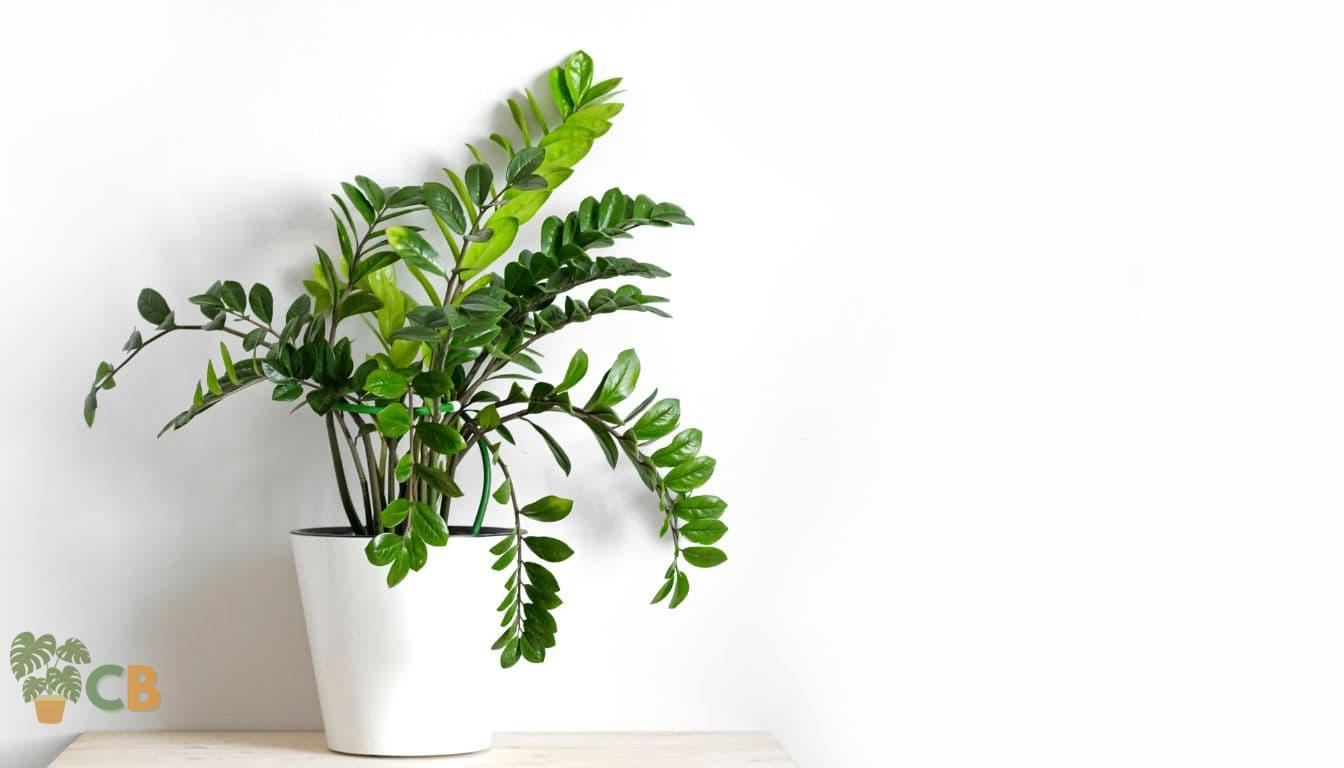
It can even live in spaces with fluorescent lighting, which makes it great for offices or dimly lit areas.
Varieties of ZZ Plant and Care Tips
ZZ plants are also known as Zanzibar gem, Zuzu plant, Aroid palm, Eternity plant, and Emerald palm. They come in sizes from small pots to large floor plants. Most indoor ZZ plants grow 12 to 24 inches tall, but some can get up to 5 feet.
These plants grow slowly, especially in low light, with most growth in spring and summer. In good condition, they can produce up to eight new stems. They grow about 6 to 12 inches per month and 1 inch wide yearly, rarely getting more than two feet wide.
ZZ plants do best in medium to bright indirect light and can handle fluorescent lighting. They need watering every two to three weeks and like soil that drains well to avoid root rot.
Feed them once a month during the growing season with a diluted balanced liquid fertilizer. These plants are usually pest and disease-free, but they can have problems if the conditions are poor for a long time.
The ZZ plant can survive in very low light or even rooms with no natural light. Its shiny leaves reflect light, making the room brighter. Busy people and those with dimly lit spaces love these plants. They’re a great choice for any home or office.
Dracaena
The Dracaena genus includes many low-light indoor plants perfect for homes and offices. They come in various shapes and sizes to fit different light needs.
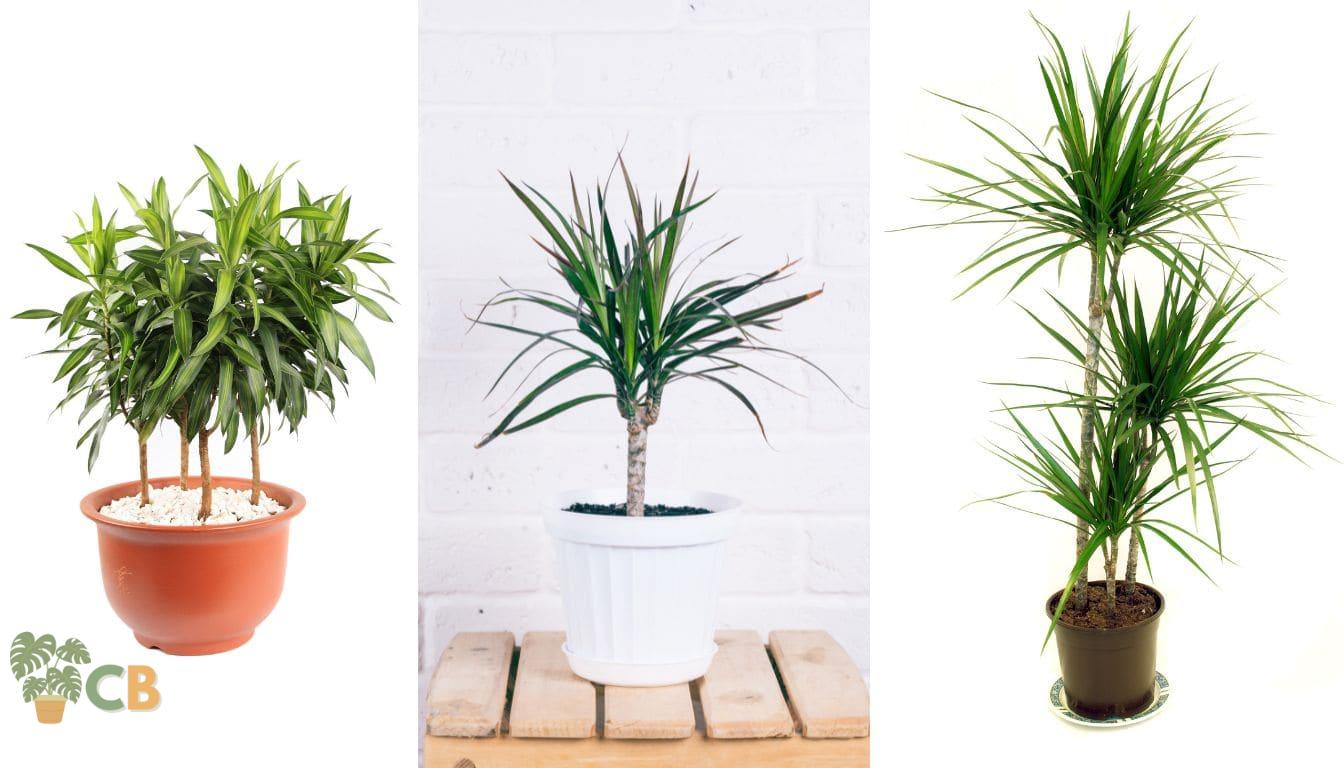
Some Dracaena species, like the Dracaena marginata, can grow up to 20 feet tall. Yet, many are great for smaller spaces and low light.
Adapting to Dim Environments with Dracaena Plants
Dracaena plants are great at living in low-light spots. They prefer bright, indirect light but can do well in dimmer places, though they might grow slower.
The Dracaena fragrans ‘Massangeana‘ or corn plant is especially good at surviving in low-light areas. It’s a favorite for offices and bedrooms.
Check the type of light needed when picking a Dracaena for a shady spot. Some, like the Dracaena sanderiana (lucky bamboo), can grow in water or soil and only need a little light, while others need more light to do well.
Caring for Dracaena in Low Light
- Provide well-draining, moist soil and regular fertilization during the growing season.
- Check the soil moisture and water when the top inch or two feels dry.
- Avoid direct sunlight, which can burn the leaves, and choose bright, indirect light instead.
- Keep the temperature and humidity at average household levels.
With proper care and patience, Dracaenas can thrive in low-light spots and make a great addition to any indoor plant collection.
Frequently Asked Questions About Low-Light Indoor Houseplants
Q: What are some of the best low-light houseplants for indoor conditions?
A: Some of the best low-light houseplants include the spider plant, wax plant, snake plant, pothos, ZZ plant, Chinese evergreen, and peace lilies. These indoor plants thrive in low-light settings and are easy to grow, making them popular houseplants for homes and offices.
Q: How much light do spider plants need?
A: Spider plants are versatile and can adapt to various light conditions. These plants prefer bright, indirect light but can tolerate low-light settings. While they don’t need much sun, providing them with light will help maintain their vibrant green leaves and encourage growth. Please don’t put them in direct sun, as too much light can burn their leaves.
Q: Can wax plants survive in low-light conditions?
A: Yes, wax plants (Hoya) are excellent low-light houseplants. They can thrive in indoor conditions with minimal light, making them perfect for areas away from windows. However, they need light to bloom, so consider placing them near an east or west-facing window for optimal growth.
Q: Are any low-light plants safe for cats and dogs?
A: Yes, several low-light houseplants are safe for pets. Spider plants, wax plants, and some varieties of peperomia are non-toxic to cats and dogs. However, it’s always best to keep plants away from pets and consult a veterinarian if you have concerns about specific plants in your home.
Q: How often should I water my low-light houseplants?
A: Watering frequency depends on the specific plant and its environment. Generally, low-light plants require less water than those in brighter conditions. For most low-light houseplants, allowing the soil to dry out slightly between waterings is best. Overwatering is common, so always check the soil moisture before watering.
Q: Can I use grow lights for my indoor plants that need more light?
A: Yes, grow lights are an excellent solution for indoor plants that need more light than your space naturally provides. They can supplement or replace natural light, especially in low-light settings. Grow lights can help maintain plant health, encourage growth, and promote blooming in some species.
Q: What are the best plants for a low-light office environment?
A: For a low-light office environment, consider plants like the ZZ plant, snake plant, pothos, and Chinese evergreen. These plants are known for their ability to thrive in low-light conditions and can tolerate artificial light. They’re also relatively low-maintenance, making them ideal for busy office settings.
Q: How can I tell if my low-light plants get enough light?
A: Signs that your low-light plants are not getting enough light include slow growth, elongated or “leggy” stems, smaller leaves, and loss of variegation in variegated plants. If you notice these symptoms, try moving your plants to a slightly brighter location or consider using grow lights to supplement their light requirements.
Q: Can any low-light plants be grown in a hanging basket?
A: Yes, several low-light plants are perfect for hanging baskets. Spider plants, pothos, and some varieties of philodendron are excellent choices. These plants have beautiful trailing vines cascading from a hanging planter, and can thrive in low-light indoor conditions.
Q: How do I care for peace lilies in low-light conditions?
A: Peace lilies are popular houseplants that adapt well to low-light settings. To care for them, place them in a spot with indirect light, water when the top inch of soil feels dry, and mist occasionally to increase humidity. While they can tolerate low light, peace lilies may bloom more readily if given slightly brighter light. They’re also known for their air-purifying qualities, making them excellent additions to any home or office.
Final Thoughts On the Best Low-Light Indoor Plants
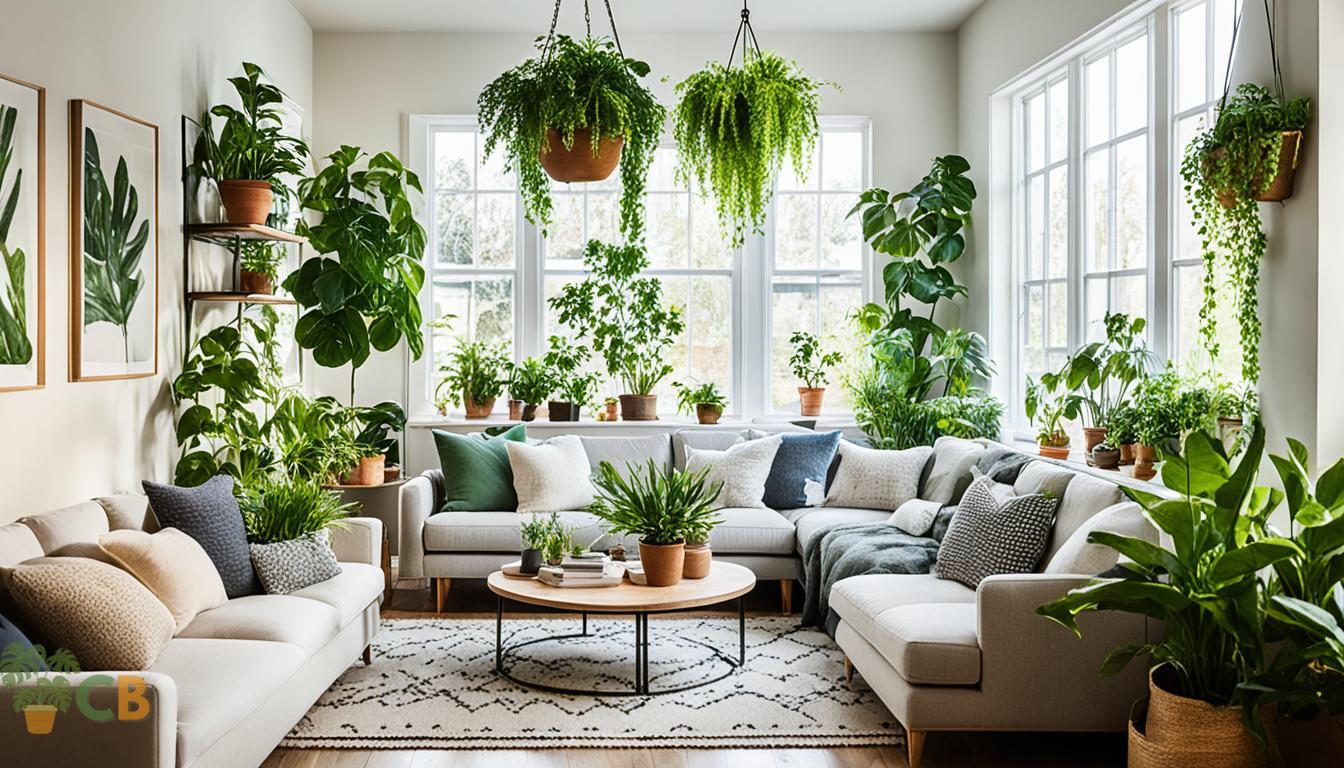
Choosing the right low-light indoor plants can brighten up your home or office. You can create a lush, easy-to-care-for indoor garden by picking plants that fit your space.
Species like the snake plant and pothos come in various shapes and colors, making them perfect for any spot.

These plants are great for purifying the air, adding greenery, or bringing a calming vibe indoors. The best low-light plants can thrive even in the darkest rooms.
They’re adaptable and easy to care for, making them ideal for indoor spaces.
With the right low-light plants, you can turn your home or office into a green oasis, no matter the lighting. So, let these resilient plants add beauty and clean air to your space.
Further Recommendations:
- Patio Gardening for Apartments
- Best Indoor Greenhouse
- Why are my plants drooping?
- How to care for an air plant
- Hydroponic Gardening
- How to Keep Pigeons Off the Balcony?
- Best Patio Furniture Covers
- Patio Pet Games
- Best Kitchen Composters
- Eco-Friendly Homes – Sustainable Living
- Best Soil For Snake Plants
- How to Build a Patio Cover
- Houseplant Happiness! A Guide on How to Clean Plant Leaves Effectively
- 10 Best Indoor Gardening Books
- How to Stop Ants Nesting in Plant Pots
- What Plants Don’t Like Epsom Salt? Garden Tips for Using Indoors and Outdoors
- Best Stone Tile for Patios
- How to Plant Carrot Seeds

Leave a Reply