
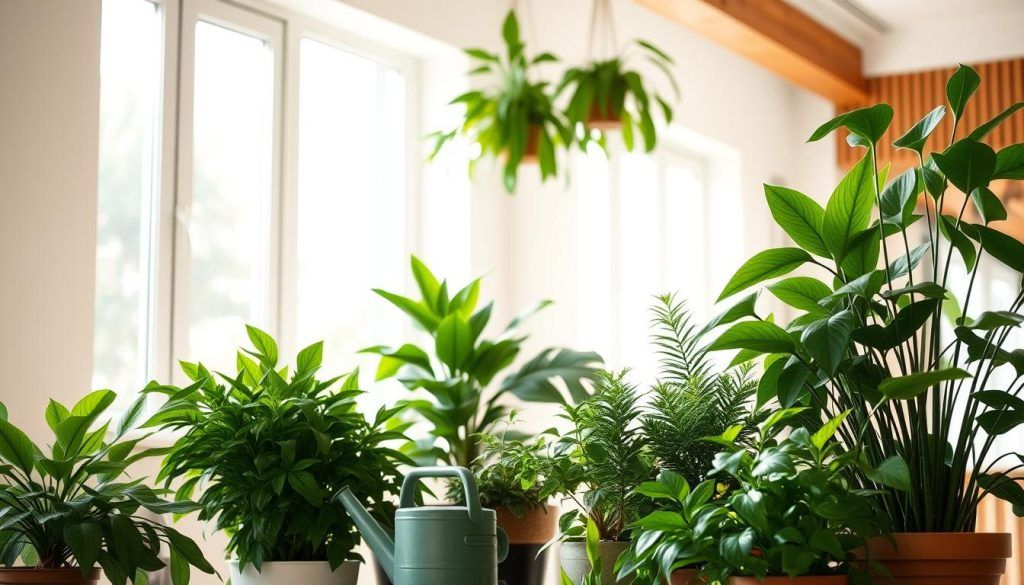
Are you accidentally drowning your indoor plants or leaving them desperately thirsty? Finding the right watering schedule for indoor plants is tricky. How often should you water house plants?
After years of caring for plants, I’ve found that watering them is more of an art than a science. It’s about watching your plant’s needs and finding the right balance between giving it water and not too much. Each plant has its own needs, which can change with the seasons, light, and environment.
The right watering schedule for indoor plants depends on many things. Your succulent needs much less water than a tropical fern. This guide will help you keep your plants hydrated and healthy.
Key Takeaways
- No universal watering schedule works for all plants
- Plant type significantly impacts water requirements
- Environmental conditions influence watering needs
- Observation is key to understanding plant health
- Different seasons require different watering approaches
- Soil moisture is more important than calendar dates
Understanding House Plant Needs
Creating the perfect houseplant watering schedule is not easy. Each plant has its own needs, influenced by many factors. Knowing these needs is key to keeping your plants healthy.
Factors Influencing Watering Frequency
Several important elements affect when to water your houseplants. The best time to water indoor plants varies. I’ve found that considering these factors is essential:
- Plant Species: Different plants need different amounts of water
- Light Exposure: More sunlight means plants absorb water faster
- Room Temperature: Warmer rooms mean plants use more water
- Humidity Levels: Higher humidity means plants need less water
- Seasonal Changes: Water needs change with the seasons




Why Soil Type Matters
Soil type is crucial for your houseplant watering schedule. Some soils hold moisture longer, while others drain quickly. I suggest using potting mixes that fit your plant’s needs. Good soil prevents root rot and retains moisture.
Try different watering schedules and watch how your plants react. Adjust your routine based on their responses.
Signs of Under-Watering
Knowing the signs of underwatering is key to keeping house plants healthy. As someone who loves plants, I’ve learned to spot the signs that my plants are thirsty. They need my help right away.
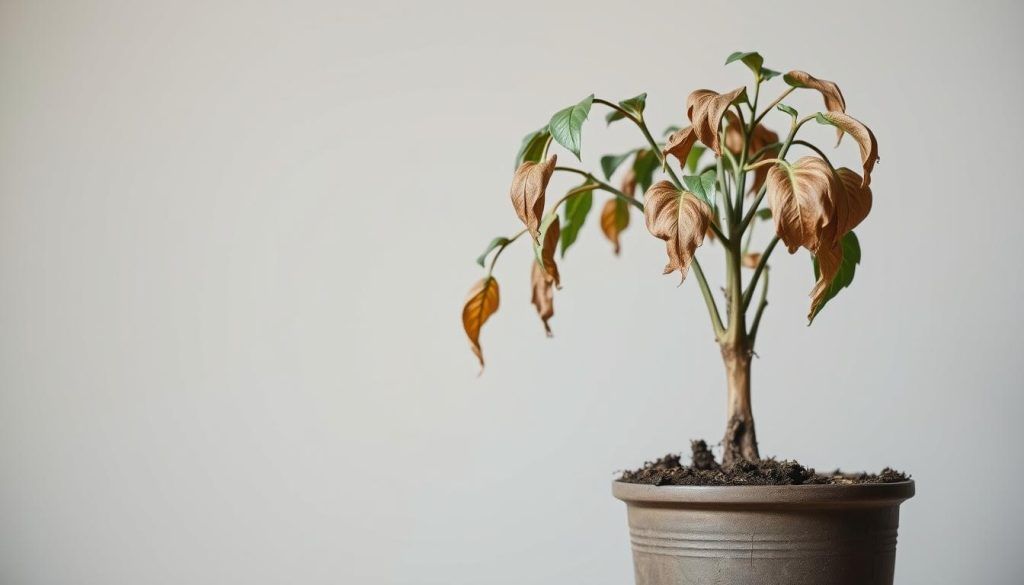
Plants show us when they need water through different signs. If we ignore these signs, our plants can suffer a lot. They might even die.
Brown Leaf Tips: A Cry for Water
Brown leaf tips are a common sign that plants need more water. When plants don’t get enough water, their leaves dry out and turn brown. This is their way of saying they’re really thirsty.
- Edges become brittle and brown
- Leaves feel crisp to the touch
- Discoloration starts at the leaf tips
Soil Dryness Indicators
Dry soil is a clear sign that plants need water. I check the soil moisture by sticking my finger in it about an inch deep. If it’s dry and crumbly, it’s time to water.
- Soil pulls away from container edges
- Dust-like texture when touched
- Light, pale color instead of rich dark brown
Stunted Growth Warning Signs
Stunted growth is a big warning sign of underwatering. When plants don’t get enough water, they stop growing. They use all their energy just to survive.
Look out for these signs of stunted growth:
- No new leaf development
- Smaller than expected leaf size
- Slow or completely halted growth
By spotting these signs, you can act fast. This helps your house plants get back to being healthy.
Signs of Over-Watering
Learning how to water potted plants is key. It’s about finding the right balance between giving them water and not too much. Too much water can harm your plants more than too little.
Plants show signs when they’re not happy. Spotting these signs early can help you fix your watering ways before it’s too late.
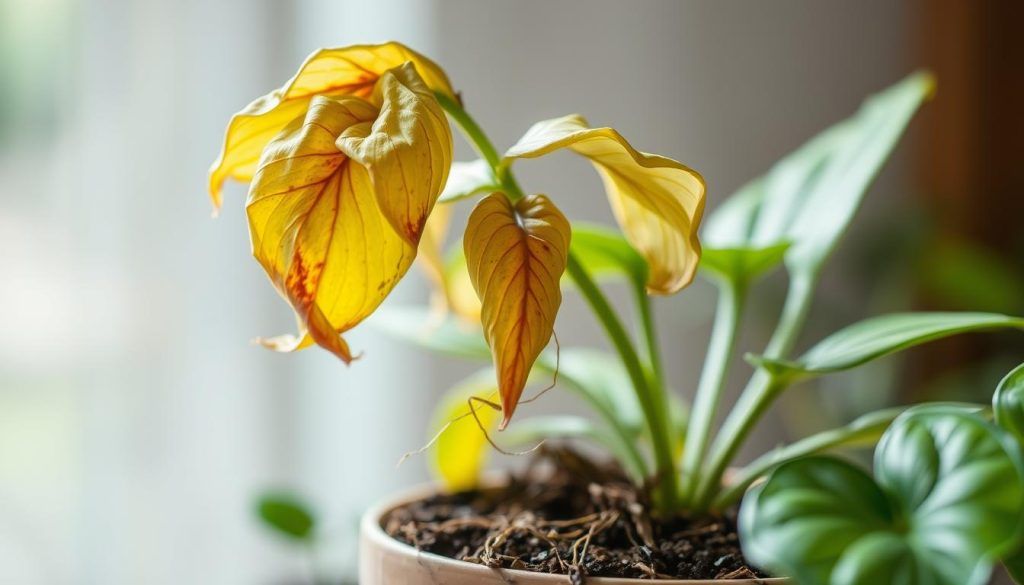
Yellowing Leaves: A Critical Warning
Yellow leaves mean your plant is getting too much water. Roots need air and nutrients, but too much water stops them from getting it. These leaves usually turn yellow from the bottom up.
- Lower leaves turn yellow first
- Leaves feel soft and mushy
- Discoloration happens quickly
Root Rot: The Silent Plant Killer
Root rot is a big problem from too much water. Too much water creates conditions where harmful fungi grow. When roots can’t breathe, they rot and kill the plant.
- Roots become brown or black
- Roots feel mushy and weak
- A distinct unpleasant odor emerges
Watching for these signs can save your plants. It helps keep them healthy and looking good.
Different Watering Needs by Plant Type
Every houseplant is unique and needs its own watering schedule. Knowing these differences can make you a better plant parent. It helps keep your indoor plants happy and healthy.
Not all plants drink water the same way. Some are thirsty and dramatic, while others prefer less water. Let’s look at the watering needs for different plant types.
Succulent Watering Guide
Succulents are like the camels of the plant world. They store water in their leaves and stems, making them easy to care for. My succulent watering guide suggests:
- Water sparingly – once every 2-3 weeks
- Allow the soil to completely dry between waterings
- Use well-draining cactus or succulent soil
- Reduce watering in the winter months
Foliage Plants
Tropical foliage plants need more moisture than succulents. They like consistent moisture and higher humidity.
- Water when the top inch of soil feels dry
- Mist leaves to increase humidity
- Use room temperature water
Flowering Plants
Flowering plants need careful watering to bloom well. They often need more water when they’re growing fast.
- Water the soil surface feels slightly dry
- Reduce watering after flowering
- Avoid getting water on delicate flower petals
Seasonal Changes in Watering
It’s key to manage watering for houseplants all year to keep your indoor garden healthy. Plants change with the seasons, needing different care as temperatures and light levels shift.
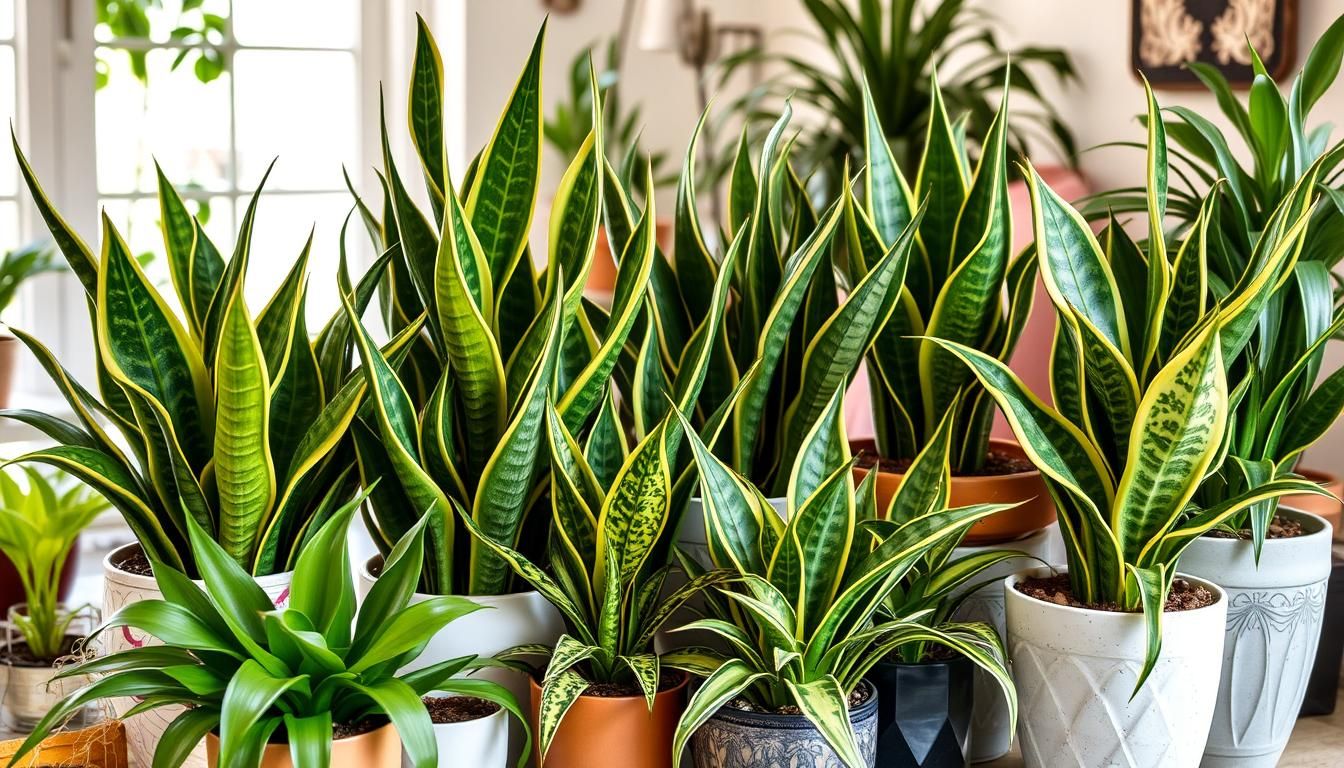
Knowing how much water your plants need each season is vital. It helps avoid stress and supports healthy growth. Each season brings its own challenges that affect how much water plants need.
Winter Watering Strategies
In winter, most houseplants slow down and grow less. They need much less water than when they’re actively growing. Here are my top tips for caring for plants in winter:
- Reduce watering by 30-50%
- Check soil moisture before watering
- Use room temperature water
- Avoid placing plants near heating vents
Summer Hydration Techniques
Summer brings a different watering need for houseplants. Warmer temperatures and more sunlight mean plants need more water to stay healthy.
- Increase watering frequency
- Water early morning or late evening
- Use drainage trays to catch excess water
- Monitor plants for signs of heat stress
Pro tip: Always adjust your watering routine based on individual plant needs and specific environmental conditions.
Measuring Soil Moisture
To know when to water house plants, you need to understand their moisture needs. It’s not about watering them at the same time every day. It’s about knowing when they really need water.
Checking the soil moisture is key to keeping your indoor plants healthy. There are several ways to figure out when your plants need water.
Essential Tools for Moisture Checking
- Moisture meter
- Wooden skewer
- Your finger
The Finger Test Technique
The finger test is a simple way to check soil moisture. Here’s how I do it:
- Stick your index finger about 1-2 inches into the soil
- Feel for moisture and temperature
- If the soil feels dry, it’s time to water
| Moisture Level | Action Required |
|---|---|
| Completely Dry | Water Immediately |
| Slightly Damp | Wait 1-2 Days |
| Wet | Do Not Water |
By learning these methods, you’ll get better at knowing when your indoor plants need water.
Water Quality for House Plants
Creating the perfect houseplant watering schedule isn’t just about timing—it’s also about water quality. The type of water you use can dramatically impact your indoor plants’ health and growth.
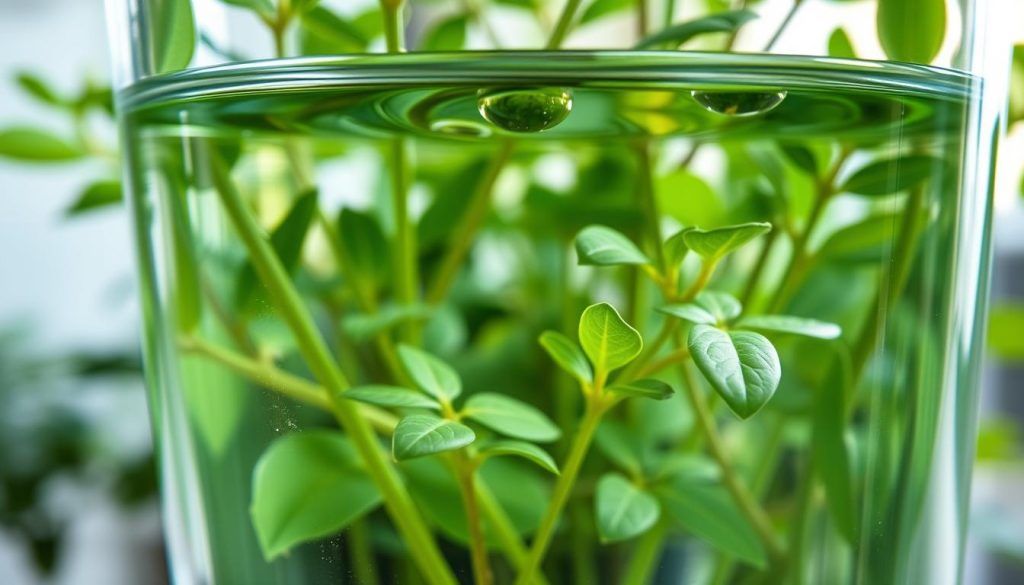
When developing my best time to water indoor plants strategy, I discovered that not all water is created equal. Water contains minerals, chemicals, and temperature variations that can significantly affect plant wellness.
Tap Water Considerations
Tap water often contains chemicals that might harm sensitive plants. Chlorine and fluoride can potentially damage delicate root systems. My solution? Let tap water sit out overnight to allow these chemicals to dissipate.
- Allow tap water to rest for 24 hours before using
- Use room temperature water for optimal absorption
- Consider filtering water for more sensitive plants
Choosing the Right Water Temperature
Room-temperature water is crucial for maintaining a healthy watering schedule for houseplants. Cold water can shock plant roots, causing stress and potentially stunting growth. I always ensure my water is between 62-72 degrees Fahrenheit before watering.
Filtered Water Options
While tap water works for many plants, some species are more sensitive. Rainwater, distilled water, or filtered water can provide a gentler option for finicky houseplants. These water types minimize mineral buildup and chemical exposure.
Techniques for Effective Watering
Learning how to water potted plants is key to keeping them healthy. Every plant parent knows that the right amount of water is crucial. Watering is more than just pouring water into a pot; it’s an art that needs precision and understanding.
I’ve developed some strategies for watering potted plants that have changed my plant care. It’s important to know each plant’s needs and follow some basic rules.
My Preferred Watering Methods
- Deep watering: Saturate the soil completely, allowing water to drain thoroughly
- Bottom watering: Place the pot in a water-filled container to let roots absorb moisture naturally
- Direct soil application: Avoid wetting plant leaves to prevent fungal issues
Optimal Timing for Watering
Timing is crucial when watering potted plants. The best time is in the morning. This lets plants soak up moisture before it gets hot.
| Watering Technique | Best Time | Benefits |
|---|---|---|
| Deep Watering | Early Morning | Promotes Strong Root Growth |
| Bottom Watering | Morning | Prevents Leaf Damage |
| Direct Soil Watering | Before Noon | Reduces Moisture Loss |
Pro tip: Always check the soil moisture before watering. Your plants will thank you for this extra attention to their individual needs!
Creating a Watering Schedule
Creating a smart watering routine for houseplants requires flexibility and keen observation. Plants aren’t machines with preset schedules. So, understanding their unique needs is key to avoiding overwatering.
To make a personalized watering schedule, I follow several key strategies:
- Observe your plants’ specific moisture requirements
- Track environmental conditions
- Recognize individual plant growth stages
Setting Effective Reminders
Digital tools can help manage your plant care routine. I suggest using smartphone apps or digital calendars to track watering needs. These platforms let you:
- Set customized reminders for different plants
- Log watering dates
- Record signs of overwatering house plants
Adapting to Plant Growth Dynamics
Your watering schedule isn’t set in stone. Plant growth, seasonal changes, and indoor conditions affect hydration needs. Regularly reassess and adjust your approach to keep plants healthy.
Remember: Consistent monitoring matters more than rigid schedules.
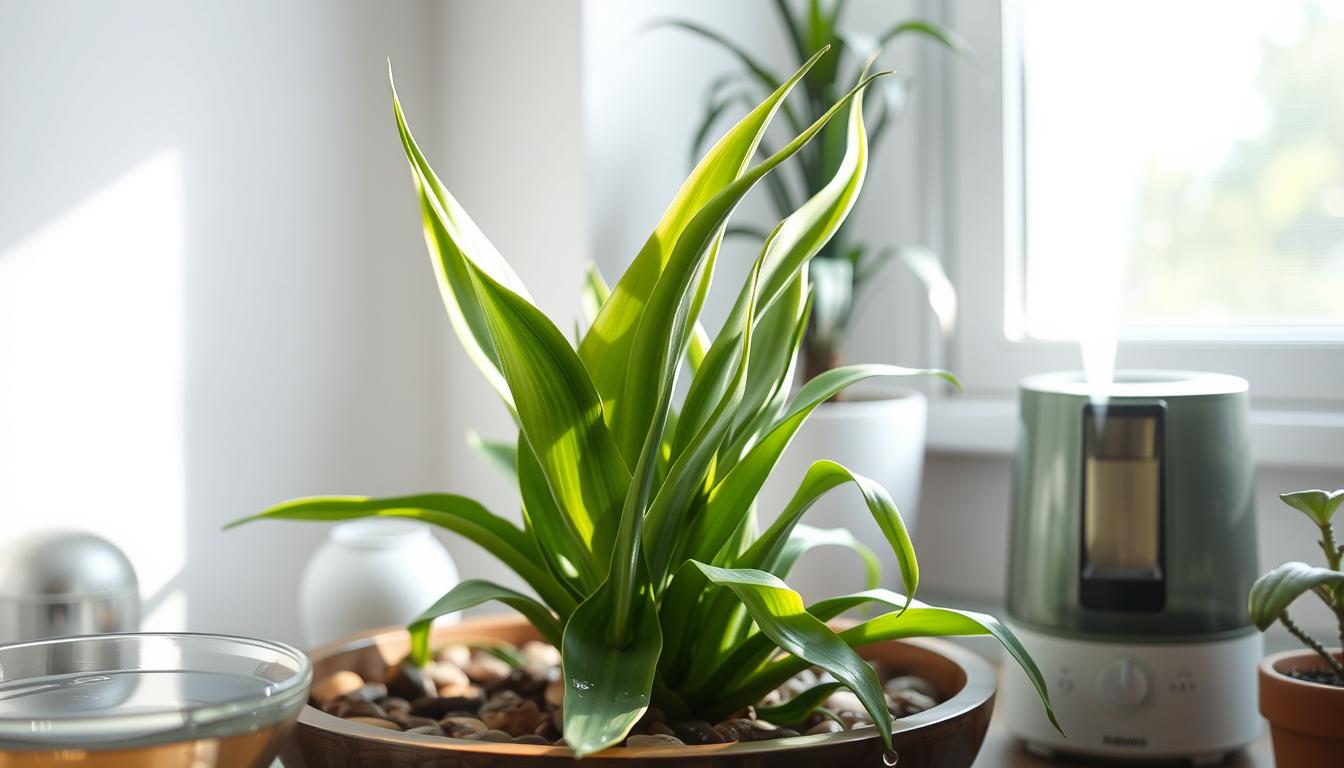
Experimenting with Watering Routines
Plant care is a journey of learning and adapting. I’ve learned that no single watering method fits all. Each plant is different, and determining what it needs takes patience and observation.
- Every environment presents different challenges for plant care
- Observation is crucial in understanding plant water requirements
- Flexibility is more important than rigid watering schedules
Learning from Plant Care Mistakes
My early gardening days were filled with mistakes. I treated all plants the same, which didn’t work out well. Overwatering was my biggest mistake. Now, I know each plant has its own way of telling you what it needs.
Adapting to Different Environments
When I moved to a drier climate, my plant care changed a lot. Drought-resistant plants became key to keeping my space green. My watering guide for succulents changed a lot, based on humidity, temperature, and sunlight.
The best lesson? Always be open to trying new things and curious about what your plants need.
FAQ
How often should I water my houseplants?
What are the signs of under-watering?
How can I tell if I’m overwatering my plants?
Do different types of plants need different watering schedules?
How do seasonal changes affect plant watering?
What’s the best way to check if my plant needs water?
Does water quality matter for houseplants?
When is the best time to water my houseplants?
How can I create a consistent watering schedule?
What are some common houseplant watering mistakes?
Final Thoughts: Finding My Perfect Watering Balance
Learning about seasonal watering for houseplants is a journey. It’s not about strict rules, but knowing each plant’s unique needs. This is how I care for my indoor garden.
Every plant has its own story, shown through its leaves and growth. I’ve found that being flexible is crucial. Some plants need more water in summer, while others prefer less in winter.
The most important thing I’ve learned is to trust your observations. No guide can replace the knowledge you get by watching your plants. Start with the tips I’ve shared, but always be ready to adjust based on what your plants show you.
Building a thriving indoor garden takes time and patience. With careful attention, you’ll learn what each plant needs. Remember, each plant is a living world waiting to thrive with your care.
Further Recommendations:
- Best Indoor Greenhouse
- Bucket Gardening
- Why are my plants drooping?
- How to care for an air plant
- Hydroponic Gardening
- How to Keep Pigeons Off the Balcony?
- Best Patio Furniture Covers
- Patio Pet Games
- Best Kitchen Composters
- Eco-Friendly Homes – Sustainable Living
- Best Soil For Snake Plants
- How to Build a Patio Cover
- Houseplant Happiness! A Guide on How to Clean Plant Leaves Effectively
- 10 Best Indoor Gardening Books
- How to Stop Ants Nesting in Plant Pots
- What Plants Don’t Like Epsom Salt? Garden Tips for Using Indoors and Outdoors
- How to Plant Carrot Seeds
Video: Houseplant Care Tips
Reference Links
- Top Fragrant Houseplants – Missouri Botanical Garden
- Effect of Fragrant Primula Flowers on Physiology and Psychology – NCBI

Leave a Reply