

Indoor plants are a great way to bring some greenery into your home but can be challenging to maintain.
One of the biggest challenges is providing your plants with enough light, especially if you don’t have access to natural sunlight. This is where grow lights come in.


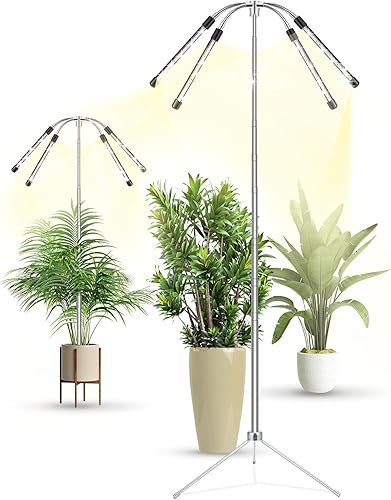


Grow lights are artificial lights that provide the spectrum plants need to grow. They can be a great solution for indoor gardening, especially if you don’t have access to a sunny window or want to grow plants that require more light than your windowsill can provide.
When choosing the best grow lights for indoor plants, there are a few things to keep in mind. First, you’ll want to consider the type of plants you’re growing and their specific light requirements. Some plants require more light than others, and some require specific wavelengths of light.
You’ll also want to consider the size of your grow space and the type of grow light that will work best for your setup. Different grow lights are available, including fluorescent, LED, and high-intensity discharge (HID) lights.
This article will examine the best indoor plant grow lights, taking into account plant type, grow space, and light requirements. We’ve spent countless hours researching and testing various grow lights to identify the ones that provide the best results for your indoor garden.
Best Grow Lights for Indoor Plants
We’ve researched and tested the top grow lights for indoor plants to help you find the right one for your needs. Whether you’re a beginner or an experienced gardener, these grow lights can help you grow healthy plants all year round.
Our list includes options ranging from affordable, compact lights to more advanced models with customizable settings. Read on to find the best grow light for your indoor garden.
GooingTop LED Grow Light (Best clip-on grow light)
What we like
What we don’t like
It’s easy to install, energy-efficient, and convenient, with a timer function. With its natural sunlight-like spectrum, it’s sure to help your plants thrive.
With the GooingTop LED Grow Light, you can easily and conveniently provide your indoor plants with the perfect lighting.
We recommend the GooingTop LED Grow Light, an excellent choice for anyone seeking an affordable, efficient grow light for indoor plants. It’s a reliable and efficient growing lamp that is definitely worth the investment.
Power: 10 Watts, Size: 22″L x 14″W x 7.9″H, Number of LEDs: 84, Material: Plastic, Iron, Color temperature: 6000 K, Lighting period: 4, 8, 12Hrs, Voltage: 5 (DC)
LBW Grow Light with Stand (Best for seedlings)
What we like
What we don’t like
We’ve been using the LBW Grow Light with Stand for a few months and are pleased with its performance. The adjustable tripod stand is easy to set up and adjust, and we appreciate the flexibility of adjusting the gooseneck to the desired angle for our plants.
The full-spectrum LED light provides the ideal amount of light for our plants, and we’ve observed significant growth since using it.
Remember that the light may not be as bright as other grow lights on the market. We’ve found that it’s still bright enough to provide the necessary light for our seedling plants. The tripod stand may not be as sturdy as some users would like, but we haven’t had any issues with it.
We highly recommend the LBW Grow Light with Stand if you are looking for an affordable, effective grow light for your indoor plants.
Brightness: 2800 Lumen, Size: 15.75″L x 7.87″W x 7.87″H, Light: LED, Power: 150W, Brand: LBW, Style: Garden, Number of bulbs: 150
SANSI Grow Lights (Best clip-on grow light)
What we like
What we don’t like
We’ve been using the SANSI Grow Lights for a few weeks and are happy with the results. The ceramic technology improves energy efficiency, and the 5W output is more than sufficient for our indoor plants.
The gooseneck & clamp make installing the light on any pot easy, and we appreciate its flexibility. The timer function is working correctly, but initially it was tricky to set up. However, it worked perfectly fine once we got the hang of it.
The only downside is that the light may not be strong enough for some plants. We also wish the cord were longer, but it hasn’t been a significant issue.
Overall, we recommend SANSI Grow Lights for anyone seeking a compact, efficient grow light for indoor plants. The 2-year warranty and professional service team that provides 7×24 online help are also great additions to this product.
Power: 5 Watts, Size: 5.2″L x 2.83″ W x 7.2″ H, Light Source: LED, Material: Polycarbonate (PVC), Ceramic, Color: White, Power Source: Corded Electric, Voltage: 5V
Yadoker LED Grow Light (Best for larger plants)
What we like
What we don’t like
We’ve been using the Yadoker LED Grow Light for nearly a year and are pretty happy with it. The light is easy to set up and use, and the full-spectrum LEDs appear to promote plant growth.
We’ve been using it on a range of plants, from small succulents to larger tropical plants, and it seems to work well for all of them.
One thing we like about this grow light is that it is height-adjustable. This makes it easy to use on various plants and allows you to adjust the height as your plants grow. The telescoping pole is a bit flimsy, but it should be fine if you’re careful.
The automatic timer and on/off switch are also nice features. We’ve been using the 8-hour cycle, which works well for our plants. It’s also lovely to manually turn the light on and off.
The only downside to this grow light is that it’s not particularly strong. If your plants require a lot of light, you may need to supplement with additional lighting. However, for most indoor plants, it should be sufficient.
We recommend the Yadoker LED Grow Light to anyone seeking an affordable, versatile option for indoor plants. It’s easy to use, adjustable, and promotes plant growth well.
Style: Art Deco, Number of Light Sources: 72, Weight: 4.8 ounces, Wattage: 10 W, Geometry: Round, Size: 10″L x 7″ W x 1″ H, Design: Solid, Bamboo, Voltage: 5V
Barrina 2FT T8 Grow Light (Best pendant grow light)
What we like
What we don’t like
We recently used the Barrina 2FT T8 Grow Light for our customers’ indoor plants and were impressed with its performance. The full-spectrum lighting promoted healthy growth, and the high PPFD ensured our plants received sufficient light.
Thanks to the included tape, clips, and cable ties, the installation was a breeze. We can link up to 10 LED grow light strips in series, saving time and money.
The pinkish-white light can be a bit harsh on the eyes, so we recommend using these lights in a room where you don’t spend much time.
One issue we noticed was a slight flickering in the lights, which some users have also reported. The lights feel flimsy and may not hold up well over time.
We recommend the Barrina 2FT T8 Grow Light if you’re looking for an affordable, full-spectrum option that’s easy to install.
Light Color: Pinkish White, Voltage: 265V, Fixture Type: Non Removable, Size: 23.86″L x 1.3″W x 1.38″H, Light fixture form: Pendant, Style: Modern indoor use only
Aukphie Multi-Head Grow Light
What we like
What we don’t like
The flexible 5-head design and customizable settings enable various plants to thrive, while full-spectrum LED lighting promotes healthy growth.
The reported issues with malfunctioning lights and the less stable tripod stand may concern some users.
We recommend the Aukphie Grow Lights for indoor plant enthusiasts. Whether you’re a beginner or an experienced gardener, the Aukphie Grow Lights are a must-have for any indoor plant enthusiast.
Model: 5 in 1, Material: Aluminum, Weight: 4.36 pounds, Number of LEDs: 450, Brightness levels: 10, Type of light: Sun-like, Dimensions: 18″ x 8″ x 4″
LEOTER Grow Light for Indoor Plants
What we like
What we don’t like
We’ve been using this grow light for a few weeks, and we’re impressed with its performance. The LED lights emit a full spectrum that supports the growth of all types of plants.
Our plants have been thriving under this light, and we’re excited to see how they’ll continue to grow.
The upgraded timer function is a great feature that allows automatic on/off based on your settings. We’ve set ours to turn on for 12 hours daily, and it’s been working perfectly.
The only downside is that the timer must be reset if the light is powered off, which can be inconvenient.
The 10 dimmable modes and three spectral modes are also great features that accommodate different stages of plant growth.
We’ve been using the dimmable feature to adjust the light intensity for our seedlings, and it’s been working well. The flexible gooseneck and metal clamp make it easy to adjust the light to the desired position.
Overall, we highly recommend the LEOTER Grow Light for Indoor Plants. It’s a reliable, efficient grow light that helps your plants thrive.
Style: Modern, Color: Black, Wattage: 40 Watts Timer: 3/9/12 H, Number of LEDs: 80, Power Source: USB, AC, Dimensions: 13.86″ x 5.63″ x 3.82″
MistyJungle Grow Light
What we like
What we don’t like
The MistyJungle Grow Light is a reliable and versatile option for indoor plant enthusiasts. The enhanced full-spectrum LED light delivers a broader, stronger spectrum, promoting year-round growth of indoor plants and enabling them to grow 5x faster than in nature.
The elevated stand is height-adjustable, making it suitable for small potted plants and large indoor or outdoor plants. Additionally, the built-in timer offers three automatic modes, ensuring consistent care and customizable lighting with 10 brightness settings.
The timer’s maximum setting is 12 hours, which may be insufficient for specific plant types that require longer light exposure. The light may be too bright for some plants, causing them to wilt or burn, and the aluminum shell may not be as durable as other materials.
We highly recommend the MistyJungle Grow Light for indoor plant enthusiasts seeking a reliable, versatile option that accommodates a wide range of plant types.
Style: Minimalist, Color: White, Wattage: 16 Watts Timer: 3/9/12H, Number of LEDs: 96, Power Source: Corded Electrical, Dimensions: 10″D x 5″ W x 15″ H
Buying Guide
When choosing the best grow lights for indoor plants, there are a few important features to consider. Here are some key factors to keep in mind:
Light type
There are three main types of grow lights: fluorescent, LED, and HID. Each has advantages and disadvantages, so choosing the one that best suits your needs is important.
Fluorescent lights are affordable and easy to find but don’t provide as much light as other types. LED lights are energy-efficient and long-lasting, but they can be expensive. HID lights are powerful and effective, but they can also be expensive and generate significant heat.
Light spectrum
Different plants have different light requirements, so choosing a grow light that provides the right spectrum is important.
Most plants need light in the blue and red spectrum, but some require other wavelengths. Look for grow lights that provide a full light spectrum to ensure your plants get everything they need.
Wattage
The wattage of a grow light determines how much energy it uses and how much light it produces. Generally, the higher the wattage, the more light the grow light will create.
Higher-wattage grow lights can be more expensive and produce more heat. Consider the size of your growing space and the types of plants you’re growing when choosing a wattage.
Coverage area
Grow lights come in various sizes and shapes, each with a different coverage area. Make sure to choose a grow light covering the entire area where your plants grow. You may need multiple grow lights to provide adequate coverage if you have a large growing space.
Durability
Grow lights can be expensive, so choosing one that will last is important. Look for grow lights made from high-quality materials and backed by solid warranties. Choosing a grow light that is easy to maintain and clean is also important, as dirty grow lights can reduce their effectiveness.
Considering these factors, you can choose the best grow lights for indoor plants and ensure they thrive.

Frequently Asked Questions
1. What are the most effective full-spectrum LED grow lights for indoor gardening?
Full-spectrum LED grow lights are the most effective for indoor gardening, providing the complete spectrum of light plants need to grow and thrive.
Look for grow lights with a high PAR (Photosynthetically Active Radiation) output and a high CRI (Color Rendering Index) to ensure your plants receive the right light for optimal growth.
2. How do I determine the appropriate wattage for grow lights when cultivating indoor plants?
The appropriate wattage for grow lights depends on the size of your indoor garden and the type of plants you are growing.
Generally, you should aim for 30-40 watts per square foot of growing space for high-light plants and 20-30 watts per square foot for low-light plants.
If you’re unsure, consult the manufacturer’s recommendations or seek advice from a professional.
3. Can standard LED bulbs be used for growing plants indoors, or are specialized grow lights necessary?
Standard LED bulbs can be used for indoor plant growth, but they are not as effective as specialized grow lights.
Standard LED bulbs typically have a narrow spectral range that may not provide the appropriate wavelengths for optimal plant growth.
Specialized grow lights, on the other hand, are designed specifically for indoor gardening and provide the full spectrum of light that plants need.
4. What features should I consider to ensure healthy seedling development in grow lights?
When selecting grow lights for seedling development, look for lights with adjustable height settings and a timer function.
Adjustable height settings let you keep the lights at the optimal distance from the seedlings as they grow, while a timer ensures the lights are on for the appropriate duration each day.
5. Are there stylish grow light options that blend well with home decor while being effective for plants?
Yes, many stylish grow lights blend well with home decor while remaining effective for plants. Look for grow lights with sleek, neutral designs that complement your home’s aesthetic.
Some popular options include pendant-style grow lights and minimalist LED bars.
6. Which grow lights are recommended for maximizing vegetable yield in indoor gardens?
We recommend using high-output LED grow lights with a full-spectrum light to maximize vegetable yield in an indoor garden. Look for grow lights with high PAR output and CRI to ensure your plants receive the right light for optimal growth.
Additionally, consider using supplemental lighting, such as T5 fluorescent lights, to provide additional light for your plants.

Final Thoughts
Selecting the right grow light for your indoor plants can be daunting, but it doesn’t have to be.
By considering the factors we’ve discussed, such as the type of plants you have, the size of your growing area, and your budget, you can make an informed decision and find the best grow light for your needs.
Remember that different plants have different light requirements, so it’s important to choose a grow light that provides the right spectrum and intensity for your specific plants.
Position your indoor plant lights at the appropriate distance from your plants to prevent burning or stunting their growth.
Investing in a high-quality grow light can significantly benefit your indoor plants and help them thrive year-round. With the information we’ve provided, we hope you feel confident in choosing the best grow light for your indoor gardening needs.
Further Recommendations:
- 10 Best Indoor Gardening Books
- Best Humidifier for Plants: Top 6 Picks for Healthy Indoor Greenery
- 10 Best Patio and Balcony Gardening Books
- How to Keep Cats from Eating Plants
- How to Arrange Plants in Your Living Room for Stylish Decor
- What Plants Like Coffee Grounds and Eggshells?
- The Art of Sustainable Gardening: Eco-Friendly Gardening Practices
- How to Keep Squirrels Out of Potted Plants and Flower Pots Effectively
- Houseplant Happiness! A Guide on How to Clean Plant Leaves Effectively
- Creative Ways on How to Hang Plants from the Ceiling Attractively
- What Plants Don’t Like Epsom Salt? Garden Tips for Using Indoors and Outdoors
Video: What you need to know about grow lights.
Reference Links
- Lighting for indoor plants and starting seeds – University of Minnesota
- How to grow houseplants – RHS


Leave a Reply