

Are you having trouble keeping your air plants alive? Wondering why your Tillandsia looks wilted instead of vibrant?
Watering air plants can be tricky. But learning how to water an air plant correctly is easy. These plants absorb moisture through their leaves, so they require special care to stay healthy and beautiful.
Learning how to hydrate air plants is crucial. It ensures they thrive in your space. This guide will cover everything you need to know about caring for and watering air plants.
Key Takeaways
- Air plants need regular hydration to prevent stunted growth
- Misting and soaking are crucial watering methods
- Water quality significantly impacts air plant health
- The frequency of watering depends on the environment and species
- Proper drying after watering prevents root rot
Understanding Air Plants and Their Needs
Tillandsia, also known as air plants, are amazing plants that don’t require soil like regular plants. They have special ways to survive that make them very interesting.
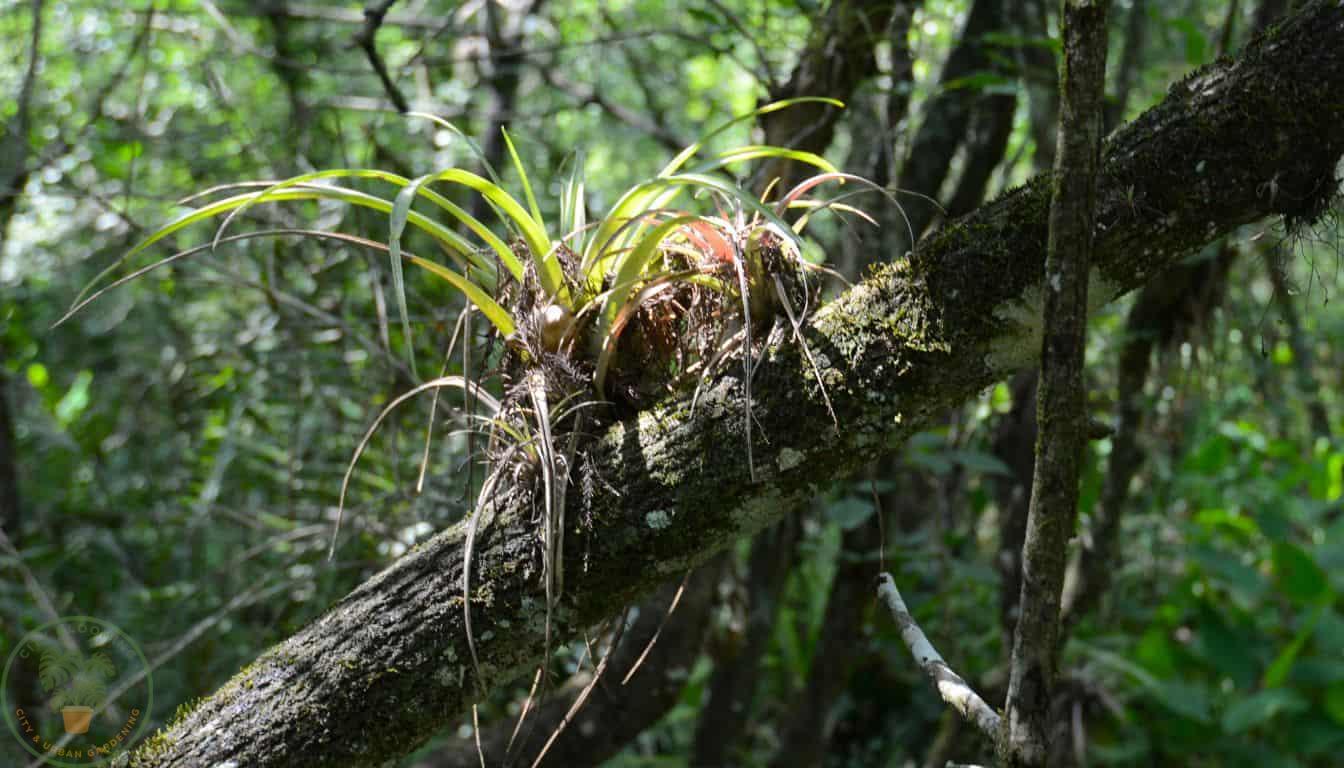
Air plants come from different places in North and South America. They can get water and food through their leaves, not roots. This is what makes them special.
What Makes Air Plants Unique?
These plants stand out for several reasons:
- No soil requirement for growth
- Absorb water and nutrients through the leaf surfaces
- Thrive in various environmental conditions
- Part of the bromeliad family




Why Proper Watering Matters
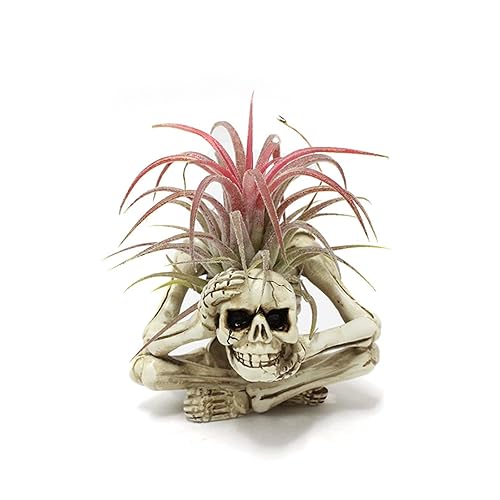
Learning how to water air plants is key to their health. They especially absorb moisture. This means we need to water them as if they lived in their natural habitats.
It’s vital to water air plants just right. Too little or too much water can harm them. They need consistent moisture, just like in the natural world.
Remember, each air plant is a living ecosystem that demands personalized care and understanding.
How Often Should You Water Air Plants?
Learning about the moisture needs of air plants is key to their health. Knowing how to water them right helps avoid dehydration. This ensures your Tillandsia stays healthy at home.
Air plants need specific amounts of water, which changes based on several factors. They need a regular watering schedule to stay moist without rotting.
Seasonal Watering Variations
The water needs of your air plant change with the seasons. In warmer months, you’ll need to water them more often. This is because of the higher temperatures and more sunlight.
- Summer: Water every 7-10 days, with additional misting
- Winter: Reduce watering frequency, but monitor plant condition
- Humid environments: Less frequent watering is needed
- Dry climates: More frequent hydration is required
Clues That Your Air Plant Needs Water
It’s important to know when your air plant is dehydrated. Look out for these signs:
| Dehydration Sign | What to Look For |
|---|---|
| Leaf Curling | Leaves rolling inward or appearing crisp |
| Color Changes | Leaves turning grayish or dull |
| Texture | Leaves feeling brittle or less plump |
Pro Tip: Always check your air plant’s condition before watering to ensure you’re meeting its specific moisture requirements.
For most air plants, a 20-60 minute soak every 7-10 days is best. In drier places, misting 2-3 times a week between soaks helps keep them hydrated.
Best Methods for Watering Air Plants
Keeping your air plants healthy requires understanding the proper watering techniques for air plants. These unique plants need special care to thrive in your home or office environment.

Air plants have three primary watering methods that help maintain their unique growth patterns. Each technique offers different benefits for your delicate plants.
Soaking Method: Deep Hydration
Soaking air plants is one of the most effective ways to water them. For optimal hydration, follow these steps:
- Submerge the entire plant in room-temperature water
- Soak for 20-30 minutes
- Repeat every 7-10 days
- Ensure plants dry completely within 4 hours after soaking
Pro tip: In drier climates, consider soaking for 2 hours every 2-3 weeks for extra hydration.
Misting Method: Gentle Hydration
Misting air plants provides a gentle way to water them. When practicing misting air plants, remember:
- Spray plants 2-3 times per week
- Focus on the areas between the leaves
- Use filtered or rainwater if possible
- Mist more frequently in direct light conditions
Dew Method: Natural Moisture
The dew method mimics the natural hydration of plants in tropical environments. This technique involves creating a humid microclimate around your air plants by:
- Placing plants near humidity sources
- Using a humidity tray
- Grouping plants together
- Maintaining room temperatures between 50 and 90 degrees Fahrenheit
Experiment with these air plant watering techniques to find the perfect balance for your specific plants and environment.
Choosing the Right Water for Air Plants
Water is key to keeping air plants healthy. Not all water is good for air plants. Knowing the best water types helps your Tillandsia thrive and avoids damage from harmful chemicals or mineral buildup.
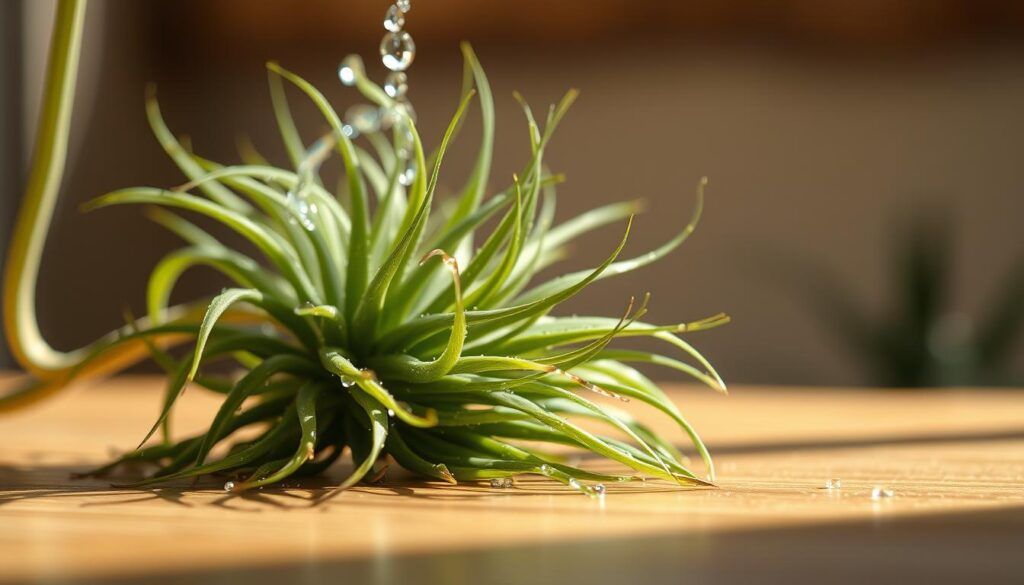
When choosing water for your air plants, consider a few essential things. Tap water might seem easy, but it can harm your plants because of its chemicals.
Water Quality Considerations
The best water for air plants includes:
- Rainwater (most ideal)
- Pond water
- Aquarium water
- Filtered water
Tap Water vs. Distilled Water
Tap water has chlorine and other chemicals that can hurt air plants over time. Even though chlorine levels go down in about 15 minutes, it’s still not the best choice for air plants.
| Water Type | Plant Impact | Recommended Use |
|---|---|---|
| Tap Water | Potential chemical damage | Not recommended |
| Rainwater | Natural nutrients | Highest recommendation |
| Distilled Water | Lacks minerals | Limited benefits |
Rainwater Benefits
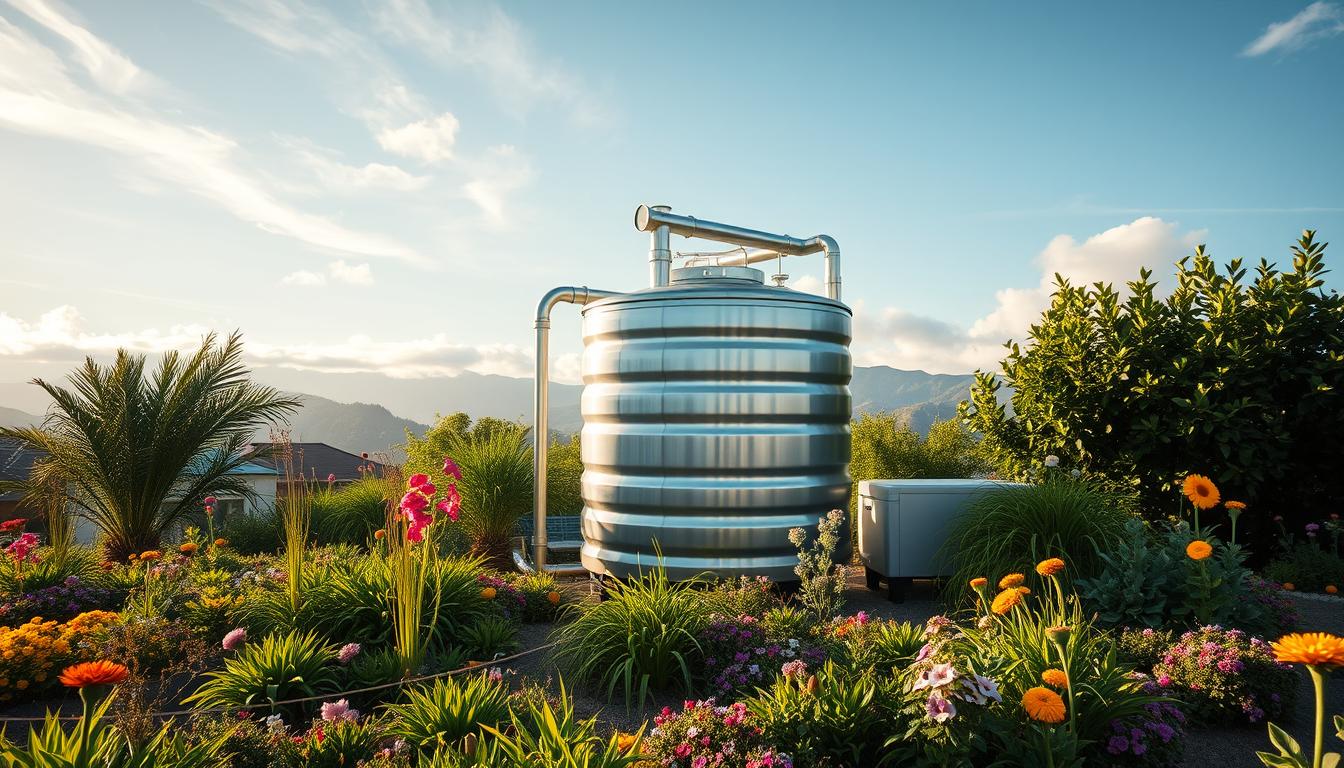
Rainwater is the best natural water for air plants. It contains minerals and a pH level that matches its natural environment. If possible, use a clean container to collect rainwater for your air plant’s care.
Pro tip: Let collected rainwater sit for 24 hours before using to ensure it’s at room temperature and free from any potential contaminants.
Choosing the right water helps your air plants stay healthy and grow well.
Preparing to Water Your Air Plants
Learning how to care for air plants requires careful preparation and attention to detail. Good air plant care starts before you even water them. Your steps can significantly affect their health and lifespan.
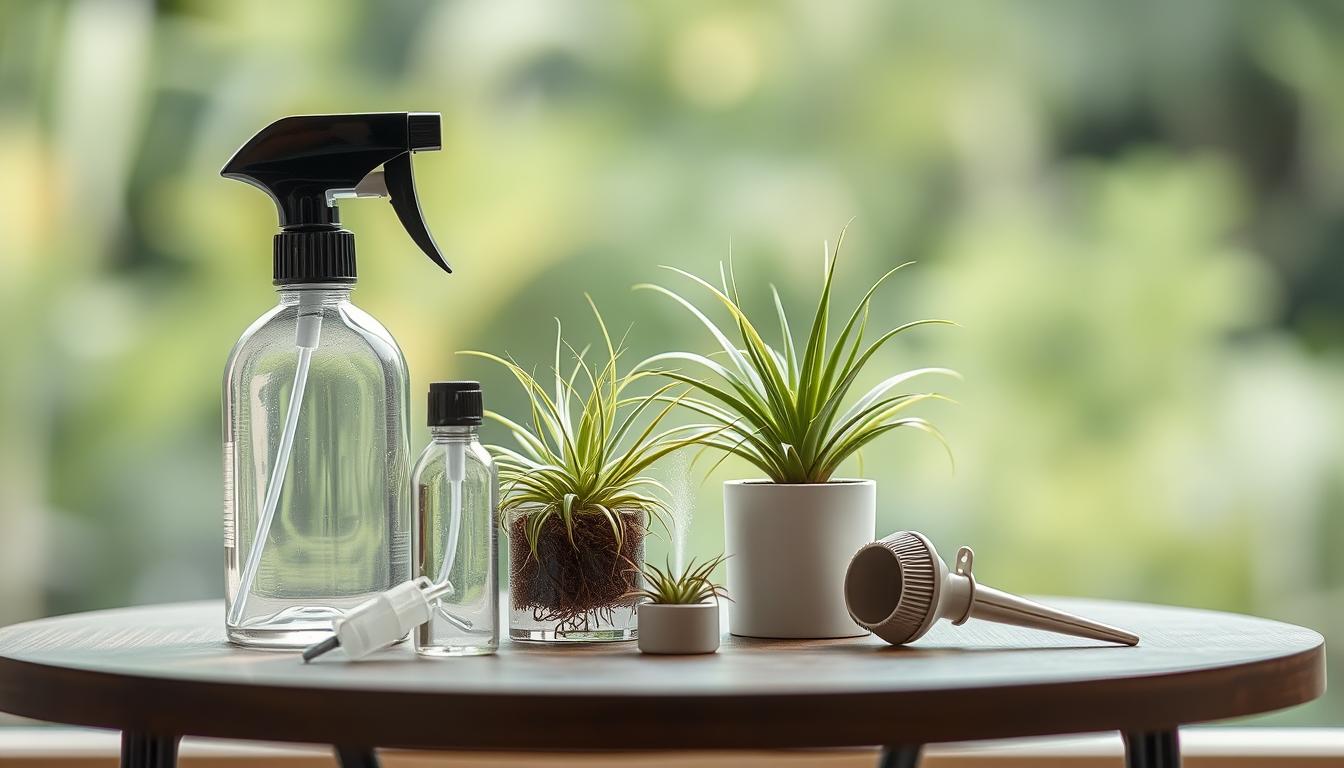
- Clean bowl or shallow container
- Filtered or rainwater
- Soft towel or paper towels
- Spray bottle for misting
- Clean workspace
Timing Your Watering Session
Choosing the right time is key. Watering in the morning is best. This lets your plants dry out before nightfall. Wet air plants overnight can lead to rot and damage.
Water Temperature and Preparation
Use water between 65-75°F. Cold or hot water can shock them. If you’re using tap water, let it sit for 24 hours to allow the harmful chemicals to dissipate.
Pro tip: Always ensure your air plants dry within 3-4 hours after watering to maintain optimal health.
By following these steps, you’ll create the best environment for your air plants. This ensures their long-term health and vitality.
The Soaking Method: A Step-by-Step Guide
Learning how to water your air plants is key to their health. Soaking them is a top method to keep them hydrated.
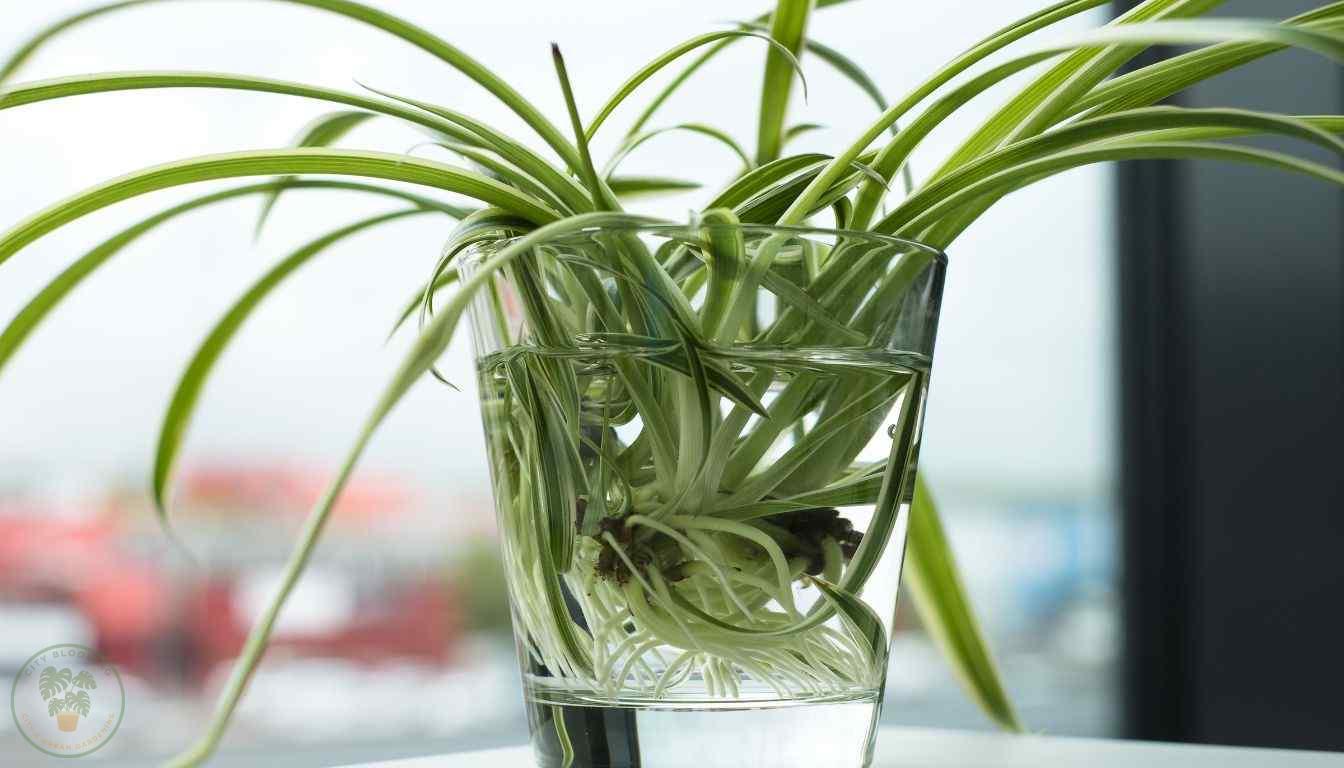
Watering air plants with the soaking method is thorough. Since they soak up water through their leaves, this method is vital.
Duration for Soaking
Soaking time for air plants is between 20 and 60 minutes, once a week. Several things affect how long:
- Plant species (xeric vs. mesic varieties)
- Current environmental conditions
- Individual plant health
Tips for Effective Soaking
Here are some tips for soaking your air plants:
- Use room-temperature water to avoid shock
- Remove plants from displays before soaking
- Submerge the entire plant, keeping the flowering parts above water
“Proper hydration is the key to thriving air plants” – Plant Care Experts
| Soaking Consideration | Recommendation |
|---|---|
| Water Type | Rainwater, well water, or dechlorinated tap water |
| Frequency | Once per week, 20-60 minutes |
| Drying Process | Shake gently, place upside down for 1-2 hours |
Pro tip: Always ensure your air plants dry completely within 2-3 hours to prevent potential root rot.
Using the Misting Method Effectively
Misting air plants is a delicate art that can significantly impact their health and growth. It’s a key part of air plant watering techniques. Knowing the right approach can help your Tillandsia thrive in various environments.
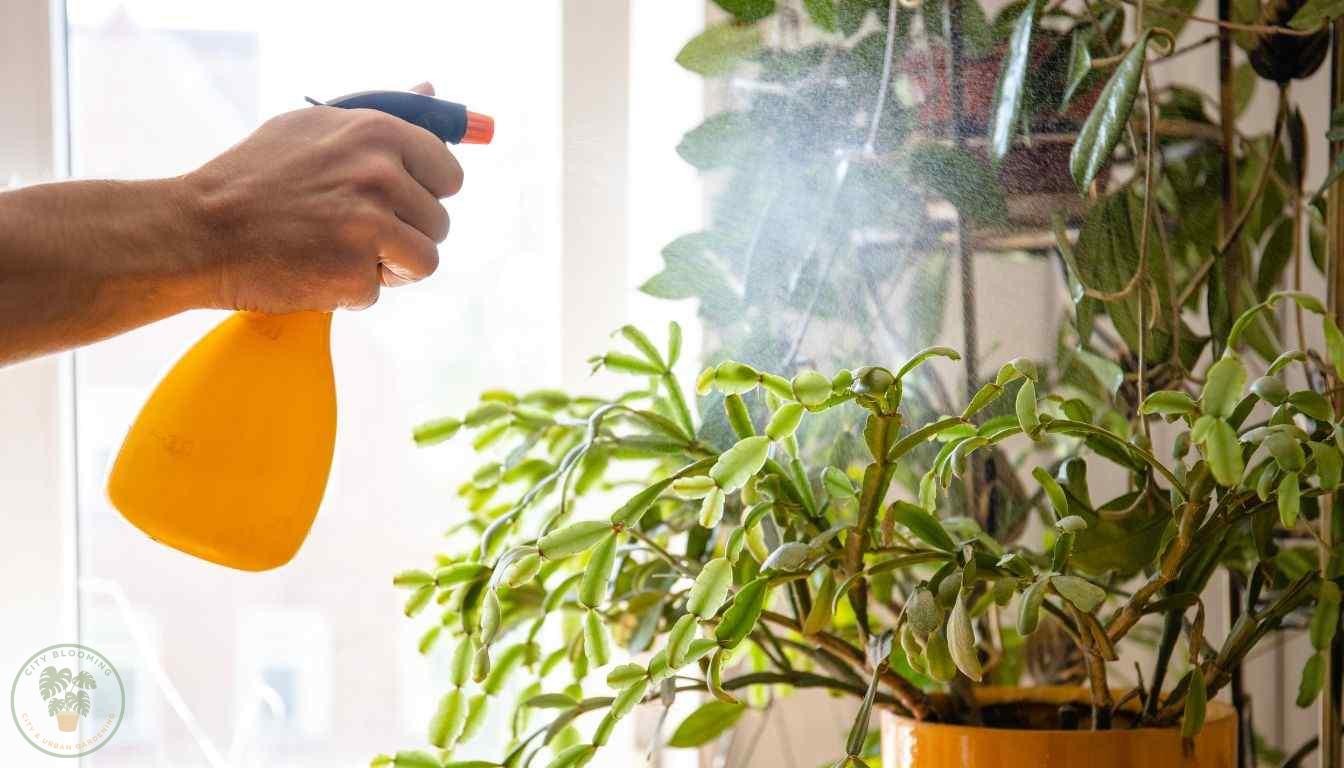
Air plants have unique moisture requirements that differ from those of traditional houseplants. You’ll need to adjust your misting strategy based on your home’s humidity and the type of air plant you have.
How to Mist Properly
Here are the essential guidelines for misting air plants:
- Use a fine-mist spray bottle for even coverage
- Spray all surfaces of the plant, including hidden crevices
- Ensure the mist is light and gentle
- Allow plants to dry completely between misting sessions
Frequency of Misting
The ideal misting frequency depends on your environment:
- Summer: Mist 3 to 7 times per week
- Winter: Reduce misting to 1 to 3 times per week
- Xeric species need less moisture compared to mesic varieties
Pro tip for air plant watering techniques: Always combine misting with occasional soaking to keep your air plants fully hydrated. If your air plant’s leaves start curling inward, it’s a sign that your air plant needs more moisture.

Remember, good air circulation is crucial after misting to prevent fungal growth and keep your air plants healthy.
Post-Watering Care for Air Plants
After watering, air plants need careful care to stay healthy. The time right after watering is key to stop dehydration and damage. Your care after watering can greatly affect your air plant’s health.
After soaking or misting, it’s important to dry them right. Here are some steps to keep your air plants healthy:
- Place plants on a dish towel or drying rack
- Position plants sideways or upside down
- Allow complete air drying within 1-2 hours
- Avoid direct sunlight during the drying process
Signs of Overwatering
It’s important to know when you’re overwatering your air plants. Look out for these signs:
- Darker base coloration
- Mushy or soft roots
- Yellowing leaves
- Leaves falling off unexpectedly
Signs of Underwatering
To prevent dehydration, know the signs of not enough water:
- Wrinkled or curling leaves
- Crisp or dry leaf edges
- Leaves turning brown
- Significant leaf shrinkage
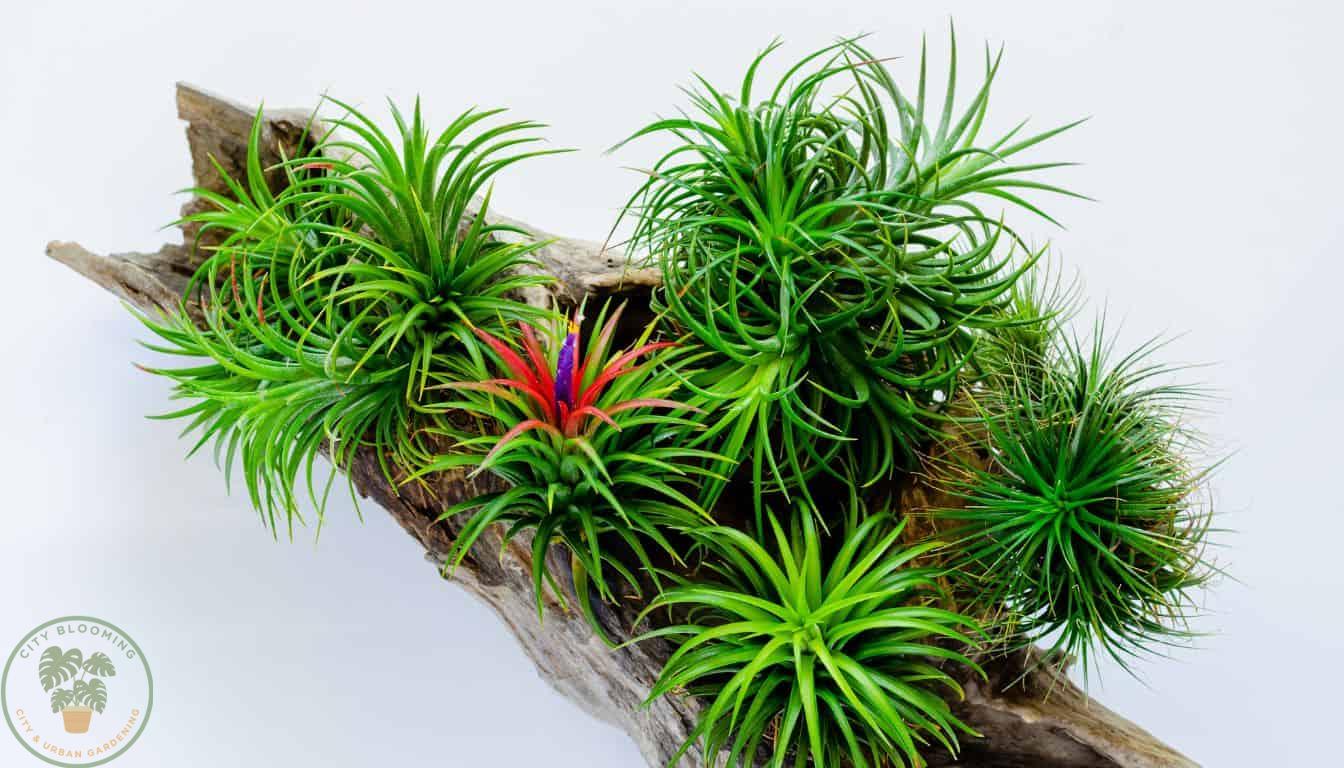
Remember, every air plant is different. Watch your plant closely and adjust your care as needed. Regularly checking on your plant is crucial for its health.
Troubleshooting Common Issues
Keeping air plants healthy means watching them closely and acting quickly when problems arise. Even with great care, air plants can face challenges.
Air plants can face many issues that affect their health. Spotting these signs early helps avoid lasting damage and keeps your plants thriving.
Identifying Browning Leaves
Browning leaves can mean a few things:
- Too much direct sunlight
- Not enough humidity
- Bad watering methods
- Mineral buildup from tap water
Understanding Limp or Droopy Plants
Limp or droopy air plants often point to hydration problems. Your plant might be:
- Not getting enough water
- Stressed from its roots
- Experiencing temperature changes
- Lacking essential nutrients
Here’s a detailed guide to help figure out what’s wrong with your air plant:
| Symptom | Potential Cause | Recommended Action |
|---|---|---|
| Curling Leaves | Dehydration | Increase watering frequency |
| Brown Leaf Tips | Low Humidity | Mist plant regularly |
| Soft, Mushy Base | Overwatering | Reduce watering, ensure proper drying |
Watching your plants closely and gentle intervention can help them bounce back. Remember, each air plant is different. Knowing what your plant needs is crucial for good care.
Additional Care Tips for Air Plants
Keeping air plants healthy is more than just watering. They need special care to do well at home. Knowing what they need helps you create the best environment for them.
Air plant care is more than just water. These plants have unique needs that affect their health and appearance.
Light Requirements for Optimal Growth
Air plants prefer bright, indirect light. This is similar to their natural environment. Here are some important light tips:
- Avoid direct sunlight, which can burn their delicate leaves
- Place near windows with filtered light
- Fluorescent office lighting works well for indoor plants
- Maintain temperatures between 60-80°F for best results
Creative Potting and Mounting Options
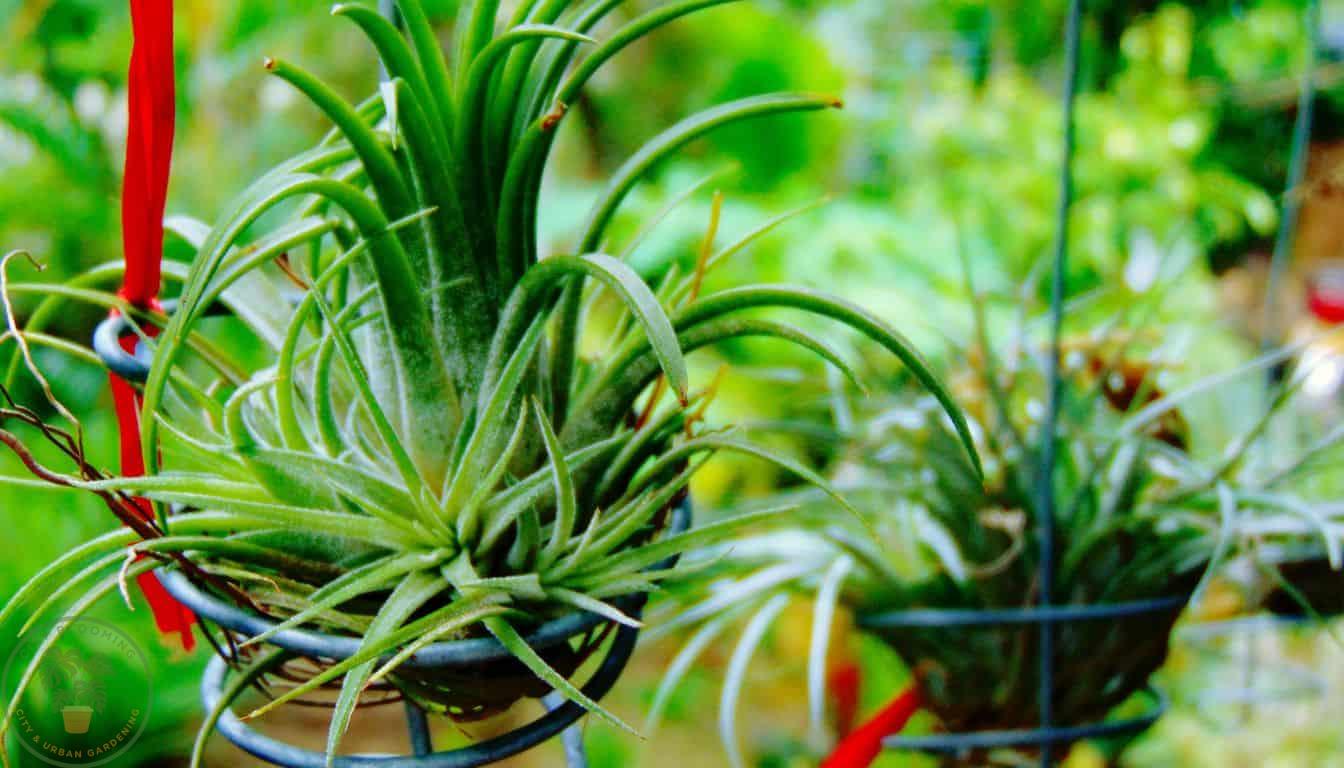
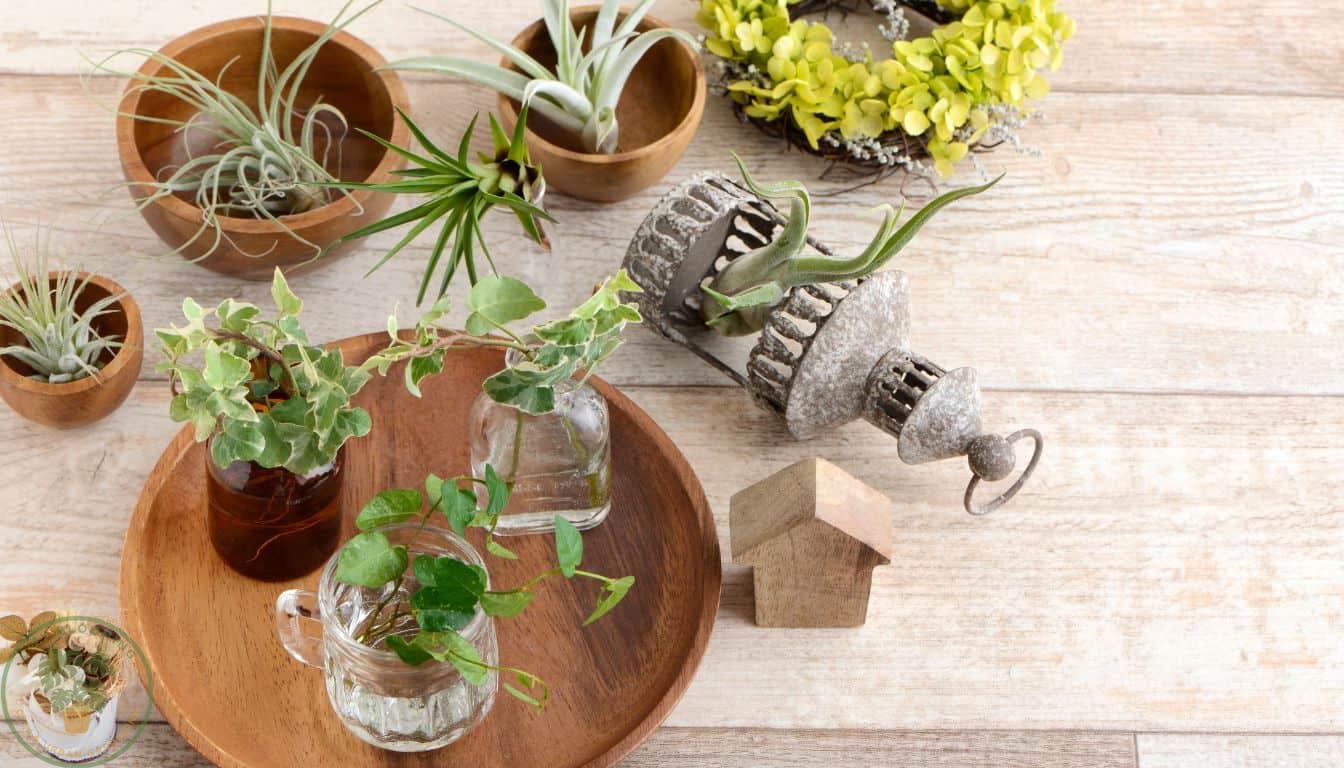
You can display air plants in many creative ways. These not only look great but also help them grow. Here are some mounting ideas:
- Glass terrariums with proper ventilation
- Wooden mounting boards
- Decorative wire holders
- Hanging glass globes

Pro tip for keeping air plants healthy: Make sure your display allows for air flow and easy watering access.
Remember, air plants absorb water and nutrients through their leaves, so their display location matters!
By understanding these care tips, you can help your air plants thrive in your home or office.
When to Fertilize Air Plants
Understanding the nutritional needs of air plants is key to their health. Fertilization is vital for their growth and vibrant blooms. Unlike regular plants, air plants need special nutrients.
- Potassium
- Nitrogen
- Phosphorous
Choosing the Right Fertilizer
Choose water-soluble fertilizers made for Tillandsia. Experts suggest using fertilizers from North and South America. Avoid fertilizers containing copper or zinc, as they can be toxic.

Frequency of Fertilization
Fertilizing air plants right is crucial. Here’s a quick guide:
| Fertilization Aspect | Recommended Practice |
|---|---|
| Dilution Rate | 1/4 of recommended strength |
| Frequency | Monthly during active growth |
| Application Method | Spray or mist directly on leaves |
Remember, the right fertilizer mix lasts a few months. By following these tips, your air plants will thrive and bloom beautifully.
Frequently Asked Questions (FAQs): How to Water an Air Plant
How often should I water my air plants?
Can I use tap water to water my air plants?
How long should I soak my air plants?
What are signs that my air plant needs water?
Can I mist my air plants instead of soaking?
What’s the best way to dry my air plants after watering?
Can air plants survive in direct sunlight?
How do I know if I’m overwatering my air plants?
Do air plants need fertilizer?
How long do air plants typically live?
Final Thoughts on Air Plant Care
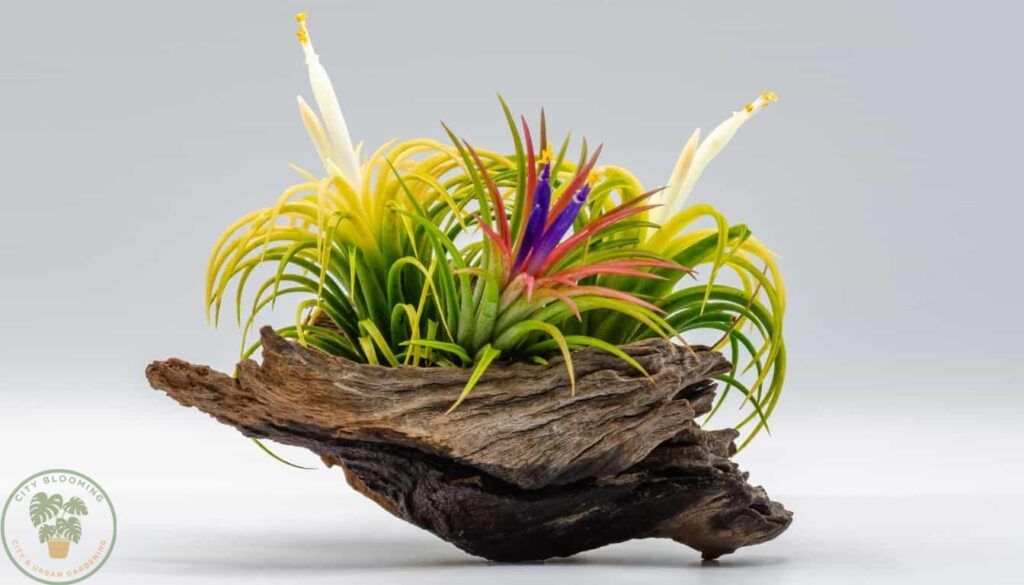
Learning about air plant care is a fun mix of science and creativity. With over 600 Tillandsia species, you can make your care unique. Knowing how to water them is just the start of growing a beautiful indoor collection.
But air plant care is more than just watering. These plants not only look great but also improve your air quality and reduce stress. By focusing on their needs, such as light, humidity, and water, you’ll help them thrive.
Product offers are temporarily unavailable.
Enjoying Your Air Plants
Try different air plants like Tillandsia Xerographica or Ionantha to find the best fit for your home. Each plant is special, and learning its signals is part of the fun. Adjust your watering based on your environment and the plant’s needs.
Resources for Further Learning
Keep learning about air plants through botanical gardens, online forums, and plant care communities. The more you know, the more rewarding caring for them will be. Your adventure with these amazing plants is just starting!
Further Recommendations:
- Best Indoor Greenhouse
- Bucket Gardening
- Why are my plants drooping?
- How to care for an air plant
- Hydroponic Gardening
- How to Keep Pigeons Off the Balcony?
- Best Patio Furniture Covers
- Patio Pet Games
- Best Kitchen Composters
- Eco-Friendly Homes – Sustainable Living
- Best Soil For Snake Plants
- How to Build a Patio Cover
- Houseplant Happiness! A Guide on How to Clean Plant Leaves Effectively
- 10 Best Indoor Gardening Books
- How to Stop Ants Nesting in Plant Pots
- What Plants Don’t Like Epsom Salt?
- How to Plant Carrot Seeds
Video: Air plants 101
Reference Links
- All About Air Plants – Iowa State Extension
- Plants Clean Air and Water for Indoor Environments – NASA
- Plant of the Week: Tillandsias – the air plants – UADA



Leave a Reply