

In the busy cities of California, balconies are a rare spot of nature. Balcony gardening, particularly balcony container gardening, is becoming more popular, turning these areas into lively, green spots.
As urban gardening grows in demand, more Californians are using their balconies for gardening. Imagine your balcony garden doing more than just making your space look nice. It could also improve your mental health, connect you with nature, and provide fresh produce.
In most American states, there are balcony safety laws. For example, before starting your balcony garden, please ensure it follows California’s balcony safety laws, SB 326 and SB 721.
This guide will show you how to create beautiful urban gardens safely. Does this sound exciting? Let’s explore balcony container gardening together.
Key Takeaways
- Please know your local balcony safety laws to ensure your balcony garden is safe.
- It’s important to check how much sunlight your balcony gets to pick the right plants.
- Remember the weight limit of your balcony to avoid any damage.
- Good watering and drainage are crucial for a thriving balcony garden.
- Balcony gardens can be anything from gardens with food to places where pollinators thrive.
The Rise of Urban Gardening
Finding space to connect with nature in a busy city can take time and effort. But urban gardening is changing that. More people are growing plants on balconies, patios, and rooftops. They want to make a personal oasis, grow food, and feel close to nature, even in the city.
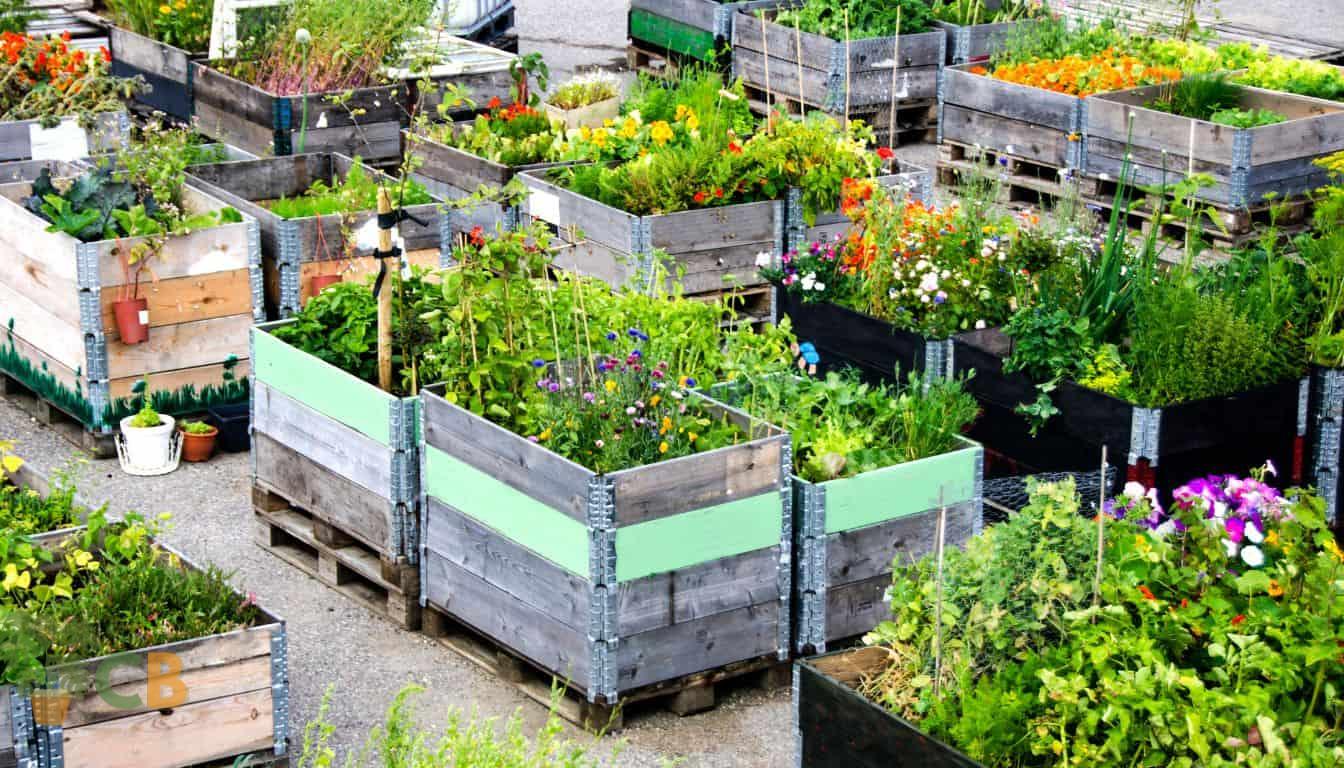
Benefits of Balcony Gardening
Balcony gardening has many perks for city folks. It’s a quiet escape from city life, letting you grow fresh herbs, veggies, and flowers at home. This saves money and ensures your food is fresh and healthy. Plus, it helps clean the air, lowers stress, and supports local wildlife, improving the city.
Connecting with Nature in the City
More people living in cities want to stay close to nature. Balcony gardens and urban farms help with that. They turn city spaces into green havens. Growing plants on balconies lets people enjoy the happiness of watching life grow and feel peace in the busy city.
“Urban gardening transforms urban landscapes, creating green spaces that sprawl across rooftops, walls, and hang from balconies.” – Mark Bratche, Urban Gardening and Landscaping Specialist.
Urban gardening is getting more popular, and for good reason. It offers many benefits, like fresh food and a closer bond with nature. Balcony gardening and small-space gardening are now vital parts of city living.
Choosing the Right Plants
Choosing the right plants for your balcony garden is key. Think about how much sunlight your balcony gets each day. For south or west balconies, pick plants that love the sun. Go for plants that can handle less sun for north or east balconies.
Also, think about the size of your balcony. Pick compact plants for balconies or space-saving plant varieties that will grow manageable.
Sunlight Requirements
It’s important to know how much sun different plants need. Some plants love full sun, while others do better in shade. Could you check how much sun your balcony gets to pick the right sun-loving or shade-tolerant plants?
Choosing drought-tolerant plants for balconies is smart if you can only water them sometimes.
Space-Saving Varieties
Container gardening is limited in space. To save space, pick compact plants and use vertical gardening. Look for plants that stay small or trail. Hanging baskets and vertical gardens are great for using your balcony’s height.
“The key to a successful balcony garden is choosing the right plants that thrive in the unique conditions of your space.” – Mark Bratche, Urban Gardening and Landscaping Specialist.
When picking plants, consider sunlight and space. This way, you can make a beautiful balcony container garden. With some planning and the right plants, your balcony can be a peaceful spot in the city.
Balcony Container Gardening Essentials
Starting your balcony garden is exciting. It begins with choosing the right containers and potting mixes. These essentials are crucial for a successful balcony garden, whether you’re new or experienced.
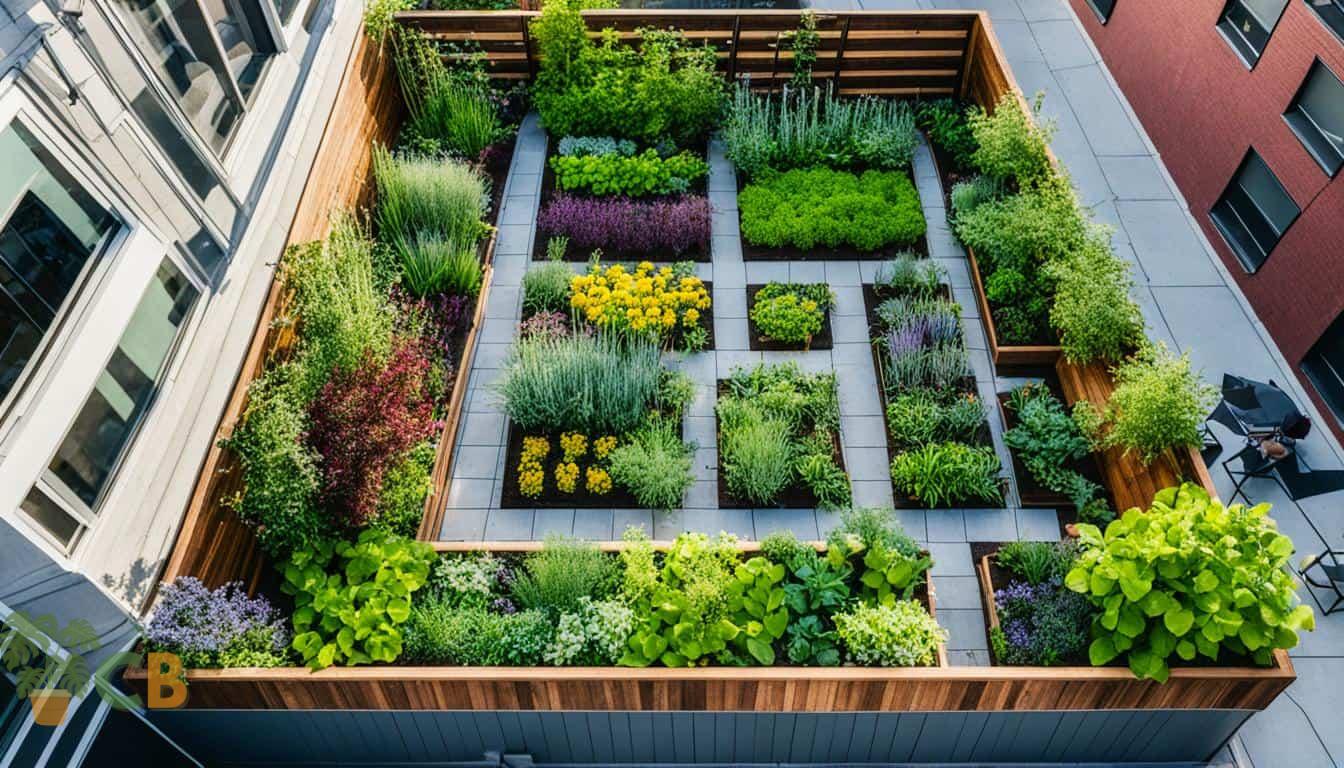
Selecting Containers
For balcony gardening, choose containers that are light and strong. Plastic, fiberglass, or resin are great options. Please ensure they have drainage holes to keep the soil dry and healthy for your plants.
Potting Mixes and Soil
Don’t use regular garden soil for containers. Instead, could you pick a potting mix made for small spaces? These mixes drain well and have organic matter for your plants to grow strong.
| Essential Balcony Gardening Supplies | Purpose |
|---|---|
| Watering cans | Simulate rain and prevent soil splashback |
| Trowels | Dig and loosen compacted soil in containers |
| Pruners | Provide clean cuts for plant maintenance |
| Organic pesticides | Manage pests in a safe, eco-friendly manner |
| Support sticks and strings | Provide structural support for climbing plants |
| All-purpose liquid or pellet fertilizers | Maintain healthy plant growth |
With the right containers and mixes, you’re on your way to a beautiful balcony garden. It will bring nature’s beauty right to your doorstep.
Maximizing Vertical Space
When it comes to vertical gardening for balconies, the possibilities are endless! Using balcony shelves and trellises, you can make the most of your small space and create a lush, vibrant balcony garden design.
One way to maximize balcony space is to grow plants vertically. Plants like tomatoes, cucumbers, and peas can climb up balcony shelves and trellises, freeing up floor space for other plants or seating.
Hanging baskets are also great for growing plants vertically on balconies. They let you add more greenery without using up a lot of space.
When planning your vertical gardening for balconies, consider what your plants need. Some plants need more support or different structures to do well.
You can create a beautiful and useful small-space gardening area by picking space-saving varieties and arranging your balcony garden design.
Maximizing balcony space is all about being creative and thinking vertically. You can turn your urban balcony into a lush, productive garden with the right ideas. This garden will look great and be useful, too.
Edible Balcony Gardens
Turn your balcony into a lively spot for growing your food. It’s a great way to enjoy fresh produce and be eco-friendly. Even with a small balcony, you can grow herbs, veggies, and tiny fruit trees.

Growing Herbs and Vegetables
You can start your balcony garden with herbs. Plants like basil, parsley, mint, and cilantro do well in pots, making your balcony look and taste better. You can also grow veggies like tomatoes, peppers, lettuce, and spinach right by your kitchen.
Small Fruit Trees in Containers
If you have a bit more room, consider adding small fruit trees. Dwarf citrus, figs, or tiny apple trees can bring fresh fruit and beauty to your balcony. These trees yield a good harvest and make your garden look taller and fuller.
| Crop | Percentage of Edible Balcony Garden |
|---|---|
| Herbs | 60% |
| Tomatoes and Chili Peppers | 40% |
| Crops Grown in Containers | 70% |
| Crops Grown Vertically | 30% |
| Yellow Tomato Varieties | 50% |
| Cayenne and Thai Chili Peppers | 100% |
| New Crop Additions | 20% |
Choose plants that save space and use vertical gardening to make your balcony a lush garden. You can grow herbs, veggies, and small fruit trees for fresh flavors at home.
Creating a Pollinator Paradise
Turning your balcony into a balcony pollinator garden is a rewarding project. You’ll draw bees and butterflies by adding different flowering plants for balconies. This urban gardening for pollinators makes your space look great and helps nature.
Attracting Beneficial Insects
Plant nectar-rich flowers to make a balcony garden where pollinators thrive. Experts recommend grouping plants for better visibility. Having 5-7 of the same plant type is best for attracting pollinators.
You can also help pollinators by offering them water and shelter. Use shallow bird baths or containers with pebbles for bees. Leave groundcovers and leaf litter alone to shelter them.
Flowering Plants for Balconies
Choose flowering plants that are suitable for balconies with small spaces. Great options include lavender, sunflowers, salvia, and milkweed.
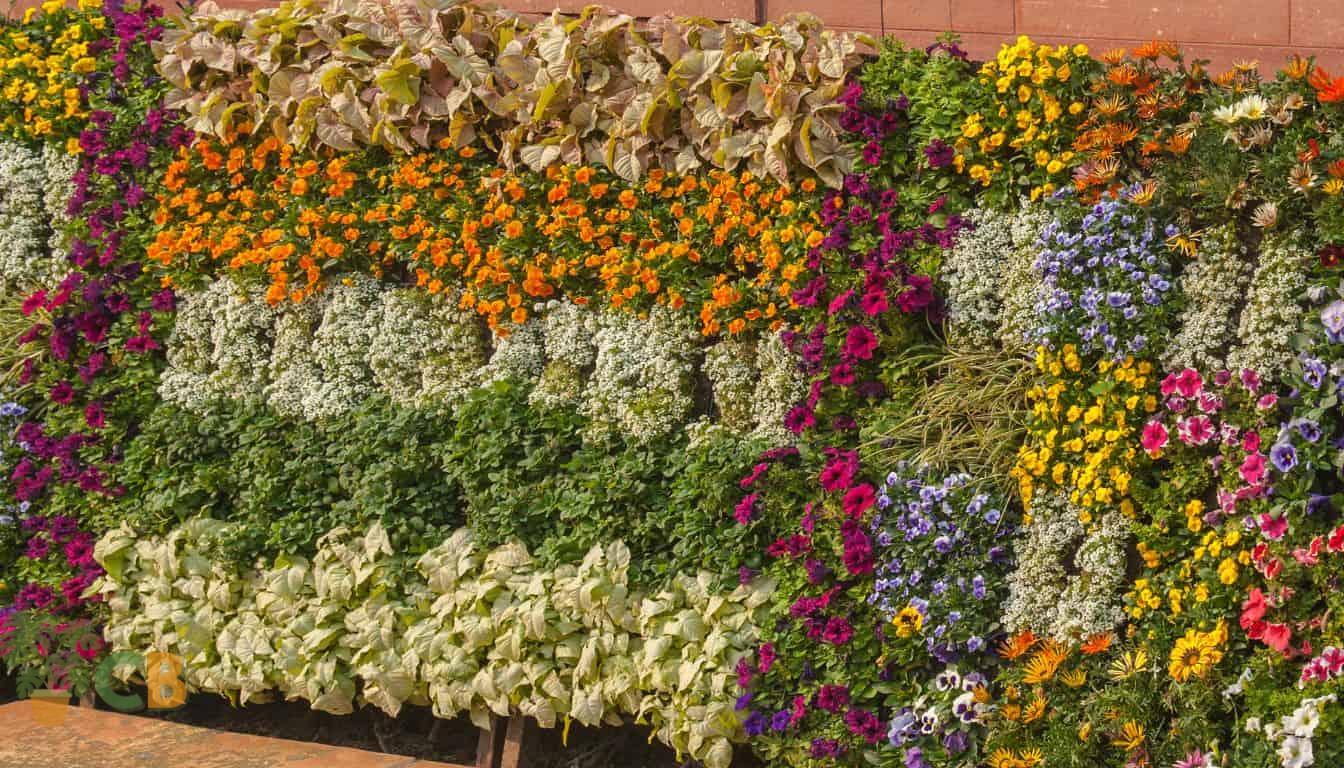
Adding compost to the soil helps plants absorb and hold water better, perfect for your balcony pollinator garden.
With a mix of container gardening for pollinators, your balcony can become a haven for nature. Enjoy the beauty of urban gardening for pollinators and see your balcony turn into a pollinator paradise.
Watering and Fertilizing Tips
Keeping a balcony garden healthy means paying close attention to watering and fertilizing. Balcony gardens dry out fast because pot soil can dry quickly.
Water your plants when the top inch of soil feels dry. This helps the roots get the water they need for growth.
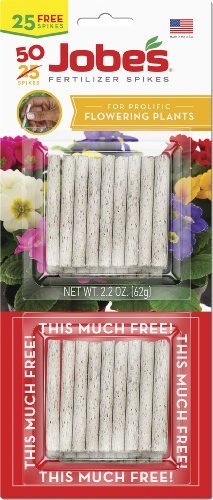
Feeding your balcony plants with a balanced fertilizer is essential, but be careful to do what is necessary. Follow the fertilizer instructions closely.
Most plants do well with a liquid fertilizer every two to three weeks or a slow-release one that lasts three months.





Use mulch around your plants to moisten the soil and prevent water loss. Good options include grass clippings, natural fabrics, straw, or coconut coir.
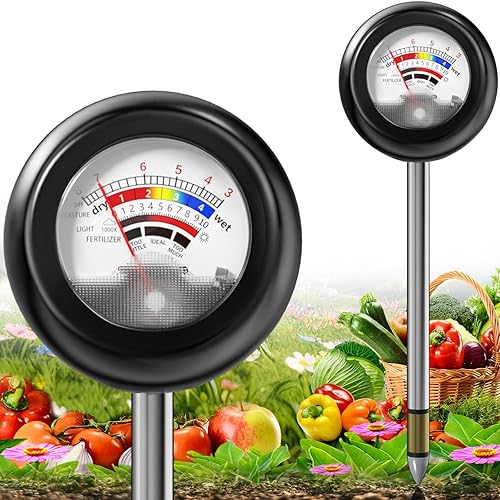
Check the soil often and water when it’s dry, but don’t let it get too wet, as this can cause the nutrients to wash away.
| Watering Tips | Fertilizing Tips |
|---|---|
| Water when the top inch of soil is dry. Water the entire root zone. Apply a mulch layer to retain moisture. Avoid waterlogged soil conditions | Use a balanced liquid fertilizer. Apply every 2-3 weeks for water-soluble. Use slow-release fertilizer every three months. Follow label instructions to avoid over-fertilizing |
Keeping up with watering and fertilizing will keep your balcony garden healthy and beautiful all season.
Pest and Disease Management
Keeping your balcony garden healthy means watching out for pests and diseases. Aphids and spider mites can quickly harm your plants. But you can fight them off with organic methods and stay ahead.
Common Pests and Diseases
Common pests in balcony gardens include fungus gnats, mealybugs, aphids, scale insects, and spider mites. These pests can weaken your plants and spread diseases. Fungal infections like powdery mildew are also common.
Organic Control Methods
- Introduce beneficial insects: Ladybugs, lacewings, and ground beetles eat pests and help control them.
- Use neem oil or insecticidal soaps: These organic pesticides are safe for your plants and the environment.
- Make your own pest-repelling sprays: Garlic, chili peppers, and vegetable oil can keep pests away.
- Maintain plant health: Healthy plants are less likely to get pests and diseases.
- Regularly inspect and clean your containers: Remove any sick or infested plants to stop problems from spreading.
By being vigilant and using these organic methods, you can keep your balcony garden pest-free and healthy. With some care, you’ll enjoy your urban oasis to the fullest.
“The key to successful pest and disease management in a balcony garden is a combination of proactive monitoring, natural solutions, and maintaining the overall health of your plants.” – Mark Bratche, Urban Gardening and Landscaping Specialist.
Balcony Container Gardening: A Step-by-Step Guide
Starting a balcony garden is a fun journey that turns your small space into a lush oasis. First, check how much sunlight your balcony gets. This helps you pick the best plants for your spot. With the right plants, your balcony can be a green haven.

Begin by growing plants from seeds indoors. Then, slowly get them used to the balcony with “hardening off.” This step makes sure they grow strong and healthy outside. Make sure to water and feed your plants well to help them grow.
- Use both organic and non-organic fertilizers to meet your plants’ needs.
- Add natural soil helpers like eggshells or banana peels for nutrients.
- Try water-soluble fertilizers like 24-8-16 for greens and 18-18-21 for tomatoes.
- Use lime and Garden Lime to balance soil pH and prevent blossom end rot in tomatoes.
During the growing season, watch your garden for pests or diseases. Use safe, natural ways to control them, like introducing helpful insects or natural pesticides. With careful planning and upkeep, your balcony garden can be peaceful and source fresh produce.
Starting step-by-step balcony gardening means starting small and having fun. Whether you’re starting a balcony garden, planting a balcony garden, or growing a container garden on a balcony, the joy of it is unmatched. It connects you to nature and your city life.
Designing Your Balcony Oasis
Now that your balcony garden is in full bloom, it’s time to finish it. Add comfy outdoor furniture like chairs, benches, or hammocks.
This lets you relax in the greenery of your balcony garden design. Use decorative items like lanterns, string lights, and wind chimes to make your balcony decor cozy and welcoming.
Seating and Accessories
For balcony furniture, choose items that can withstand the weather. Consider getting a cozy bench or chairs for comfy seating. Add small side tables or plant stands to showcase plants or decorations, making your outdoor living on balconies even better.
Creating Privacy and Ambiance
If you want more privacy on your balcony, consider using trellises, screens, or tall plants. These can make you feel hidden while adding to the balcony’s aesthetics.
Adding water features like fountains or birdbaths can create calming sounds and movement, making your balcony oasis even more peaceful.
“Transforming your balcony into a cozy and inviting outdoor retreat is a rewarding endeavor that can truly elevate your urban living experience.” – Mark Bratche, Urban Gardening and Landscaping Specialist.

Frequently Asked Questions About Balcony Container Gardening
Q: What are the best plants to grow on a sunny balcony?
A: For a sunny balcony, consider plants that thrive in full sun, such as succulents, herbs (like basil, rosemary, and thyme), petunias, geraniums, and marigolds. These plants grow well in containers and can tolerate the higher temperatures and direct sunlight often found on balconies or rooftops. Remember to water them more frequently, as sunny conditions can dry the soil quickly.
Q: How can I make a balcony garden in a limited space?
A: Use vertical gardening techniques to create a balcony garden in a small outdoor space. Use hanging baskets, window boxes, and railing planters to maximize your growing area. Consider a trellis for climbing plants and tiered plant stands or shelves. Choose compact plant varieties and use self-watering pots to reduce maintenance. Multi-functional furniture with built-in planters can also help optimize your limited space.
Q: What are the best containers for balcony gardening?
A: The best containers for balcony gardening depend on your specific needs and the conditions on your balcony. Options include:
1. Large pots for bigger plants or vegetables.
2. Hanging baskets for trailing plants
3. Window boxes for herbs or small flowers
4. Railing planters to save floor space
5. Self-watering pots for low maintenance
6. Fabric grow bags for lightweight options
7. Ceramic pots for a decorative touch.
Choose containers with good drainage and consider the weight capacity of your balcony floor.
Q: How do I grow vegetables on a balcony?
A: To grow vegetables on a balcony:
1. Choose compact varieties suitable for containers
2. Use large pots (at least 12 inches deep) with drainage holes
3. Ensure your balcony receives at least 6 hours of sunlight daily
4. Water consistently and fertilize regularly
5. Support climbing vegetables with trellises or cages
6. Consider dwarf varieties of tomatoes, peppers, lettuce, and herbs
7. Use self-watering containers to maintain consistent moisture.
Please remember that vegetables need more care and resources than ornamental plants, so be prepared for more frequent watering and fertilizing.
Q: How can I design a balcony garden for a shady balcony?
A: For a shady balcony garden:
1. Choose shade-loving plants like ferns, hostas, and impatiens.
2. Use light-colored pots to reflect the available light.
3. Incorporate plants with exciting foliage textures.
4. Add mirrors to reflect light and create depth.
5. Use artificial lighting to supplement natural light.
6. Group plants with similar light requirements together.
7. Consider shade-tolerant herbs like mint and parsley.
Remember that even shade-loving plants need indirect light, so observe your balcony’s light patterns throughout the day.
Q: What are some tips for gardening on windy balconies?
A: For gardening on windy balconies:
1. Use heavy, sturdy planters to prevent tipping.
2. Choose wind-resistant plants with flexible stems.
3. Create windbreaks with trellises or privacy screens.
4. Group plants together for mutual protection.
5. Avoid tall, top-heavy plants.
6. Secure hanging baskets and lightweight pots.
7. Water more frequently as the wind can dry out the soil quickly.
8. Use low-growing, compact plants in exposed areas.
Consider the direction your balcony is exposed to and plan your garden layout accordingly.
Q: How do I ensure proper drainage for my balcony container garden?
A: To ensure proper drainage:
1. Use pots with drainage holes at the bottom
2. Place a layer of gravel or broken pottery shards at the bottom of the pots
3. Use well-draining potting soil designed for containers
4. Avoid overwatering by checking soil moisture before watering
5. Place saucers under pots to catch excess water
6. Elevate pots slightly to allow water to flow freely
7. Clean drainage holes periodically to prevent clogging.
Proper drainage is crucial for plant health and to protect your balcony floor from water damage.
Q: What are some low-maintenance plants for beginner balcony gardeners?
A: For beginner balcony gardeners, consider these low-maintenance plants:
1. Succulents and cacti
2. Snake plants
3. Pothos
4. Geraniums
5. Lavender
6. Herbs like rosemary and thyme
7. Spider plants
8. Petunias
These plants are generally resilient, adapt well to container life, and can tolerate some neglect, making them ideal for new gardeners or those with busy lifestyles.
Final Thoughts on Balcony Container Gardening
Exploring balcony container gardening has shown me how small spaces can become lush gardens. I’ve filled my balcony with balcony vegetable garden produce using small-space gardening tips. It’s also become a place of beauty with balcony gardening ideas.
I picked the right plants and placed containers smartly. I designed a balcony garden with container gardening tips that feed and calm me. Tending to my garden is now a special part of my day. It connects me to nature in the city.
I’m eager to try new things in balcony container gardening. I want to see what new plants and methods work. With effort and love, anyone can make their balcony a green haven. This hobby is rewarding and good for the planet. Happy gardening.
Further Recommendations:
- Best Low-light Indoor Plants
- Patio Gardening for Apartments
- Best Indoor Greenhouse
- Why are my plants drooping?
- How to care for an air plant
- Hydroponic Gardening
- How to Keep Pigeons Off the Balcony?
- Best Patio Furniture Covers
- Patio Pet Games
- Best Kitchen Composters
- Eco-Friendly Homes – Sustainable Living
- Best Soil For Snake Plants
- How to Build a Patio Cover
- Houseplant Happiness! A Guide on How to Clean Plant Leaves Effectively
- 10 Best Indoor Gardening Books
- How to Stop Ants Nesting in Plant Pots
- What Plants Don’t Like Epsom Salt? Garden Tips for Using Indoors and Outdoors
- Best Stone Tile for Patios
- How to Plant Carrot Seeds
Video: Balcony Gardening: Growing My Own Vegetables
Reference Links
- Balcony Gardening Basics – MGNV
- Container Gardening – OSU
- Fertilizing and watering container plants – UMN

Leave a Reply