
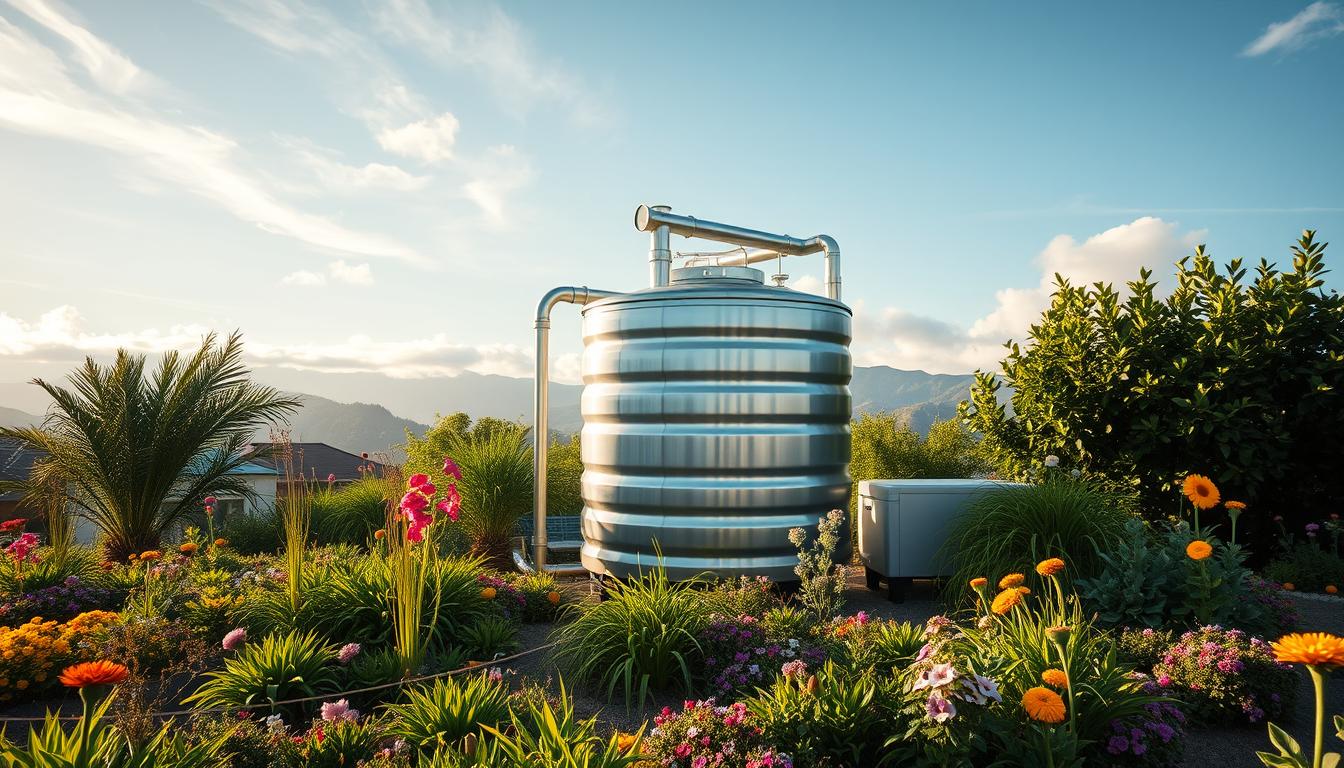
Ever thought about cutting your water bill and helping the planet? Water conservation is more than just a trend; it’s a real way to make a difference. By harvesting rainwater, I turned every drop into a valuable asset for my home and garden.
My adventure with rainwater harvesting began with a simple question. What if we could capture rainwater instead of letting it go to waste? This idea has significant potential for anyone looking to reduce their environmental impact and save money.
Through water conservation, I found that rainwater collection isn’t just for farms or countryside homes. Even city dwellers can benefit significantly from it, turning waste into a valuable resource.
Key Takeaways
- Rainwater harvesting reduces water bills dramatically
- Collection systems work in urban and rural environments
- Every rainfall is an opportunity for water conservation
- Sustainable living starts with simple, actionable steps
- Water independence is achievable through smart collection methods
What Is Rainwater Harvesting?
Rainwater harvesting is a water-saving practice that’s changing how we think about water. It captures, collects, and stores rainwater for different uses. This turns rain into a valuable resource for homes and gardens.
Consider using rainwater as your water supply. This reduces the need for city water. A rainwater collection system is a green way to manage water.
Understanding the Fundamental Concepts
The idea of rainwater harvesting is easy to grasp. Rainwater can be:
- Collected from rooftops
- Channeled through gutters
- Filtered and stored in tanks
- Used for irrigation, cleaning, and other non-potable purposes
Why Rainwater Harvesting Matters
Let’s look at why this practice is important:
| Water Source | Environmental Impact | Cost Efficiency |
|---|---|---|
| Municipal Water | High energy consumption | Expensive |
| Rainwater Harvesting | Low carbon footprint | Cost-effective |
The advantages go beyond saving money. Every gallon of rainwater collected is a gallon saved in our water systems. It’s a small action that helps a lot with water conservation.
“Water is the driving force of all nature.” – Leonardo da Vinci
By using a rainwater collection system, we can live more sustainably. We reduce our environmental impact, one raindrop at a time.
Benefits of Rainwater Harvesting
Rainwater harvesting has many benefits for homeowners and the planet. It’s a key part of water management and eco-friendly living. This approach changes how we conserve water.

Environmental Impact
Using a rainwater harvesting system has big environmental pluses:
- Reduces stormwater runoff and erosion
- Minimizes water pollution from surface runoff
- Decreases demand on municipal water supplies
- Protects local water ecosystems
Cost Savings Over Time
My own experience shows significant financial gains:
- Dramatically reduced water utility bills
- Lower landscaping and gardening expenses
- Potential tax incentives for eco-friendly practices
Self-Sufficiency in Water Supply
Rainwater harvesting makes homeowners more water independent. By collecting and storing rainwater, you have a reliable water source for:
- Irrigation
- Toilet flushing
- Laundry
- Outdoor cleaning
“Water management isn’t just about conservation, it’s about creating sustainable solutions for our future.” – MB
The long-term benefits of rainwater harvesting extend beyond water conservation. They help us live more sustainably and care for the environment.
Components of a Rainwater Harvesting System
To build an effective water storage system, you need to know the key components. Rainwater harvesting helps make your property more water-efficient.
A good rainwater system has several important parts. They work together to catch, store, and use water well.
Roof Catchment Areas: Your Water Collection Surface
The roof is where rainwater first falls. The type of roof affects the quality of the water. Metal and tile roofs typically produce cleaner runoff than asphalt shingles.
- Metal roofs: Highest water quality
- Tile roofs: Good water collection surface
- Asphalt shingles: Requires additional filtration
Gutters and Downspouts: Water Transportation System
Gutters and downspouts are essential for directing water from your roof to the tanks. They must be installed correctly to catch as much water as possible and keep it clean.
| Gutter Material | Water Quality Impact | Durability |
|---|---|---|
| Galvanized Steel | Good | High |
| Aluminum | Excellent | Medium |
| PVC | Very Good | Low |

Storage Tanks: Preserving Your Harvested Water
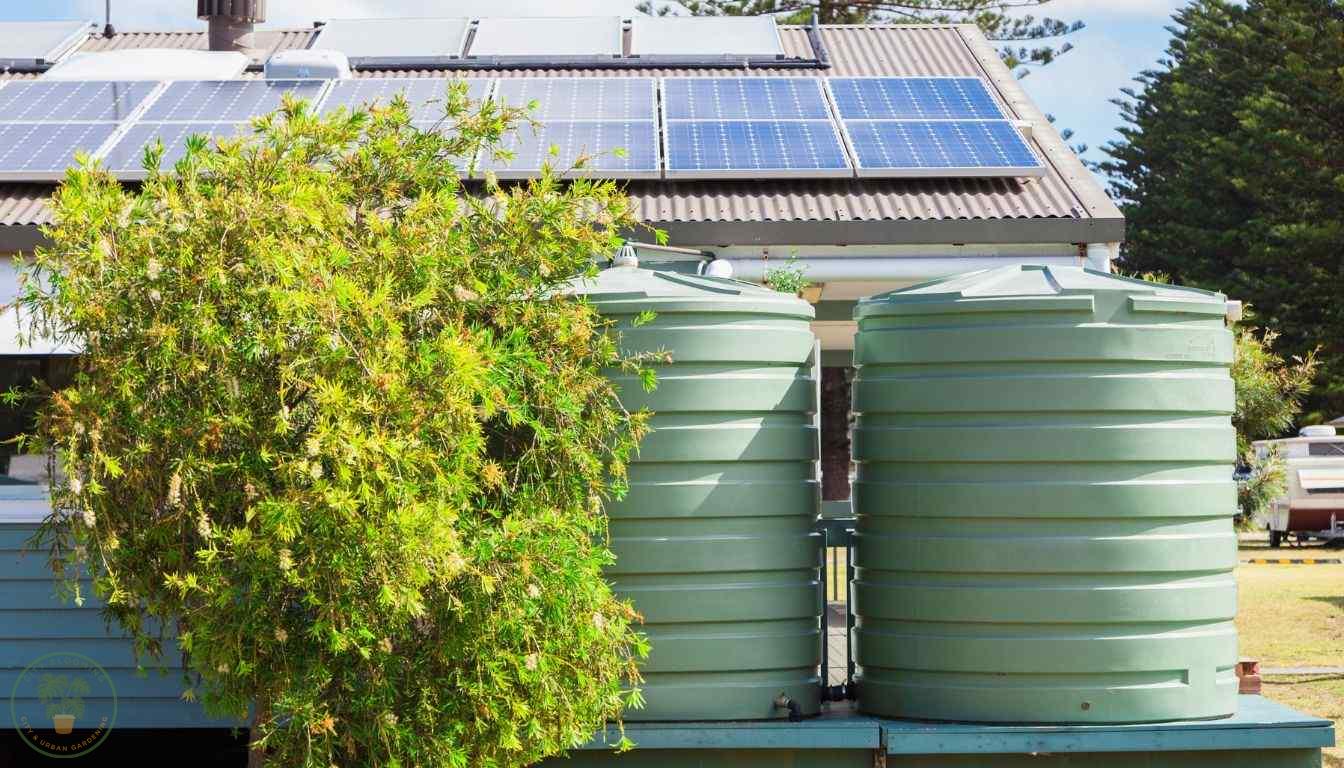
Storage tanks are the core of a rainwater system. Choosing the right tank is key to saving water. Consider the material, size, and placement when selecting a tank.
- Underground concrete tanks: Maximum space efficiency
- Polyethylene tanks: Lightweight and cost-effective
- Stainless steel tanks: Long-lasting durability
By selecting and using these components effectively, you can build a strong rainwater system. It helps manage water sustainably at home.
How to Get Started with Rainwater Harvesting
Starting a rainwater harvesting journey needs careful planning. Understanding your property and local conditions is key. Rainwater harvesting is a smart way to manage water sustainably.
First, you must assess your property for rainwater harvesting. This step is vital to know what’s possible and what’s not.
Evaluating Your Property’s Potential
When checking your property for rainwater harvesting, look at these factors:
- Roof size and material
- Annual rainfall in your area
- Local terrain and drainage
- How much water might you use
Determining System Size
Getting the right size for your rainwater system is crucial. Calculate your water needs based on:
- How much water does your home use
- How much do you need for irrigation
- How much storage do you have
- Local rainfall patterns
Understanding Local Regulations
Every area has its own rules for collecting rainwater. Talk to local water authorities to learn about:
- Allowed collection methods
- Permits needed
- Incentives or rebates
- Water usage limits
Pro tip: Local agricultural extension offices can offer great advice on setting up rainwater harvesting systems for your area.
Maintenance of a Rainwater Harvesting System
Maintaining a rainwater harvesting system is key to living sustainably and managing water effectively. A well-maintained system delivers clean water, performs at its best, and lasts longer. I’ve learned that regular care can make your rainwater setup last longer.

- Do system checks every three months
- Regularly clean the surfaces that collect water
- Look for anything that could make the water dirty
- Make sure the filters are working right
Regular Cleaning Routines
It’s vital to keep your rainwater system clean to maintain water quality. I suggest making a cleaning plan that includes:
- Clearing debris from where the water first collects
- Flushing out the gutters and downspouts
- Washing the inside of the storage tank once a year
Inspecting Roof and Gutters
Your roof and gutters are essential for collecting water. Regular checks can prevent issues and keep the system running. Look for:
- Any damage to the roof
- Gutters that are not straight
- Signs of rust or wear
Monitoring Water Quality
| Inspection Frequency | Key Tests | Recommended Action |
|---|---|---|
| Every 6 months | pH Levels | Check for potential contamination |
| Annually | Bacterial Content | Professional water quality test |
| As needed | Sediment Buildup | Clean storage tanks |
By following these maintenance tips, your rainwater harvesting system will continue to perform effectively, supporting sustainable living and water management.
Common Misconceptions about Rainwater Harvesting
Rainwater harvesting is often misunderstood, which stops many from trying it. As someone who loves saving water, I’ve seen many myths that need to be cleared up.
Debunking the Rural-Only Myth
Many think rainwater harvesting only works in rural areas. But cities all over the U.S. have shown this isn’t true. Urban areas can also use rainwater collection systems.
- Urban rooftops provide excellent catchment areas.
- Balconies and small spaces can support collection systems.
- Many metropolitan areas actively encourage rainwater harvesting.

Water Quality Concerns
Some worry that rainwater is polluted. But rainwater is clean until it hits surfaces. With the right filters and storage, it’s safe for many uses.
| Misconception | Reality |
|---|---|
| Rainwater is dirty | Rainwater is naturally pure before surface contact |
| Harvesting is complicated | Simple systems can be easily implemented |
| Legal restrictions are widespread | Legal in 16+ U.S. states with supportive regulations |
Understanding the facts about rainwater harvesting can help dispel myths. Knowledge is the first step toward sustainable water management.
Rainwater Harvesting Techniques
Designing an effective rainwater collection system requires careful planning. It’s important to pick the right method for saving water. My experience shows that the right choice can significantly improve water conservation.
Rainwater harvesting uses various methods to capture and store water. Knowing these methods helps homeowners choose the best tanks and strategy for their needs.
Direct and Indirect Collection Systems
There are two main ways to collect rainwater:
- Direct Systems: Water goes straight from the catchment to the tanks
- Indirect Systems: Water goes through filters or treatments before being stored

Water Storage Tank Placement Options
Tanks can be placed in two main ways:
- They’re easy to put up
- They cost less at first
- Maintenance is simpler
- They keep the water at a better temperature
- They’re protected from sunlight
- They don’t show as much
Choosing the best rainwater harvesting method depends on your property, local climate, and water conservation goals. Each method has its own benefits for collecting and storing rainwater well.
The Role of Rainwater Harvesting in Drought-Prone Areas
Drought-prone areas face significant challenges in conserving water and using natural resources efficiently. Living in Southern California, I’ve seen how crucial new water management approaches are. Rainwater harvesting is a key solution for water-scarce regions.
Water conservation is even more critical in areas with limited rainfall. I’ve learned that even a little rain can become a valuable resource with the correct harvesting methods.
Urban Water Solutions
Cities are seeing significant benefits from using rainwater harvesting systems. They can cut down on using city water by collecting and storing rainwater for:
- Landscape irrigation
- Toilet flushing
- Washing vehicles
- Emergency water reserves
Community Water Projects
Local communities are developing creative ways to address water challenges. Successful projects demonstrate how collaboration can maximize the use of natural resources. Collaborative rainwater harvesting initiatives have changed water management in many drought-prone areas.
Rainwater harvesting isn’t just a personal solution, it’s a community strategy for water resilience.
By installing rainwater collection systems, communities can adopt sustainable water management practices. This approach helps reduce the load on traditional water systems and supports the environment.
DIY Rainwater Harvesting Projects

Living sustainably means saving water. Rainwater harvesting is a great way to do this. It helps the environment and saves money. Whether you’re new or experienced, it’s easy and rewarding.
Starting with rainwater harvesting is easy. I’ll show you simple steps to help you save water.
Simple Setups for Beginners
Here are some easy projects for beginners:
- Basic rain barrel installation under gutter downspouts
- Simple roof catchment systems
- Small-scale collection for garden irrigation
When choosing containers, pick from these two:
| Container Type | Capacity | Best For |
|---|---|---|
| 55-Gallon Drums | 55 gallons | Small gardens, beginner projects |
| IBC Totes | 275 gallons | Larger properties, extensive gardening |
Advanced Techniques for Enthusiasts
For those who want more, here are advanced ideas:
- Multi-tank interconnected systems
- Filtration and purification methods
- Integrated storage with drip irrigation
Pro tip: Always check local regulations before installing any rainwater collection system to ensure compliance with municipal guidelines.
Integrating Rainwater Harvesting with Other Conservation Methods
Water management is more than one strategy. I’ve found that mixing different environmental techniques leads to sustainable living. Rainwater harvesting is effective when paired with other methods, saving water and reducing use.
My home uses a mix of new water-saving practices and environmental protection measures. It’s all about knowing how these techniques work together.
Greywater Recycling: A Complementary Approach
Greywater recycling takes water saving to the next step. It uses water from sinks, showers, and washing machines for:
- Irrigating gardens
- Flushing toilets
- Cleaning outdoor spaces
- Lowering water use
Xeriscaping: Minimizing Water Dependency
Xeriscaping matches well with rainwater harvesting. It makes my yard need little water. Now, my yard has:
- Drought-resistant plants
- Smart irrigation systems
- Mulched beds
- Well-thought-out design

By using rainwater harvesting, greywater recycling, and xeriscaping, I’ve turned water management into a chance to protect the environment. These methods together form a strong water-saving plan. It helps my home and the environment.
“Water conservation is not about sacrifice, but about smart integration of sustainable practices.” – Environmental Expert
Cost Considerations for Rainwater Harvesting
Starting to save water can seem scary, mainly because of the cost. But I learned that rainwater harvesting doesn’t have to be expensive. It can actually save you money in the long run.
Initial Investment vs. Long-term Savings
The cost of a rainwater harvesting system depends on your needs. Here’s what you might spend:
- Basic system components: $500-$1,500
- Storage tanks: $100-$2,000
- Filtration systems: $200-$1,000
- Installation: $500-$2,500
These prices might look high, but the savings are worth it. Homeowners can cut their water bills by 30-50% with rainwater harvesting. Most systems will pay for themselves in 3-5 years.
Available Incentives and Rebates
Local governments and water utilities often help cover the costs of water conservation. These incentives can lower your initial investment:
- Tax credits for sustainable home improvements
- Rebates from municipal water departments
- State-level grants for eco-friendly water systems
It’s a good idea to check with your local water utility and state environmental agency. They may offer programs to help cover the cost of rainwater harvesting.
Real-Life Examples of Successful Rainwater Harvesting
Rainwater harvesting has changed water conservation in the United States. It shows the power of sustainable living. I found amazing stories of how different places use this method to solve their water problems.
In Arizona, the Desert Botanical Garden in Phoenix is a great example. They catch over 70% of rainwater from rooftops. This water helps irrigate plants and reduces city water use. It shows rainwater harvesting can work even in dry places.
California also has a great story. In Santa Barbara, homes saved up to 40% on water bills with rainwater systems. These stories show how people can help save water at home.
These examples teach us important lessons. To succeed with rainwater harvesting, you need to understand your local weather, invest in high-quality systems, and maintain them properly. Across cities and the countryside, people are demonstrating that it’s possible to use water wisely.
Case Studies from Across the U.S.
Every area in the U.S. has its own lessons in rainwater harvesting. In Texas, big farms save a lot of water. In the Pacific Northwest, cities have built complex systems into their plans.
Lessons Learned From Different Regions
Flexibility is key to rainwater harvesting. The weather, roof types, and local rules all matter a lot. My research shows that saving water is not a one-size-fits-all job. It’s about knowing and acting on local needs.
Frequently Asked Questions (FAQs) About Rainwater Harvesting
Is rainwater harvesting legal in all areas?
It depends on where you live. Some places have rules about collecting rainwater. Always check local laws and codes before setting up a system. Many places encourage it as a way to save water.
How much money can I really save with a rainwater harvesting system?
Savings vary based on your water rates and system size. I’ve seen big cuts in water bills. Homeowners can save 30-50% on outdoor water use. The cost usually pays off in 3-5 years.
Is harvested rainwater safe to drink?
Rainwater can be safe to drink, but it requires extensive treatment. For most, it’s best for irrigation and other non-drinking uses. If you want drinking water, you’ll need special filters and tests.
What size storage tank do I need?
Tank size depends on your roof, local rain, and water use. A good rule is to calculate your roof’s catchment area and multiply it by the annual rainfall. Homes usually need 1,000-2,000 gallons for gardens and landscaping.
How often does a rainwater harvesting system need maintenance?
Keeping it clean is key. Clean gutters and filters every 6 months. Check the system yearly and clean the tank every 2-3 years. This keeps it working well.
Can I install a rainwater harvesting system in an urban setting?
Yes! Cities can really benefit from rainwater harvesting. Even small rooftops can collect significant water. Many towns offer help and rebates for these systems.
What are the environmental benefits of rainwater harvesting?
It helps the environment a lot. It reduces municipal water use, reduces stormwater runoff, and saves energy. Using rainwater helps conserve water and lowers your environmental impact.
How much rainfall is required for an effective system?
Even a little rain can be helpful. As little as 20-30 inches of annual rainfall can make a significant difference. Don’t worry if you don’t get much rain; systems work in many places.
What’s the typical cost of installing a rainwater harvesting system?
Prices vary a lot. A simple rain barrel might cost $100 to $200. A complete system for a house can be $2,000 to $10,000. Starting small can help with costs.
Can rainwater harvesting help during drought conditions?
Yes! In dry areas, it’s a vital water source. It helps keep gardens and landscapes healthy, even when water is scarce. It also reduces reliance on city water during droughts.
Further Recommendations:
- Best Indoor Greenhouse
- Bucket Gardening
- Why are my plants drooping?
- How to care for an air plant
- Hydroponic Gardening
- How to Keep Pigeons Off the Balcony?
- Best Patio Furniture Covers
- Patio Pet Games
- Best Kitchen Composters
- Eco-Friendly Homes – Sustainable Living
- Best Soil For Snake Plants
- How to Build a Patio Cover
- Houseplant Happiness! A Guide on How to Clean Plant Leaves Effectively
- 10 Best Indoor Gardening Books
- How to Stop Ants Nesting in Plant Pots
- What Plants Don’t Like Epsom Salt?
- How to Plant Carrot Seeds


Leave a Reply