
Are you worried about bugs when you think about indoor plants? Many people are concerned about bugs and indoor plants. This worry stops some from having their dream green space.
So, do indoor plants attract bugs? Yes, indoor plants can attract bugs. But it’s not as bad as you might think. The chance of bugs depends on the plant’s health, how you care for it, and your home’s environment. Controlling pests in houseplants is about managing them, rather than eliminating them all.
Learning about indoor plants and bugs can help you have a healthy garden. With the proper knowledge, you can enjoy your plants without bugs taking over your home.
Key Takeaways
- Not all indoor plants attract bugs.
- Proper plant care significantly reduces pest risks.
- Regular inspection helps prevent major infestations.
- Some plants are naturally more pest-resistant.
- Natural remedies can effectively manage indoor plant pests.
Understanding the Basics of Indoor Plants and Pests
Indoor plant insect problems can turn your green sanctuary into a buggy nightmare if you’re not careful. It’s important to understand the relationship between your houseplants and pests for successful indoor gardening.
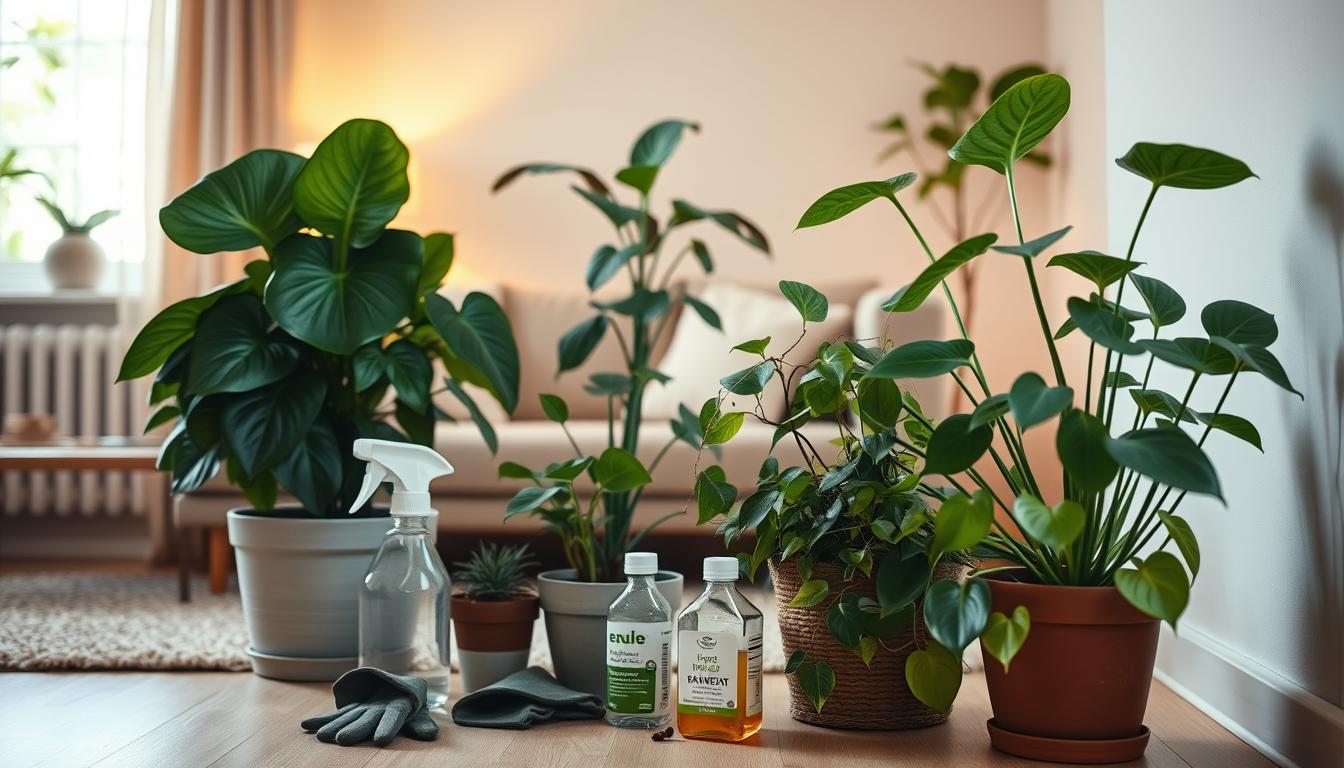
Your indoor plants are more than just decorative elements. They can be unexpected havens for tiny invaders that disrupt their health and appearance. Houseplant bug prevention starts with understanding why bugs are attracted to your indoor garden.




What Role Do Indoor Plants Play in Pest Attraction?
Different plants have varying levels of pest resistance. Stress, improper care, and environmental conditions can make your plants more vulnerable to insect infestations. Some key factors that attract bugs include:
- High humidity levels.
- Inadequate air circulation.
- Overwatering.
- Poor plant nutrition.
Common Types of Indoor Bugs
Knowing your enemy is half the battle. Here are the most frequent uninvited guests in your indoor plant collection:
| Pest Type | Characteristics | Preferred Plants |
|---|---|---|
| Aphids | Tiny white or green bugs | Soft-leaved plants |
| Spider Mites | Microscopic web-spinning pests | Dry, warm environments |
| Fungus Gnats | Small flying insects | Overly moist soil |
How Climate Affects Bug Attraction
Your home’s climate plays a significant role in attracting and supporting the development of pests. Indoor temperatures between 70°F and 80°F can create ideal conditions for bug proliferation.
Heating systems during winter can dry out the air, making plants more susceptible to certain pests like spider mites.
Implementing regular inspections and maintaining optimal plant health are your best defenses against indoor plant insect problems. Stay vigilant, and your houseplant bug prevention strategy will keep your green friends thriving.
The Connection Between Indoor Plants and Bugs
It’s important to know how indoor plants and insects interact. Your houseplants can attract bugs, creating a complex ecosystem at home.
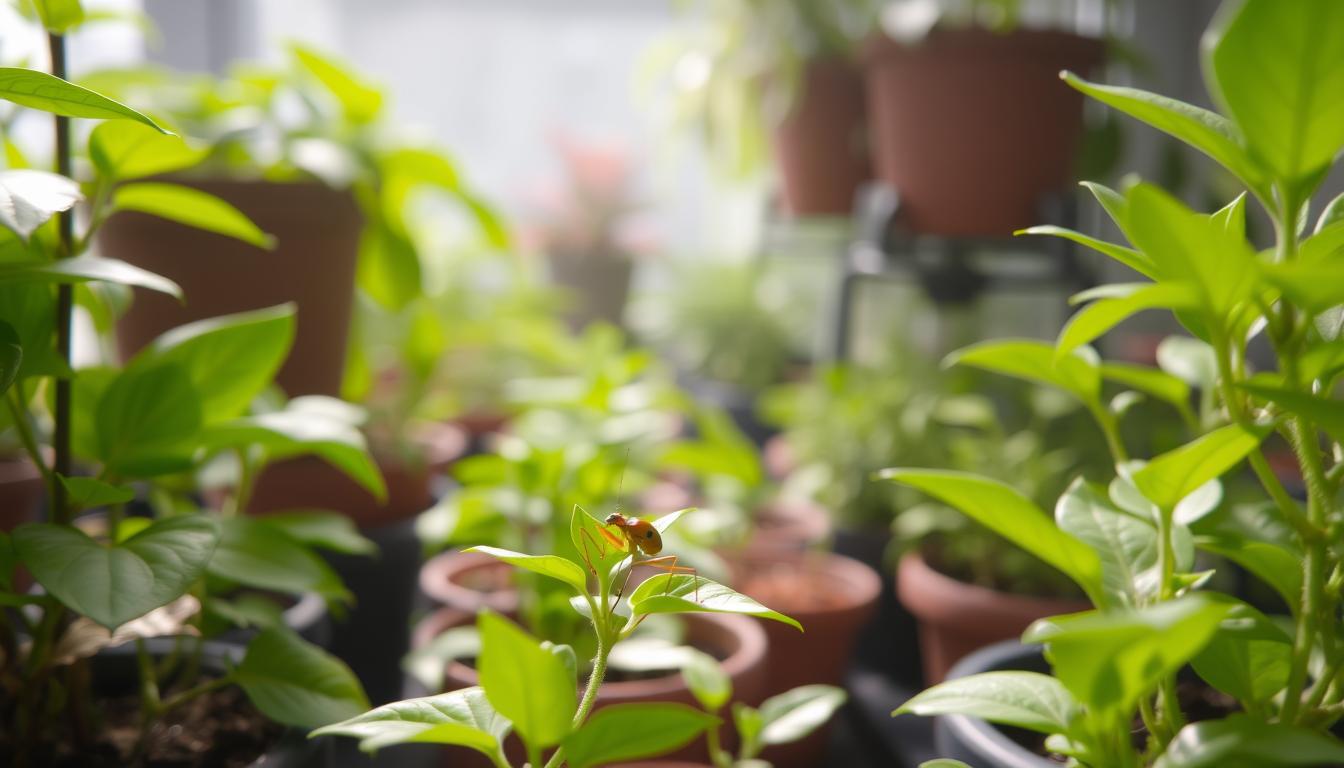
Some plants are more likely to get bugs than others. Let’s look at why:
Factors Attracting Bugs to Indoor Plants
- Plant moisture levels.
- Humidity and temperature.
- Leaf texture and composition.
- Nutrient-rich environments.
- Plant species characteristics.
Beneficial insects can help your plants stay healthy. For example, lacewing larvae can eat up to 200 aphids. They act as natural pest controllers.
Why Some Plants Attract More Bugs
Some indoor plants are more appealing to bugs. High humidity, warm temperatures, and nutrient-rich soil make plants more attractive. Plants with soft leaves and those that hold moisture are bug magnets.
Spider mites love plants like Calathea and Philodendron. They can reproduce fast, with their life cycle taking just 5-7 days in good conditions. Knowing this helps you manage pests better.
Signs Your Indoor Plants May Have Bugs
Keeping your indoor plants safe from pests is all about being vigilant and acting promptly. Spotting the early signs of pests can help save your plants from harm.
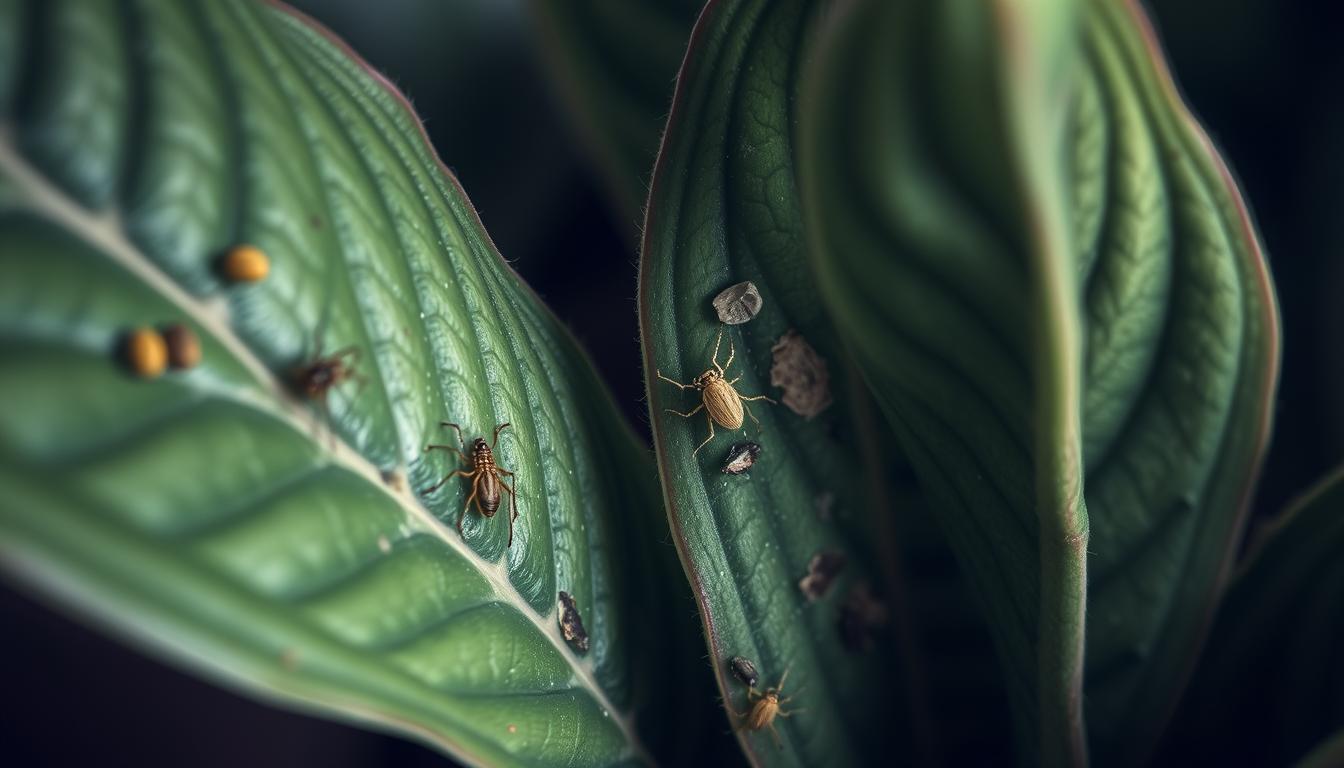
Identifying Pest Infestations Early
Spotting bugs in your plants starts with regular checks. Knowing what to look for is key to organic pest control. Experts say to inspect your plants weekly for signs of pests.
- Look for tiny moving specks on leaf surfaces.
- Check for sticky residue on leaves and stems.
- Inspect leaf undersides for hidden insects.
- Watch for unusual discoloration or spots.
Common Warning Signs on Plant Leaves
Different pests leave their own marks on plants. Spider mites, for example, cause reddish-brown spots and can harm plants if there are too many. These tiny bugs love hot, dry places and are smaller than a pinhead.
Some important warning signs include:
- Silvery discoloration (typical of thrips).
- Webbing on plant surfaces.
- Distorted leaf growth.
- Yellowing or dying leaves.
Quick action can prevent a small pest problem from becoming a full-scale invasion of your indoor garden.
By being alert and knowing these signs, you can keep your indoor plants safe from pests. This way, you can keep your green space healthy and vibrant.
Popular Indoor Plants and Their Bug Attractiveness
Not all indoor plants are the same when it comes to bugs. Knowing which plants attract bugs helps you choose better plants for your home garden.
Spider Plants: A Pest Magnet?
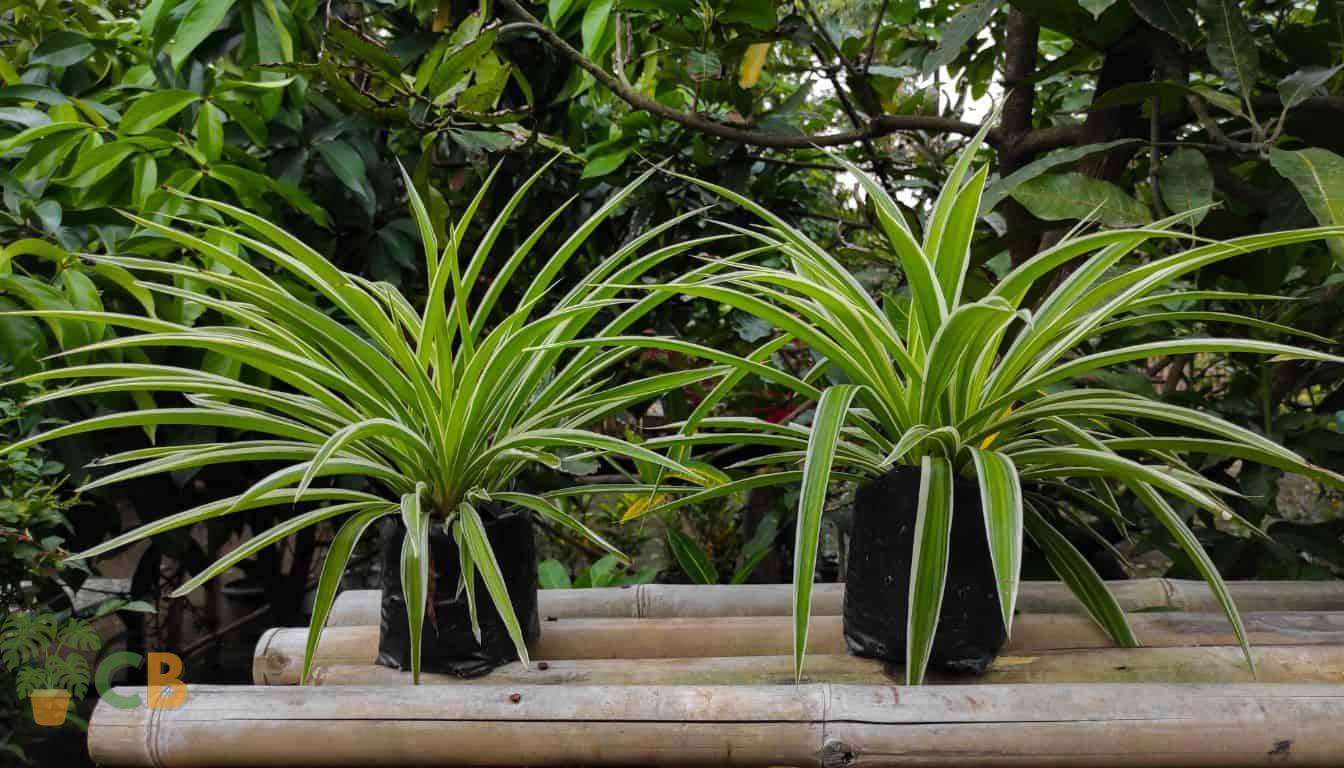
Spider plants may seem delicate, but they are surprisingly prone to pests. Whiteflies, mites, and mosquitoes love these plants. To keep bugs away from your spider plant, try these tips:
- Maintain proper humidity levels.
- Inspect leaves regularly.
- Use neem oil as a natural repellent.
Pothos: The Bug-Prone Vine
Pothos plants are loved for their beauty, but they attract bugs. These plants often draw:
- Scale insects
- Mealybugs
- Spider mites
Top Tip – Prevention is always better than cure when it comes to indoor plant pest control.
Succulents: Surprisingly Vulnerable
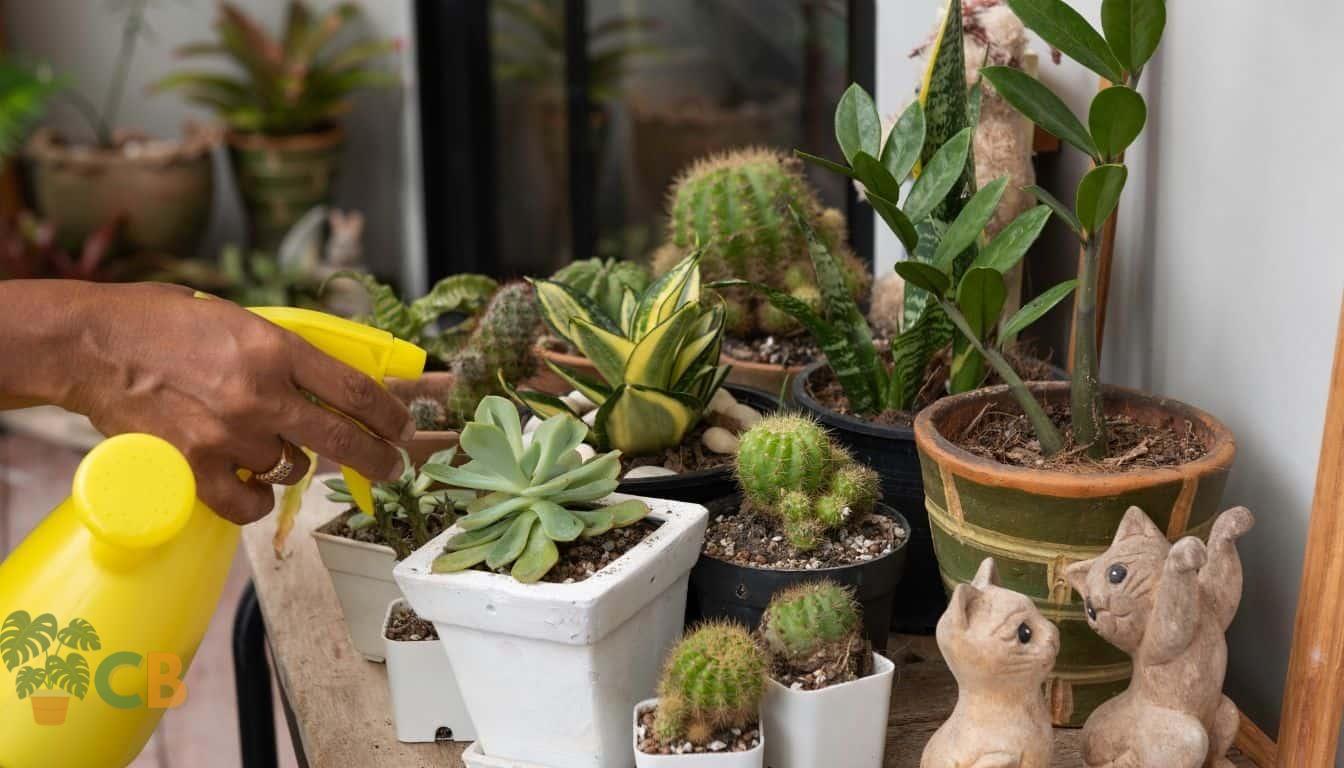
Succulents aren’t bug-proof, despite what you might think. Their sweet sap attracts ants and mealybugs, more so in humid places. Keeping succulents dry helps reduce the attraction of bugs.
Regular checks and proper plant care are essential for combating indoor plant bugs. By knowing each plant’s traits, you can make your indoor garden healthier and bug-free.
Maintaining a Bug-Free Indoor Garden
To keep your indoor plants bug-free, you need a solid plan for pest control. Some plants might indeed attract bugs, but you can still have a lush indoor space. Just use the right steps to prevent pests.
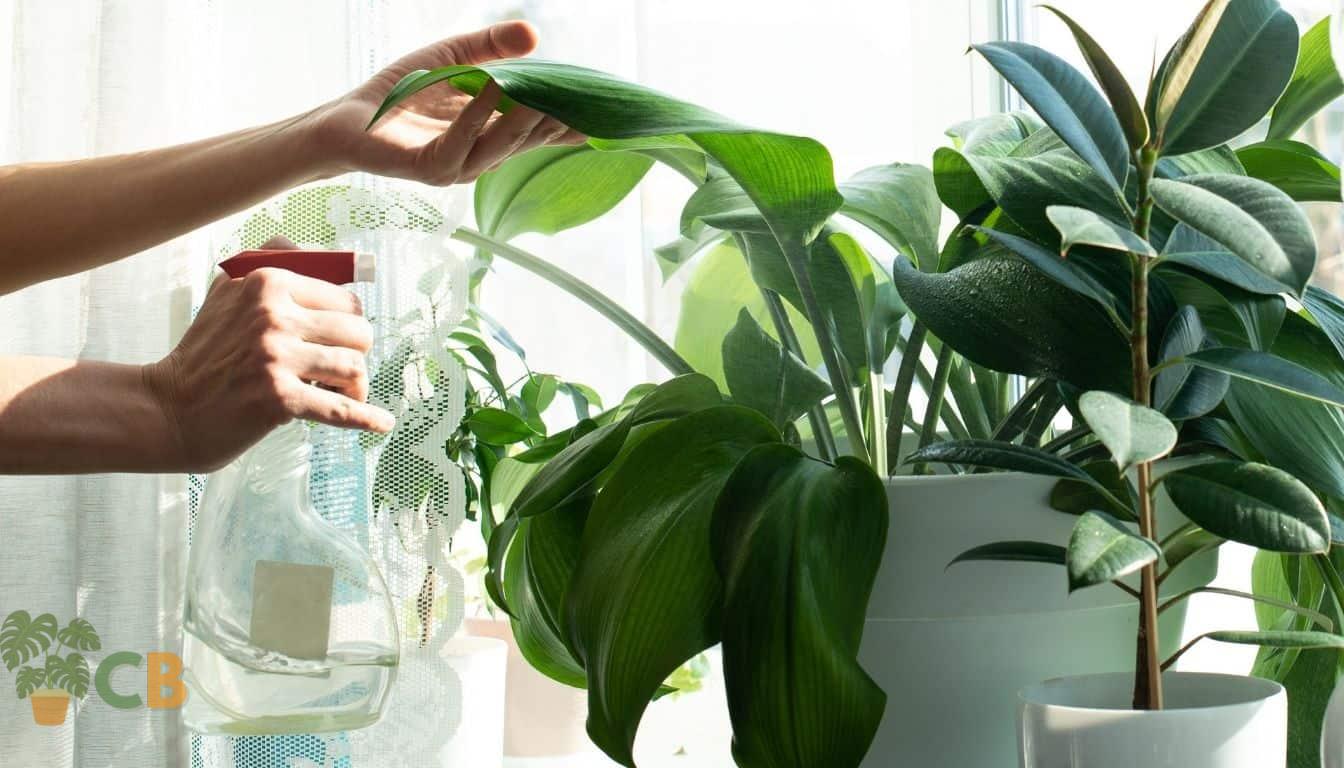
Maintaining a healthy indoor garden starts with being proactive about pest control. Here are some important steps to keep bugs away:
- Use sterilized potting soil to prevent initial pest introduction.
- Implement regular plant inspection routines.
- Maintain proper humidity and watering levels.
- Apply natural pest deterrents, such as neem oil.

Essential Preventative Techniques
Monitoring your plants daily is crucial for detecting pests, such as fungus gnats and spider mites, under specific conditions. So, knowing what your plants need is vital for keeping pests away.
- Check plants weekly for signs of insects.
- Isolate new plants before introducing them to your collection.
- Clean plant leaves regularly.
- Use organic pest control solutions.
Natural Pest Control Methods
Organic methods are great for controlling pests in indoor plants. Neem oil is a top choice. It stops insects from laying eggs and keeps your plants safe.
An ounce of prevention is worth a pound of cure when it comes to houseplant pest control.
By following these tips, you’ll make a space that bugs don’t like. Your indoor plants will stay healthy and look great.
Product offers are temporarily unavailable.
Natural Ways to Keep Bugs Away from Indoor Plants
Dealing with bugs in indoor plants doesn’t need harsh chemicals. Nature has safe, effective, and eco-friendly ways to keep bugs away. Keeping your plants safe can be easy and natural.
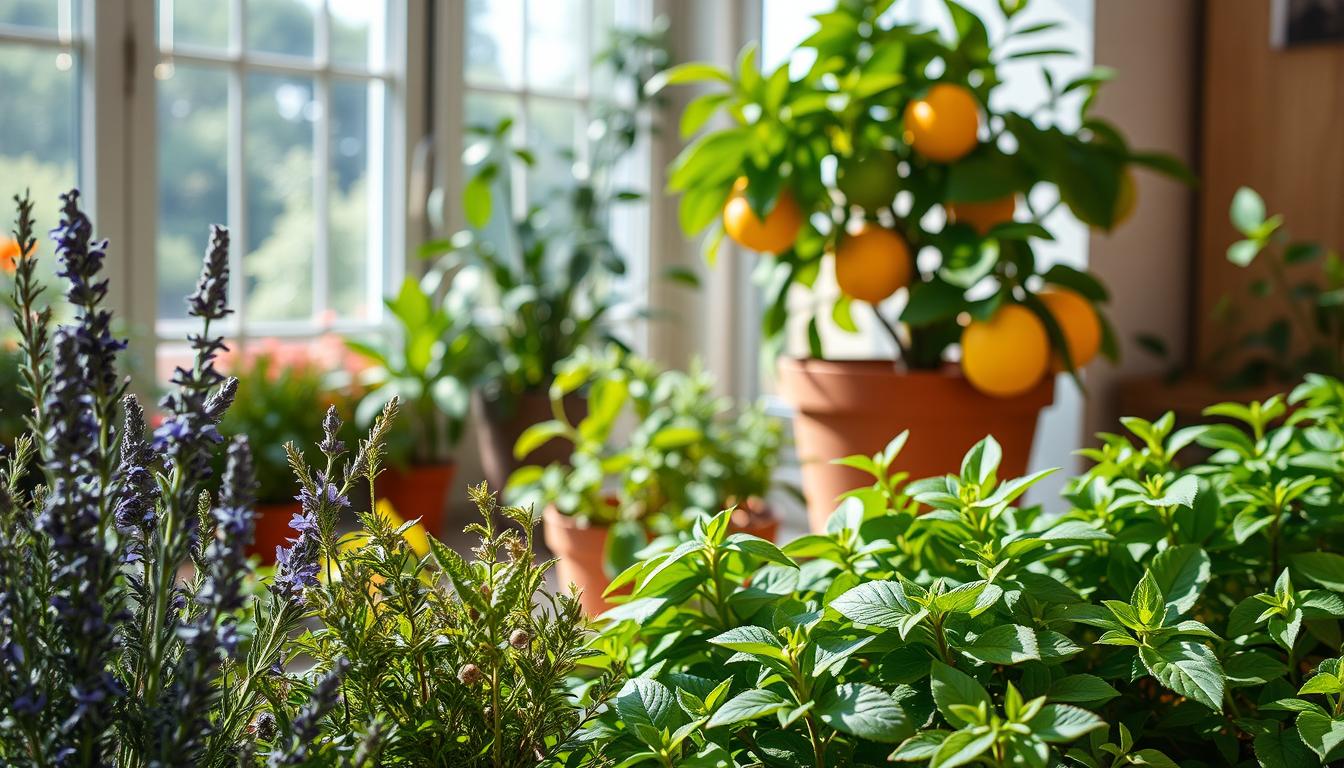
- Essential Oils: A strong tool against indoor plant bugs.
- Non-toxic repellent methods.
- Homemade solutions that work.
Essential Oils: Nature’s Pest Control
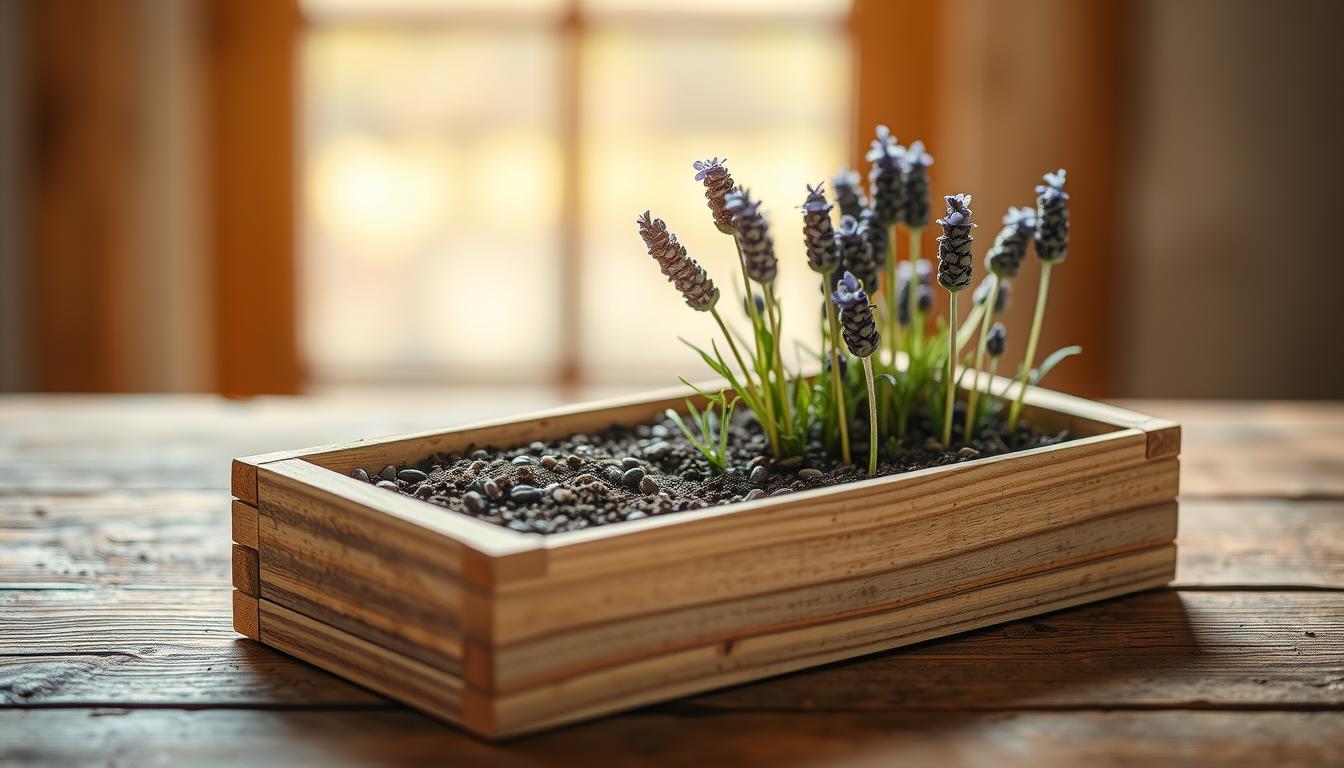
Essential oils are great at keeping bugs away. Lavender oil is very effective, mainly against ants. Studies show it’s almost as good as other oils in fighting pests.

“Nature provides the best pest control solutions for your indoor garden.” – Mark B, Plant Wellness Expert
Homemade Bug Repellents You Can Create
Make your own bug repellent with everyday household items. A recipe backed by research includes:
- 5 parts vinegar
- 1 part neem oil
- 1 part cottonseed oil
- 1 part lavender oil
- 1 part mint oil
- 1 part garlic oil
Neem oil is a top choice for natural pest control. It keeps spiders, ants, and flying bugs away. Diatomaceous earth is also great, as it stops insects from getting water.
Here are some tips to keep bugs away from your houseplants:
- Quarantine new plants for two weeks.
- Keep humidity between 40-60%.
- Make sure air circulates well.
- Check plants often for bug signs.

Using these natural methods helps keep your indoor plants safe from bugs. It also keeps your home free of chemicals and your plants healthy.
When to Seek Professional Help for Pest Issues
Dealing with pests in your indoor plants can be tough. While you can tackle many problems on your own, some need a pro’s touch.
Knowing when to call for help is key to keeping your plants safe. Here are signs you should get professional pest control:
- Persistent pest infestations that resist home treatments.
- Extensive damage to multiple plants.
- Large-scale bug populations are spreading quickly.
- Unidentifiable pest species.
Identifying Severe Pest Problems
Some pest issues are too big for DIY fixes. Even beneficial insects might not be enough. Look out for these warning signs:
| Pest Indicator | Severity Level |
|---|---|
| Extensive leaf damage | High |
| Widespread webbing | Critical |
| Multiple plant species were affected | Urgent |
What to Expect from Professional Services
Experts in pest control offer detailed assessments and targeted treatments. They will:
- Conduct a thorough plant and home inspection.
- Identify specific pest species.
- Develop a customized treatment plan.
- Implement safe, effective pest elimination strategies.
Getting professional help doesn’t mean you’ve failed. It shows you’re serious about a healthy indoor garden.
Myths and Facts About Indoor Plants and Bugs
Indoor gardening is filled with wrong ideas about pests. Knowing the truth helps you fight pests better and keep your plants safe.
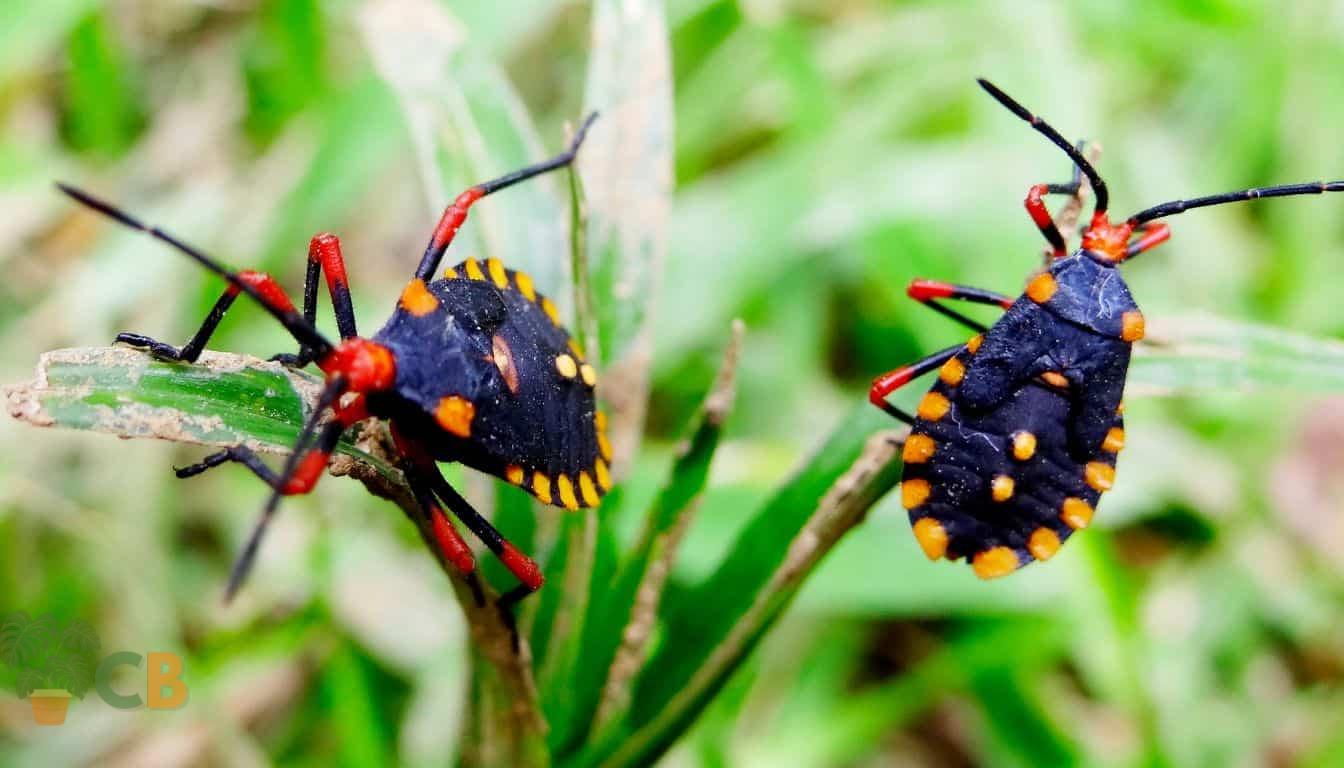
Debunking Popular Plant Pest Myths
- Myth: Talking to plants keeps bugs away
Insects don’t mind human talk. They’re drawn to the environment, not sound.
- Myth: Certain crystals repel all pests
Some natural items might help, but no crystal keeps all pests away.
- Myth: Healthy plants never attract bugs
Even the best indoor plants can attract insects.
Realities of Bug Attraction
Knowing what bugs like can change how you fight pests. Humidity, temperature, and plant type are key.
Not all insects are harmful – some can actually benefit your indoor garden’s ecosystem.
By clearing up myths and using science, you can better manage pests. This keeps your indoor garden healthy.
Seasonal Changes and Bug Behavior
Knowing how seasons affect indoor plant bugs helps protect your plants all year. Different bugs react differently to changes in temperature and humidity. This creates challenges for those who love indoor plants.
Seasonal changes greatly affect bug activity and how they interact with indoor plants. To get rid of houseplant bugs, you need to know how pests behave at different times.
Bug Activity Patterns Through Seasons
Seasonal pest dynamics show interesting insights into bug behavior:
- Spring triggers increased insect reproduction.
- Summer provides optimal breeding conditions.
- Fall sees migrations indoors for warmth.
- Winter slows but doesn’t completely stop pest activity.
Indoor vs. Outdoor Pest Dynamics
Indoor environments pose unique challenges for pest control. While outdoor temperatures change, indoor bug risks stay steady.
| Season | Indoor Pest Risk | Recommended Action |
|---|---|---|
| Spring | High | Increase monitoring |
| Summer | Very High | Implement preventative measures |
| Fall | Moderate | Check plant entries |
| Winter | Low | Maintain humidity control |
Proactive management means understanding these seasonal changes. By adapting your plant care routine, you can lower the risk of indoor plant bug infestations all year.
The Benefits of Having Indoor Plants Despite Bugs
Indoor plants bring many benefits, even with the occasional bug. They can make your home healthier, more productive, and beautiful.
Indoor plants do more than look good. They make your home better by improving health and mood:
- Purify indoor air by removing toxins.
- Reduce stress and enhance mental well-being..
- Boost productivity and creativity.
- Increase humidity and oxygen levels.
Natural Strategies for Balancing Plants and Pest Control
Wondering if indoor plants attract bugs? Remember, you can manage pests well. Understanding your plants and using prevention is key.
| Pest Prevention Strategy | Effectiveness |
|---|---|
| Regular plant inspections | High |
| Neem oil treatments | Very High |
| Proper watering techniques | High |
| Essential oil repellents | Moderate |
Choose bug-resistant plants like Snake Plants, Spider Plants, and succulents. They are beautiful and easy to care for. Perfect for all gardeners.
Frequently Asked Questions (FAQs): Do indoor plants attract Bugs?
Do indoor plants really attract bugs?
What are the most common bugs found on indoor plants?
How can I prevent bugs from infesting my indoor plants?
Are there any indoor plants that are naturally bug-resistant?
Can I use natural remedies to control indoor plant pests?
How do seasonal changes affect indoor plant bugs?
When should I consider professional pest control for my indoor plants?
Are chemical pesticides safe to use on indoor plants?
How often should I inspect my indoor plants for bugs?
Can beneficial insects help control pests in indoor plants?
Final Thoughts on Indoor Plants and Bug Attraction
Dealing with indoor plant bugs doesn’t have to be hard. With the proper steps, you can have a lush, bug-free space. Start by understanding why bugs show up and how to stop them early.
Keep your plants healthy with simple steps. Check your plants regularly, maintain the right air quality, and use natural pest control methods like neem oil. Most bug problems can be solved early.
Even with bugs, indoor plants are worth it. Stay alert and informed to enjoy their beauty and health benefits. It’s all about keeping your plants happy and bug-free.
Keeping Your Indoor Space Protected
Manage your indoor plants with care and a calm approach. With the proper knowledge and care, your garden will thrive. It will add beauty and freshness to your home, without bugs getting in the way.
Further Recommendations:
- Best Indoor Greenhouse
- Bucket Gardening
- Why are my plants drooping?
- How to care for an air plant
- Hydroponic Gardening
- How to Keep Pigeons Off the Balcony?
- Best Patio Furniture Covers
- Patio Pet Games
- Best Kitchen Composters
- Eco-Friendly Homes – Sustainable Living
- Best Soil For Snake Plants
- How to Build a Patio Cover
- Houseplant Happiness! A Guide on How to Clean Plant Leaves Effectively
- 10 Best Indoor Gardening Books
- How to Stop Ants Nesting in Plant Pots
- What Plants Don’t Like Epsom Salt? Garden Tips for Using Indoors and Outdoors
- How to Plant Carrot Seeds
Video: Signs of Carpenter Ants in the Home
Reference Links
- Beneficial insects are associated with botanically rich margins with trees on small farms – NIH
- Eco-Friendly Garden – University of Georgia Extension
- Let Beneficial Insects Work for You – Penn State Extension

Leave a Reply