

Ever thought about using citrus peels from your trash to help your garden? What if those orange peels could make your plants healthier and stronger? Are orange peels good for plants? You might be surprised by the answer.
I’m a dedicated gardener who found a great way to use kitchen waste. It’s not just about composting. Orange peels are rich in minerals that can enhance your gardening practices.
This guide will show you how to use orange peels for your plants. They can improve your soil and even deter pests. These citrus scraps are about to become your garden’s new favorite thing.
Key Takeaways
- Orange peels are rich in essential plant nutrients.
- Easily transform kitchen waste into garden gold.
- Natural alternative to chemical fertilizers.
- Supports sustainable gardening practices.
- Improves soil health and plant growth.
Are Orange Peels Good for Plants?
Gardeners are finding a surprising secret in their kitchen: orange peels. These citrusy leftovers are not just waste. They are a powerful tool for plant health and garden nutrition.



Using orange peels in garden care can boost your plants’ growth and soil quality. Orange peels are full of essential nutrients. They can supercharge your garden’s ecosystem.
Nutrient-Rich Garden Boost
Orange peels have a remarkable mix of nutrients important for plant growth. Here’s a look at their nutritional value:
- Nitrogen: Supports leafy green growth
- Phosphorus: Enhances root development
- Potassium: Strengthens plant immunity
Nutritional Breakdown for Plants
| Nutrient | Benefit to Plants | Concentration in Orange Peels |
|---|---|---|
| Nitrogen | Leaf Growth | High |
| Phosphorus | Root Strength | Medium |
| Potassium | Plant Immunity | High |
Environmental Impact of Recycling Peels
Composting orange rinds is good for plants and the planet. It reduces landfill waste and supports sustainable gardening.
One person’s kitchen waste is another garden’s treasure!
Orange peels do more than feed plants. They naturally repel pests, improve soil, and act as a slow-release fertilizer. This keeps your plants healthy throughout the entire season.
How to Prepare Orange Peels for Plant Use
Turning orange peels into plant food is easy with the proper steps. As a gardening enthusiast, I’ve found ways to utilize these scraps for my plants.
Drying Orange Peels for Maximum Nutrient Preservation
Drying is crucial for utilizing orange peels in the garden. There are two main ways to get nutrients from them:
- Air-drying in a warm, well-ventilated space.
- Use a food dehydrator for faster results.
Make sure to dry them completely. Lay the peels out flat, without overlapping. They should dry in 3-5 days, becoming crispy and brittle.
Chopping vs. Whole Peels: Which Works Best?
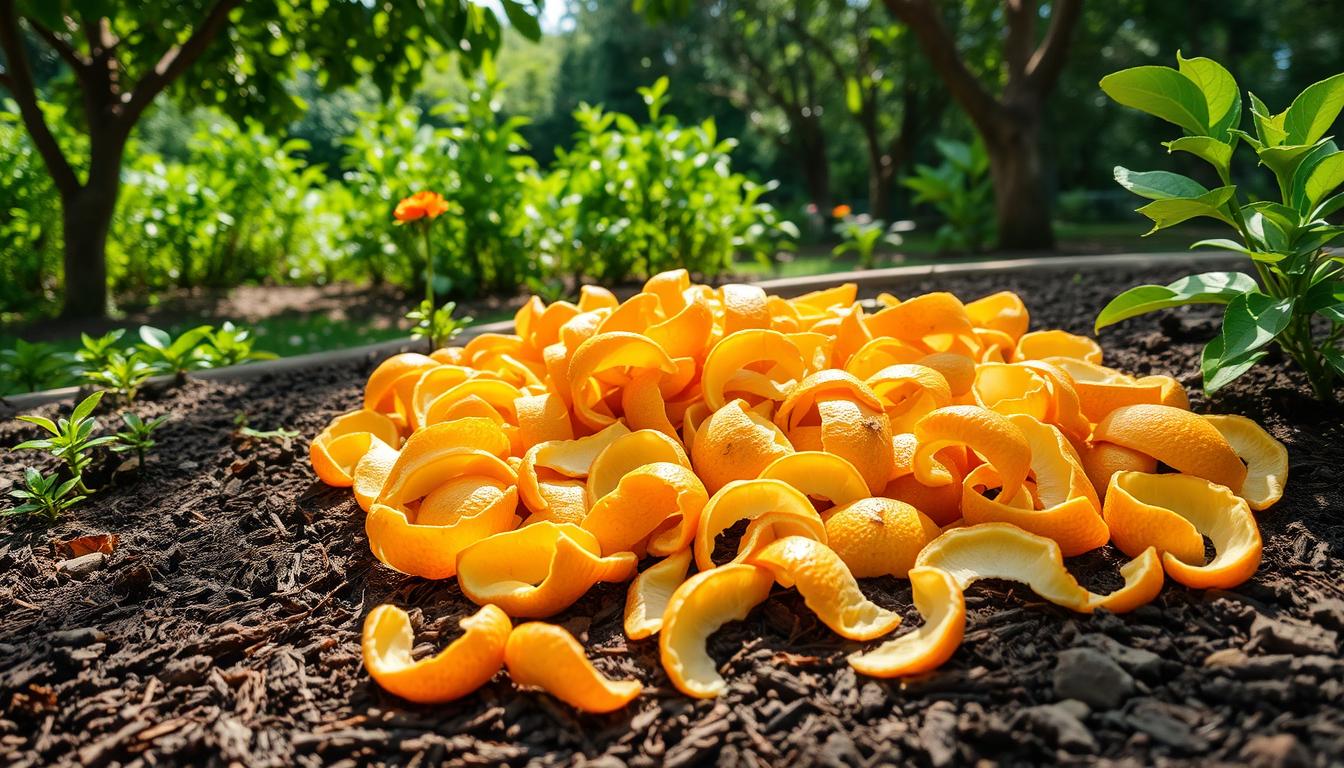
The size of orange peels matters for your plants. Chopped peels break down more quickly, releasing nutrients faster.
- Chopped Peels: Break down faster, integrate more easily
- Whole Peels: Slower decomposition, longer-lasting nutrient release
Storing Orange Peels for Future Garden Use
Storing dried peels properly keeps them effective for plants. I keep mine in an airtight container in a cool, dry spot. This way, they stay good for months.
Pro tip: Label your container with the date of preparation to track freshness!
With these steps, you can turn kitchen waste into a great plant food. It’s good for your garden and the planet.
Ways to Use Orange Peels in Your Garden
Gardening enthusiasts are discovering the benefits of using orange peels in their gardens. They’re not just kitchen trash; they’re a key to a healthy garden.
Here are some creative ways to repurpose orange peels as garden helpers. Orange peel mulch does more than just compost. It brings many benefits to your garden.
Fertilizer Addition to Soil
Orange peels are full of nutrients that boost your soil. They break down to give plants:
- Nitrogen
- Phosphorus
- Potassium
Chop the peels into small pieces to speed up decomposition. Citrus peel garden uses can improve your soil and provide a slow-release source of nutrients for your plants.
Composting with Orange Peels
Composting orange peels is easy and good for your soil. However, mix them with other substances to prevent mold growth.
Pest Repellent Qualities
Orange peels also keep pests away. Their citrus smell keeps many pests from your garden. It’s a natural way to avoid chemicals.
“Nature provides the best solutions for garden care.” – Gardening Wisdom
Using orange peels in your garden makes it better and greener. Try these ideas and see your garden grow!
Orange Peels in Indoor Plant Care
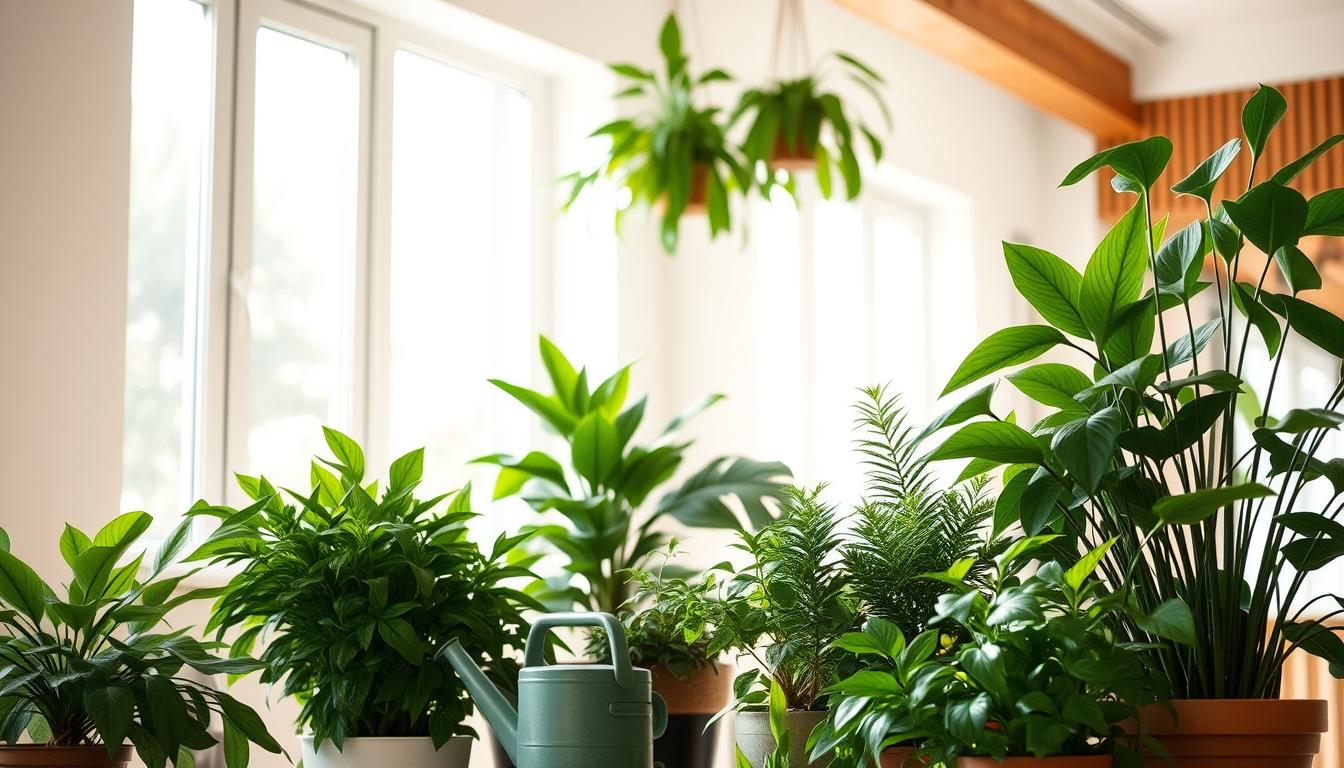
Indoor plants require special care, and orange peels can be a valuable aid in this process. These citrus scraps are more than trash. They’re a powerful tool for your plants.
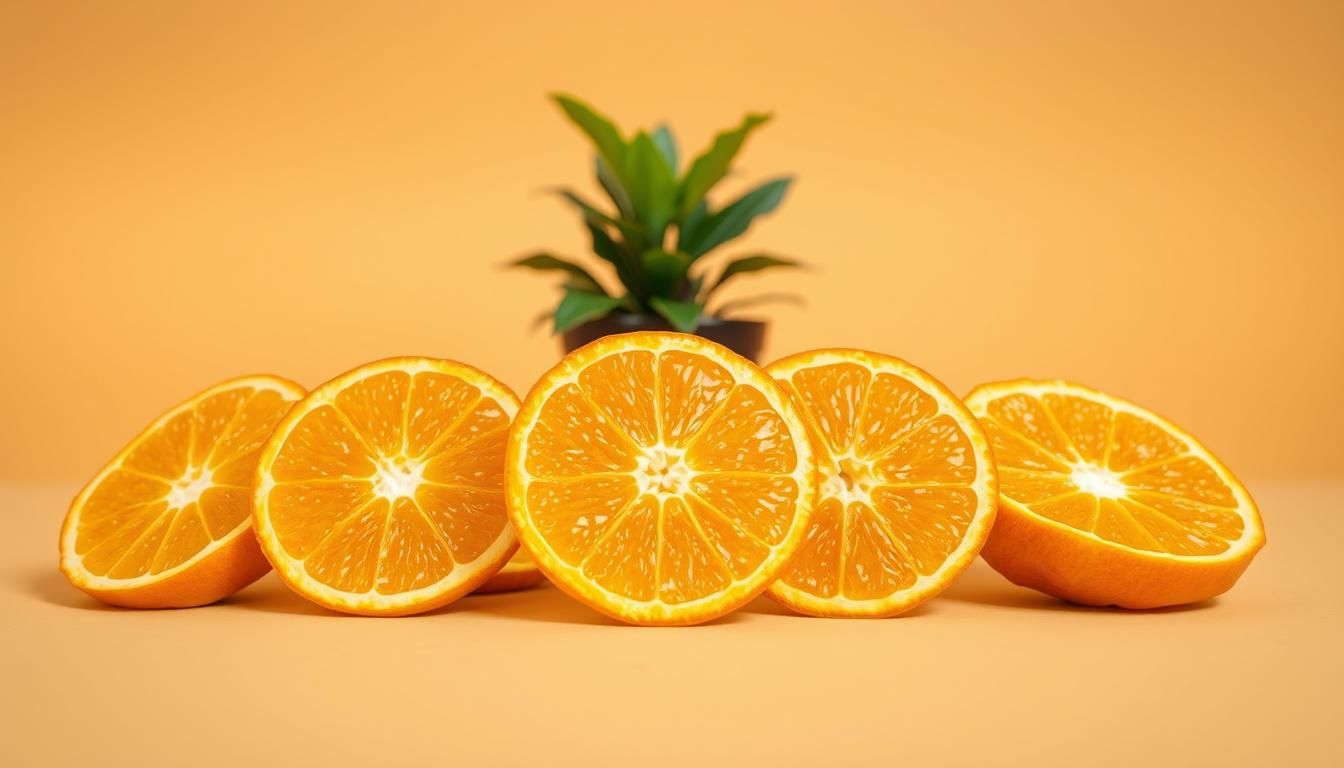
Using orange peels for pest control is an eco-friendly approach. It can change how you garden indoors. The natural citrus properties make these peels great for keeping plants healthy.
DIY Orange Peel Fertilizer for Houseplants
Making a fertilizer from orange peels is a straightforward process. Here’s how to do it:
- Dry orange peels completely.
- Grind them into a fine powder.
- Sprinkle around the base of your plants.
- Mix into potting soil for added nutrients.
Natural Pest Repellent
Orange peels are an effective natural pest control method. The oils in citrus peels repel pests. Insects like aphids and spider mites dislike the scent of citrus.
Improving Indoor Air Quality
Orange peels do more than repel pests. They also improve air quality. Dried peels can absorb odors, making your home smell fresh.
Try using orange peels as a natural fertilizer for your plants. It’s affordable and environmentally friendly. Start small and see how your plants do. Enjoy the benefits of this kitchen waste.
Orange Peel Tea: A Unique Fertilizer
Gardeners are finding a secret in their kitchen: orange peel fertilizer. Yes, orange peels are great for plants! Orange peel tea turns kitchen waste into a natural fertilizer.

Orange peel fertilizer provides plants with the necessary nutrients without the use of chemicals. It’s a green way to use kitchen scraps and help plants grow.
Creating Your Orange Peel Tea
Making orange peel tea is easy. Here’s how to make a natural plant food:
- Collect clean, organic orange peels.
- Chop the peels into small pieces.
- Place peels in a large container.
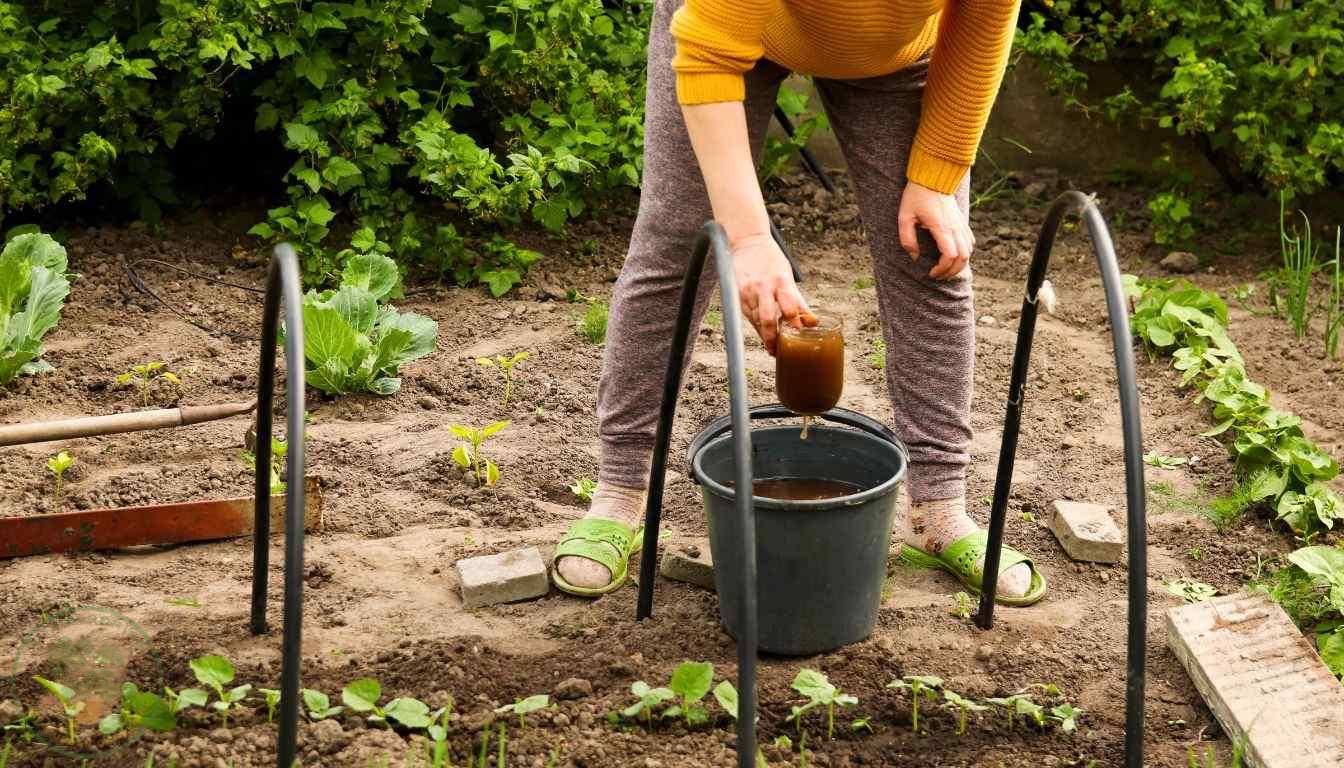
- Cover with water and let steep for 3-5 days.
- Strain the liquid thoroughly.
Application Methods
You can use orange peel tea in several ways:
- Root watering: Dilute and add to the soil.
- Foliar spray: Mist leaves for quick absorption.
- Compost addition: Mix into compost.
Optimal Usage Frequency
Apply orange peel tea every 2-3 weeks, when the plants are actively growing. Watch how your plants react and adjust as needed. Some plants may require less frequent watering, so keep a close eye on their health.
Pro tip: Dilute your orange peel tea to prevent overwhelming plants with concentrated nutrients.
Combining Orange Peels with Other Amendments
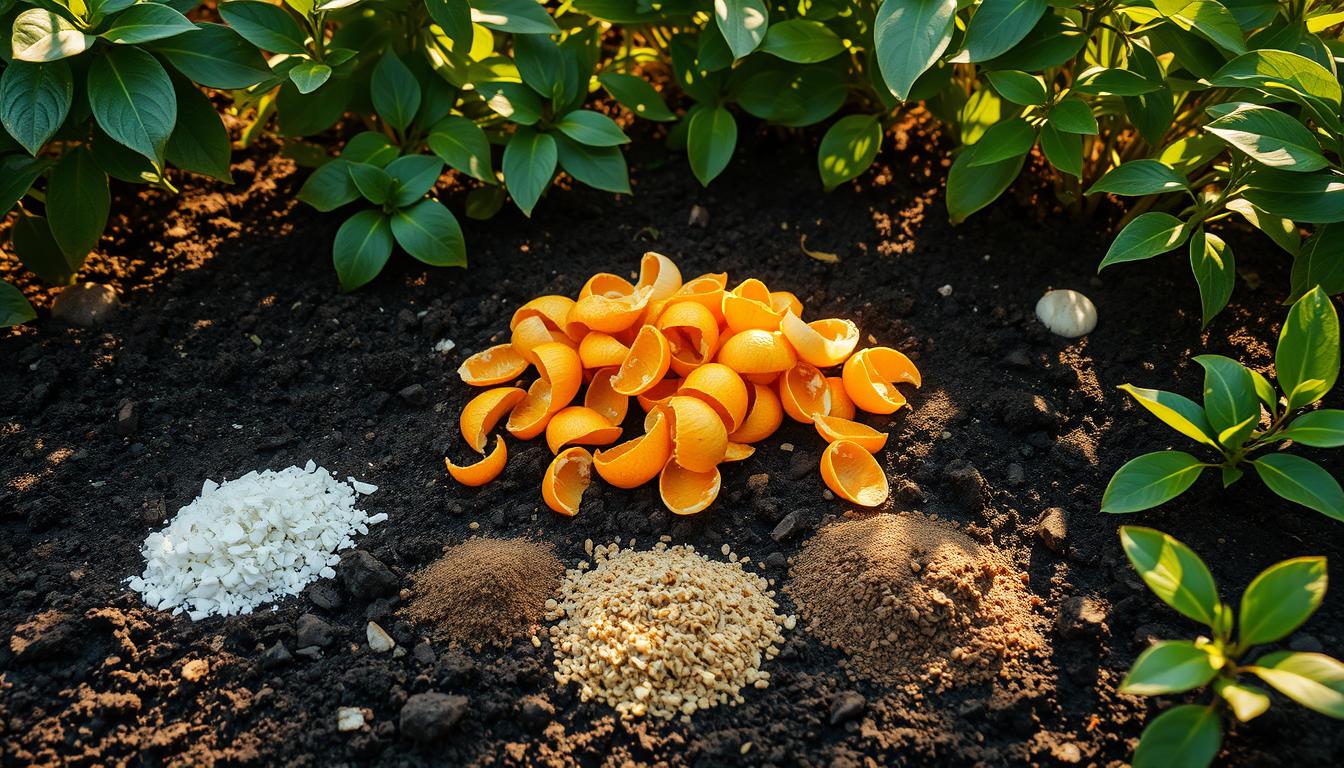
Creating the perfect garden soil is akin to crafting a gourmet dish. Using orange peels in your garden can be highly beneficial. Mixing them with other organic stuff can make your plants super healthy.
By mixing different organic stuff, you can give your plants a big nutrient boost. Here are some cool ways to make your composting of orange rinds even better:
Blending with Coffee Grounds
Coffee grounds are great with orange peels. They make a nutrient-rich mix that plants adore. Here’s what to do:
- Dry both orange peels and coffee grounds completely.
- Crush them into small pieces.
- Mix them in equal parts before adding to the compost.
Pairing with Eggshells
Eggshells are also awesome with orange peels. They add calcium and help balance the soil’s pH. Crushed eggshells can also help mitigate the acidity of orange peels.
Layering in Garden Beds
Layering your soil can help improve nutrient absorption. I recommend making thin layers of:
- Dried orange peels.
- Coffee grounds.
- Crushed eggshells.
- Compost soil.
This way, everything decomposes evenly and nutrients spread out in your garden beds.
Dangers of Using Orange Peels
Orange peels can be great for plants, but they come with risks. Knowing these dangers helps gardeners use them safely and effectively.
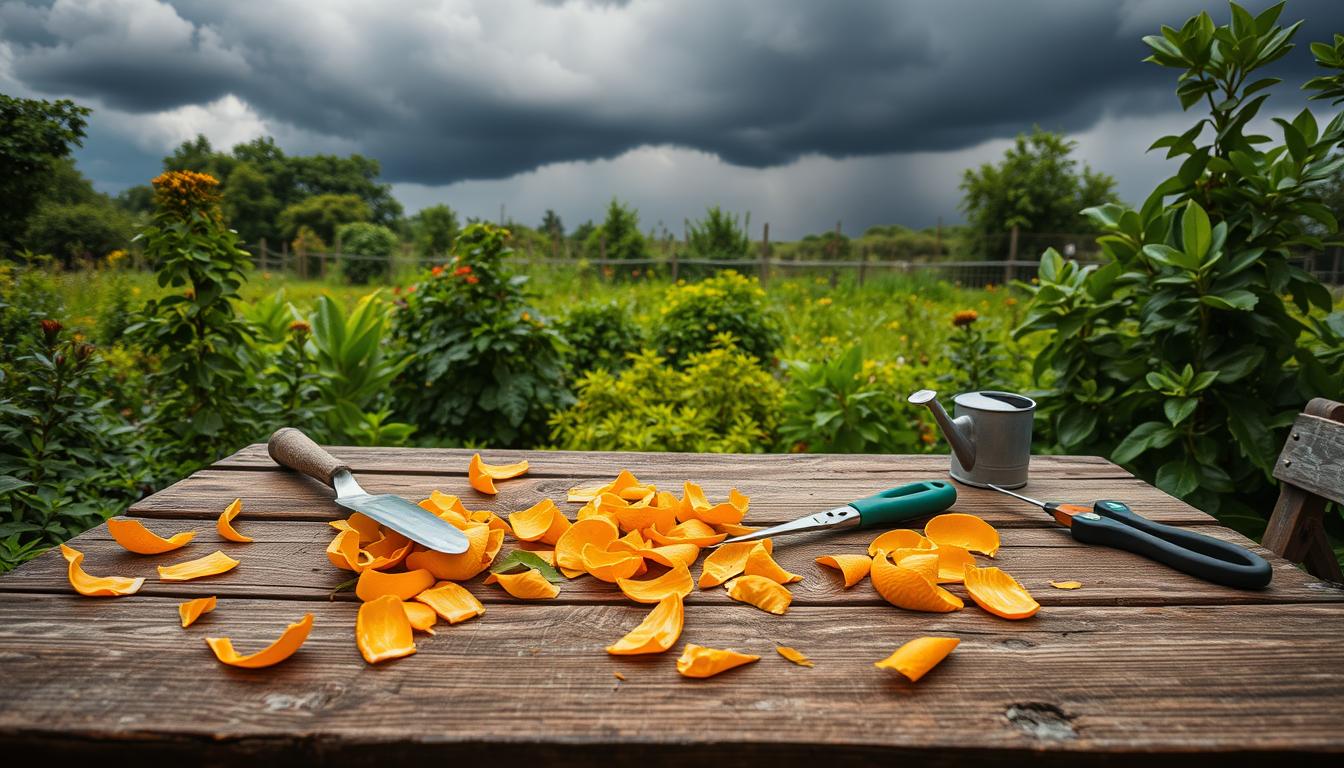
Mold and Decomposition Risks
Orange peels can grow harmful fungi if not prepared correctly. To avoid this, make sure to:
- Dry peels completely before using.
- Chop the peels into small pieces.
- Avoid wet, clumpy peels.
Overapplication Concerns
Using too many orange peels can harm plants. Too much can:
- Make the soil too acidic.
- Throw off the nutrient balance.
- Hurt the plant’s roots.
Plant Compatibility Issues
Not every plant likes orange peels. Some plants may become stressed by the citrus. Plants that might struggle include:
- Acid-sensitive flowers.
- Young seedlings.
- Delicate herbs.
Knowing these risks helps gardeners use orange peels safely in their gardens.
Testing Orange Peels on Different Plant Types
Using orange peel mulch can transform your gardening approach. My tests with citrus peels demonstrated how plants respond to this natural aid.
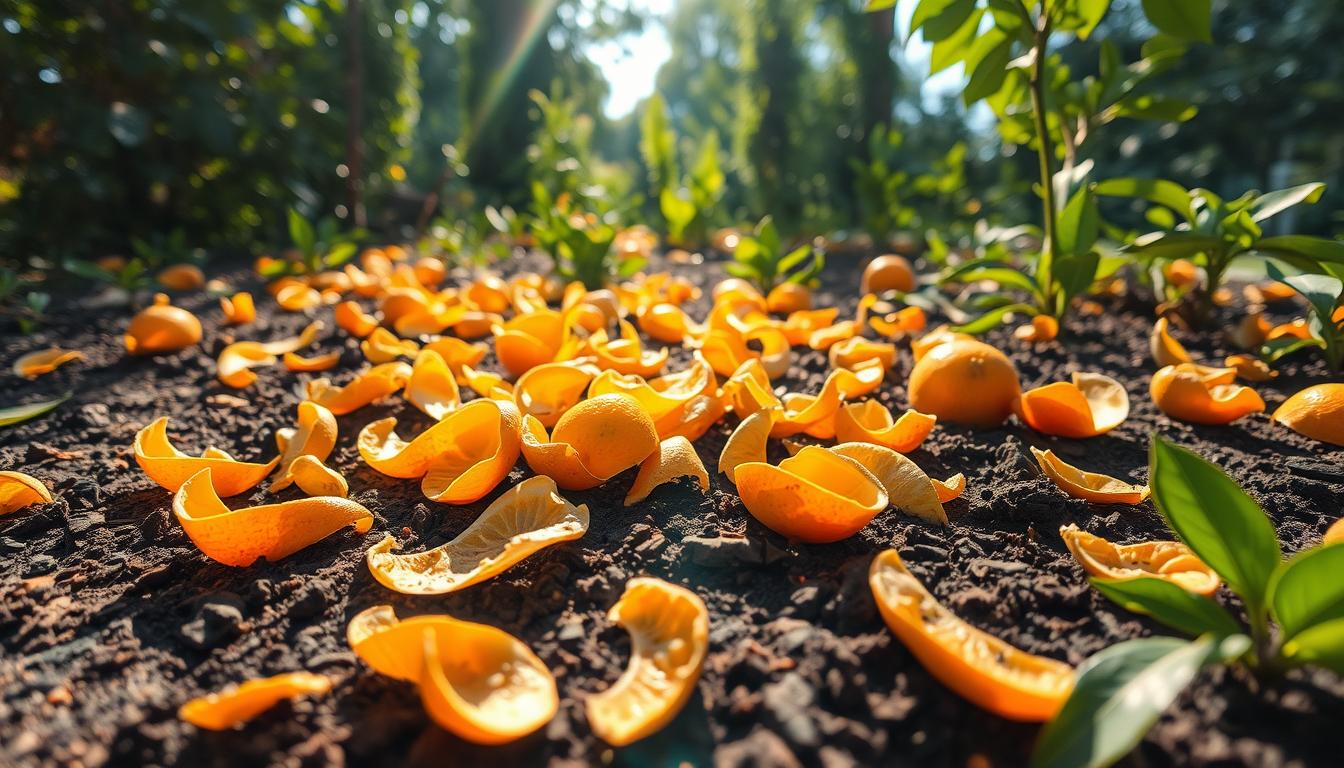
It’s important to observe how plants respond to orange peels. Each type of plant reacts differently to this organic boost.
Citrus Plants: A Natural Synergy
Citrus plants get along well with orange peel mulch. They take in nutrients best because they’re similar. The benefits are:
- Soil gets better nutrition.
- Roots grow stronger.
- They fight pests naturally.
Vegetable Garden Experiments
Vegetable plants respond differently to citrus peels. Tomatoes and peppers grow better when orange peels are added to the soil.
Flowering Plant Observations
Flowering plants have interesting reactions to orange peels. Some plants show:
- Brighter blooms.
- Longer flower times.
- Stronger stems.
Gardeners should be careful with orange peels. Each plant is different. Watching and starting slow is key to success.
Homemade Orange Peel Bug Spray
Gardeners looking for a natural pest control can use something from their kitchen. Orange peels are a great, eco-friendly alternative to harsh chemicals. This DIY method also helps recycle kitchen waste.
Making an orange peel bug spray is a simple process. The oils in orange peels repel many garden pests.
Essential Ingredients
- Fresh orange peels.
- Water.
- Liquid dish soap.
- Spray bottle.
- Strainer or cheesecloth.
Preparation Method
- Collect orange peels from fresh oranges.
- Chop the peels into small pieces.
- Steep peels in hot water overnight.
- Strain the liquid thoroughly.
- Add a few drops of liquid soap.
Application Instructions
Here’s how to use orange peels for pest control:
| Plant Type | Spray Frequency | Precautions |
|---|---|---|
| Vegetables | Weekly | Avoid spraying during flowering. |
| Ornamental Plants | Bi-weekly | Dilute the spray more. |
| Herbs | Every 10 days | Dilute the spray more. |
Pro tip: Always test the spray on a small section of the plant before full application to ensure no adverse reactions occur.
This natural pest control is effective and budget-friendly. It helps protect your garden without the use of chemicals. Try different amounts to find the best for your plants.
Frequency of Applying Orange Peels
Using orange peels as a plant fertilizer can significantly improve your garden’s health. But it’s important to apply them correctly throughout the growing season. Are orange peels beneficial for plants? It depends on how you use them.
Knowing the best time to use orange peels is key. It provides plants with the necessary nutrients without overloading them. Each plant and its growth stage needs a specific approach to application.
Seasonal Application Strategies
Each season has its own fertilization needs. Here’s a quick guide to help you apply orange peels at the right time:
- Spring: Peak growth period – Apply sparingly every 4-6 weeks
- Summer: Light applications during intense heat
- Fall: Prepare plants for dormancy with minimal applications
- Winter: Reduce or pause orange peel fertilization
Monitoring Plant Reactions
Look out for these signs when using orange peel fertilizer:
- Healthy green leaf color.
- Consistent growth.
- No signs of nutrient burn.
- Robust root development.
“The garden speaks to those who listen carefully.” – Gardening Wisdom
Adjusting Use Based on Plant Growth
Orange peel fertilizer benefits different plants in unique ways. Young plants might need fewer frequent applications than mature ones. Always observe your garden’s specific needs and adjust as needed.
Try different approaches, track your results, and remember that each garden is unique. It’s a living ecosystem with its own needs.
The Science Behind Orange Peels and Plant Growth
Exploring the science of orange peels and plant growth opens a world of botanical nutrition. Orange peels are not just kitchen waste. They are a treasure trove of nutrients that can transform your gardening approach.
Orange peels are rich in phytochemicals that support plant health. They contain essential nutrients for gardening. These nutrients make orange peels a standout choice for gardeners.
- Flavonoids that boost plant immune responses.
- Limonene is a natural pest-deterrent compound.
- Essential oils that improve soil microbial activity.
- Trace minerals supporting root development.
Phytochemicals: Nature’s Plant Booster
The secret to orange peels is their phytochemicals. Flavonoids help plants fight off diseases and stress. Limonene repels pests and enhances plant vigor.
Comparing Natural Fertilizer Options
Orange peels are unique compared to other organic fertilizers. They offer a complete growth boost, unlike single-nutrient fertilizers. This makes them perfect for eco-friendly gardeners.
Nature’s most powerful fertilizers often come from unexpected sources – like the humble orange peel.
FAQ
Are orange peels really good for plants?
How do I prepare orange peels for use in my garden?
Can I use orange peels for indoor plants?
How often should I use orange peels in my garden?
Can orange peels help with pest control?
Are there any risks to using orange peels in my garden?
Can I combine orange peels with other organic materials?
Do all plants benefit from orange peels?
How do I make orange peel tea for plants?
Are orange peels environmentally friendly?
Final Thoughts on Using Orange Peels
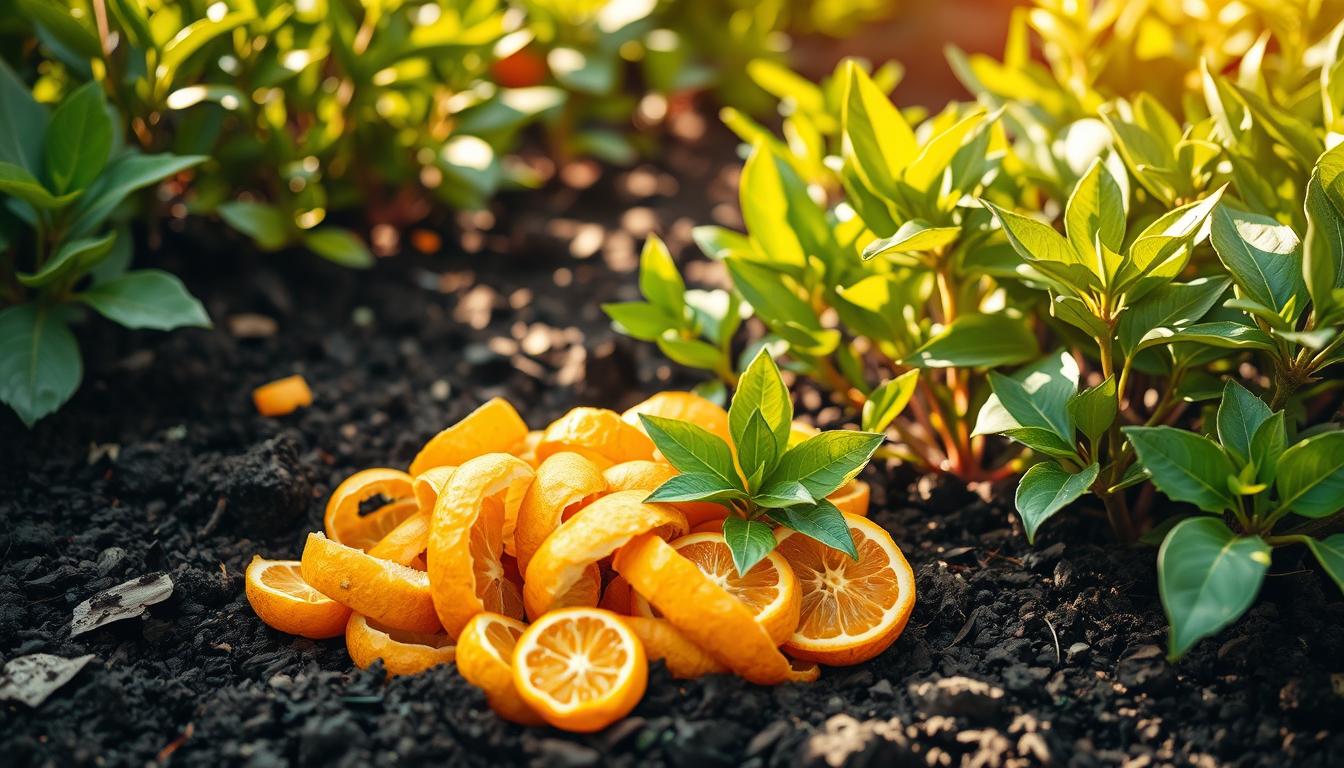
As a passionate gardener, I’ve found that using citrus peels is a big deal. It’s not just good for the planet; it’s great for your plants. Orange peels transform kitchen waste into a valuable resource for your garden.
Composting orange rinds does more than reduce trash. It improves your soil quality and repels pests. I’ve seen my plants grow stronger and healthier. It shows that gardening is all about being creative and smart with what you have.
I want every gardener to try using orange peels in their garden. Start with a small amount, observe how your plants react, and keep experimenting with new things. Orange peels can help you make your garden better for the planet.
Gardening is always something new to learn and try. Your kitchen waste can help improve your garden. Use orange peels and watch your garden grow and flourish! Happy gardening.
Further Recommendations:
- Best Indoor Greenhouse
- Bucket Gardening
- Why are my plants drooping?
- How to care for an air plant
- Hydroponic Gardening
- How to Keep Pigeons Off the Balcony?
- Best Patio Furniture Covers
- Patio Pet Games
- Best Kitchen Composters
- Eco-Friendly Homes – Sustainable Living
- Best Soil For Snake Plants
- How to Build a Patio Cover
- Houseplant Happiness! A Guide on How to Clean Plant Leaves Effectively
- 10 Best Indoor Gardening Books
- How to Stop Ants Nesting in Plant Pots
- What Plants Don’t Like Epsom Salt?
- How to Plant Carrot Seeds
Video: Orange Peel Fertilizer and Pesticide
Reference Links
- Trash to Treasure: The Incredible Benefits of Composting– UMICH
- Training and Pruning Your Home Orchard – OSU
- Edibles Grow Sheets – University of California
- Micro-Orcharding in Urban Growing Spaces – Texas A&M
- Composting – University of Richmond



Leave a Reply