

As an avid gardener, I have always been concerned about the best time to water my plants, mainly whether morning is the best time or evening watering is sufficient. I’ve heard different opinions from fellow gardeners, leaving me unsure whether it’s bad to water plants at night.
One evening, while tending to my beloved roses, I couldn’t help but ponder this question. That’s when I saw a mysterious glow emanating from my neighbor’s garden. Curiosity got the better of me, and I decided to investigate.
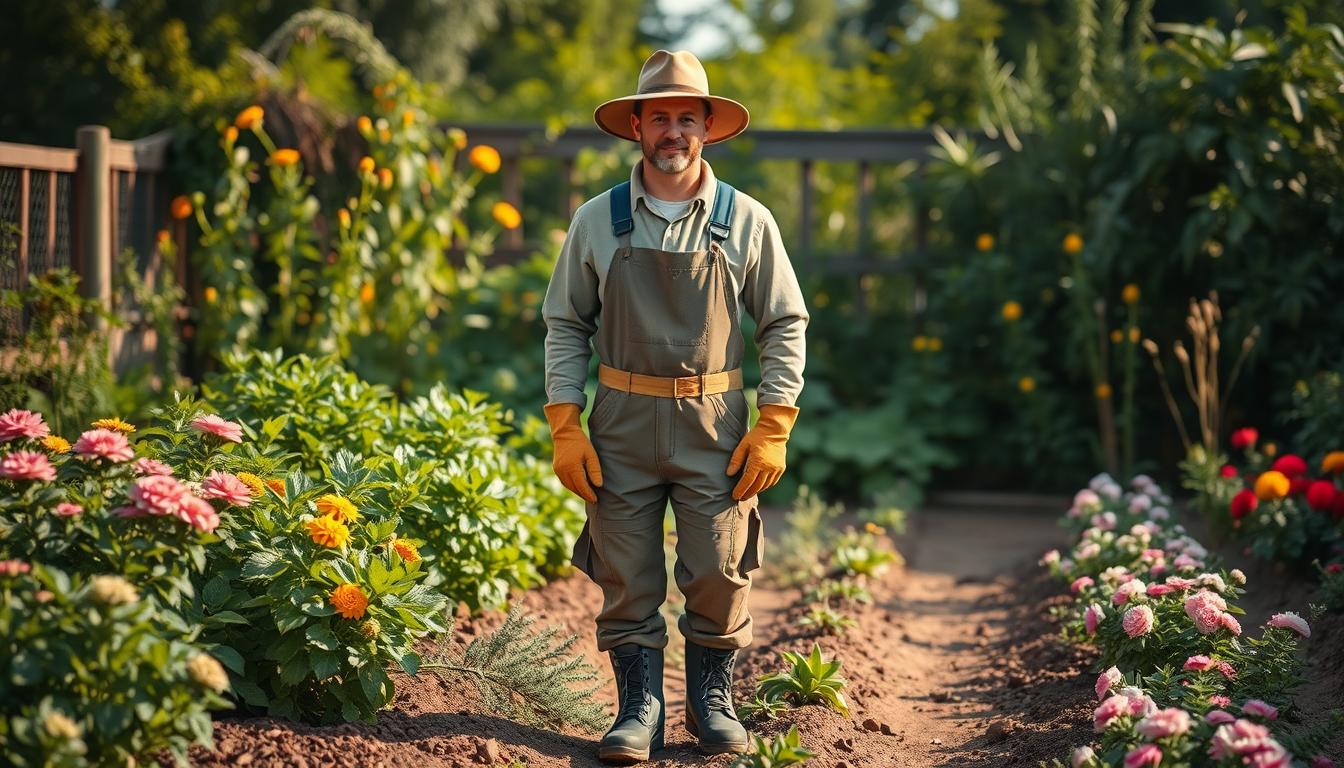
I stealthily went through the fence, trying not to disturb any nocturnal creatures. To my surprise, my neighbor, Mr. Johnson, had been diligently watering his plants at night for years. Intrigued, I spoke with him to learn more about his nighttime watering routine.
He explained that he preferred watering at night because it allowed the plants to absorb the water slowly without the harsh sun drying out the soil. Mr. Johnson also mentioned that watering at night reduced evaporation, ensuring the plants received all the moisture they needed.
Contrary to what some gardeners believed, he had never experienced any negative effects from this practice of nighttime watering. As we continued our conversation, Mr. Johnson pointed out the beauty of his garden.
The vibrant flowers and lush foliage were a testament to the success of his nighttime watering routine. It was clear that his plants thrived, even under the cover of darkness. Feeling enlightened, I returned to my garden with a newfound perspective.
I realized that there was no one-size-fits-all answer to the question of watering plants at night. Instead, it depended on various factors such as temperature, moisture levels, and each plant’s specific needs, indicating that morning is the best time for some plants.
So, is it bad to water plants at night? The answer, as I discovered, is no. It can actually be beneficial in some instances, just like Mr. Johnson’s thriving garden. The key is to ensure proper watering practices, regardless of the time of day.
Key Takeaways
- Watering plants at night is generally safe and can have benefits, such as minimizing water loss and providing moisture during cooler nighttime temperatures.
- There is a misconception that plants won’t absorb water at night or that it can lead to disease. However, potting mediums store water for the roots to access over time.
- While watering plants at night is generally acceptable, factors like temperature and moisture levels should be considered.
- Proper watering practices, such as targeting the soil instead of the foliage and avoiding overwatering, are crucial to avoid risks like fungal diseases and root rot.
- The best time to water plants depends on various factors, and it is vital to monitor plant health and adjust watering practices accordingly.
Debunking the Myths: Why Do People Think Watering Plants at Night is Bad?
There are several myths and misconceptions associated with watering plants at night. These negative beliefs often stem from a lack of understanding about how plants absorb water and the role of moisture in their growth.
Let’s debunk these myths and shed some light on the truth about watering plants at night.
Myth 1: Plants won’t absorb water at night.
This myth suggests that plants shut down at night and cannot absorb water. However, it is important to remember that plants have a unique system for absorbing and utilizing water efficiently.
The roots of plants are in constant contact with the potting medium, which acts as a reservoir, storing water for the roots to draw from whenever they need it. So, even if you water your plants at night, the roots can still access the water over time.
Myth 2: Watering at night causes disease.
Some believe that watering plants at night creates a damp environment that promotes the growth of diseases, such as fungal infections.
While excessive moisture can contribute to fungal issues, it’s essential to understand that these problems arise from overwatering or improper watering practices rather than the timing itself.
Following proper watering guidelines and avoiding wetting the foliage excessively, watering at night does not inherently lead to disease.
In reality, watering plants at night can have several benefits.

The Benefits of Watering Plants at Night
- Minimizes water loss through evaporation: During the heat of the day, watering plants can result in significant water loss due to evaporation. Watering at night helps mitigate this loss by reducing the exposure of water to direct sunlight.
- Provides moisture during cooler temperatures: Night-time watering ensures plants can access moisture during cooler nighttime temperatures. This can be particularly beneficial during dry spells or in regions with hot climates.
Watering Plants at Night vs Morning: Which is Better?
Gardeners often debate the best time to water plants. While some believe that watering in the morning is best, others argue that watering at night can be equally beneficial.
Watering in the morning has its advantages. It provides plants with a freshwater supply to withstand the day’s heat, ensuring they remain hydrated throughout the day.
Watering in the morning allows time for the moisture to dry before nightfall, reducing the risk of fungal diseases. This is especially important for plants sensitive to excessive moisture, such as succulents.
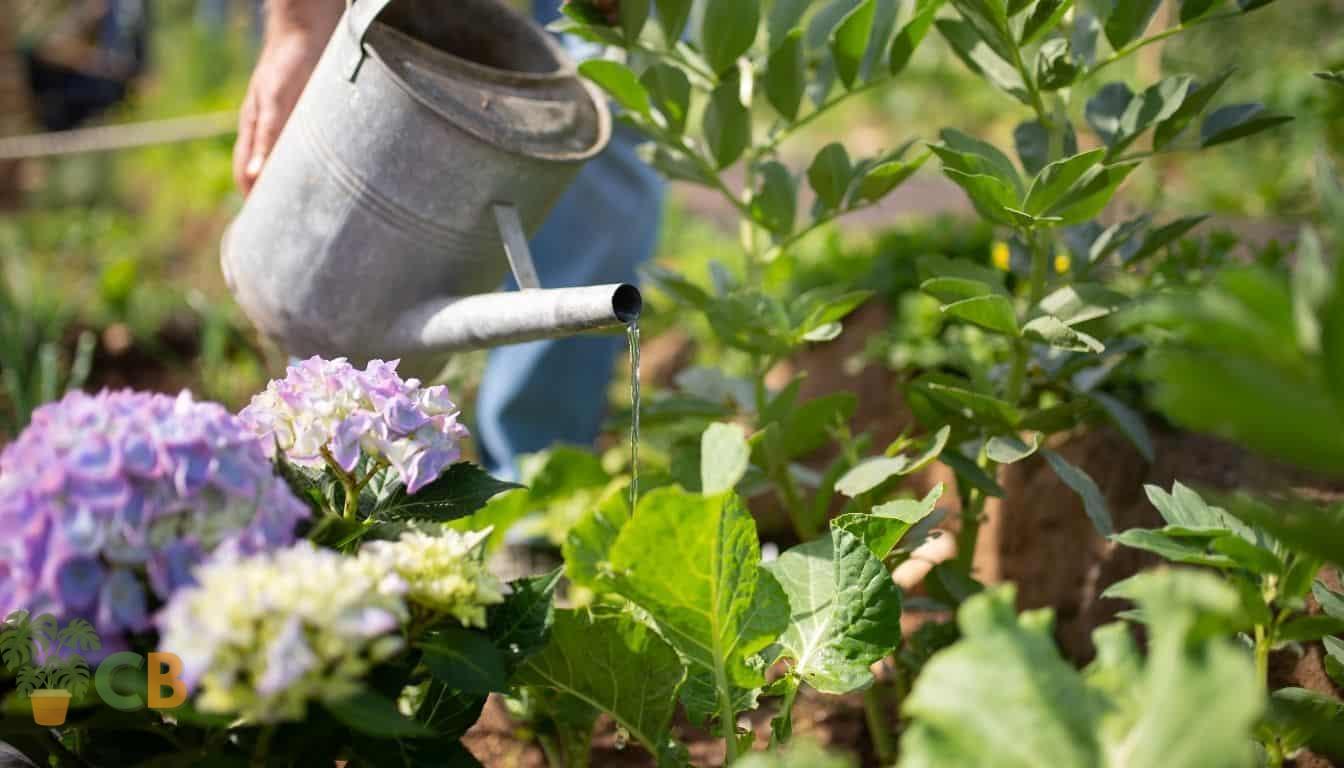
On the other hand, watering in the evening can offer its own benefits. By watering at night, you can minimize water loss due to evaporation during the hotter daytime temperatures. The cooler nighttime temperatures also allow the plants to absorb the moisture more effectively.
Contrary to the belief that plants shut down at night, studies have shown that they can still absorb water and transpire.
Ultimately, the best time to water plants depends on various factors, including the specific plant’s needs and local environmental conditions. Some plants may thrive with morning watering, while others may prefer the moisture provided by watering at night.
It is important to observe your plants and adjust your watering schedule accordingly.
Consistent watering is vital to maintaining healthy plants. Whether you water in the morning or at night, ensure that you provide the right amount based on your plant’s requirements. Avoid overwatering, as this can lead to root rot and other issues.
| Benefits of Watering in the Morning | Benefits of Watering at Night |
|---|---|
| Provides fresh water for plants to withstand daytime heat | Minimizes water loss due to evaporation during the day |
| Dries moisture on foliage before nightfall, reducing the risk of fungal diseases | Allows plants to absorb moisture effectively during cooler nighttime temperatures |
| Suitable for plants sensitive to excessive moisture | Provides moisture to plants throughout the night |
Expert Opinion:
“Watering in the morning is a common practice among gardeners, as it gives plants the necessary hydration to endure the day. However, watering at night can be equally effective, especially during hot summers when water evaporates quickly. The key is to monitor the needs of your plants and adjust your watering schedule accordingly.” – Dr. Emily Green, Botanist.
Please remember to consider factors such as temperature, plant type, and moisture levels in the soil when deciding whether to water at night or in the morning. By understanding your plants’ specific needs and providing appropriate watering, you can help them thrive.
When is it Safe to Water Plants at Night?
Watering plants at night can be safe and beneficial under certain conditions. It is generally safe to water plants at night when the temperature is reasonably warm and the plants are not overwatered.
Warmer temperatures ensure that the water will not mix poorly with the soil, reducing the risk of waterlogging. Late spring, summer, and early fall/autumn months often have warmer nights, making them ideal for nighttime watering.
Additionally, water is not needed at night if the plant is already well-hydrated and does not require additional moisture. Considering these conditions, nighttime watering can be a low-risk option for plant care.
However, it is essential to be mindful of the soil’s moisture levels and the plants’ specific needs. Overwatering at night can lead to root rot and other issues, so assessing the soil’s moisture content is crucial before watering.
Using a moisture meter or simply checking the soil’s dampness with your finger can help determine if watering is necessary.

It’s important to avoid watering plants at night during colder temperatures, particularly in winter. Cold nights can cause temperatures to drop significantly, increasing the risk of plant damage or death.
If plants are exposed to low temperatures without proper protection, watering at night can increase the chances of cold stress.
To summarize, here are the conditions when it is safe to water plants at night:
- Reasonably warm temperatures
- Plants are not being overwatered
- Late spring, summer, or early fall/autumn months
To ensure the safety and health of your plants, always consider the specific needs and environmental conditions. Regularly monitor soil moisture levels and adjust your watering schedule accordingly.
| Conditions for Safe Nighttime Watering | Unsafe Nighttime Watering Conditions |
|---|---|
| Reasonably warm temperatures | Cold temperatures, especially in winter |
| Plants are not being overwatered | Overwatering |
| Late spring, summer, or early fall/autumn months | Plants already well-hydrated and don’t require additional moisture |
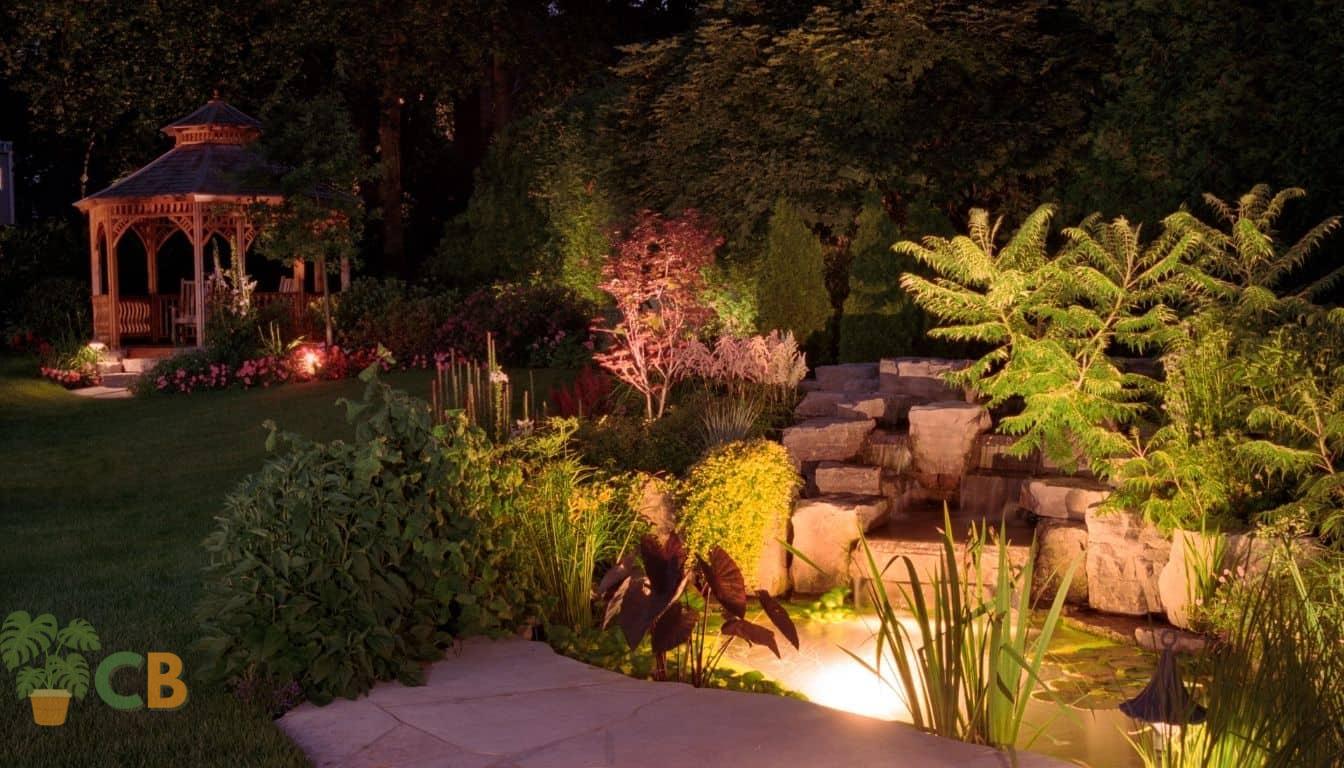
When is it NOT Safe to Water Plants at Night?
While it is generally safe to water plants at night, it is not recommended in certain circumstances. One such situation is during freezing temperatures, especially in winter.
Cold nights can cause a significant drop in temperature, posing a risk to the plants and potentially leading to damage or even death. Watering at night can exacerbate the cold stress if plants are exposed to low temperatures without proper protection.
Another scenario where watering plants at night may not be safe is when overwatering occurs, indicating that much water is used. Overwatering can lead to root rot and other issues, regardless of the time of day.
It is essential to monitor the soil’s moisture levels and avoid excessive watering, especially at night when assessing the plant’s condition is more challenging.
Factors like temperature and moisture levels must be considered when deciding whether to water plants at night. Frigid temperatures and overwatering are two prominent risks associated with nighttime watering.
By monitoring these conditions, you can ensure the safety and health of your plants.
Expert Opinion
“While watering plants at night can benefit certain situations, it is important to be cautious. Cold temperatures can harm plants, and overwatering can lead to root rot. It is crucial to consider the specific needs of your plants and maintain proper care and monitoring to avoid any potential risks.” – Dr. Samantha Hort, Horticulturist
Key Dangers of Watering Plants at Night
Watering plants at night can pose certain risks that gardeners should be aware of. One of the main dangers is the increased risk of fungal diseases.
Excess moisture on the foliage and soil creates a favorable environment for fungal growth, making plants more susceptible to issues like powdery mildew and leaf spot.
Wet leaves and damp conditions can also attract pests like ants, slugs and snails, further damaging the plants.
Watering at night without proper monitoring can lead to overwatering and waterlogging, which can cause root rot and overall plant decline.
Excess moisture can suffocate the plant’s roots and hinder their ability to absorb oxygen, leading to fungal infections and weakened plant health.
To mitigate these risks, it is crucial to take precautions when watering plants at night:
- Avoid wetting the foliage: Instead, target the soil around the base of the plant to deliver water directly to the root zone.
- Use timers or other tools: This controls watering and prevents excessive moisture buildup.
- Maintaining proper drainage: Ensuring water can freely flow away from the plant’s roots prevents waterlogging and rot.
By following these guidelines, gardeners can reduce the risks of watering plants at night and promote healthy plant growth.
Expert Opinions on Watering Plants at Night
Experts have varying opinions about watering plants at night. Agronomists and landscapers believe nighttime watering can be acceptable if certain precautions are taken to preserve plant health.
These precautions include avoiding wetting the foliage and employing slow and accurate watering methods such as drip irrigation or soaker hoses.
Proponents of watering at night argue that it helps minimize water loss and reduces the chances of leaf burn caused by direct sunlight. However, some experts caution against routinely watering plants at night.
These experts are concerned about the potential for fungal growth and unhealthy soil conditions due to prolonged dampness. They believe watering in the morning, when the soil is cooler, is a safer alternative.
Moisture can be absorbed more easily during these early hours, minimizing the risk of fungal diseases and root rot.

By considering these expert opinions, gardeners can make informed decisions and adapt their watering practices accordingly.
“I believe that watering at night can be beneficial as long as proper precautions are taken. Avoiding wetting the foliage and utilizing slow watering methods can help minimize the risks associated with nighttime watering.” – Dr. Samantha Hort, Horticulturist
Remember, every garden and plant is unique, so it’s essential to observe the specific needs of your plants and adapt your watering routine accordingly.
Consulting with local gardening experts or professionals can also provide valuable insights tailored to your particular climate and plant species.
Best Practices for Watering Plants at Night:
- 1. Avoid wetting the foliage.
- 2. Use slow and accurate watering methods like drip irrigation or soaker hoses to water the garden.
- 3. Monitor soil moisture levels and adjust watering accordingly.
- 4. Water earlier at night to allow sufficient time for leaves and soil to dry before morning.
- 5. Consider the specific needs of your plants, climate, and soil conditions.
By adhering to these best practices and staying informed about expert opinions, you can make informed decisions regarding nighttime watering and ensure the health and vitality of your plants.
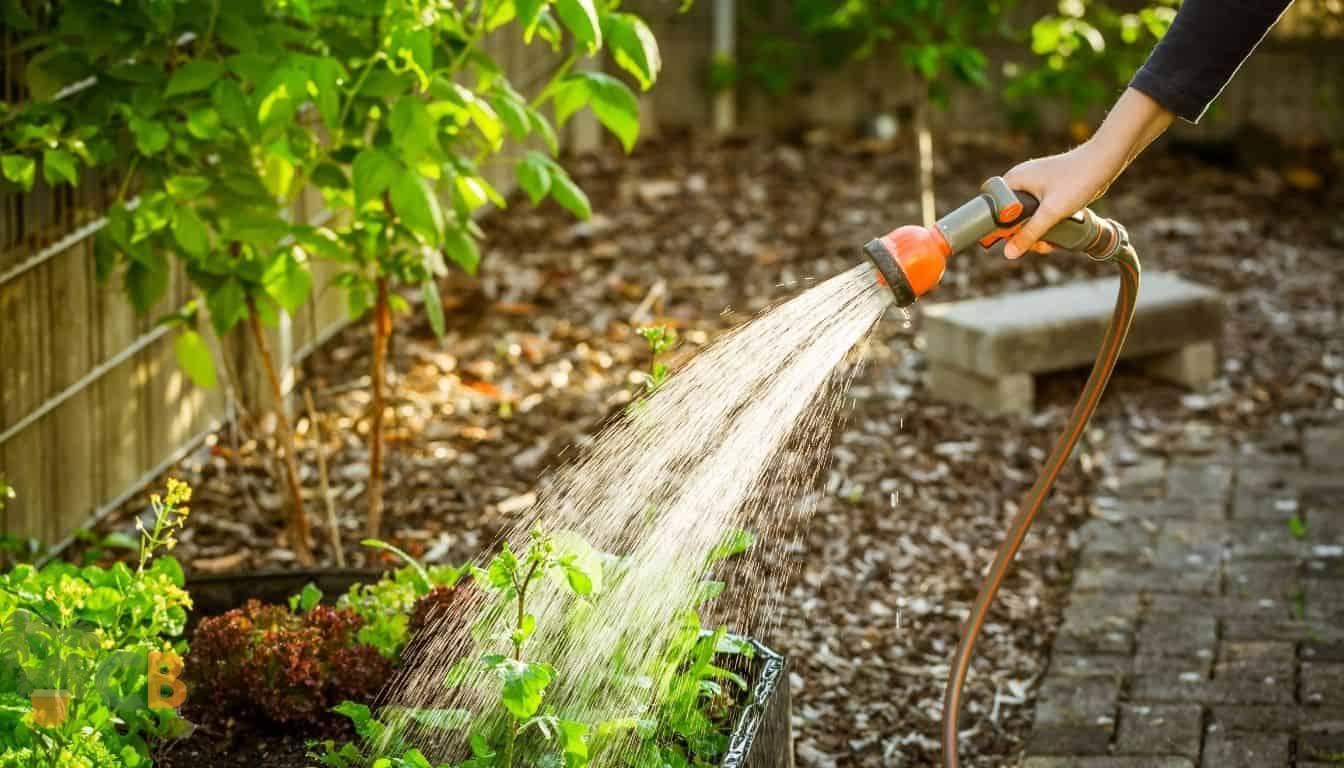
Frequently Asked Questions (FAQs) On Is It Bad to Water Plants At Night
1. Is it bad to water plants at night?
Watering plants at night is not necessarily bad. It is a common misconception that plants won’t absorb water or that it can lead to disease. However, if proper watering practices are followed, it is safe to water plants at night.
2. When is it safe to water plants at night?
It is generally safe to water plants at night when the temperature is reasonably warm and the plants are not overwatered. Late spring, summer, and early fall/autumn months often have warmer nights, making them ideal for nighttime watering.
3. When is it NOT safe to water plants at night?
It is not safe to water plants at night during very cold temperatures, particularly in winter. Cold nights can cause temperatures to drop significantly, increasing the risk of plant damage. Overwatering at night can lead to issues like root rot, regardless of the time of day.
4. What do experts say about watering plants at night?
Experts have varying opinions on watering plants at night. Some believe it is acceptable if precautions are taken, such as avoiding wetting the foliage and using accurate watering methods. However, others caution against routine watering at night due to the potential for fungal growth and unhealthy soil conditions.
5. What are the best practices for watering plants?
It is important to monitor plant health and adjust watering practices accordingly. Factors like specific plant needs and local environmental conditions should be considered. Proper watering practices are crucial to avoid fungal diseases and overwatering risks.
6. What is the best time to water plants?
The best time to water plants is early morning or evening. This allows the plants to absorb the moisture before the day’s heat or night’s cold begins, reducing the risk of fungal diseases.
7. When is the worst time to water plants?
The worst time to water plants is during the hottest part of the day, such as midday, as most of the water will evaporate before the plants can absorb it.
8. Can I water my plants late in the evening?
Plants should not be watered late in the evening, as the moisture can linger overnight, creating a favorable environment for developing fungal diseases.

Final Thoughts On When Is It Bad to Water Plants at Night
So, is it ok to water plants at night? Watering plants at night can be safe and effective, but it requires careful attention to best practices. While there are benefits to watering at night, such as reducing water loss and providing moisture during cooler temperatures, it is important to consider factors like temperature and moisture levels.
You can minimize the risks associated with nighttime watering by following proper watering practices, including targeting the soil instead of the foliage and using slow and accurate watering methods.
It is also essential to monitor plant health and adjust watering practices accordingly. By assessing your specific plant’s needs and considering local environmental conditions, you can determine the best time to water. This may vary depending on the plant type and the season.
Please remember that overwatering and prolonged dampness can lead to fungal diseases and root rot, so it is crucial to avoid excessive watering, regardless of the time of day.
When done correctly, watering plants at night can be beneficial. By following best practices, considering your plants’ specific needs, and paying attention to temperature and moisture levels, you can promote healthy plant growth and conserve water.
Please monitor your plants and adapt your watering routine to ensure optimal results. Happy growing.
Further Recommendations:
- Best Indoor Oxygen Plants
- Best Humidifier For Plants
- The Art of Sustainable Gardening: Eco-Friendly Gardening Practices
- How to Stop Ants Nesting in Plant Pots
- How to Keep Cats from Eating Plants
- How to Keep Squirrels Out of Potted Plants
- How to Keep Pigeons Off the Balcony
- 10 Best Indoor Gardening Books
- 10 Best Patio and Balcony Gardening Books
- What Plants Like Coffee Grounds and Eggshells?
Video: Watering plants during heat waves
Reference Links
- Heat Stress Decreases Levels of Nutrient Uptake – NCBI
- Nutrient uptake and assimilation – Wiley Online Library
- Effect of different day and night nutrient solution concentrations on growth – Sci ELO



Leave a Reply