
Are you tired of battling seasonal allergies? Wondering which plant is best for allergies? I’ve been on a mission to find natural solutions. These can help reduce my allergy symptoms without relying solely on medication.
Living with allergies isn’t just about managing sneezes and sniffles. It’s about creating an environment that supports your respiratory health. Through years of research and personal experience, I’ve found that some hypoallergenic houseplants can be game-changers for allergy sufferers.
My journey into understanding which plant is best for allergies started when traditional treatments left me feeling frustrated and hopeless. I realized that certain plants could actually help filter air, reduce pollen, and create a more breathable living space.
Key Takeaways
- Not all plants trigger allergies – some can help reduce symptoms
- Certain houseplants act as natural air purifiers
- Strategic plant selection can improve indoor air quality
- Hypoallergenic plants offer natural relief for allergy sufferers
- Understanding plant characteristics is crucial for allergy management
Understanding Allergies and Their Triggers
Allergies can really disrupt our daily lives, making it hard to breathe and causing discomfort. I started learning about allergies by seeing how the environment affects them.
Learning about low-pollen plants for allergy sufferers is key. Wind-pollinated plants are the biggest problem. They release tiny pollen particles that can easily get into our lungs.
Common Allergens in Our Environment
Allergic reactions come from many sources, including:
- Pollen from trees and grasses
- Dust mites
- Pet dander
- Mold spores
- Indoor air pollutants
How Plants Can Provide Natural Relief
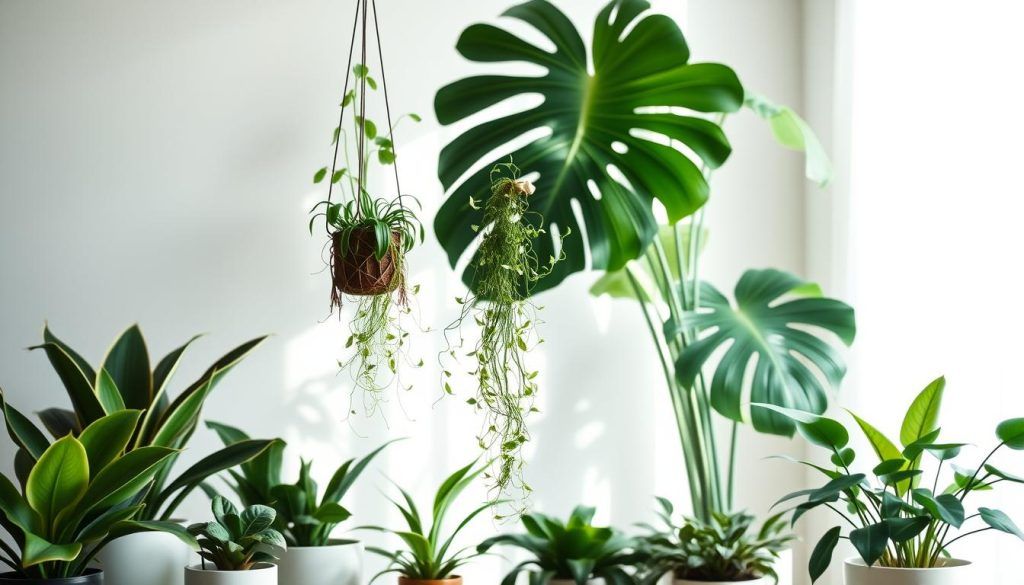
HEPA-filtering indoor plants is a natural way to reduce indoor allergens. These plants act like air purifiers, catching and neutralizing allergens.
| Plant Type | Allergen Reduction Capability | Recommended for |
|---|---|---|
| Spider Plant | High | Removing formaldehyde |
| Snake Plant | Moderate | Filtering indoor air |
| Peace Lily | High | Reducing mold spores |
The Science of Plant-Based Allergy Management
Plants with big, sticky leaves catch more airborne particles. Insect-pollinated plants have heavier pollen that doesn’t float as much. This makes them better for people with allergies.
By choosing low-pollen plants, we can make our homes healthier. This helps reduce breathing problems and improves air quality.
Top Houseplants for Allergy Sufferers
Living with allergies can be tough, but some indoor plants can help. They make your home healthier and ease breathing problems.
I searched for the best indoor plants for asthma. I found three amazing plants that clean the air well:
Spider Plant: Your Quiet Air Defender
Spider plants are top-notch at cleaning the air. They:
- Filter out toxins like formaldehyde and xylene
- Make oxygen without pollen
- Grow well in different light
Peace Lily: Elegant Respiratory Support
The peace lily is not just beautiful. It also:
- Removes airborne allergens
- Takes in harmful pollutants
- Helps keep the air moist, making breathing easier
Boston Fern: Natural Humidity Regulator
Boston ferns improve the air quality in your home. They:
- Get rid of indoor pollutants
- Keep the air moist
- Act as a natural humidifier
Pro tip: Put these plants where you spend most of your time. This way, you get the most air-purifying benefits.
Outdoor Plants That Reduce Allergies
Creating an allergy-friendly garden is more than a dream. It’s achievable with the right plants. I’ve found many non-allergenic flowering plants that make your outdoor space a healthy haven.
To design an outdoor space that reduces allergy symptoms, choose plants wisely. Look for plants with little pollen and sticky flowers that don’t spread pollen far.
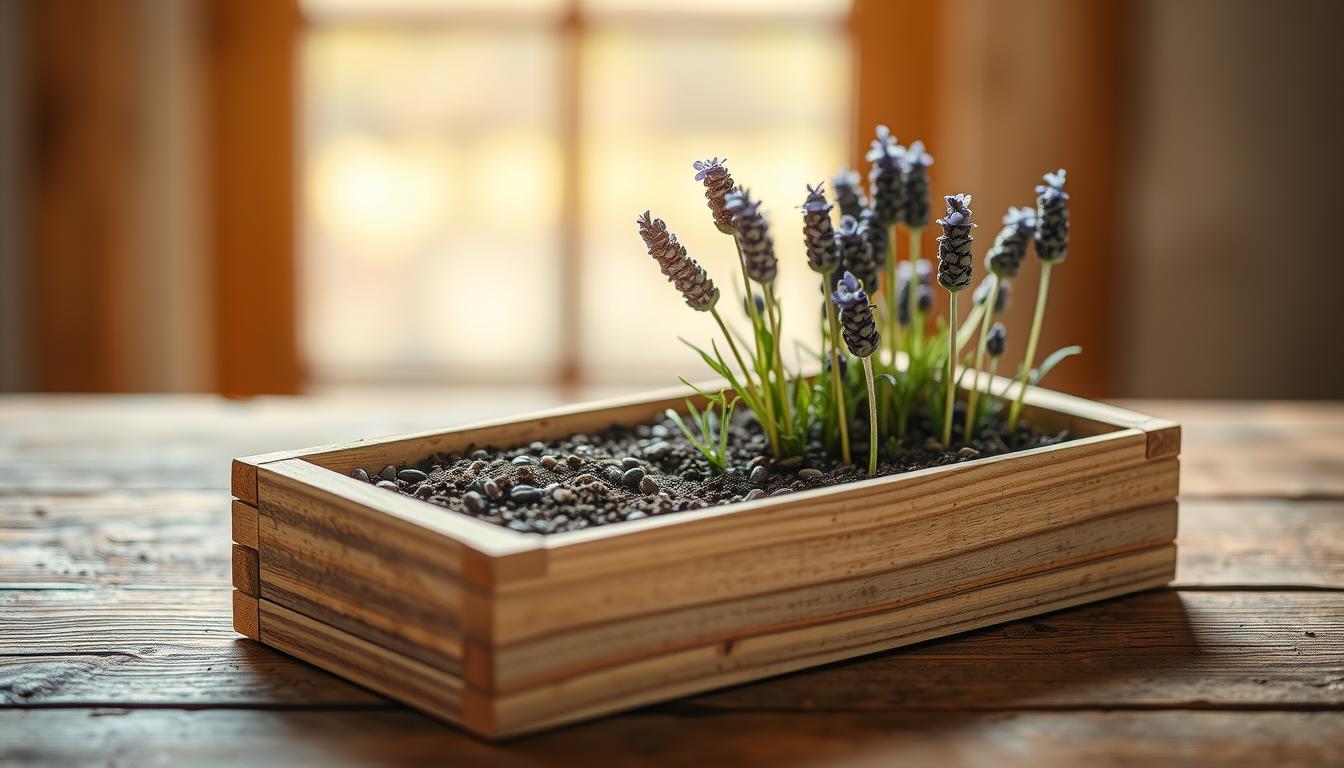
Lavender: Nature’s Allergy Warrior
Lavender is a top pick for allergy-friendly gardens. Its purple flowers are not only beautiful but also have natural allergy-fighting properties. The plant’s design helps keep pollen from spreading, making it safe for those with allergies.
- Low pollen production
- Calming aromatherapy benefits
- Attracts beneficial pollinators
Eucalyptus: Breathe Easy
Eucalyptus is more than just a pretty plant. These non-allergenic flowering plants clean the air. Their leaves help filter out allergens, making the air in your garden cleaner.
Rosemary: Culinary and Respiratory Delight
Rosemary is another great choice for allergy-friendly gardens. It produces little pollen and has leaves that are great for cooking and breathing.

Pro tip: Hydrangeas are known for their large, showy blooms and are generally considered low-allergy plants. Their pollen is sticky and not easily airborne, reducing inhalation risks.
By picking these plants, you can make a beautiful outdoor space. It will support your breathing and look great without causing allergies.
The Benefits of Indoor Plants
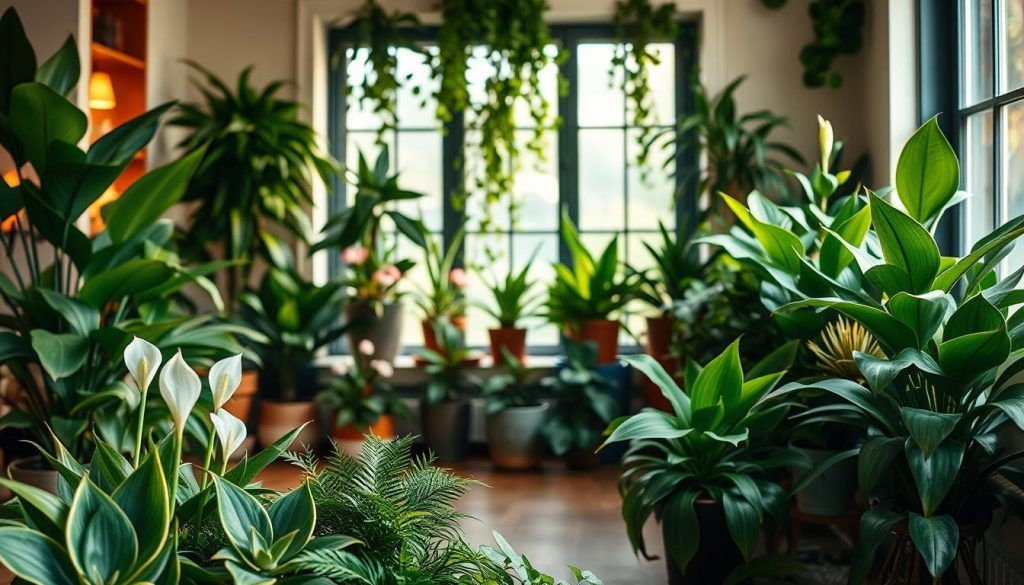
Indoor plants are more than just decorations. They can be big helpers for people with allergies. They make living spaces healthier.
Improved Air Quality
Peace lilies are great for allergies. They clean the air by removing bad stuff. This makes it easier to breathe.
- Filter out benzene and carbon monoxide
- Reduce indoor air pollutants
- Create a cleaner breathing environment
Enhanced Mood
Indoor plants do more than clean the air. They also make us feel better. Green spaces have a calming effect that lowers stress and anxiety.
“Plants are like silent therapists, healing our indoor environments one leaf at a time.” – Plant Wellness Expert
Moisture Regulation
Some plants help control humidity. Peace lilies, for example, keep the air moist. This helps with dry throat and itchy eyes.
| Plant Type | Air Purification | Humidity Control |
|---|---|---|
| Peace Lily | Excellent | High |
| Spider Plant | Good | Moderate |
| Boston Fern | Very Good | High |
Choosing the right indoor plants can make your home healthier. It supports allergy relief and overall well-being.
Seasonal Plants for Allergies
Navigating seasonal allergies doesn’t mean giving up on enjoying beautiful gardens. I’ve found amazing low-pollen plants for allergy sufferers. These plants can make your outdoor spaces beautiful without causing symptoms.
Seasonal gardening can be tough for those with allergies. The key is selecting the right allergy-friendly garden plants. These plants should have low pollen to avoid symptoms while still looking great.
Spring Blossoms: Pansies and Tulips
Spring gardening is great for people with allergies. Pansies and tulips are top picks. They:
- Produce minimal airborne pollen
- Provide vibrant colors
- Bloom early in the season
- Require minimal maintenance
Autumn Elegance: Chrysanthemums
As fall comes, chrysanthemums are my favorite for allergy-friendly gardens. They offer beautiful colors and low pollen levels.
Plant these seasonal flowers in spots where you can enjoy them without allergens. Knowing each plant’s traits helps you create a stunning, healthy garden.
Choosing the Right Plant for Your Space
Finding the perfect hypoallergenic houseplant is more than just picking a pretty leaf. It’s about understanding your space and picking the right plant for it. When choosing a plant for allergies, several important factors come into play.
Your living space affects which plants will thrive and help manage allergies. Not every plant is right for every location. So, careful selection is crucial.
Understanding Light Conditions
Different plants need different light. Some need bright, direct sunlight, while others prefer shady corners. Here are my top picks:
- Parlor Palm: Ideal for low-light spaces
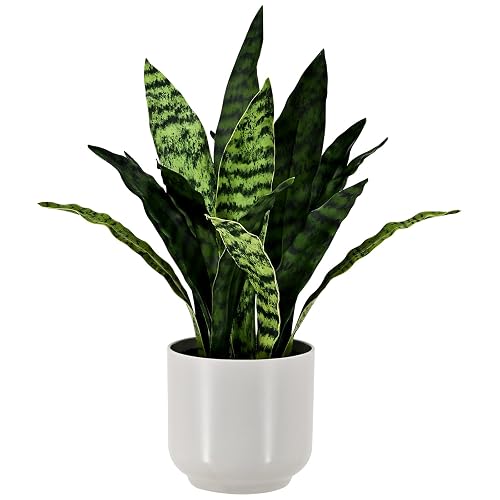
- Snake Plant: Tolerates minimal sunlight
- Spider Plant: Adapts to various light conditions
Space Size Matters
When choosing a plant for allergies, consider your room’s size. Small apartments need compact plants, while big rooms can handle larger ones.
Measure your space before picking a plant. Succulents are great for small spaces, while larger ferns suit large rooms.
- Small Spaces: Succulents, Air Plants
- Medium Rooms: Peace Lily, Boston Fern
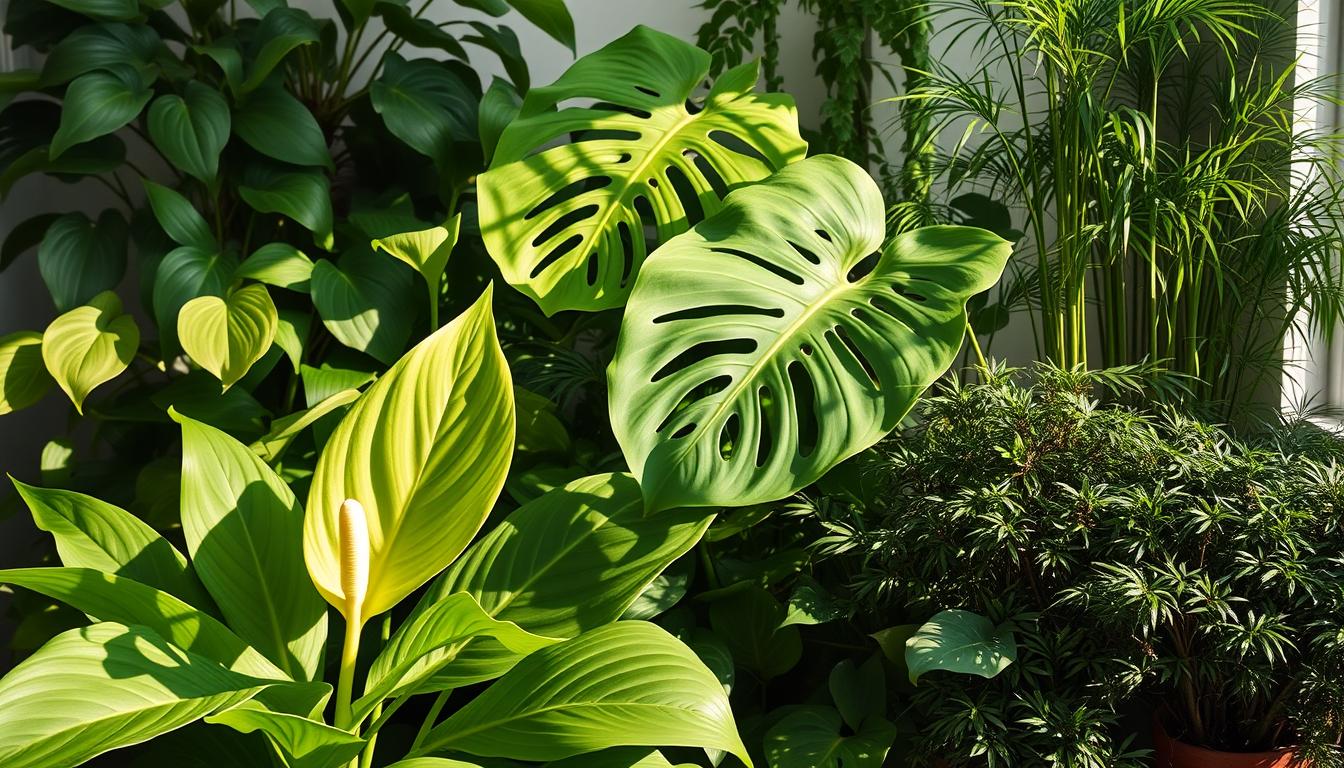
- Large Areas: Rubber Plant, Monstera
The goal is to find a hypoallergenic houseplant that fits your space and supports your health.
Caring for Allergy-Friendly Plants
Keeping air-purifying plants healthy for allergies is key. It ensures your indoor plants thrive without triggering allergies. I’ve learned how to care for plants in a way that’s good for both them and your breathing.
Watering Strategies for Best Indoor Plants for Asthma
Watering your asthma-friendly plants correctly is essential. Each plant needs different amounts of water. Here are some basic tips:
- Check soil moisture before watering
- Use room temperature water
- Avoid overwatering to prevent mold growth
- Drain excess water from plant saucers
Fertilization Tips
Feeding your plants properly is important. I suggest using organic, low-dust fertilizers. This helps keep your plants healthy and reduces allergy risks.
| Plant Type | Fertilization Frequency | Recommended Fertilizer |
|---|---|---|
| Snake Plant | Every 2-3 months | Balanced liquid fertilizer |
| Peace Lily | Monthly during growing season | Diluted organic fertilizer |
| Spider Plant | Quarterly | Slow-release granular fertilizer |
Pruning for Optimal Health
Pruning your plants regularly is vital. It keeps them healthy and dust-free. Clean pruning tools with rubbing alcohol to avoid spreading diseases.
- Remove dead or yellowing leaves
- Trim overgrown branches
- Maintain plant shape
- Inspect for pest damage
By following these care tips, you’ll make your home healthier. You’ll enjoy beautiful plants that clean the air and help your breathing.
The Role of Essential Oils in Allergy Relief
Looking for the best air purifying plants for allergies? Essential oils can help manage allergy symptoms. These plant extracts are powerful for seasonal and environmental allergies.
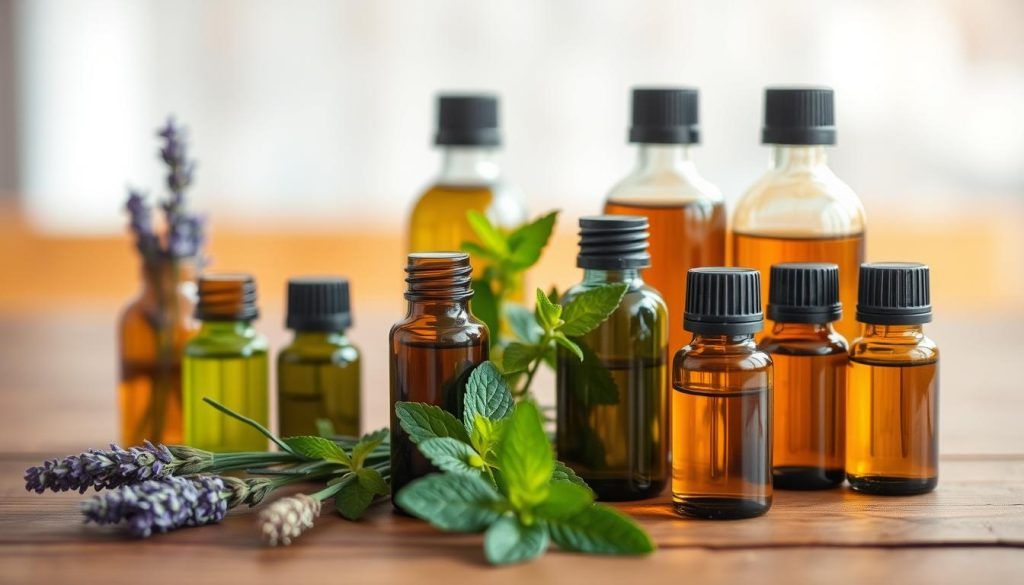
Essential oils are a natural way to boost respiratory health. They make living spaces more comfortable. My research found several essential oils that can ease allergy symptoms and improve well-being.
Powerful Essential Oils for Allergy Defense
- Lavender: Reduces inflammation and promotes relaxation
- Eucalyptus: Clears nasal passages and supports respiratory health
- Peppermint: Helps open airways and reduce congestion
- Tea Tree: Provides antimicrobial and anti-inflammatory properties
Diffusing Essential Oils Safely
To get the most from essential oils, use a good diffuser. Here’s how:
- Start with small amounts of oil
- Use pure, therapeutic-grade essential oils
- Dilute oils properly before use
- Consult with a healthcare professional if you have specific health concerns
| Essential Oil | Allergy Relief Benefits | Recommended Diffusion Time |
|---|---|---|
| Lavender | Reduces inflammation | 15-30 minutes |
| Eucalyptus | Clears respiratory passages | 20-40 minutes |
| Peppermint | Opens airways | 10-25 minutes |
Essential oils are not a cure-all for allergies. They work best when used alongside air purifying plants and medical care.
Common Misconceptions About Allergies and Plants
Many people think all plants can cause allergies. But the truth is more complex. I’ve studied hypoallergenic houseplants and want to share what I’ve learned.
Do All Plants Cause Allergies?
Not all plants are bad for people with allergies. In fact, some can even help by improving air quality. Here are a few examples:
- Spider plants filter indoor air
- Peace lilies remove toxins
- Boston ferns absorb moisture
Myths About Pollen
Pollen is often blamed for allergies. But it’s not that simple. Not all plant pollen is created equal. Some plants, like lilies, have pollen that doesn’t usually get airborne.
“Understanding plant biology can help allergy sufferers make informed choices about indoor and outdoor greenery.” – Botanical Allergy Research Institute
When picking plants, choose ones with little airborne pollen. Good choices include:
- Orchids
- Roses
- Tulips
By knowing how plants and allergies work, you can make your home healthier and more comfortable.
Alternative Remedies for Allergies
Dealing with allergies can be tough, but I’ve found some great natural ways to help. These methods work well with HEPA-filtering indoor plants to ease symptoms. There are strong alternative remedies that can really help.
When choosing the best plant for allergies, it’s important to know that natural supplements can help, too. They work well with air-purifying plants to lessen allergic reactions.
Natural Supplements for Allergy Management
Here are my top picks for natural allergy relief:
- Quercetin: A strong antioxidant that fights inflammation
- Butterbur: Helps clear up nasal congestion
- Probiotics: Keep the immune system in check
- Vitamin C: Boosts the immune system and lowers histamine
Home Remedies That Work
I’ve also found some home remedies that help a lot:
- Nasal irrigation with a saline solution
- Trying local honey
- Using steam inhalation with eucalyptus oil
- Keeping the air clean with indoor plants
By mixing these natural methods with HEPA-filtering indoor plants, you can make a strong plan to fight allergies. This plan can lessen symptoms and make breathing easier.
Frequently Asked Questions (FAQs)
Which houseplant is best for allergy sufferers?
Can plants actually help reduce allergy symptoms?
Are there outdoor plants that won’t trigger my allergies?
How do I choose the right plant for my home if I have allergies?
Do indoor plants help with air quality?
Are there any plants that are completely hypoallergenic?
Can plants help with seasonal allergies?
How often should I care for my allergy-friendly plants?
Are essential oils from plants helpful for allergies?
Do all plants produce pollen that triggers allergies?
Final Thoughts: My Personal Picks for Allergy Relief
Exploring hypoallergenic houseplants has shown me that you can have greenery without allergies. The best plant for allergies changes based on your sensitivities. But the right plants can make your home feel fresh.
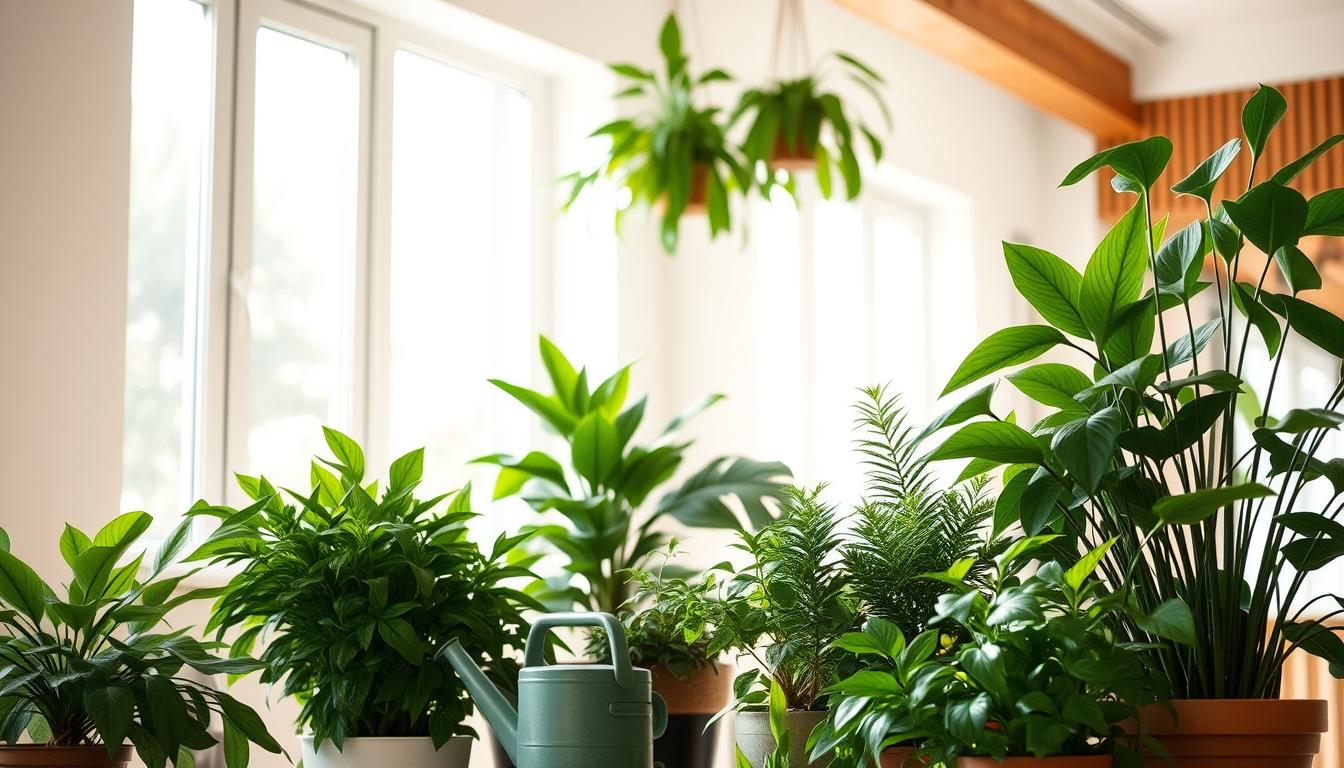
My experience with allergy-friendly plants has been amazing. Spider plants, peace lilies, and Boston ferns have changed my home. They’re not just pretty; they also clean the air, making it healthier.



Trying out different plants has been a great learning experience. Start with just one or two plants that you like. See how they affect your home and health.
Finding the right plant is a personal journey. What works for one person might not work for another. Trust your feelings, observe, and try new things. Your perfect plant is waiting for you.
Further Recommendations:
- Best Indoor Greenhouse
- Bucket Gardening
- Why are my plants drooping?
- How to care for an air plant
- Hydroponic Gardening
- How to Keep Pigeons Off the Balcony?
- Best Patio Furniture Covers
- Patio Pet Games
- Best Kitchen Composters
- Eco-Friendly Homes – Sustainable Living
- Best Soil For Snake Plants
- How to Build a Patio Cover
- Houseplant Happiness! A Guide on How to Clean Plant Leaves Effectively
- 10 Best Indoor Gardening Books
- How to Stop Ants Nesting in Plant Pots
- What Plants Don’t Like Epsom Salt? Garden Tips for Using Indoors and Outdoors
- How to Plant Carrot Seeds
Video: Plants for People with Allergies
Reference Links
- Top Fragrant Houseplants – Missouri Botanical Garden
- Effect of Fragrant Primula Flowers on Physiology and Psychology – NCBI
- Central Florida Gardening Calendar – UFL


Leave a Reply