
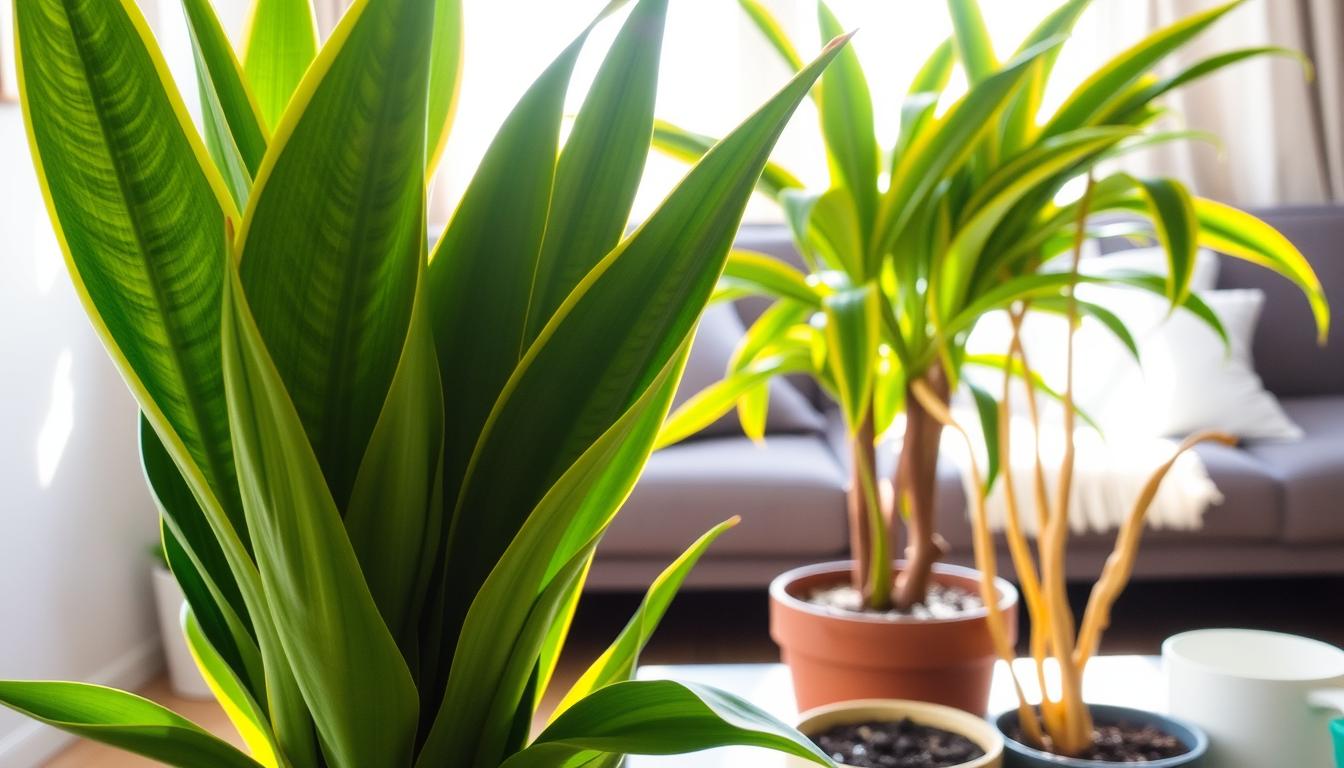
Ever seen your snake plant turn yellow? It’s a common problem, but don’t worry. There are easy fixes to help your plant recover to good health. The first step is to determine the cause of the issue and address it promptly.
Why is my snake plant turning yellow, and what can I do to correct the issue? Let’s find out together!
Key Takeaways
- Several factors, including overwatering, nutrient deficiencies, and inadequate lighting conditions, can cause yellowing leaves in snake plants.
- Understanding the specific signs and symptoms can help you identify the root cause and implement the right solutions to revive your plant.
- Adjusting your watering, fertilizing, and lighting practices, as well as monitoring for pests and diseases, are crucial to maintaining a healthy and vibrant snake plant.
- With proper care and attention, you can easily troubleshoot and address any issues your snake plant may encounter.
- Regularly inspecting your plant and making timely adjustments to its environment can help prevent future problems and keep your snake plant thriving.
Understanding Snake Plant Overview
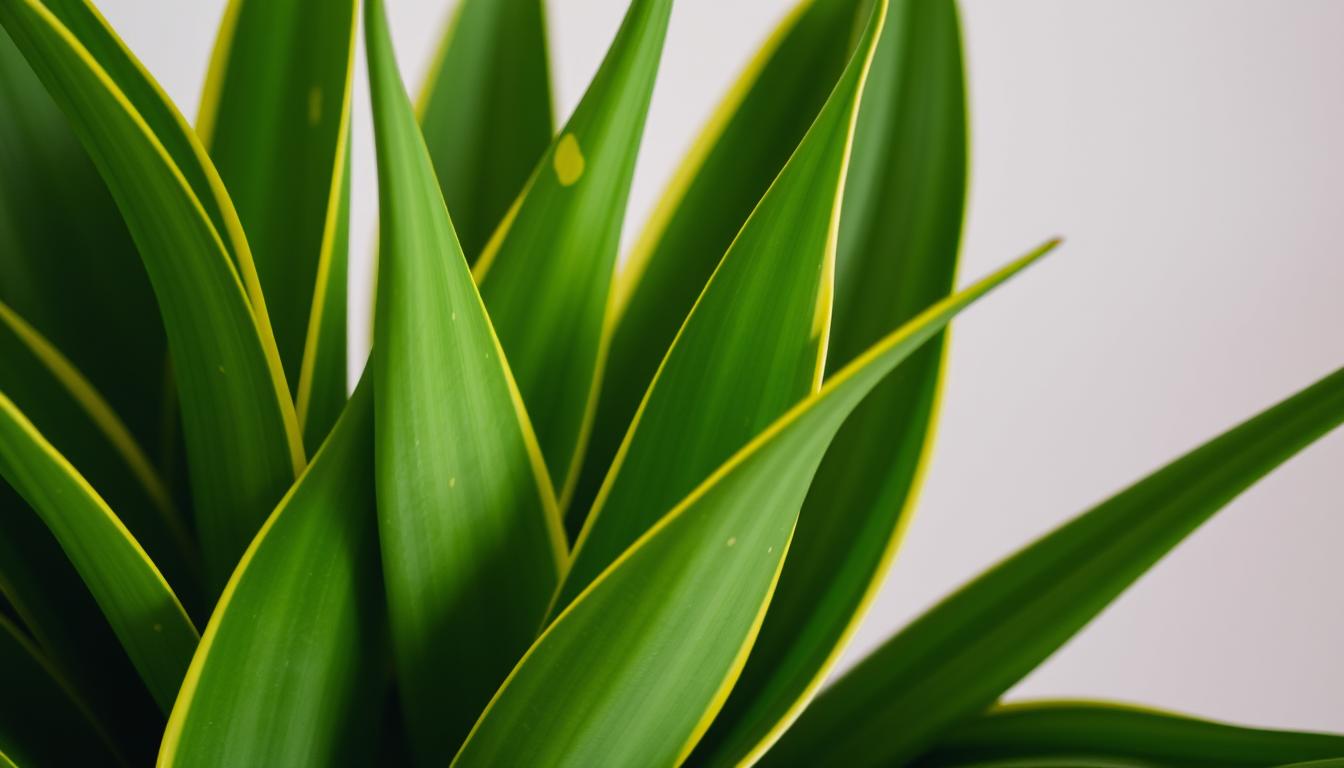
Sansevieria, also known as snake plants or mother-in-law’s tongue, is a hardy and drought-tolerant plant. They are loved for being easy to care for. These plants have upright, sword-like leaves in shades of green and yellow.


My Experience with Snake Plants
Snake plants have been a favorite of mine for years. They are forgiving and adaptable, perfect for both new and seasoned gardeners. Their ability to handle different lighting and infrequent watering makes them ideal for indoor spaces.
Common Names for Snake Plants
These plants are also called Sansevieria, Dracaena trifasciata, and bowstring hemp. Known for their ease of care and striking appearance, they are popular in homes and offices.
Ideal Conditions for Snake Plants
Snake plants like well-draining soil and bright, indirect light. They can grow in various light conditions, but may look different. They need watering only when the soil is dry, usually every 2-3 weeks.
| Characteristic | Ideal Conditions |
|---|---|
| Soil | Water the soil when it is completely dry, typically every 2-3 weeks. |
| Lighting | Bright, indirect sunlight; can tolerate low light conditions. |
| Watering | The average household humidity ranges from 30% to 50%. |
| Temperature | Warm, between 70°F and 90°F |
| Humidity | The average household humidity ranges from 30% to 50%. |
By meeting these conditions, snake plants can flourish. They add beauty and low-maintenance greenery to any room.

Identifying Yellow Leaves in Snake Plants
As a snake plant lover, I’ve learned that yellow leaves often mean trouble. Chlorosis, a lack of nutrients, is a common cause. While it’s normal for older leaves to turn yellow, widespread discoloration is a red flag.
What Yellow Leaves Indicate
Yellow leaves can indicate several issues, such as overwatering or insufficient sunlight. Chlorosis can be caused by:
- Bad soil that causes root rot.
- Not enough nutrients like nitrogen or iron.
- Too much sunlight or not enough light.
- Pests like mealybugs or spider mites.
When to Be Concerned
One yellow leaf is okay, but many yellow leaves mean trouble. If many leaves turn yellow, it’s time to act. Fixing the problem quickly can save your plant.
Monitoring Leaf Health
It’s important to inspect your snake plants regularly. Look for changes in color, texture, or growth. Watching for signs of stress helps catch problems early.
Overwatering Issues and Symptoms
Overwatering is a common reason for yellow leaves on snake plants. Excessive water can lead to root rot, bacterial infections, and nutrient deficiencies. Look for signs of soggy soil, wilting leaves, and a musty smell to identify overwatering.
Recognizing Overwatering Signs
Yellow or brown leaves on snake plants often mean they’re overwatered. These leaves will feel soft and mushy. The soil might look waterlogged and have a slimy fungal coating. In severe cases, the roots can rot, further harming the plant.
Container and Drainage Impact
The kind of pot and drainage matter a lot. Snake plants thrive in pots that allow water to drain and in soil that doesn’t retain water. Using the wrong pot or soil can lead to root rot.
How to Fix Overwatering
- Replace the wet soil with a new, well-draining mix.
- Ensure the pot has holes to allow water to drain.
- Water only when the topsoil is dry.
- Use a fungicide if root rot is present.
- Provide the plant with bright, indirect light to help it recover.
Fixing overwatering and improving soil and drainage can help your snake plant recover. It will look healthy and vibrant again.
Underwatering Symptoms to Watch For
Snake plants are tough, but they can still get sick if they don’t get enough water. Yellow leaves are a big warning sign. Ensure your snake plant receives regular watering to maintain its health and well-being.
Signs of Underwatering
Shriveled, dry leaves are a clear sign your snake plant needs water. The leaves might curl up and lose their usual straight shape. The soil will also feel dry and crumbly, telling you it’s time to water.
Effects of Inconsistent Watering
Watering your snake plant too little or too much can harm it. It might start to look unhealthy, with yellow or pale leaves. This can weaken the plant and impact its growth.
Solutions for Underwatering
- Water your snake plant regularly, ensuring the soil is consistently moist. Water until water drains from the pot’s bottom.
- Allow the soil to dry slightly between waterings. Check the top inch or two of soil before watering again.
- Watch your plant closely and adjust your watering schedule accordingly, taking into account the season, temperature, and humidity levels.
By monitoring your snake plant’s water needs and adhering to a routine, you can prevent yellow leaves and stress. With proper care, your snake plant will remain green and beautiful.

Light Conditions and Yellowing Leaves
As a devoted snake plant enthusiast, I’ve learned that finding the right balance of light is key to maintaining healthy, vibrant leaves. These hardy plants thrive in a variety of lighting conditions. But improper light exposure can lead to yellow or discolored foliage.
Impact of Low Light Conditions
Snake plants can tolerate low-light environments, but prolonged exposure to insufficient light can cause them to weaken over time. The leaves may turn yellowish-green as the plant struggles to photosynthesize. Remember, snake plants grow slowly, so the effects of low light may not be noticeable for months.
Too Much Direct Sunlight
Excessive direct sunlight can also harm your snake plant. Excessive direct light can cause sunburn, resulting in yellow or brown spots on the leaves. This is the plant’s way of protecting itself from intense light requirements.
Finding the Right Light Balance
The key is to provide your snake plant with bright, indirect light. An east- or west-facing window is often ideal for placing indoor plants. It offers the right balance of light without being too harsh from direct sunlight. If leaves start to turn yellowish-green, reduce sun exposure to help it recover.

“Proper lighting is essential for the health and longevity of snake plants. Finding the sweet spot between too much and too little light is the key to keeping these plants thriving.”
Understanding light’s impact on your snake plant ensures it gets the ideal sunlight requirements. Avoiding yellowing leaves is possible with careful monitoring and adjustments to indoor plant placement. This helps keep your snake plant vibrant and beautiful.
Pests Affecting My Snake Plant
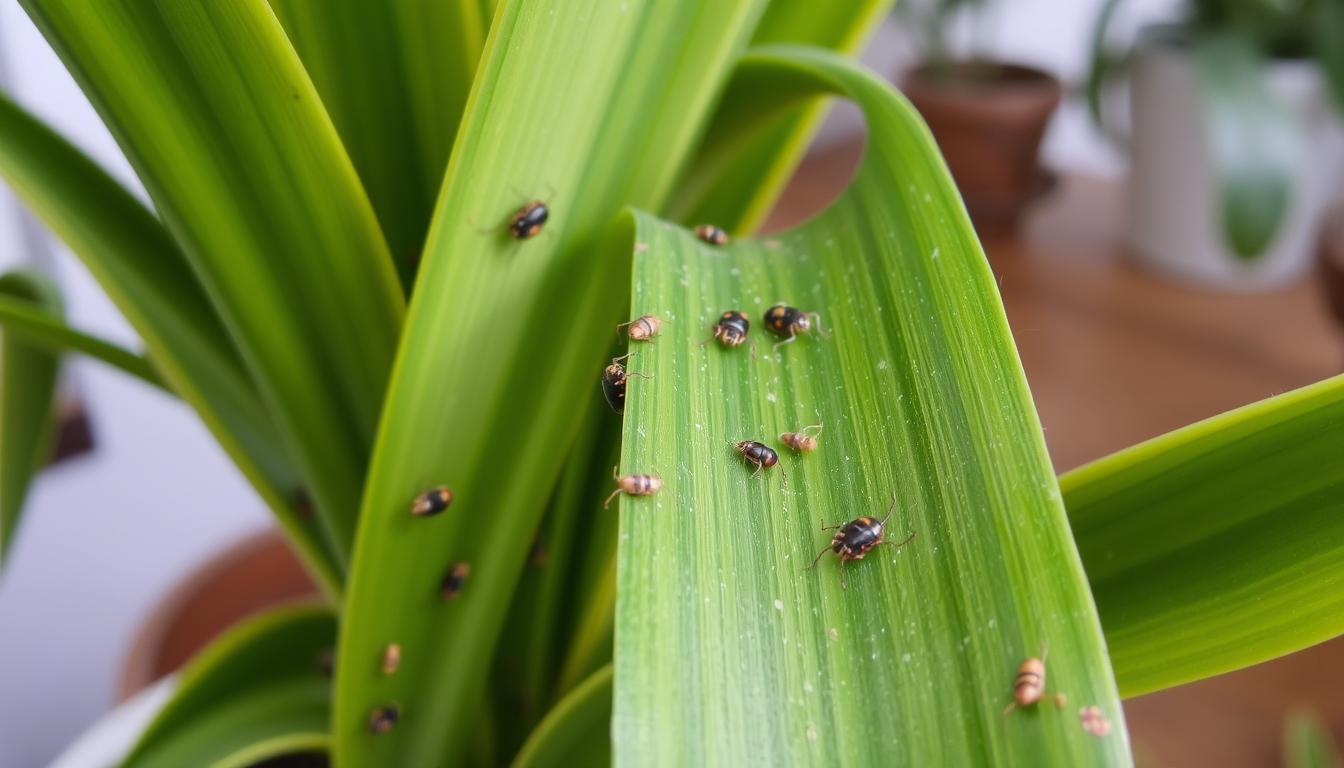
As a proud snake plant owner, I’ve faced many pests. These plants are tough, but they can become infested with spider mites, mealybugs, and aphids. These pests harm the plant, causing the leaves to turn yellow and become weak.
Common Pests to Look For
- Spider mites – These tiny spider-like insects spin fine webs on the undersides of leaves, stunting growth and discoloring the foliage.
- Mealybugs – Fluffy white bugs that cluster on stems and leaves, feeding on the plant’s sap and leaving a sticky residue behind.
- Aphids – Small, pear-shaped insects that congregate on new growth, draining nutrients and potentially transmitting diseases.
Effects of Infestations on Leaves
When pests attack, the leaves of my snake plant turn yellow, wilt, and weaken. The damage can cause unsightly yellow patches, curling, and even leaf drop if not treated.
Treating Pest Problems
To combat pests, I employ a combination of manual removal, targeted treatments, and preventive measures. I inspect my plant, wiping leaves with a damp cloth to remove bugs.
For tough cases, I use natural insecticides, such as neem oil or insecticidal soap. Keeping air flowing and watering right helps prevent spider mites and mealybugs.
By being quick to spot and treat insect infestations, I keep my snake plant healthy. With the right care and pest control, it will keep my space bright for years.
Nutrient Deficiencies in Snake Plants
As a snake plant enthusiast, I’ve learned these plants need a balanced diet. They require essential nutrients for growth and vibrant leaves. Although snake plants are relatively easy to care for, they can still experience nutrient deficiencies.
What Nutrients Are Essential?
Snake plants need nitrogen (N), phosphorus (P), and potassium (K) – the “NPK” ratio. These macronutrients are key for plant nutrition and growth. They also benefit from essential micronutrients such as iron, calcium, and magnesium.
Symptoms of Nutrient Deficiency
- Nitrogen deficiency: Older leaves turn yellow, with stunted growth and pale green coloration.
- Phosphorus deficiency: Leaves develop a purplish-red hue, with reduced root growth and delayed flowering.
- Potassium deficiency: Leaf tips and edges turn yellow or brown, with decreased drought tolerance.
Restoring Nutrient Balance
To fix a snake plant with nutrient deficiencies, use a balanced fertilizer at half-strength during the growing season. Don’t over-fertilize, as it can harm the plant. Also, check the soil pH and adjust it to maintain the proper nutrient balance.

Understanding the importance of nutrients helps your snake plant thrive. With proper care, these plants can keep your home air clean and add beauty.
Environmental Factors Influencing Health
As a proud snake plant owner, I’ve learned these plants are sensitive to their environment. Maintaining the right temperature, humidity, and airflow is key. This helps my snake plants stay healthy and prevents them from developing yellow leaves.
Temperature Sensitivity
Snake plants like temperatures between 70-90°F (21-32°C). Extreme temperatures can stress them out and cause leaves to turn yellow. I protect my plants from drafts and sudden temperature changes to keep them happy.
Humidity and Air Circulation
Snake plants can tolerate varying humidity levels, but maintaining the right balance is crucial. Dry air can cause leaves to dry out and turn yellow. Good air flow also helps prevent fungal diseases that can harm leaves. I use a small fan and humidifier to keep the air moist and moving around my plants.
Seasonal Changes to Consider
As seasons change, so does my snake plant care. In winter, I water less to avoid root rot. I also adjust the light and temperature to meet their needs all year.
By paying attention to temperature, humidity, and seasonal requirements, I keep my snake plants looking their best. With a bit of climate control and awareness, my indoor space stays lush and green.

Pot Size and Soil Quality
Choosing the right pot size and soil quality is key to my snake plant’s health. If the plant outgrows its pot, it can’t absorb nutrients well. This leads to yellow leaves and other problems. I need to pick the best potting mix and repot when required.
Impact of Root-Bound Conditions
When a snake plant is root-bound, it can’t get enough water or nutrients. This makes leaves turn yellow, wilt, or fall off. It’s important to identify and address root-bound issues promptly to maintain the plant’s health.
Choosing the Right Potting Mix
I chose a potting mix made for succulents and cacti for my snake plant. A mix of 2 parts succulent/cactus soil to 1 part pumice or perlite is recommended for optimal results. This mix provides my plant with the necessary nutrients, air, and drainage to thrive.
Repotting Techniques for Health
When my snake plant outgrows its current pot, I repot it. I pick a pot with good drainage to avoid waterlogging. I gently loosen the roots and add a new mix, being careful not to harm the roots. This helps my plant continue to grow strong.
By focusing on pot size, soil, and repotting, I maintain the health and vigor of my snake plant. This ensures its root health and vitality for a long time.
When to Prune Yellow Leaves
As a snake plant lover, I’ve found that pruning yellow leaves is key. It boosts the health and looks of my plants. Cutting off the yellow leaves makes my plants look better and helps them grow new, green leaves.
Benefits of Pruning
Removing yellow leaves helps my snake plants stay healthy and green. Pruning stops problems like pests or not enough nutrients from spreading. It also aids in plant maintenance and stimulates growth.
How to Properly Prune
- Use clean, sharp scissors or pruning shears to cut the yellow leaves at the base, as close to the soil line as possible.
- Be careful not to damage any surrounding healthy leaves or the plant’s central stem.
- Discard the pruned leaves to prevent the spread of any potential issues.
Timing for Optimal Results
The best time to prune is during the growing season, from early spring to late summer. This is when the plant is most active and can focus on removing leaves and promoting new growth. Pruning in winter might not be as effective.
Pruning won’t make yellow leaves green again, but it makes my plants look and feel better. I’m careful not to prune too much. The leaves play a crucial role in storing water and nutrients.
General Maintenance Tips for Snake Plants
To keep a snake plant healthy, follow a consistent care routine. These tips will help your indoor gardening with snake plants succeed.
Watering Schedule Recommendations
Snake plants need water only when the soil is dry. Water them every 2 to 4 weeks. In winter, water once a month or when the soil is dry.
Fertilization Tips I Follow
- Fertilize your snake plant twice a year – in spring and summer.
- Use a balanced fertilizer at half-strength to avoid overfertilizing.
- Avoid fertilizing in winter when the plant is dormant and growing less.
Seasonal Care Routines
Change your care routine with the seasons. In spring and summer, water more often and fertilize occasionally. In winter, water less and refrain from fertilizing.
Dusting the leaves with a damp cloth helps photosynthesis. This keeps your snake plant looking great. Follow these tips for a beautiful, low-maintenance indoor gardening experience.

Final Thoughts: Reviving My Snake Plant
To revive a yellowing snake plant, we need to tackle the root causes. Understanding how to water, light, and feed it is key. This way, my snake plant can regain its vibrant look.
I’ve discovered that yellow leaves often result from excessive or insufficient water, improper lighting, pests, or a lack of essential nutrients. To fix this, I need to adjust the watering, lighting, and address any pest or nutrient issues. These steps are vital for my snake plant’s health.
Maintaining a snake plant’s health is a continuous process. It needs attention and a flexible approach to meet its needs. Reviving plants, troubleshooting issues, and maintaining healthy houseplants are crucial. With what I’ve learned, I’m ready to give my snake plant the care it needs to flourish.
Further Recommendations:
- Best Indoor Greenhouse
- Bucket Gardening
- Why are my plants drooping?
- How to care for an air plant
- Hydroponic Gardening
- How to Keep Pigeons Off the Balcony?
- Best Patio Furniture Covers
- Patio Pet Games
- Best Kitchen Composters
- Eco-Friendly Homes – Sustainable Living
- Best Soil For Snake Plants
- How to Build a Patio Cover
- Houseplant Happiness! A Guide on How to Clean Plant Leaves Effectively
- 10 Best Indoor Gardening Books
- How to Stop Ants Nesting in Plant Pots
- What Plants Don’t Like Epsom Salt? Garden Tips for Using Indoors and Outdoors
- How to Plant Carrot Seeds
Video: Snake Plant leaves turning Yellow
Reference Links
- 7 Reasons Snake Plants Make the Best Indoor Plants – Healthline
- Snake Plant: A Forgiving, Low-maintenance Houseplant -PSU
- Eco-Friendly Garden – University of Georgia Extension
- Let Beneficial Insects Work for You – Penn State Extension



Leave a Reply