

As someone deeply concerned about the environment and the overuse of fossil fuels in today’s manufacturing, I always look for innovative, sustainable living ideas that align with my vision for eco-friendly homes. I have researched home sustainability ideas and tried incorporating them into my daily routine whenever possible.
The quest for green living inspiration is more than just a trend; it’s an essential step towards environmentally conscious living.
Embracing eco-friendly practices within the sanctuary of our homes not only contributes to a more sustainable lifestyle but also fosters a space where my well-being and that of the planet coexist harmoniously.
Focusing on energy efficiency, using sustainable materials, and cultivating a positive atmosphere are pivotal to developing a home life that respects the earth’s resources, minimizes pollution, and provides wellness for its inhabitants.
Today, I’m eager to share insights on transforming living spaces into bastions of sustainability. Join me as we explore how small changes can significantly impact the creation of eco-friendly homes filled with purpose and intention.
Whether you’re building from the ground up or seeking to revamp your existing space, these sustainable lifestyle tips will inspire and guide you toward a more considerate and rewarding way of life.
Key Takeaways
- Designing eco-friendly homes with energy efficiency at the forefront
- Choosing sustainable materials to minimize environmental impact
- Implementing green living inspiration into everyday practices
- Adopting a sustainable lifestyle through intentional eco-friendly practices
- Creating a positive home atmosphere that benefits mental well-being and the environment
- Understanding that true sustainability encompasses both resource management and personal wellness
Understanding the Impact of Eco-Friendly Homes on Sustainability
When I ponder the concept of an eco-friendly home, what comes to mind is far more than just a shelter with reduced energy consumption.
It’s a holistic approach that harmonizes with the ecosystem, proving that our living spaces can foster a positive environmental impact and a healthier lifestyle.
This vision reflects my commitment to eco-conscious living ideas that substantially decrease a home’s carbon footprint without sacrificing comfort or aesthetics.
I aim to adopt sustainable materials that ensure longevity and renewability. By integrating these materials into the home design fabric, I contribute to reducing energy use and supporting the recyclable and sustainably sourced products industry.
The choice of materials and intelligent design can lead to significant energy savings. This includes the embodied energy in construction and the operational energy used once a home is built.
It’s easy to overlook the complexity of the systems in an eco-friendly home, where every choice, from insulation to the paint on the walls, can influence the overall energy efficiency.
For example, choosing a paint with a reflective quality can reduce dependency on cooling systems. Understanding the nuanced interplay between household elements is vital to achieving a sustainable living space.
- Identifying and utilizing energy-saving appliances and fixtures
- Implementing advanced building techniques that ensure airtight insulation
- Optimizing water usage through smart landscaping and efficient fixtures
| Feature | Advantages | Impact on Sustainability |
|---|---|---|
| Solar Panels | Reduces reliance on non-renewable energy | Direct reduction in household carbon emissions |
| Water Efficiency Systems | Decreases water consumption | Conserves water resources and reduces treatment energy |
| Low-Emission Windows | Improves thermal efficiency | Lowers heating and cooling loads |
| Green Roofs | Insulates and manages stormwater | Reduces urban heat island effect and cleans the air |
Minimizing environmental impact begins with these principles and extends into how energy is sourced, used, and conserved within the home.
As I examine the many facets of creating a sustainable living space, I’m reminded that every small step, from selecting LED lights to using low-flow fixtures, contributes to a more significant change that benefits both my immediate environment and the world.

The impact of an eco-friendly home is multifaceted, with tangible benefits that contribute to my dedication to sustainability.
This commitment is mirrored in the structural integrity of my house and the daily practices that reinforce an eco-conscious ethos. In embracing this journey, I recognize the onus on individuals like me to make conscious choices that forge a path to a more sustainable future, one home at a time.
Optimizing Home Location and Infrastructure for Reduced Environmental Footprint
As I investigate the quest for a sustainable lifestyle, I realize that my home’s environmental impact extends beyond its walls.
It’s not just about materials and energy efficiency; location also plays a pivotal role in reducing environmental impact. Choosing the right living place can significantly reduce carbon emissions and foster sustainable solutions.
It is about making smart decisions that align with the sustainable infrastructure of our communities.
Proximity to Public Transport and Amenities
One such smart decision is considering the proximity to public transport and essential amenities. By living closer to public transportation, I have noticed a decrease in my dependence on personal vehicles.
This change is convenient and helps make strides to reduce carbon emissions from daily commutes. Additionally, being within walking distance of amenities like grocery stores and community centers promotes a more active lifestyle while contributing to environmental impact reduction.
Avoiding Construction on Sensitive Sites
Another key aspect of a sustainable home location is avoiding sensitive sites. Building my home away from fragile ecological zones or disaster-prone areas, such as floodplains, has protected the natural habitat and ensured minimal risk of environmental degradation or need for extensive rebuilding, saving resources in the long run.
This demonstrates a commitment to preserving our planet by minimizing the reduction of environmental impact from responsible site selection.
| Benefit | Proximity to Public Transport | Building on Non-sensitive Sites |
|---|---|---|
| Carbon Emission Reduction | Significant decrease in daily vehicle use | Eliminates rebuilding and resource depletion |
| Sustainable Lifestyle Ease | Encourages walking and public transit use | Preserves local ecosystems and biodiversity |
| Community Impact | Enhances public transportation systems | Reduces infrastructure stress on environment |
These insights into the importance of location and infrastructure in building sustainable homes are essential for anyone looking to reduce their environmental footprint.
It’s not just about the home itself; it’s about integrating into the larger picture of sustainable living in harmony with our surroundings.
The Significance of Home Size and Efficient Spatial Design
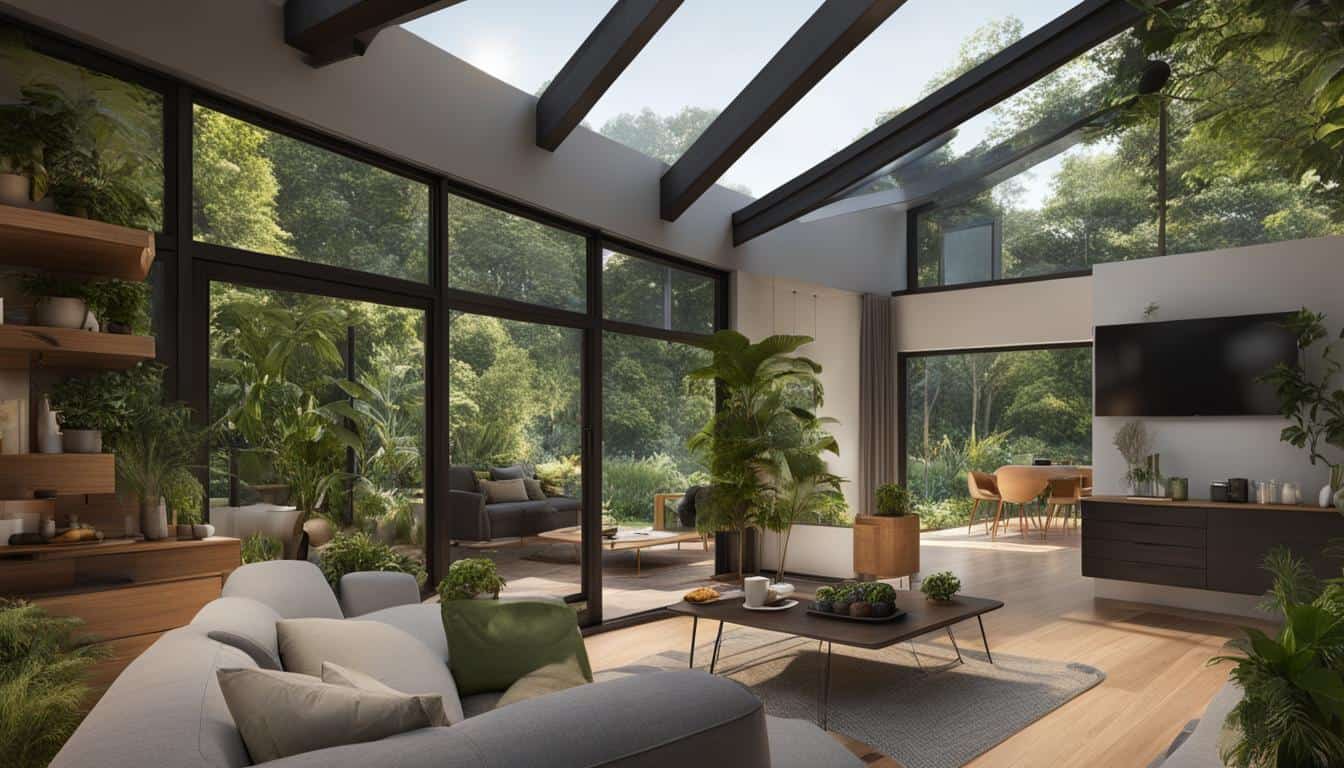
As I explore the essence of small house efficiency, I realize that living large isn’t necessarily about square footage. It’s about maximizing utility and comfort to meet our needs without waste.
By leveraging energy needs reduction (CO2) through scaled-down living spaces, the modern homeowner can create a sustainable home that’s as kind to the environment as it is to the wallet.
In today’s push for sustainability, material use minimization and spatial efficiency are more than just trendy buzzwords; they are imperative to designing homes that align with ecological and economic sensibilities by reducing our reliance on fossil fuels to manufacture certain items.
An intelligent design takes advantage of every inch of a small house, transforming it into a multifunctional space that provides all necessities without unnecessary maintenance and energy consumption.
| Feature | Benefits of Smaller Homes | Benefits of Efficient Spatial Design |
|---|---|---|
| Resource Efficiency | Less building materials required | Reduced waste with multi-use areas |
| Energy Consumption | Lower heating and cooling needs | Heat retention through compact structure |
| Cost Efficiency | Less expensive to build and maintain | Cost-savings from decreased energy needs |
| Environmental Impact | Smaller carbon footprint | Preservation of natural landscape by using less land area |
Reflecting on these insights, I realize that the journey toward a sustainable lifestyle doesn’t have to begin with grand gestures or sweeping changes.
It starts in the comfort of one’s home, rethinking how space is utilized to align with eco-friendly values. Building or transforming a house into a testament to sustainable home ideas is not just an investment in personal space; it’s an investment in the future of our natural resources and planet.
Maximizing Natural Light and Heat through Strategic Orientation
As I research ways to create a more energy-efficient home, I’ve realized the undeniable importance of harnessing natural light and heat.
This sustainable living strategy reduces heating usage during cooler months and minimizes the need for artificial lighting, contributing to significant energy savings.
Let’s explore together how strategic orientation and thoughtful landscaping can contribute to this goal.
Choosing the Right Direction for Sunlight
Incorporating passive solar design into an energy-efficient house design is crucial to utilizing natural heat. Positioning the home to maximize south-facing windows invites abundant natural light, particularly in colder climates.
This strategic placement allows sunlight to warm the interior naturally, significantly reducing heating bills.

Landscaping with Purpose: Deciduous Trees and Overhangs
Sustainable living extends to the outdoors as well. Landscaping isn’t just about aesthetics; it’s also a tool for managing heat and light.
Planting deciduous trees provides shade during hot summer months, and as they shed their leaves in fall, they allow more sunlight to penetrate during cooler seasons.
Similarly, architectural overhangs serve as a practical design element, shielding against the summer sun while permitting winter light.
| Season | Strategic Feature | Benefit |
|---|---|---|
| Summer | Deciduous Trees | Provides shade, reducing cooling costs |
| Winter | South-facing Windows | Increases sunlight and natural warmth |
| All Seasons | Roof Overhangs | Controls sunlight, aids in temperature regulation |
Seeing how thoughtful design and space utilization considerations can dramatically impact energy efficiency is fascinating.
By emphasizing natural light and passive solar techniques, we can steer closer to sustainable living and an eco-friendly lifestyle while fostering an energy-efficient house design that aligns with nature’s rhythms.
Sustainable Living Utilizing Solar Energy
Solar panels, also known as photovoltaic panels, have become increasingly popular as an alternative energy source due to their numerous benefits. They harness sunlight and convert it into electricity, offering a sustainable and eco-friendly method of power generation.
By installing solar panels, individuals and businesses can reduce reliance on traditional fossil fuels, save on electricity costs, and contribute to a cleaner environment. [1]
Solar panels offer numerous benefits, including:
- Renewable Energy Source: Solar panels harness the sun’s power, a virtually limitless and renewable energy source, reducing reliance on fossil fuels and decreasing greenhouse gas emissions.
- Lower Electricity Bills: Homeowners can reduce their reliance on the grid by generating electricity from sunlight, leading to significant cost savings on electricity bills over time.
- Environmental Impact: Solar panels are a clean energy source that produces no greenhouse gas emissions or air pollutants, helping to combat climate change and reduce environmental impact.
- Energy Independence: By installing solar panels, individuals and businesses can gain more control over their energy production and reduce dependence on external energy sources.
- Increased Home Value: Properties with solar panels are typically more attractive to buyers, as they offer long-term energy savings and environmental benefits, ultimately increasing the home’s overall value.
- Government Incentives: Many governments offer incentives, such as tax credits and rebates, to encourage the adoption of solar energy, making it a more affordable and financially rewarding investment.
Overall, solar panels provide a sustainable, cost-effective, and environmentally friendly solution for meeting energy needs while reducing carbon footprint and promoting a greener future.
Local and Recycled Materials: A Pathway to Sustainable Construction
As I explore the transformative world of construction, I can’t help but emphasize the importance of embracing eco-friendly building practices.
One of the core elements of this approach is the adoption of sustainable materials that benefit our planet and present remarkable opportunities to innovate within our industry.
Using recycled and local construction materials exemplifies how we can reduce environmental impact while uplifting local economies.
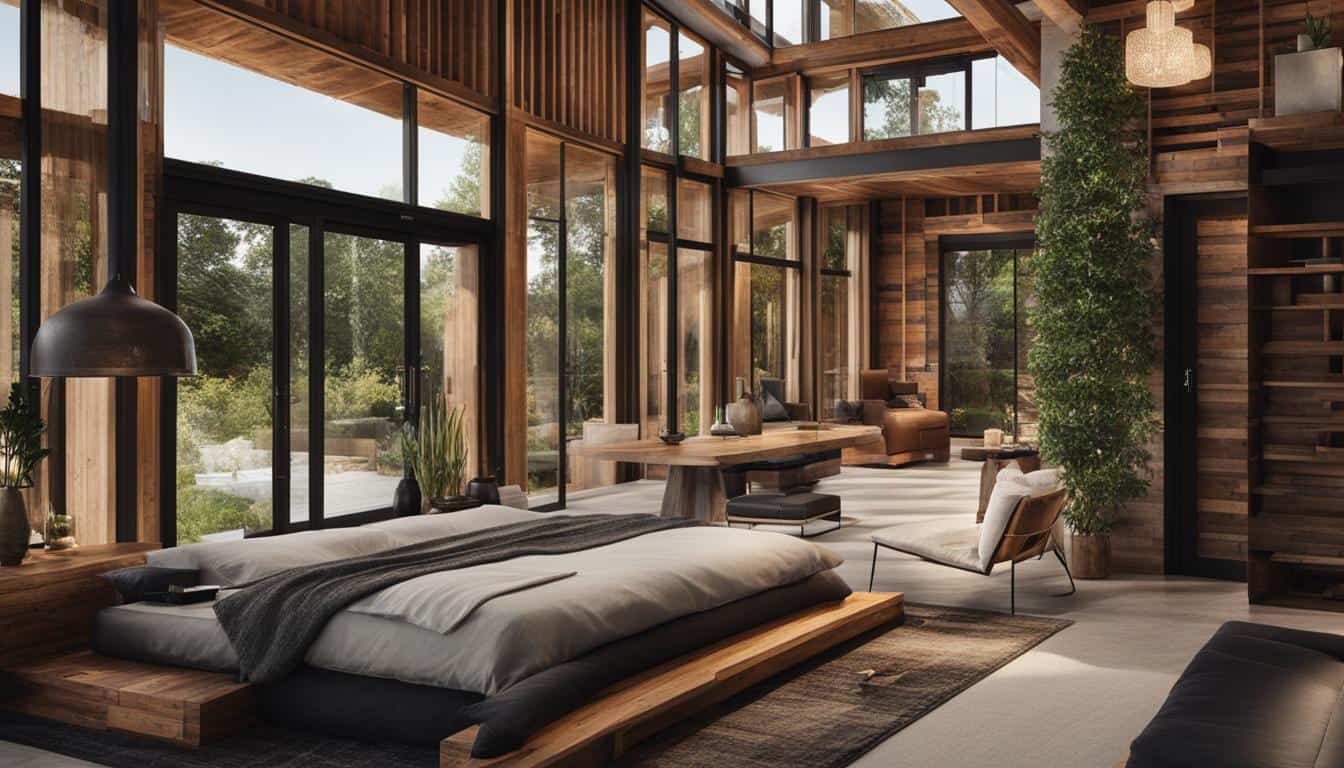
In my ongoing efforts to reduce job site waste, I’ve seen firsthand how integrating reclaimed wood, recycled glass, and repurposed steel can revolutionize how we think about building spaces.
Not only is there significant resource conservation, but these materials also infuse each project with a unique character that can’t be replicated with new, mass-produced products.
- Reclaimed wood provides a rustic, storied aesthetic while saving trees.
- Recycled glass turns what would be landfill material into stunning, light-enhancing features.
- Upcycled steel mitigates the energy-intensive process of steel production.
- Salvaged bricks connect to the past, reducing the demand for clay and firing processes.
Moreover, partnering with contractors who prioritize eco-friendly building practices has proven essential. By encouraging and facilitating on-site recycling programs, I’ve witnessed a significant reduction in waste that would otherwise contribute to our ever-growing landfills.
It’s critical that we, as building sector professionals, take charge of sustainable construction to create a better future for our planet.
“Integrating sustainable materials is not just a responsibility; it’s an opportunity to craft a legacy of conscientious construction practices that honor our environment and heritage.” – Jorge Fontan, Architect [2]
Leveraging Insulation for Enhanced Energy Efficiency
As a proponent of a sustainable lifestyle, I’ve experienced firsthand the profound impact proper insulation can have on a home’s energy efficiency.
Insulation, a hidden hero in the fight to save energy, works tirelessly behind the scenes. The thermal barrier defines living spaces’ comfort, safeguarding our wallets and the environment.
Incorporating insulation with a high R-value into an energy-efficient home design is not just a wise decision; it’s a strategic move toward a more sustainable existence.
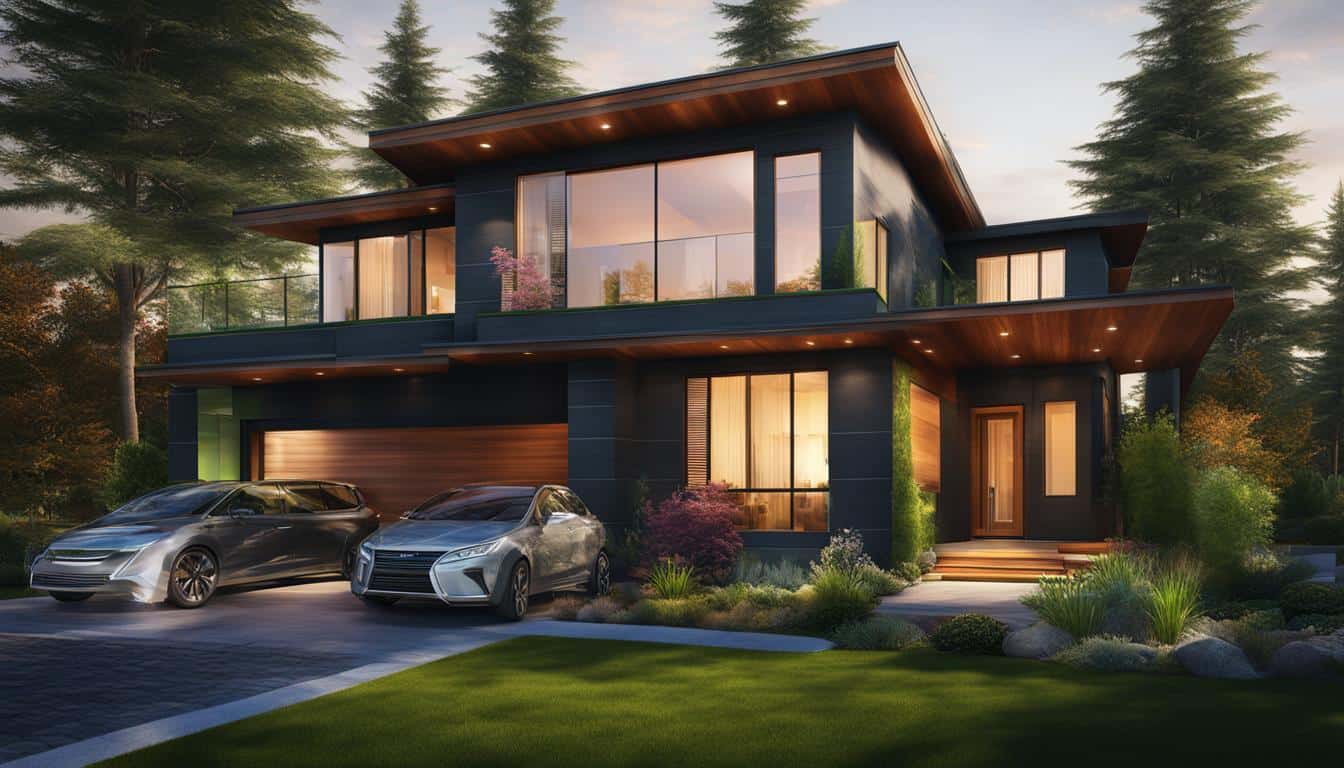
Choosing the proper R-value, a measure of insulation’s ability to resist heat flow, is crucial to reducing energy bills and maintaining a steady interior climate. Not long ago, I assembled a compendium of insulation options to guide this transformative journey.
The table below details various insulation materials, accompanied by their respective R-values, catering to the varied requirements of different climates and home designs.
| Insulation Type | Material | R-value per Inch | Best Used For |
|---|---|---|---|
| Fiberglass (Batts) | Fiberglass | 2.9-3.8 | Walls, Attics |
| Cellulose (Loose-fill) | Recycled Paper | 3.2-3.8 | Enclosed Existing Walls, Open New Wall Cavities |
| Stone Wool (Batts) | Rock/Slag | 3.0-3.3 | Fire Resistant Applications |
| Spray Foam | Polyurethane | 6.0-8.0 | Enclosed Existing Walls, Unvented Attics |
Exceeding minimum insulation standards can significantly diminish heating and cooling demands, and the proof is tangible in the monthly savings enjoyed. I believe in taking the initiatives that propel us towards an energy-efficient home design.
As we collectively transition to more environmentally conscious choices, we inch closer to reducing our carbon footprint. Effortlessly, insulation becomes an investment in our homes, our comfort, and the planet’s future.
Advanced Air Sealing Techniques for a Draft-Free Home
Achieving a draft-free, energy-efficient home is a goal worth striving for in any energy-efficient home design. In my experience creating comfortable living spaces, I’ve found that advanced air-sealing techniques are indispensable in fighting energy loss.
Focusing on draft stopping and air leakage reduction can significantly improve heating and cooling efficiency, which is beneficial and cost-effective for the environment.
The cornerstone of this approach is ensuring construction quality through meticulous air sealing around all possible leak points. [3]
Windows, doors, and other areas prone to air intrusions receive particular attention. But how can homeowners be sure they’ve adequately sealed their homes?
That’s where the innovative blower door test comes into play. This test is designed to quantitatively measure air tightness, highlighting deficiencies in a home’s envelope.
Implementing these strategies contributes to an energy-efficient home design and improves overall comfort and air quality.
Below is a table illustrating commonly sealed areas in the home and the recommended sealing techniques:
| Seal Area | Technique | Materials Used | Expected Benefit |
|---|---|---|---|
| Windows | Caulking and weather-stripping | Silicone, foam tape | Reduced drafts and moisture intrusion |
| Doors | Weather-stripping and sweeps | Felt, rubber, vinyl | Improved thermal barrier |
| Electrical Outlets | Gasket installation | Foam gaskets | Prevention of air leaks in wall cavities |
| Attic Hatches | Insulation and weather-stripping | Fiberglass batts, foam board | Keeps conditioned air in living spaces |
| Ductwork | Mastic sealant and metal tape | Mastic, aluminum tape | Improved HVAC efficiency and air distribution |
Effective air sealing is a foundational aspect of any energy-efficient home design. It’s not just about stopping drafts; it’s about creating a seamless, protected environment that retains valued heat and coolness throughout the changing seasons.
With the right approach and hard-working materials, air leakage reduction translates into a higher-quality living experience and substantial energy savings.
Smart Choices in Windows and Doors for Energy Conservation
As someone deeply committed to sustainability and home maintenance, I’ve learned that effectively reducing our energy footprint begins with simple steps, such as investing in energy-efficient windows and doors.
These are practical for energy reduction and pivotal for establishing a home that breathes sustainability. Robust weather stripping and superior insulation materials significantly maintain a comfortable indoor environment while reducing the burden on our heating and cooling systems.
Preventing air leakage is a fundamental aspect of energy conservation, and with the right windows and doors, I’ve seen firsthand the transformation in terms of performance and efficiency.
Proper installation is imperative to this end, preventing any potential air from slipping through the cracks, figuratively or literally.
| Component | Specification | Benefits |
|---|---|---|
| Window Material | Vinyl, Fiberglass, Wood | High insulative properties, durability, energy reduction capabilities |
| Door Core | Insulated Steel, Fiberglass | Enhanced thermal performance, low maintenance |
| Weather Stripping | Quality Vinyl, Silicone, Metal | Resistant to weather, air leakage prevention, longevity |
| Glazing Type | Double/Triple-Pane, Low-E | Climate control, UV protection, noise reduction |
| Installation | Professional with Certified Products | Guarantees proper seal, correct alignment |
Maintaining a home that embodies sustainability is an ongoing process requiring attention to detail and knowledge of the latest construction materials and techniques advancements.
The strategic selection and maintenance of windows and doors are among the key factors contributing substantially to home maintenance and energy efficiency.
Let me share with you a final thought about energy-efficient windows and doors: The upfront cost might seem higher than traditional options; however, the long-term savings on energy bills, coupled with the comfort of a draft-free home, highlight their undeniable value and contribution to a sustainable future.
Sustainable Living Ideas with Energy Star Appliances and LED Lighting
In my journey toward creating a more sustainable home, I’ve discovered the significant impact of selecting the right kitchen appliances and lighting.
By integrating Energy Star appliances and transitioning to LED lighting, I’ve significantly reduced energy consumption while embracing smart home technology for a more efficient and eco-friendly lifestyle.
Integrating Appliances for a Smarter Kitchen
My focus on sustainable kitchen ideas led me to choose Energy Star-rated appliances that are more energy-efficient than standard appliances.
From refrigerators to dishwashers, each appliance in my kitchen now works smarter, not harder, to provide the same level of service while utilizing less energy.
Combining these appliances with innovative systems allows for precise control over their operation, ensuring that energy is used as sparingly as possible.
| Feature | Energy Star Appliance | Conventional Appliance |
|---|---|---|
| Energy Used | Up to 50% less | Standard amount |
| Annual Savings | Significant reduction in utility bills | None |
| Smart Home Compatibility | Usually compatible | Rarely compatible |
| Eco-Friendly Scale | High | Low |
| Lifespan | Longer with reduced maintenance | Shorter with frequent maintenance |
Transitioning to LED for Long-Lasting Home Illumination
Lighting has also been a significant area of improvement. By replacing outdated incandescent bulbs with LED lighting, I’ve experienced how these long-lasting bulbs can illuminate a space more efficiently.
Their extended lifespan compared to traditional bulbs means fewer replacements, which is a win for my wallet and the environment.
As someone passionate about sustainable living, my experience has shown that investing in Energy Star appliances and LED lighting is a personal gain and a step forward for environmental conservation.
These home technology advancements reduce energy costs and support long-term sustainability goals for a healthier planet.
Frequently Asked Questions (FAQs) About Sustainable Living.
Q: What are some sustainable living tips for an eco-friendly home?
A: Some sustainable living tips for an eco-friendly home include composting, reducing energy use, using renewable energy sources, reducing waste, and using reusable items whenever possible.
Q: How can I make my kitchen more sustainable?
A: You can make your kitchen more sustainable by reducing food waste, using eco-friendly cleaning products, and avoiding single-use plastic items such as bags, straws, and water bottles.
Q: What are some eco-friendly ideas for a sustainable office?
A: Eco-friendly ideas for a sustainable office include reducing paper usage, using energy-efficient lighting and equipment, and encouraging employees to practice sustainable living habits.
Q: How can I incorporate sustainable practices into caring for a baby?
A: You can incorporate sustainable practices for caring for a baby by using cloth diapers, choosing eco-friendly baby products, and opting for sustainable baby clothing options.
Q: Why is it important to unplug electronic devices to live more sustainably?
A: Unplugging electronic devices when not in use helps reduce energy consumption, lower greenhouse gas emissions, and save money on electricity bills, contributing to a more sustainable lifestyle.
Q: How can I practice sustainable living to reduce my environmental impact?
A: You can practice sustainable living by using renewable energy and reducing CO2, reducing the amount of single-use items you use, minimizing water waste, using natural resources, and making eco-conscious choices in daily activities.
Q: What examples of sustainable living can I implement daily?
A: Examples of how to live sustainably include reducing how frequently you wash your clothes (does your item really need a wash if you have only worn it once?), thrift shopping, using public transportation, reducing plastic usage, using paper bags instead of plastic bags, composting organic waste, and supporting environmentally friendly businesses.
Q: What are some easy ways to live a more sustainable life?
A: Easy ways to live a more sustainable life include reducing your carbon footprint, avoiding single-use items, practicing sustainable fashion practices (buying from ethical brands, choosing timeless pieces, and repurposing clothing), embracing minimalism, and being mindful of the environmental impact of your daily choices.
Q: How can I create a sustainable home environment that is better for the environment?
A: You can create a sustainable home environment by adopting energy-efficient practices, using eco-friendly cleaning products, having a shower rather than taking a bath, minimizing waste, supporting sustainable home decor brands, and incorporating green technology.
Q: What sustainable living ideas at home are the best?
A: Looking for sustainable living ideas at home? Try incorporating energy-efficient appliances and reusable products, composting kitchen waste, and growing your food. Reduce water usage, switch to eco-friendly cleaning products, and utilize natural light to lower energy consumption. These small changes can make a big impact on the environment.
Final Thoughts on Sustainable Living Practices
In my stride toward an environmentally conscious existence, I’ve explored many sustainable living ideas and eco-friendly practices that stitch together the tapestry of greener home life.
By considering every factor, from the strategic siting of my residence to deliberate eco-living ideas and choices in construction and daily energy use, I aim to reduce environmental impact in meaningful ways.
Minor lifestyle adjustments, such as choosing Energy Star appliances and LED lighting, are foundational to energy savings and environmental stewardship.
Undoubtedly, sustainability is a multifaceted objective that blends the innovative use of green energy with time-tested conservation techniques.
It’s a commitment that requires a thoughtful balance of resource management and technology. As I incorporated these sustainable methods, I witnessed a drop in my energy consumption and felt a deepening respect for the resources our planet provides. T
his path has cultivated a sense of responsibility to live with greater intention and efficiency.
The journey I’m sharing isn’t merely a personal endeavor but a collective movement toward a more sustainable global community.
Each action, each choice to implement eco-friendly living ideas, contributes to a larger narrative of change—one in which each of us plays a crucial role.
By prioritizing these principles in our homes, we collectively pave the way for a brighter, more resilient future.
So, as I continue my efforts to promote sustainability, I hope others will be inspired to embark on this essential and rewarding journey toward a lighter footprint on our precious earth.
Further Recommendations:
- Maximizing Greenery: How to Arrange Plants in Your Living Room for Stylish Decor
- The Art of Sustainable Gardening: Eco-Friendly Gardening Practices
- How to Build a Patio Cover: A Comprehensive Guide
- Houseplant Happiness! A Guide on How to Clean Plant Leaves Effectively
Video: How to Build a Sustainable House – 21 Sustainable Home Ideas
Reference Links
- 1. Powering Your Future Sustainably – Semper Solr
- 2. House Design 21 Ideas – Fontana Architecture
- 3. Ways to make your home more sustainable – House Beautiful




Leave a Reply