

Curating a collection of plants in your living room can enhance the atmosphere and create a soothing ambiance. If you’re looking for tips on how to arrange plants in your living room, you’ve come to the right place.
I’ll share practical ideas to help you create a stylish and cohesive plant display.
Key Takeaways
- Group plants in odd numbers to achieve a natural-looking statement.
- Choose plants of different heights and textures to add depth and interest.
- Consider the growth habits of plants and place trailing plants in hanging baskets or cascading down from shelves.
- Avoid overcrowding and select plants with similar care requirements.
- Consider the available light in each living room area when choosing plants.
The Rule of Three: Creating Harmonious Plant Groupings
When arranging plants in your living room, following the “rule of three” can help you create a visually appealing and balanced display. Grouping plants in threes or odd numbers creates a strong, harmonious look that catches the eye.
It’s important to avoid grouping plants with the same textures, shapes, and colors, as they will blend together and may not create the desired impact.
Instead, opt for plants of different heights and textures to create a dynamic display. This adds visual interest and makes your plant arrangement more visually appealing.
Consider the available space in your living room when deciding where to place your plants. Tall and large plants can be positioned in spacious areas, such as corners or near windows, while smaller plants can be placed on furniture or in hanging baskets to utilize vertical space.
“The rule of three is a powerful guideline that creates visual interest in any design and applies to plant arrangement, too. By grouping plants in odd numbers and considering their placement, you can achieve a balanced and visually appealing display.” – Gail D, Interior Design Expert
Following the rule of three and considering plant placement, you can create a stunning plant arrangement in your living room. This approach ensures that your plants are well-distributed throughout the space, making it more inviting and lush.
Benefits of the Rule of Three
| Benefits | Explanation |
|---|---|
| Visual Interest | Grouping plants in odd numbers creates a visually interesting and dynamic display. |
| Balance | The rule of three helps create a sense of balance and harmony in the plant arrangement. |
| Enhanced Depth | Plants of different heights and textures add depth and dimension to the living room. |
| Focal Points | The rule of three allows you to create focal points with strategically placed plants. |
So, the next time you rearrange your plants, remember the rule of three and create beautiful and harmonious groupings in your living room!

Emphasizing Texture: Adding Depth and Balance
When arranging plants in your living room, texture creates a visually appealing and balanced space. The different foliage of indoor plants can add depth, interest, and balance to the overall arrangement.
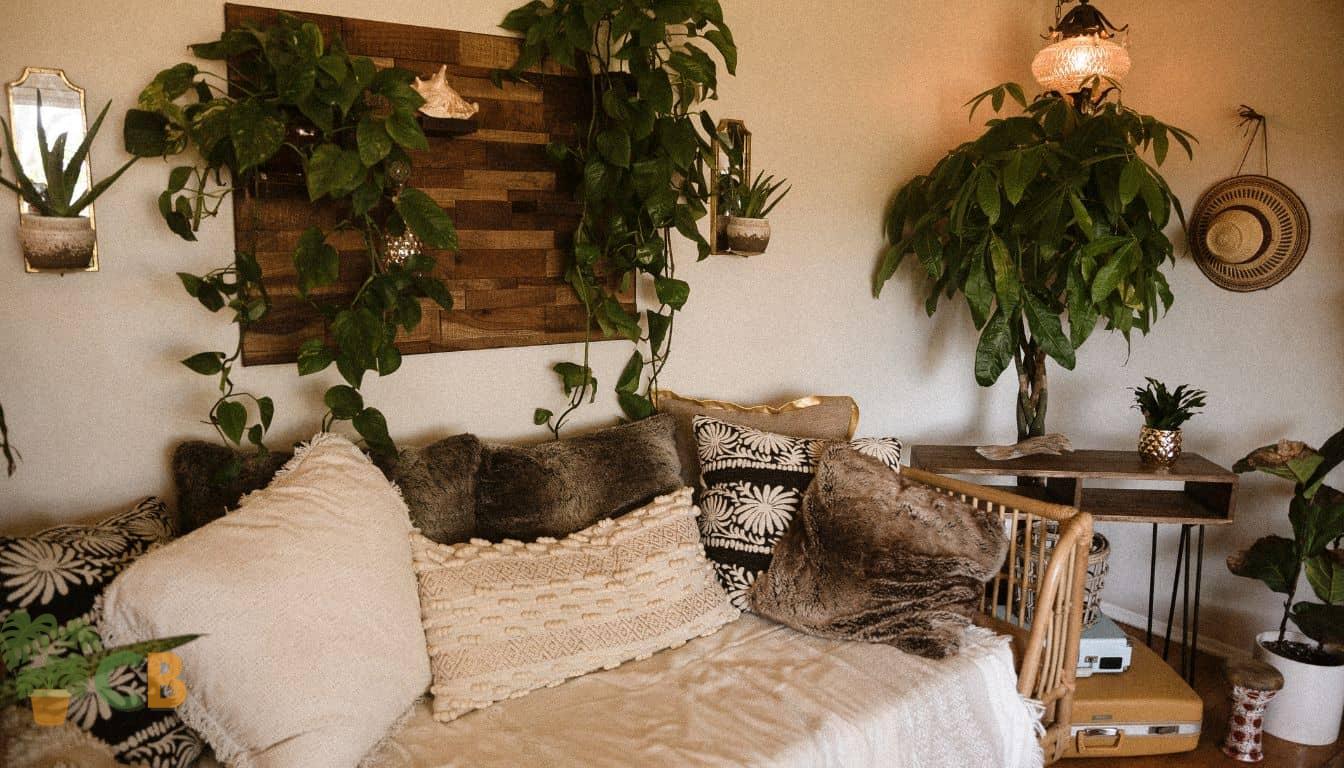
For living rooms with a boho-style aesthetic with abundant textures, it’s best to opt for plants with simple foliage. These plants will help balance out the overall look and prevent the space from feeling overwhelmed by too many intricate details.
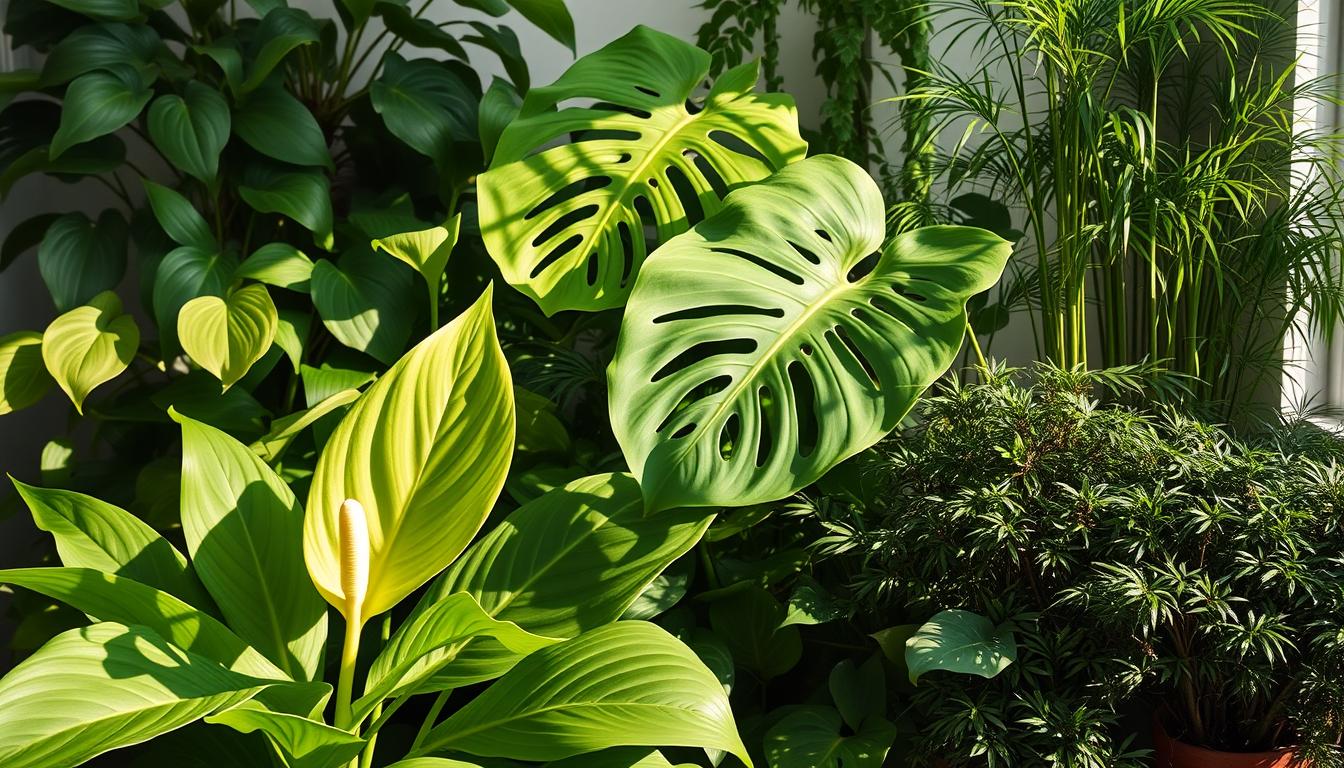
On the other hand, if you have a minimalist decor style, choose plants with elaborate foliage that can serve as a strong focal point in the room. These plants with intricate textures can add a touch of visual interest and elevate the overall aesthetic. [1]
Consider incorporating plants with fine, feathery foliage to add visual weight and increase their impact. These plants create a sense of airiness and lightness while still making a statement in the space.
Mixing plants with different textures is crucial to achieving a dynamic and visually appealing living room arrangement. Combining plants with varied foliage, like a succulent, creates an interesting contrast that adds depth and visual intrigue to the overall composition.
Playing with Color: Adding Interest and Contrast
When arranging plants in your living room, color is crucial in creating visual interest and adding a sense of contrast to your space. Instead of a predictable and matchy-matchy look, consider selecting plants with varying shades of green foliage to infuse your living room with a natural and lively vibe.
You can also introduce plants with interesting variegation or red or purple leaves to add a pop of color that effortlessly catches the eye. By strategically contrasting the color of the plants with the main color scheme of your living room walls, you can create a captivating display that adds depth and visual appeal.
Incorporating different hues and shades of green in your plant arrangement can create a visually stunning and vibrant living room.
Use hanging plants, experiment with various combinations, and explore each plant’s unique characteristics to find the perfect balance of color that complements your overall decor.
Frequently Asked Questions (FAQs) on How to Arrange Plants In Your Living Room
Q: What are some ideas to avoid when arranging plants in a living room?
A: Avoid overcrowding the space with too many plants, placing plants in areas with little natural light, and using mismatched or unattractive planters that clash with your decor.
Q: How to arrange plants in living room for stylish decor?
A: You can arrange plants in your living room by using different sizes to add visual interest, creating groupings of plants in odd numbers, and placing plants in decorative planters or stands to elevate the overall look.
Q: What are some beautiful plants to consider for a living room with plants?
A: Some beautiful plants for a living room include pothos, fiddle leaf fig, ivy, ferns, and other low-maintenance plants that do well in indoor environments.
Q: Can I arrange plants in a small living room?
A: You can arrange plants in a small living room by opting for smaller plants or using vertical space with hanging planters to maximize the greenery without taking up much floor space.
Q: How can I arrange my plants in a safe way for children and pets?
A: To ensure the safety of children and pets in your living room, you can arrange your plants in higher areas, use plant stands or shelves, and choose non-toxic plants.
Q: What are some ways to arrange plants in an empty corner of the living room?
A: Some ways to arrange plants in an empty corner include using a tall, statement plant, creating a cluster of plants for visual impact, or using a tiered plant stand to add dimension to the space.
Q: What are the best plants to consider for a living room with limited natural light?
A: Some plants that do well in low-light conditions and are suitable for a living room with limited natural light include snake plants, peace lilies, ZZ plants, and cast iron plants.
Q: How can I add small plants to my living space for a touch of greenery?
A: To add a touch of greenery to your living space, you can add small plants by placing them on floating shelves, using small tabletop planters, or creating a mini plant display on a side table or mantel.
Q: How can I learn to arrange plants in the living room to add a stylish touch?
A: You can learn how to arrange plants in the living room by researching different plant arrangement techniques, experimenting with different plant combinations, getting inspiration from interior design blogs (like ours) or magazines, and incorporating furniture like a coffee table, etc.
Final Thoughts on How to Arrange Plants In Your Living Room
Arranging plants in your living room is a simple and effective way to add a touch of nature and create a stylish and inviting space. By following these tips and ideas, you can transform your space into a green oasis that reflects your style.
Firstly, on how to arrange plants in living room, consider grouping plants in odd numbers to create a natural and visually appealing statement. Mix plants of varying heights and textures to add depth and interest to your arrangement. You can also play with different pot styles and sizes to enhance the overall aesthetic.
Next, pay attention to the growth habits of your plants. Place trailing plants in hanging baskets or cascading down from shelves to add a sense of movement and liveliness.
Avoid overcrowding by selecting plants with similar care requirements, and be mindful of the available light in each area of your living room. [2]
Don’t be afraid to experiment with ideas how to arrange plants in living room. Get creative with your plant arrangements. Try different combinations and placements to find what works best for your space.
Incorporating plants with different textures, colors, and foliage patterns can help create a visually stunning and harmonious display in your living room.
So go ahead and let your green thumb shine. Take these ideas and tips and transform your living room into a lush oasis filled with stylishly arranged plants. The endless possibilities create a vibrant and inviting space to enjoy and share with your loved ones.
Further Recommendations:
- 9 Proven Strategies on How to Keep Pigeons Off the Balcony for a Safe and Clean Space
- The Art of Sustainable Gardening: Eco-Friendly Gardening Practices
- How to Build a Patio Cover: A Comprehensive Guide
- Houseplant Happiness! A Guide on How to Clean Plant Leaves Effectively




Leave a Reply