

The snake plant is one of my collection’s most hardy and easy-to-care-for plants. These tropical plants, often grown indoors, are known for their architectural beauty and ability to thrive in dry climates.
However, knowing how often to water snake plants is crucial to their well-being. Their watering schedule and water requirements are influenced by light, temperature and humidity, soil mix, and the type of potting container they’re in.
Key Takeaways
- Snake plants have specific water requirements and watering schedules.
- Light, temperature, and humidity of the environment affect their water needs.
- The type of soil mix and potting container also impact their watering frequency.
- Despite being hardy plants, snake plants are susceptible to root rot if overwatered
Overview of Snake Plant
Snake plants are native to West Africa’s tropical regions. They’re popular as houseplants thanks to their ability to thrive under various conditions, from bright light to dry air. Their thick, fleshy leaves store water, allowing them to withstand periods of drought.
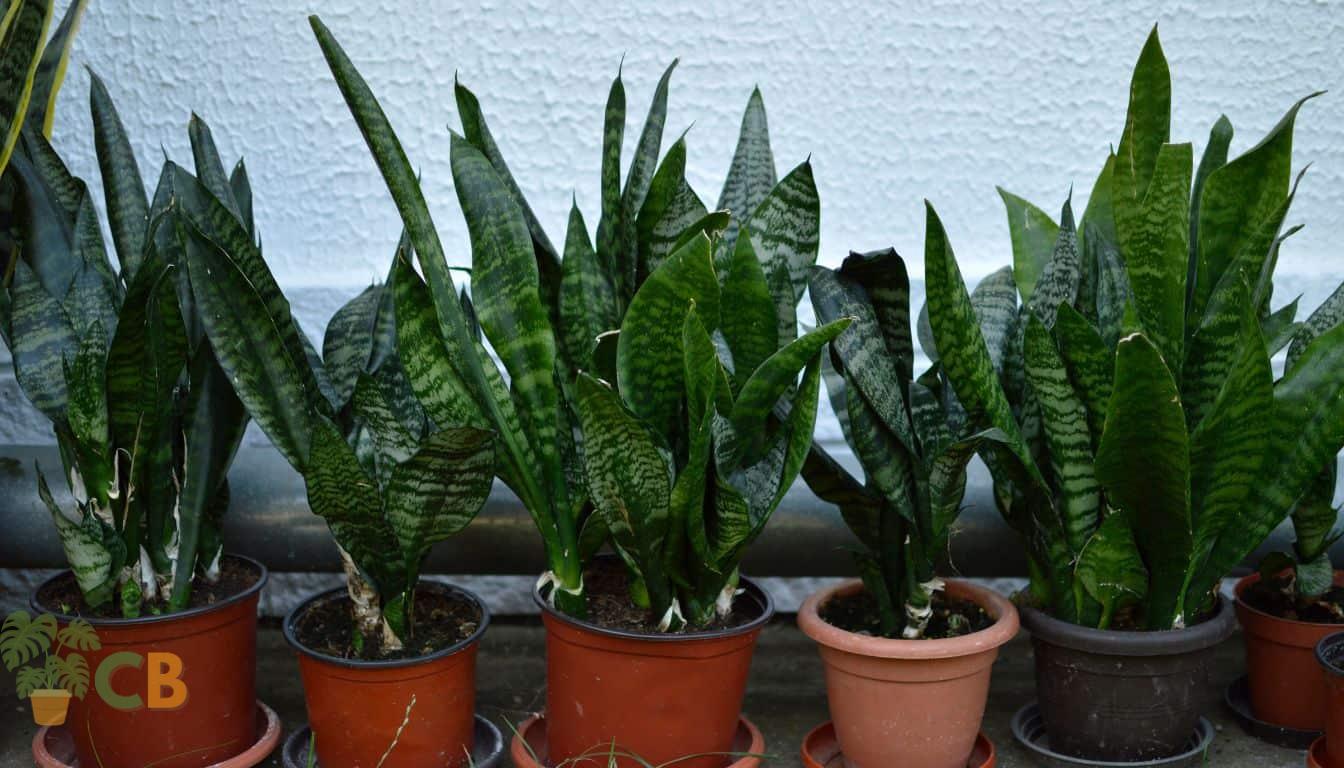
Snake plants are often planted in terracotta pots, allowing the soil to dry out more quickly than a plastic pot. This helps prevent an overwatered snake plant, as the soil doesn’t stay too moist for a prolonged period.
Different Types of Snake Plants
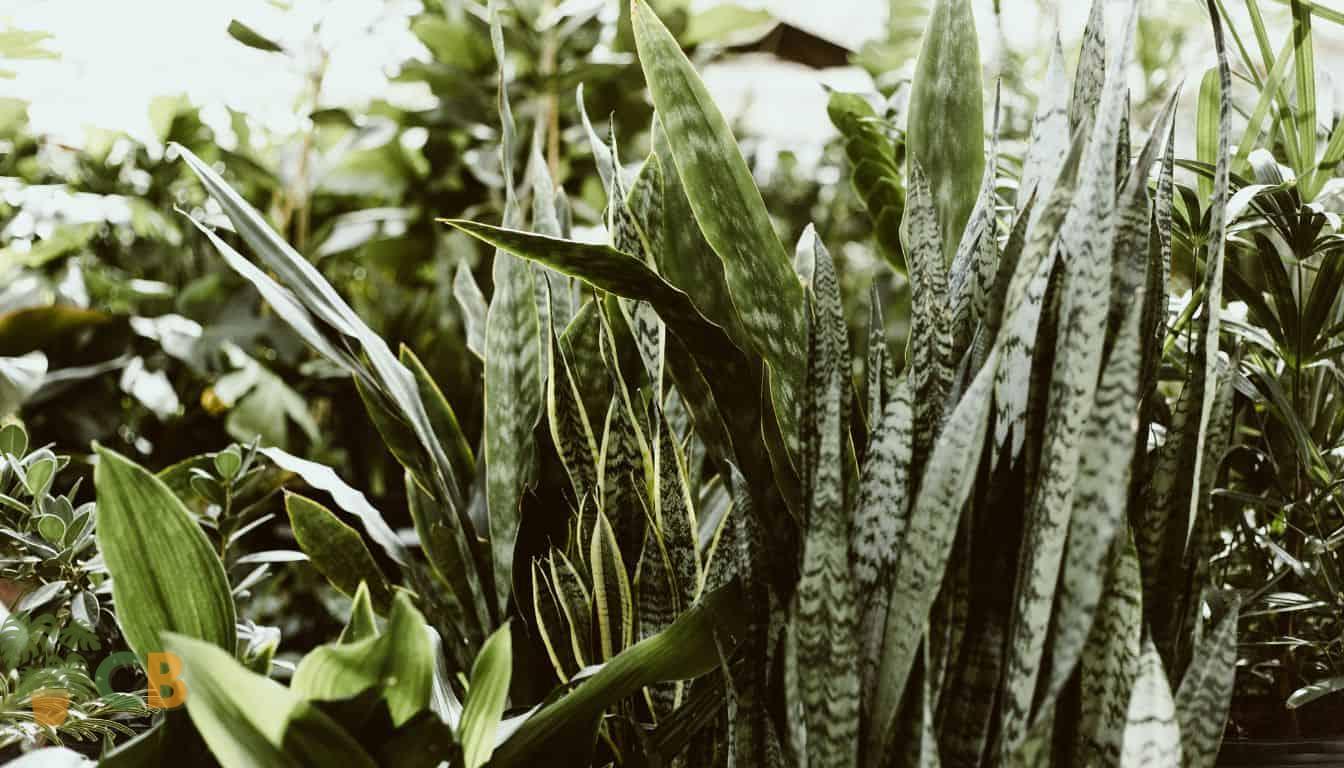
There is a variety of snake plants available, each with unique characteristics. Some are tall and straight, while others have a more twisting or wavy form. Despite the differences, all types of snake plants share some common traits.
They all require a well-draining soil mix and benefit from planting in terracotta pots. These pots are porous, allowing the soil to dry out between waterings, which is ideal for snake plants.
It’s important to note that when repotting, the plant should be planted as deep as it was in its prior container to avoid root damage.
Watering Your Snake Plant Properly
Knowing how to water your snake plant properly is crucial for its survival and growth. Pots absorb moisture from the soil, so if your snake plant is in a terracotta pot, it will need more frequent watering. [1]
I usually use tap water, but rainwater can be healthier if collected outdoors because it has fewer chemicals and salts.
Please avoid watering the leaves directly, and ensure the water drains out from the bottom of the pot. Despite their tolerance to various conditions, snake plants do not do well in dry air, so regular watering is essential, especially in dry climates.
Snake Plant Watering Basics
Watering a snake plant is a delicate process that requires understanding its basic needs. The first thing to consider is the type of pot your plant is in.
I’ve noticed snake plants housed in terracotta pots require more frequent watering. This is because these pots absorb moisture from the soil, leaving it dry sooner.
For the water, I prefer to use rainwater collected outdoors. Unlike tap water, it doesn’t contain harmful chemicals and salts. If you don’t have access to rainwater, tepid tap water will do.
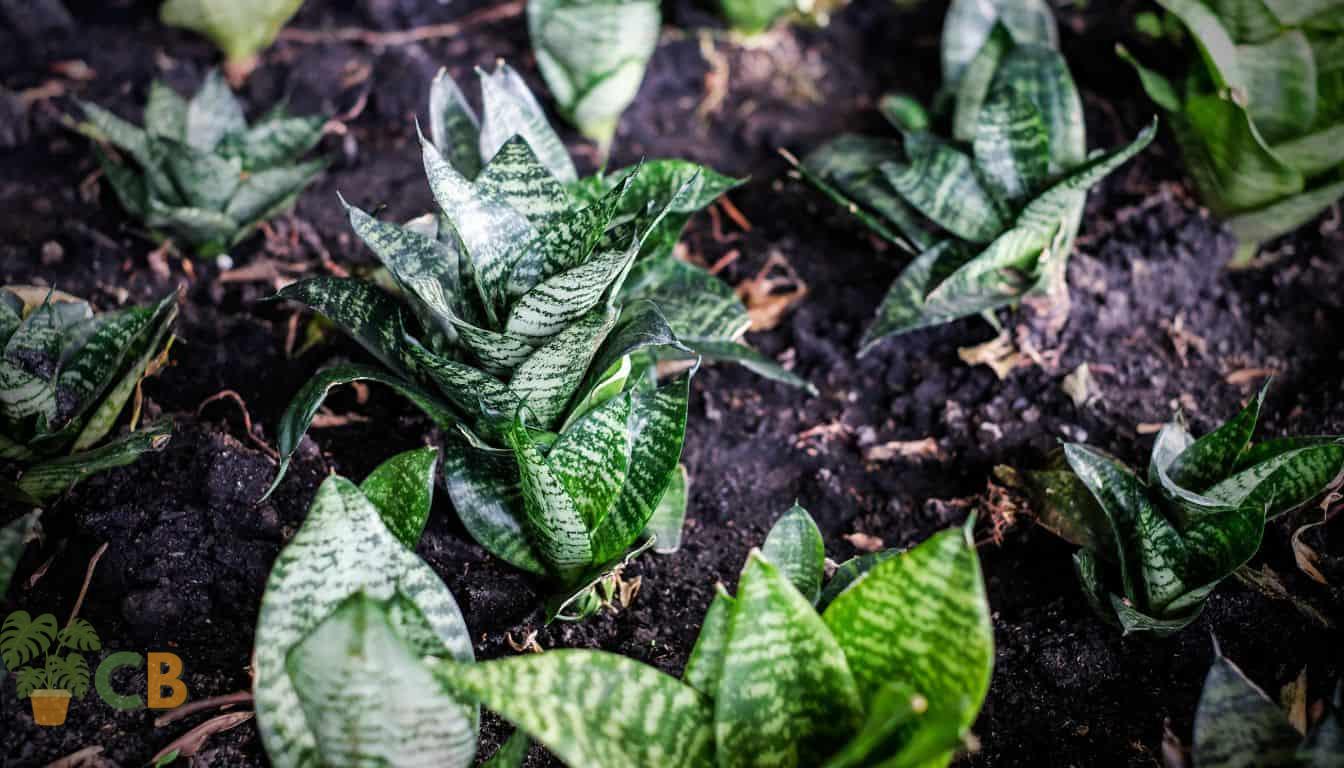
Just make sure to water the soil directly and avoid the leaves. Letting water pool in the center of the plant can cause it to rot.
Techniques for Effective Watering
Over the years, I’ve learned a few techniques that help water your snake plant correctly. It’s important to use lukewarm water. Exposing the plant’s roots to cold tap water can result in shock, leading to potential harm and impeding its growth.
Also, keep an eye out for signs of overwatering. These include yellow leaves, rotting stalks, and a wilting appearance. If you notice any of these, it’s time to adjust your watering routine.
How Often Should You Water Snake Plants
The frequency of watering your snake plant is flexible. It depends on some conditions, especially temperature and humidity. During warmer months, you might need to water your snake plant more frequently than in cooler ones.
Likewise, plants in a humid environment may need less watering than those in drier areas. It’s all about balancing and watching your plant for signs of thirst or drowning.
How Much Water a Snake Plant Needs
Again, there’s no one-size-fits-all for this aspect. The amount of water your snake plant needs can vary depending on its size, pot, and growing environment.
However, a good rule of thumb I follow is to water the plant until water starts draining out of the bottom of the pot. This usually ensures that the soil is adequately moist without being waterlogged.
The Best Way to Water Snake Plants
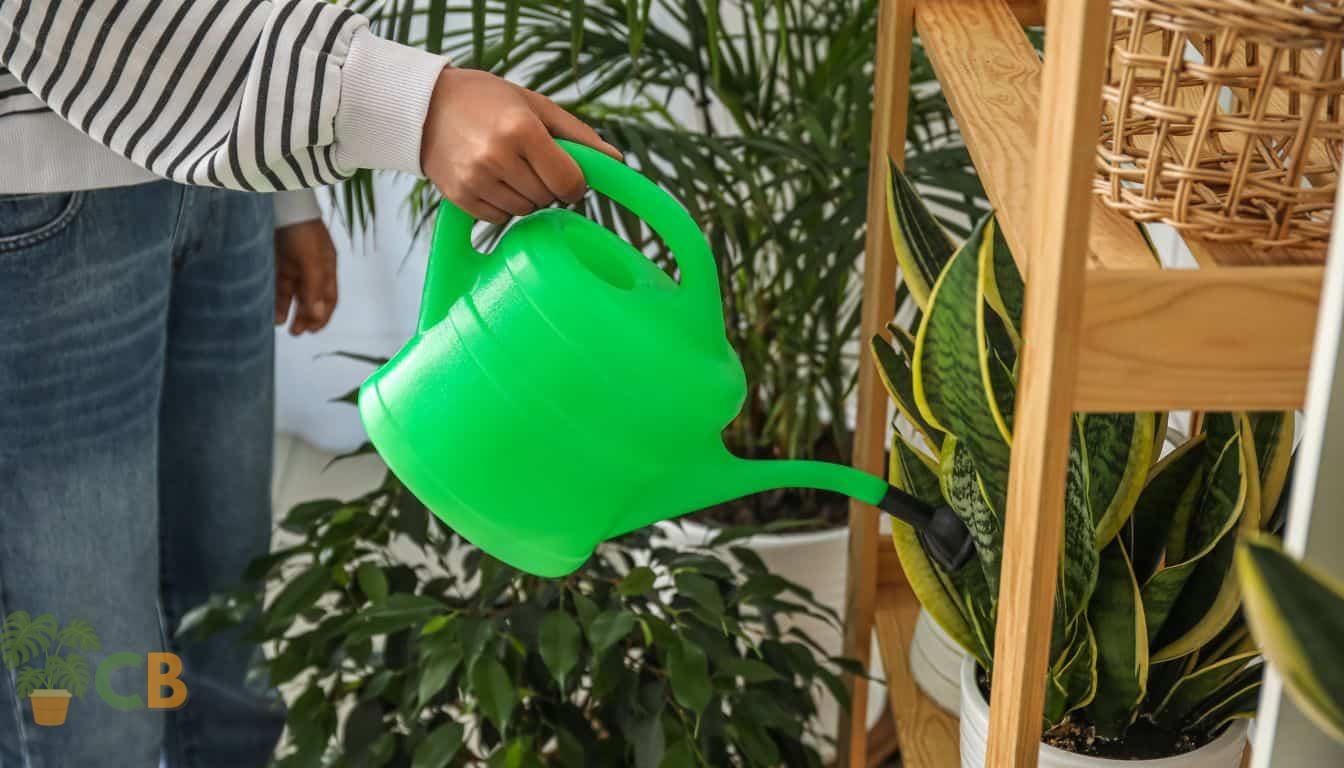
From my experience, the best way to water a snake plant is to focus on the soil, not the leaves or the center of the plant. Pour water directly into the soil until it drains from the bottom. This method ensures that the snake plant’s roots get enough water without the risk of rot or mold.
Detecting Watering Issues in Snake Plants
It’s essential to watch for watering issues with your snake plant. If not addressed promptly, these issues can cause significant damage to your plant. I’ve seen it happen many times over my 12 years of gardening, and trust me, it’s not a pretty sight.
Signs of Overwatering Your Snake Plant
One of the most common mistakes I see in watering snake plants is overdoing it. I understand; we all want to ensure our plants are well cared for, but too much water can harm a snake plant. Some signs to look out for include dying leaves and water in the soil not draining correctly.
If you notice these signs, it’s time to cut back on the watering and give your snake plant some breathing room. Please replace the overwatered soil with fresh soil to ensure it’s the best to grow.
What Happens When a Snake Plant Is Overwatered
The first thing you’ll notice is yellow leaves. This color change is one of the primary signs of overwatering. Too much water can also cause the plant’s roots to become waterlogged, leading to root rot.
This serious problem can kill your plant if not caught early. I recommend checking your plant’s roots if you see signs of overwatering. Also, investing in good watering cans can significantly affect how you water your plants.
Signs of Underwatering Your Snake Plant, Check Carefully
Just as overwatering is problematic, underwatering your snake plant is also problematic. Some signs of underwatering include dying leaves and hard, compacted soil that pulls away from the edge of the pot.
If you notice these signs, it’s time to water your plant well. I recommend adding fresh soil to help retain the right amount of moisture.
How Long Can a Snake Plant Go Without Water?
Snake plants are tough and can go for a while without water. From previous experiences, most snake plants can last about two weeks without water. Remember, this can vary depending on the size of the plant and other factors like the plant’s location and the type of soil used.
Regular watering is still important to keep your snake plant healthy and thriving despite their hardiness.
Other Factors Affecting How Often to Water Snake Plant
The frequency of watering your snake plant is about more than just a set schedule. Other factors like the plant’s location and the soil type also play crucial roles.
Here are some experienced tips to consider:
- Temperature and humidity can affect how often you water your snake plant.
- The location of your snake plant can influence its watering needs.
- Different soil types can retain or drain water, affecting how often you water your snake plant.
- Overwatering can cause problems like root rot, so always allow the soil to dry out completely before watering again.
The Role of Location in Snake Plant Watering
Snake plants are versatile and can survive in various locations, even low-light areas. However, the location can influence how much water the snake plant needs. For instance, a snake plant near a window might need more frequent watering than one in a shaded corner. Remember, no matter the location, let the top inch of soil dry out before watering your snake plant again.
The Impact of Soil Types on Snake Plant Watering
Using the correct type of soil for your snake plant is vital. Regular potting soil can retain excess moisture, making soggy soil harmful to your snake plant. Instead, opt for a well-draining soil type that allows water to flow freely, preventing waterlogging. Remember, you should water when the soil is dry to the touch.
Essential Traits of Snake Plants
Snake plants have several distinctive features that make them stand out amongst other houseplants. Their strong, sword-like leaves and bold look give them a modern, edgy feel.
Many varieties, such as Dracaena Trifasciata, are known for their rugged rhizomes, which can even tear the side of a pot when new growth emerges.
Despite their tough exterior, snake plants are not the “touchy-feely” kind of plants. Instead, they’re a hardy plant that thrives in dry air, making them ideal for indoor environments with heating or air conditioning.
Size
One of the essential traits of snake plants is their size. They can range from small, compact varieties that fit perfectly on a windowsill to large, towering types that can reach up to several feet in height.
Regardless of their size, all snake plants share the same care requirements, including the need for well-draining soil and a pot that allows the soil to dry out between waterings.
Remember, the size of your snake plant will also affect its water requirements – larger plants will generally require more water than smaller ones.
Growth Rate
In my experience, snake plants grow steadily, even when they’re grown indoors. Their growth rate isn’t rapid, but it’s consistent, making them great for those who appreciate a plant that doesn’t require constant attention.
They do well with minimal care and attention and can reach a height of up to 12 feet, but most commonly, they stay within 2 to 4 feet. Despite being slow growers, they can live for several years with good care. However, their growth significantly hinges on how well you water them.
Snake Plant Flowers
One thing that always surprises people is that snake plants do flower! Yes, these indoor plants can bloom. However, it’s rare and usually happens only when the plant matures and grows under ideal conditions.
The greenish-white flowers have a sweet, pleasant scent, typically blooming in the late winter or early spring. Again, watering the plants as they require is part of the requirements for seeing flowers.
Soil and Pot Choices for A Snake Plant
The soil and pot chosen for your snake plant are crucial to its health and growth. The soil must be well-draining to prevent root rot. A mix of succulent and cactus combined with potting soil in a ratio of 1:1 works well.
This mix can be used both indoors and outdoors. If the potting soil seems too heavy, I recommend adding a bit of pumice or perlite to enhance aeration and drainage, especially if the pot has smaller drain holes.
Snake Plant Soil Requirements
Snake plants are used to warm temperatures and require little water. As houseplants, they have adapted well to indoor conditions and do not require much attention. They do not need daily watering; overwatering can lead to root rot.
A little bit of water once a week is sufficient. If the soil is well-draining, the plant will thrive and grow to impressive sizes, rivaling other large houseplants.
The Importance of Choosing the Right Pot for a Snake Plant
Choosing the right pot for a snake plant is as important as deciding how often to water snake plants. It impacts the plant’s growth and health. The pot should allow the plant to grow but should be manageable, as it can store extra water, leading to overwatering.
The root ball should fit comfortably in the pot without being swamped. I prefer a potting container about 6 inches wider on either side of the snake plant base. Remember, the right pot and suitable soil can significantly impact your snake plant’s health, affecting its temperatures and humidity levels.
Why Snake Plants Make Ideal Houseplants
You might wonder why I’m such a big fan of snake plants. Well, let me tell you, these plants are the epitome of low-maintenance greenery. They’re hardy, adaptable, and withstand various growing conditions, making them ideal for beginners and seasoned gardeners. [2]
What truly sets them apart is their ability to purify the air. Snake plants are known to remove toxins like benzene, formaldehyde, and xylene from the air, contributing to a healthier indoor environment.
Frequently Asked Questions (FAQs) on How Often to Water Your Snake Plant
Q: How often should I water my snake plant?
A: Snake plants must be watered every 2-6 weeks, depending on the season and the plant’s environment. In general, it’s best to let the soil dry out completely between waterings and be cautious of overwatering.
Q: How much light does a snake plant need?
A: Snake plants thrive in low to medium light conditions, making them an ideal choice for indoor spaces with minimal sunlight. They can tolerate some indirect sunlight but should be kept away from direct, intense light.
Q: What are the watering needs of a snake plant?
A: Snake plants don’t require frequent watering and can tolerate dry conditions. During winter, you can water your snake plant even less often, allowing the soil to almost completely dry out between waterings.
Q: How do I know if my snake plant needs water?
A: Check the soil moisture by inserting your finger into the soil. If the top two inches are dry, it’s time to water your snake plant. Remember that it’s better to be underwater than overwater a snake plant.
Q: When is the best time to water my snake plant?
A: The best time to water your snake plant is during spring and summer when it’s actively growing. Water sparingly in the winter and avoid leaving water sitting at the base of the plant to prevent root rot.
Q: How often should I consider repotting my snake plant?
A: Snake plants don’t require frequent repotting and can thrive even when slightly root-bound. However, if your plant has outgrown its current pot or the soil has become compacted, consider repotting it every 2-3 years.
Q: What is a good watering schedule for my snake plant?
A: A good watering schedule for snake plants involves letting the soil completely dry between waterings. Water less often during the winter and increase frequency slightly in the spring and summer when the plant is actively growing.
Q: Is it necessary to water my snake plant in the winter months?
A: It’s necessary to water your snake plant in the winter months, but less frequently than in the spring and summer. Let the soil dry out almost completely between waterings to prevent overwatering.
Q: What’s the best type of pot for my snake plant?
A: Choose a well-draining pot for your snake plant, as they prefer to avoid sitting in waterlogged soil. A terracotta or ceramic pot with drainage holes can promote healthy root growth and prevent water-related issues.
Q: Can snake plants grow in water instead of soil?
A: Yes, snake plants can grow in water instead of soil, making them a low-maintenance option for water propagation. Place healthy leaf cutting in water and change the water regularly to promote root development.
Final Thoughts on How Often to Water Snake Plants
With over a decade of experience in urban gardening, I’ve found snake plants to be one of the most hardy and low-maintenance plants out there. They are incredibly forgiving, even to those who might forget to water them occasionally.
However, a bit of understanding and care goes a long way. Remember to use a pot with drainage holes to prevent water from pooling at the bottom. A plant saucer can also be handy to catch any excess water.
These simple plant care tips can make a massive difference to the health and growth of your snake plant.
Whether you’re a seasoned gardener or just starting, snake plants are a great addition to any indoor garden.
Further Recommendations:
- Maximizing Greenery: How to Arrange Plants in Your Living Room for Stylish Decor
- The Art of Sustainable Gardening: Eco-Friendly Gardening Practices
- How to Build a Patio Cover: A Comprehensive Guide
- Houseplant Happiness! A Guide on How to Clean Plant Leaves Effectively



Leave a Reply