

Are you tired of constantly worrying about whether your plants get the right amount of water? What if there were a game-changing solution that could transform your plant care routine forever?
Self-watering planters have changed the game for indoor and outdoor gardening. They offer a smart way to care for plants, removing the need to guess when to water. These containers moisten your plants, making them great for new and seasoned plant lovers.
With self-watering planters, you can forget the stress of watering too much or too little. They use a special water reservoir system, which lets plants drink just what they need at the right time.
Studies show that these pots can boost plant survival by up to 30%, making them a must-have for plant enthusiasts. Let’s explore the best self-watering pots for your plants and their benefits.
Key Takeaways
- Self-watering planters eliminate guesswork in plant care
- Reduce the risk of overwatering by up to 50%
- Perfect for busy individuals or frequent travelers
- Available in multiple sizes and designs
- Can extend the time between watering by 2-3 weeks
Introduction to Self-Watering Pots
Gardening can be challenging, even for those who love plants but are busy. Self-watering planters are a game-changer for easy plant care.
These smart containers make gardening easier by providing a perfect watering system. They differ from regular pots because they use technology to keep plants moist.
What Are Self-Watering Pots?
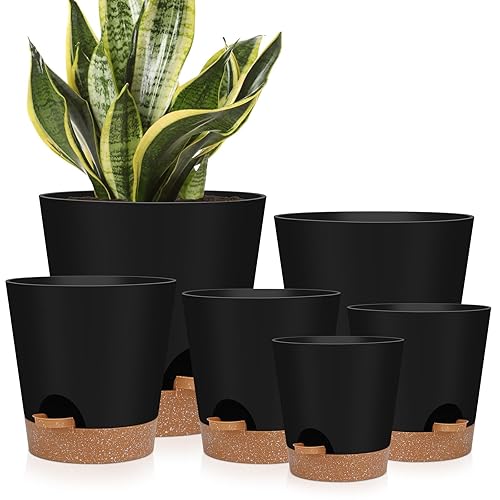
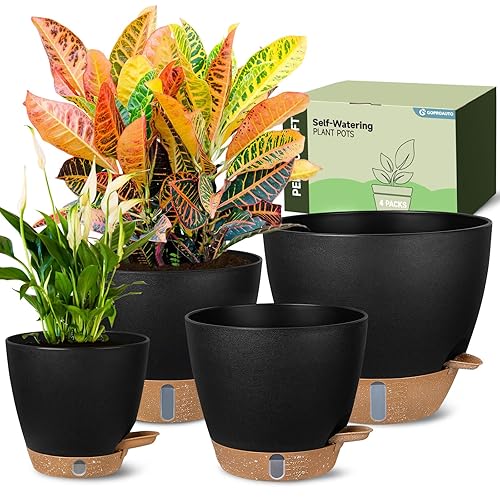
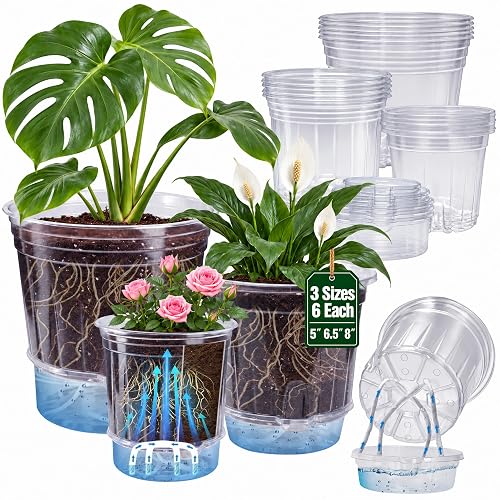
Self-watering planters have a special design. They include:
- A water reservoir at the bottom of the pot
- A perforated platform for root access
- A wicking system that draws water directly to plant roots
These pots can hold up to 5 gallons of water, keeping your plants moist. The design lets roots get water easily, creating a self-sustaining system.




Benefits of Using Self-Watering Pots
Using self-watering planters has many benefits:
- Reduces water usage by up to 50%
- Maintains consistent soil moisture
- Prevents overwatering and root rot
- Perfect for busy individuals or frequent travelers
Studies show these plants do well in self-watering systems, which are great for both new and experienced gardeners. Your plants will get the water they need without you having to check on them constantly.
Why Choose the Best Self-Watering Pots for Plants?
Gardening can be challenging, whether you’re busy or new to plants. Self-watering pots make it easy and fun. They change how we care for our plants.

These planters are great for anyone. Their smart water system lets plants water themselves, reducing mistakes.
Effortless Plant Care
Choosing the right plants for these pots makes gardening easy. These pots have big benefits:
- They keep plants moist, which is good for health
- You water less often
- They save water
- They prevent too much or too little water
Ideal for Every Environment
Self-watering pots fit any setting, perfect for many plants. They’re great for:
- Busy professionals with little time for plants
- Travelers who can’t keep up with watering
- New gardeners learning the ropes
- Spaces indoors and outdoors

You can have a lush space with little work with the right plants in self-watering pots.
| Plant Type | Suitability for Self-Watering Pots | Care Level |
|---|---|---|
| Succulents | Excellent | Low |
| Herbs | Very Good | Medium |
| Tropical Plants | Ideal | Medium |
| Vegetables | Good | High |
Top 5 Best Plants for Self-Watering Pots
Choosing the right plants for self-watering pots can make indoor gardening easy. These planters cut down watering by up to 50%. Let’s look at the top plants that do well in these containers.

Spider Plant: The Air-Purifying Champion
Spider plants are great for self-watering pots. They work well in different light and need little care. They’re perfect for homes and offices because they clean the air.
- Thrives in indirect light
- Removes up to 90% of indoor air pollutants
- Produces adorable baby plantlets

Pothos: The Low-Maintenance Marvel
Pothos is perfect for self-watering pots. Epipremnum aureum can go without water for up to two weeks. It’s great for those who don’t have much time to care for plants. Its vines add beauty to any room.

“Pothos is the ultimate low-maintenance plant for self-watering systems.” – Indoor Gardening Experts
Peace Lily: The Elegant Air Purifier
Peace lilies do well in self-watering pots. They remove up to 60% of indoor pollutants. They like consistent moisture and bloom often with the right care.
- Tolerates low-light conditions
- Dramatically improves indoor air quality
- Produces beautiful white flowers

Snake Plant: The Resilient Performer
Snake plants are tough in self-watering pots. They need little care and can handle different environments.
Picking these top plants will help you have a thriving indoor garden with little effort. Self-watering pots save water by about 30% and keep your plants healthy and lively.
Product offers are temporarily unavailable.
How to Select the Right Plant for Your Pot
Choosing the right indoor plants for your self-watering pot is essential. You need to think about your space and environment. Not all plants do well in the same conditions, so knowing your specific setting is key to good plant care.

When picking plants for your self-watering pot, consider a few important things. These things affect how well your plants will grow and stay healthy:
- Available natural light intensity
- Room temperature
- Humidity levels
- Potential plant growth patterns
Understanding Your Space
Different plants need different things. Trailing plants like pothos or spider plants can do well in many light conditions. They’re great for self-watering pots. Think about these space-related things:
- Measure the amount of direct and indirect sunlight.
- Check the ceiling height for potential plant growth.
- Evaluate room temperature consistency.
Light Requirements Matter
It’s important to match your plants with the light they need. Some plants love bright, indirect sunlight, while others do well in low light. Self-watering pots help keep moisture steady, but light is vital for plant health.
Pro tip: Always research your specific plant’s light requirements before placing it in a self-watering pot.
Planting Tips for Self-Watering Pots
Creating the perfect environment for your plants in self-watering planters requires careful consideration of soil and watering techniques. The right approach can transform your plant care experience, making it easier and more enjoyable.

When selecting soil for self-watering pots, focus on a mix that promotes optimal plant health. The ideal potting medium should be lightweight and well-draining to prevent water-related issues.
Choosing the Right Soil Mix
- Use a lightweight potting mix designed for container gardening
- Mix in 1 part compost and 1 part perlite to improve drainage
- Avoid heavy, compact soils that can block water movement
- Ensure the soil allows for proper root aeration

Watering Techniques for Best Results
Mastering watering in self-watering pots is crucial for the best plants for self-watering pots. Keep these tips in mind:
- Check the water reservoir approximately every week.
- Maintain topsoil about 1 inch below the pot’s rim.
- Monitor water levels to prevent overwatering.
- Adjust watering frequency based on individual plant needs.
Pro Tip: Different plants have unique water requirements, so pay attention to each plant’s specific needs.
Remember that not all plants are suitable for self-watering planters. Succulents and cacti prefer drier conditions, while tropical plants thrive in consistent moisture. Selecting the right soil and understanding your plant’s water needs will create an ideal growing environment, promoting healthy, sustainable plant life.
Maintenance of Self-Watering Pots
Keeping your self-watering planters in top shape is key for healthy plants. These containers make caring for plants easier while keeping them growing well.
- Check water levels weekly.
- Clean the reservoir regularly.
- Use premium potting mix.
- Monitor plant health.
Monitoring Water Levels
Most self-watering planters have water level indicators, which make it easy to see when the water level is low. The wicking system pulls water to the roots when needed, avoiding too much water.
| Maintenance Task | Frequency | Purpose |
|---|---|---|
| Water Level Check | Weekly | Ensure consistent moisture |
| Reservoir Cleaning | Monthly | Prevent mineral buildup |
| Potting Mix Refresh | Annually | Maintain nutrient quality |
Re-Potting Guidelines
When your plants grow too big, it’s time to repot them. Choose a self-watering planter slightly larger than the previous one to give the roots room to grow.
Follow these maintenance tips to get the most out of your self-watering planters. With little effort, your plants will stay lush and vibrant.
Common Mistakes to Avoid
Using self-watering pots can be tricky. It’s all about finding the right balance of moisture for your plants. Knowing common mistakes helps keep your plants healthy and happy.

Plant care requires attention, even with self-watering systems. Beginners often find it difficult to meet the needs of different plants, especially drought-tolerant plants and succulents.
Overwatering Hazards
Overwatering is a big problem for plant owners. Even with self-watering pots, moisture issues can still happen. Here are some risks:
- Root rot from too much water
- Fungal growth in damp soil
- Yellow leaves from too little water
- Mold infestations
Selecting the Right Plants
Not every plant does well in self-watering containers. Succulents and drought-tolerant plants need special care. They prefer dry conditions and can get sick in too much moisture.
To avoid plant problems, follow these tips:
- Learn each plant’s water needs
- Choose pots with good drainage
- Check soil moisture often
- Water is based on the plant type
Pro tip: Always check soil moisture before watering. Remember, each plant needs different amounts of water.
Enhancing Aesthetics with Self-Watering Pots
Turn your home into a beautiful green oasis with stylish self-watering planters. These pots mix practical care with stunning looks. Indoor plants have never been more elegant.
Choosing the right self-watering planters is more than just plant care. Your pot can make your home look better and keep your plants happy without much effort.
Choosing Stylish Pots That Complement Your Space
When picking self-watering planters, think about these design points:
- Modern minimalist designs for contemporary interiors
- Rustic ceramic options for farmhouse-style spaces
- Sleek metallic finishes for industrial-chic environments
- Colorful plastic pots for vibrant, playful settings

Decor Ideas for Indoor and Outdoor Spaces
Mix different self-watering planters to make your space pop. Pro tip: Group plants that need the same water to make caring for them easy and create beautiful displays.
“The right self-watering planter transforms plants from mere houseguests to integral design elements.” – Cassie
Brands like Vanavazon and GARDIFE offer self-watering planters that keep your plants healthy and add style. They range in size from 3-inch pots to 5-gallon containers, so you’ll find the perfect one for every plant and space.
Seasonal Care for Your Plants
Caring for your plants all year means knowing their changing needs. Each season brings its own challenges for keeping plants healthy, even with self-watering pots. Plants that don’t need much water or care make it easier to garden through the seasons.
Adjusting Water Needs Across Seasons
Plants need more water in summer and less in winter. Plants that don’t need much water in hot months might need more water in their pots. But it’s important to water less in winter to avoid root rot.
- Summer: Increase water frequency for most plants
- Fall: Gradually reduce watering intervals
- Winter: Minimize water to prevent root rot
- Spring: Slowly resume the regular watering schedule
Preparing for Winter Plant Care
Winter is tough for plants in self-watering pots. Many plants sleep through winter, needing less water and food. Reduce watering frequency to prevent overhydration and damage to roots.
Here are some winter care tips:
- Check the water reservoir less frequently
- Move plants away from cold drafts
- Maintain consistent indoor temperatures
- Monitor plant health closely
Knowing what your plants need each season helps your self-watering pots keep your plants happy all year.

Troubleshooting Plant Issues
Even the best plants for self-watering pots can face challenges. Indoor plants need careful attention to stay healthy. Knowing common plant problems helps keep your plants thriving.
Plant health in self-watering pots can be affected by several factors. Spotting early warning signs is key to preventing damage to your indoor plants.
Identifying Common Plant Problems
- Leaf Discoloration: Yellowing or browning leaves often indicate nutrient issues.
- Wilting despite water in the reservoir suggests potential root problems.
- Stunted growth might signal inadequate nutrition or light exposure.
Solutions for Unhappy Plants
Quick actions can save your self-watering pot plants from decline. Here are some strategies:
- Check water reservoir levels regularly
- Use filtered water to prevent mineral buildup
- Inspect roots for signs of rot or disease
- Adjust soil composition for better drainage
Self-watering planters can cut garden maintenance by up to 70%. But, they’re not perfect. Watching your indoor plants closely keeps them healthy and vibrant.
Pro tip: A well-draining soil mix prevents root rot and keeps your plants thriving.
Understanding your plants’ specific needs makes you a better indoor gardener. This maximizes the benefits of self-watering pots.

FAQ
What exactly are self-watering pots?
Are self-watering pots good for all types of plants?
How often do I need to refill a self-watering pot?
Can self-watering pots prevent overwatering?
Do self-watering pots work for both indoor and outdoor plants?
What are the best plants for self-watering pots?
How do I choose the right soil for a self-watering pot?
Are self-watering pots more expensive than traditional planters?

Final Thoughts on the Best Self-Watering Pots
Self-watering planters can change how you garden indoors. They keep plants watered, making care easy for everyone. Snake Plants, Spider Plants, and Peace Lilies are great for these pots because they’re easy to care for.
Exploring self-watering planters opens up new possibilities for your indoor garden. These planters save water and prevent excess or insufficient water use. They’re perfect for busy people or anyone who loves plants but lacks time.
Good plant care means knowing what each plant needs. Self-watering planters are very helpful, but not for every plant. Learn about your plants, watch how they grow, and change your care as needed. Try different plants and planters to find what’s best for your space.
Your indoor garden is a journey of discovery. Enjoy the trip and watch your plants grow and thrive with these new self-watering systems. The world of indoor gardening is full of possibilities, one self-watering planter at a time. Happy gardening.
Further Recommendations:
- Best Indoor Greenhouse
- Bucket Gardening
- Why are my plants drooping?
- How to care for an air plant
- Hydroponic Gardening
- How to Keep Pigeons Off the Balcony?
- Best Patio Furniture Covers
- Patio Pet Games
- Best Kitchen Composters
- Eco-Friendly Homes – Sustainable Living
- Best Soil For Snake Plants
- How to Build a Patio Cover
- Houseplant Happiness! A Guide on How to Clean Plant Leaves Effectively
- 10 Best Indoor Gardening Books
- How to Stop Ants Nesting in Plant Pots
- What Plants Don’t Like Epsom Salt?
- How to Plant Carrot Seeds

Leave a Reply