

Have you ever wondered why your beloved houseplants suddenly look sick and unhealthy? Mold could be the silent killer lurking in your plant soil, threatening the life of your green companions.
As an indoor gardening professional and enthusiast, I’ve battled this pesky problem numerous times and learned how to eliminate mold in plant soil effectively.
Mold isn’t just an unsightly nuisance; it seriously threatens your plants’ health. Over 70% of indoor plant mold issues stem from overwatering, so understanding mold removal from potting soil becomes crucial for any plant parent.
In this comprehensive guide, I’ll explain everything you need to know about identifying, preventing, and eliminating mold from your plant’s environment. From simple household remedies to professional techniques, you’ll discover practical strategies to keep your indoor garden thriving.
Key Takeaways
- Mold can significantly reduce plant nutrient absorption
- Overwatering is the primary cause of mold growth
- Proper soil drainage is essential for preventing mold
- Natural remedies like cinnamon can help combat mold
- Early detection is critical for plant survival
- Regular monitoring prevents severe mold infections
- Different plants require unique care strategies
Understanding Mold in Plant Soil
Mold in plant soil can be a tricky challenge for plant enthusiasts. Understanding the root causes is key to eliminating mold effectively from houseplant soil.
Saprophytic fungi play a crucial role in soil ecosystems. But they can spell trouble for your beloved plants when they become excessive. Indoor environments create perfect conditions for mold growth, which is bad for your plants when they lack proper care.
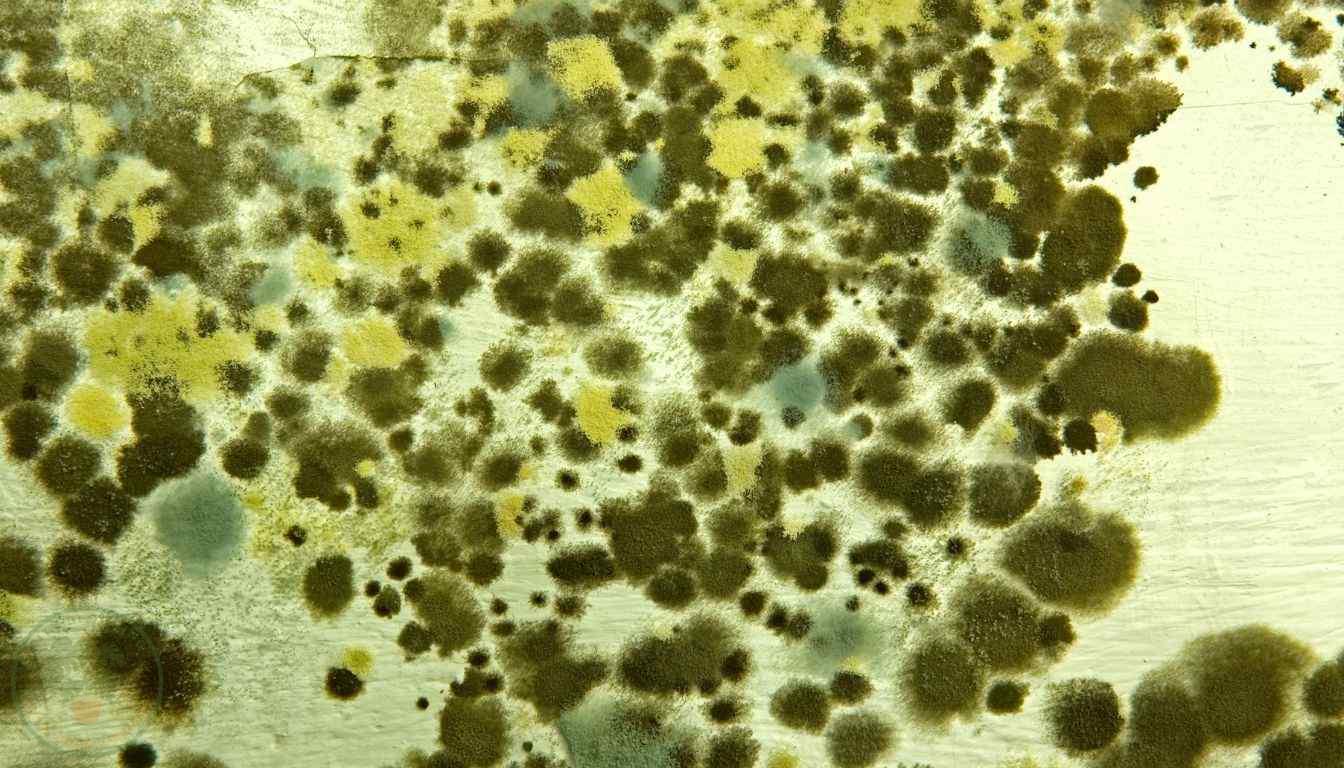
What Causes Mold to Grow in My Plant Soil?
Several key factors contribute to mold development in plant soil:
- Excessive moisture
- Poor drainage
- Inadequate sunlight
- Low air circulation
Identifying Different Types of Mold
Treating moldy plant soil requires understanding the different types of fungal growth. Mold can appear in various colors and textures:
| Mold Type | Appearance | Potential Risk |
|---|---|---|
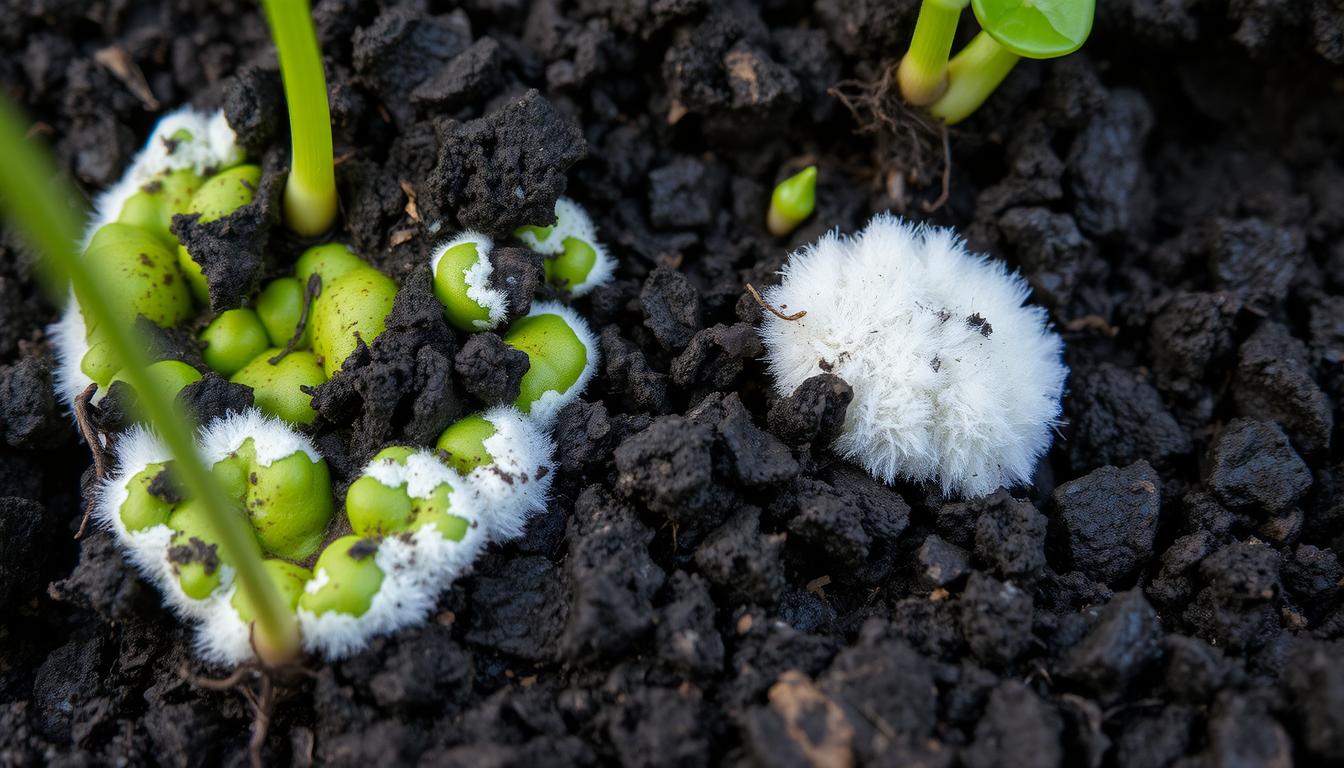
| White Mold | Fuzzy, cotton-like | Generally harmless |
| Gray Mold | Powdery, light gray | Moderate risk |
| Black Mold | Dark, slimy patches | High potential danger |
When Is Mold a Problem for My Plants?
Not all mold signals disaster. Indoor plants are more likely to get fungal growth because of:
- Slower evaporation rates
- Limited air circulation
- Consistent moisture levels
Understanding the delicate balance of plant care is crucial in preventing mold growth and maintaining healthy houseplants.
By monitoring your plants’ environment and implementing proper care techniques, you can effectively manage and prevent mold development in your plant soil.
Signs of Mold Infestation in Your Plants
Finding mold early is key to a healthy indoor garden. Watch for signs of mold in the soil. Plants show health issues through visual and environmental clues.
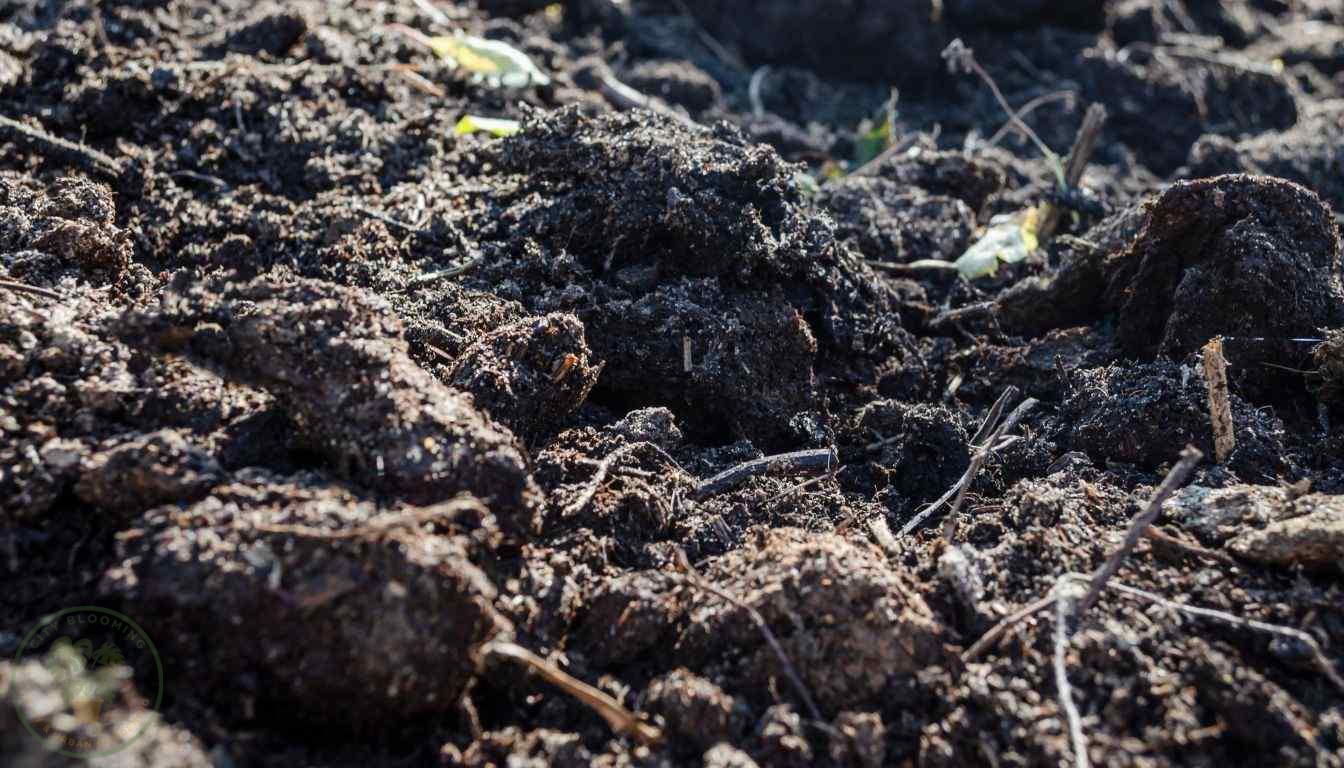
Visual Indicators of Mold
Mold shows itself in clear ways. Look out for these signs:
- White, gray, or green fuzzy patches on the soil surface.
- Powdery or cobweb-like growth around plant stems.
- Discoloration or unusual texture in potting mix.
Subtle Symptoms to Watch
Mold can also show up in other ways. A healthy potting mix looks fresh. Watch for these signs:
- Unexplained wilting or drooping leaves.
- Stunted plant growth.
- Musty or damp odors around the plant.
Understanding Mold Detection Importance
Spotting mold early can save your plants. Indoor spaces often have the right conditions for mold. This is true, with 75% of houseplants facing moisture problems in winter.
| Mold Indicator | Severity Level |
|---|---|
| Surface White Mold | Low Risk |
| Extensive Gray Patches | High Risk |
| Musty Smell | Moderate Risk |
“Catching mold early is like catching a small leak before it becomes a flood” – Mike R, Plant Care Expert
Not all mold is bad. Some fungi help the soil. The important thing is to know the difference between good microbes and harmful mold.
Prevention Tips to Avoid Mold Growth
To keep your plants safe from mold, you need a good plan for soil care and keeping the environment right. Understanding what makes mold grow is the first step.
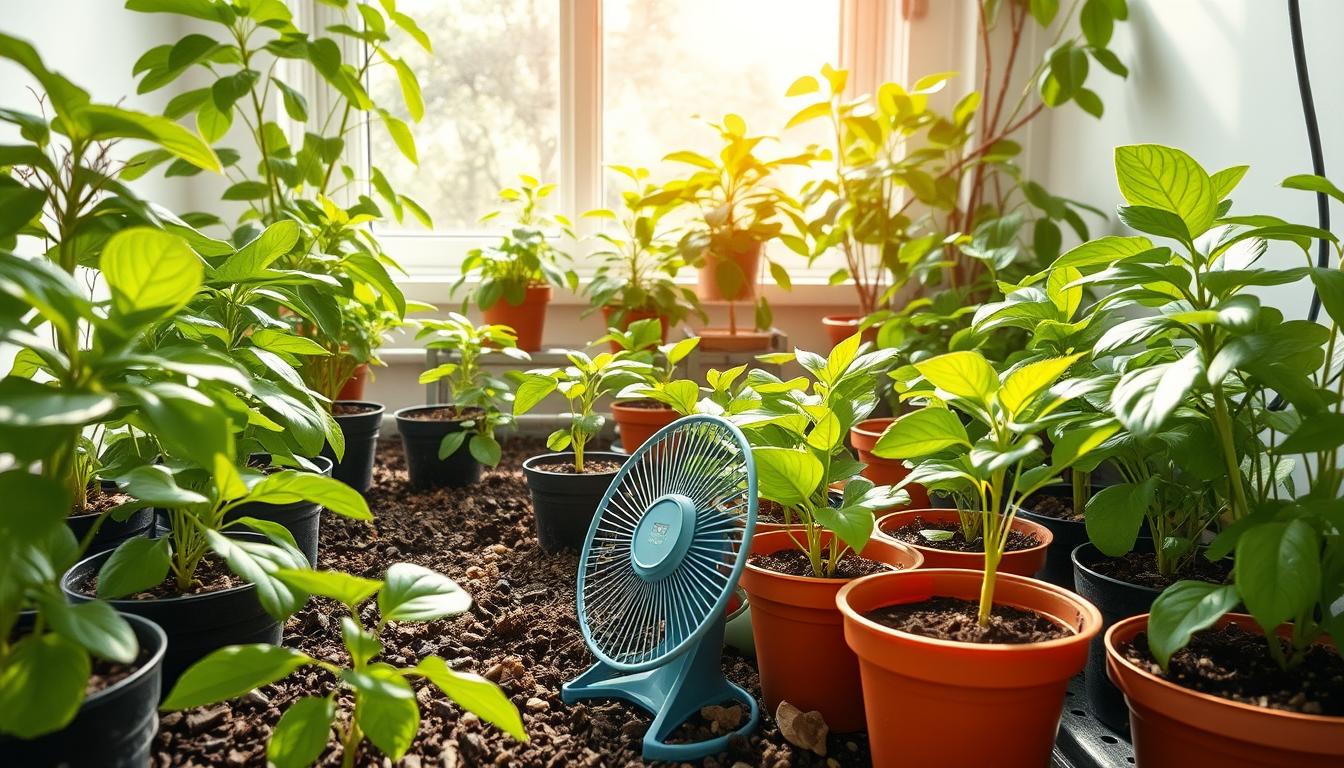
Mold loves damp, dark places. So, taking good care of your plants is key to stopping mold. I’ve put together a plan to help your plants stay healthy and free from mold.
Selecting the Perfect Soil
Choosing the right soil is your first defense against mold. Look for potting mixes that drain well:
- Use soil with perlite or sand to improve drainage.
- Avoid dense, compact potting materials.
- Select lightweight, well-aerated soil mixes.

Mastering Watering Techniques
Watering wisely is crucial to stop mold. Indoor plants usually need less water than you think. Here are my best watering tips:
- Check soil moisture with your finger before watering.
- Water only when the top inch of soil feels dry.
- Use pots with multiple drainage holes.
Maximizing Sunlight and Circulation
“Good air flow is like a breath of fresh air for your plants” – Plant Care Expert
To stop mold, focus on two essential things:
- Place plants in areas with plenty of indirect sunlight
- Make sure there’s good air flow around your plants
- Avoid crowding plants in tight spaces
Following these tips can greatly lower the chance of mold and keep your plants healthy and lively. Remember, it’s always better to prevent mold than to treat it.
How to Remove Mold from Plant Soil
Discovering mold in your plant’s soil can be alarming, but don’t worry! I’ll guide you through effective fungi removal from plant containers and maintaining healthy soil for houseplants. Understanding the right approach can save your green friends from potential damage.
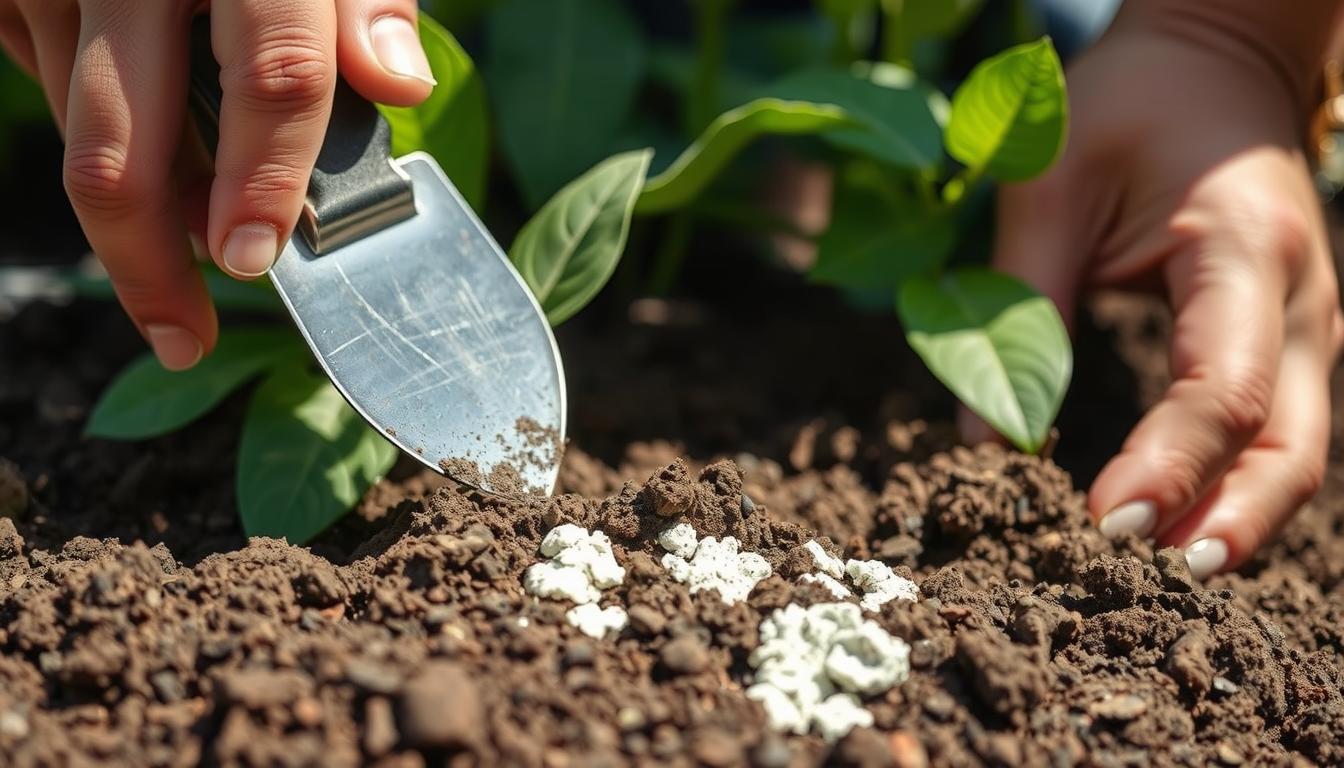
Simple Household Remedies
When tackling mold, start with natural solutions you can find at home. Here are some effective methods:
- Sprinkle cinnamon on the soil surface – it’s a natural antifungal agent
- Use diluted hydrogen peroxide to kill mold spores
- Carefully scrape off visible surface mold
- Remove dead or decomposing plant matter immediately
Specialized Fungicide Treatments
For stubborn mold problems, specialized products can be more effective. I recommend choosing fungicides designed for houseplants.
| Fungicide Type | Effectiveness | Application Frequency |
|---|---|---|
| Organic Fungicides | Moderate | Every 2-3 weeks |
| Chemical Fungicides | High | Once per month |
| Natural Sprays | Low-Moderate | Weekly |
When to Repot
Sometimes, removing mold requires a complete soil replacement. Consider repotting when:
- Mold covers more than 30% of the soil surface
- The soil remains consistently damp
- Plant shows signs of root decay
Remember, about 40% of gardeners face mold issues. These strategies will effectively manage and prevent fungi growth in your houseplants’ soil.
Importance of Sanitation in Plant Care
Keeping your plant area clean is key to avoiding mold in soil. Good sanitation stops mold and keeps your plants safe.
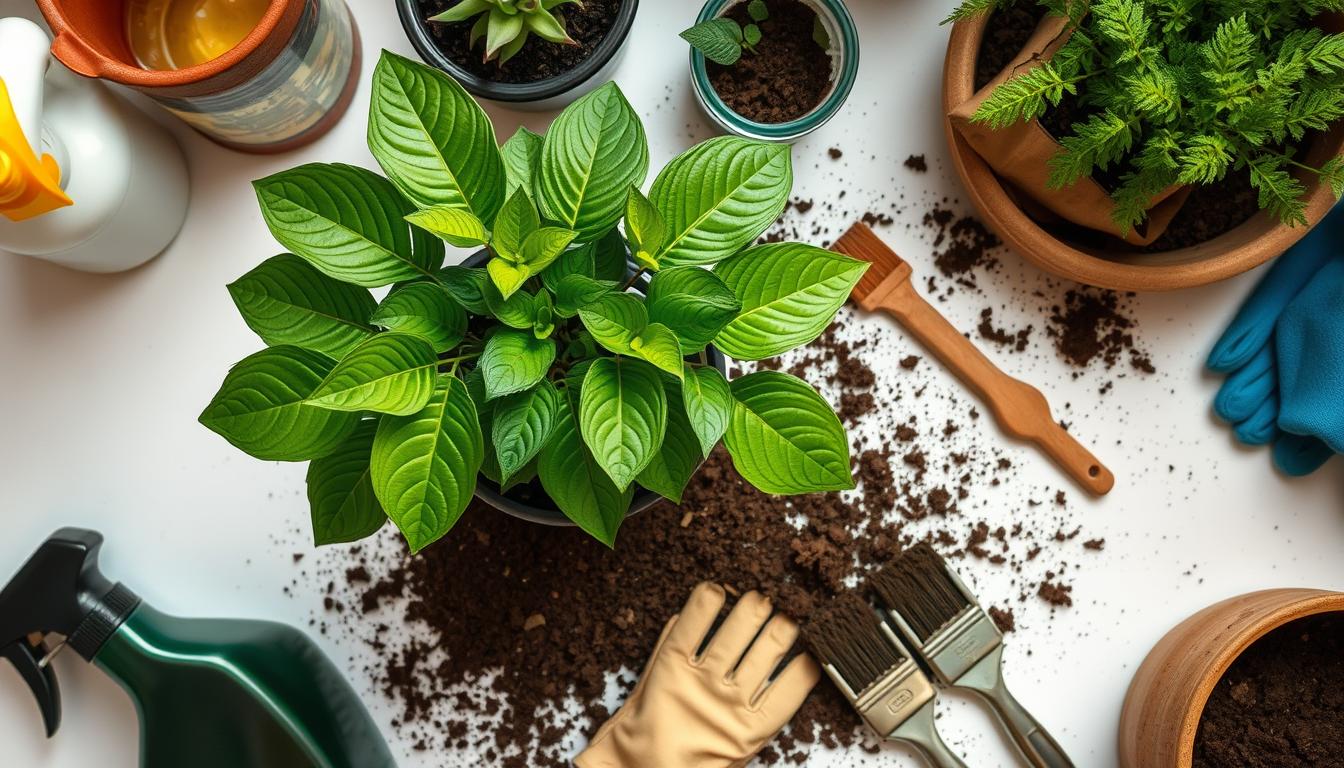
Removing mold from potting soil begins with cleanliness. Dirty tools and containers spread mold quickly, which can harm your plants.
Cleaning Gardening Tools and Containers
It’s important to clean all gardening tools well. Here’s how to do it right:
- Disinfect pruning tools with a 10% bleach solution.
- Wash pots and containers with hot, soapy water.
- Use rubbing alcohol to sterilize small tools.
- Allow tools to dry completely before storage.
Proper Disposal of Affected Soil
To get rid of moldy soil, careful steps are needed to stop spores from spreading. Please don’t mix it with compost or use it again.
| Disposal Method | Effectiveness |
|---|---|
| Sealed plastic bag disposal | 90% effective |
| Municipal waste collection | 85% recommended |
| Deep burial | 70% containment |
“Clean tools save plants” – A gardener’s golden rule
By following these sanitation steps, you’ll lower mold risk. This makes a better home for your plants.
The Role of Humidity in Mold Growth
It’s important to know how humidity affects mold in houseplant soil. High humidity helps mold grow, so keeping an eye on moisture levels indoors is key.
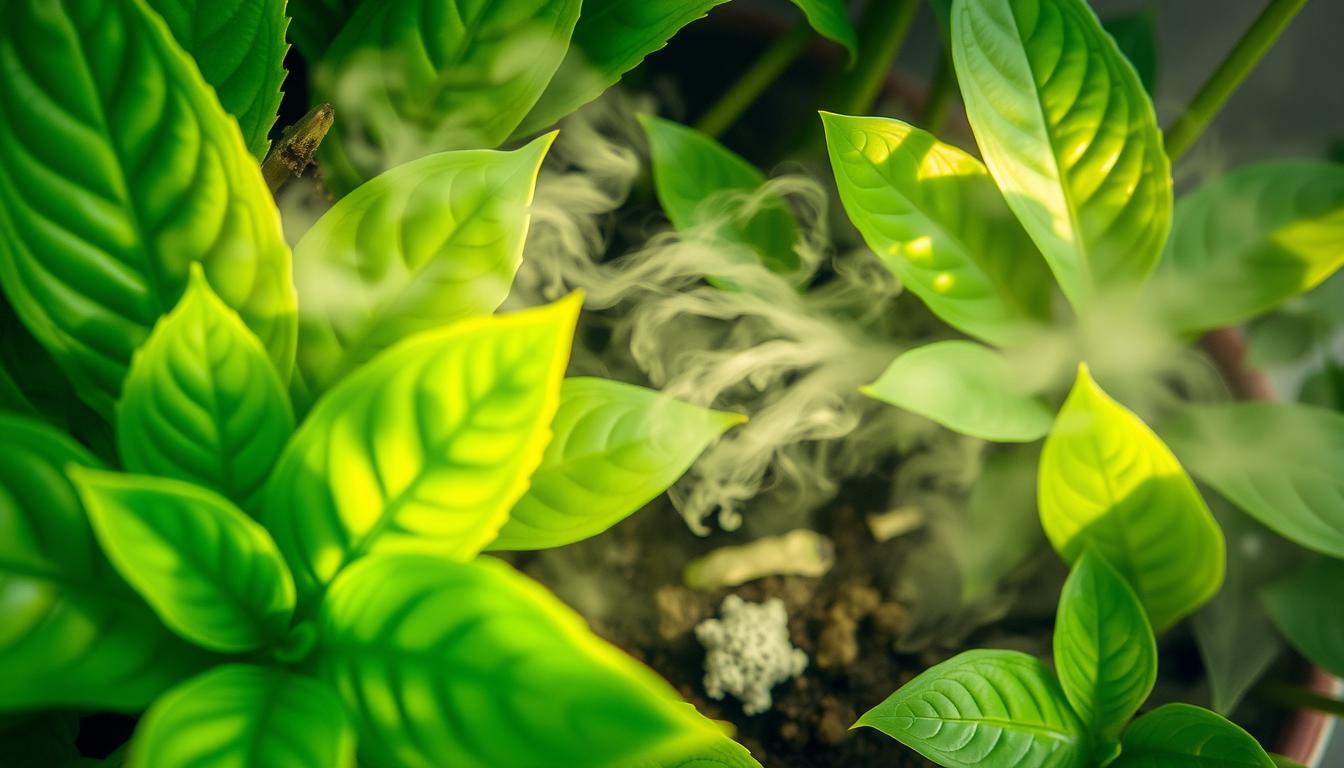
Mold spores grow well in certain conditions. Studies show that humidity over 70% is perfect for mold. Some molds can start new colonies when damp in 1-2 days.
Understanding Humidity Levels
Keeping the proper humidity for houseplants is tricky. Here are some tips to prevent mold:
- The optimal humidity range for houseplants is 30-50%.
- Mold thrives in temperatures between 77 and 86 degrees Fahrenheit.
- High moisture levels accelerate moldy plant soil issues.
Managing Indoor Humidity
Here are ways to control indoor humidity and stop mold:
- Use a humidifier to add moisture to the air.
- Use a hygrometer to monitor humidity levels.
- Implement proper ventilation.
- Consider using a dehumidifier in problem areas.
- Space plants 2-4 inches apart to improve air circulation.

Learning these tips can help you keep your plants healthy and prevent mold.
How to Treat Affected Plants
Dealing with mold in your plants requires a careful plan to prevent further damage and help them improve. Quick and cautious steps can save your plants.
Isolating Infected Plants
Isolating infected plants right away is key to stopping mold spread. Move them away from healthy plants to a separate area with good air flow and low humidity.
- Move infected plants to a well-ventilated space.
- Use separate tools when handling moldy plants.
- Wash hands and disinfect surfaces after contact.
Nutrient Management After Mold Removal
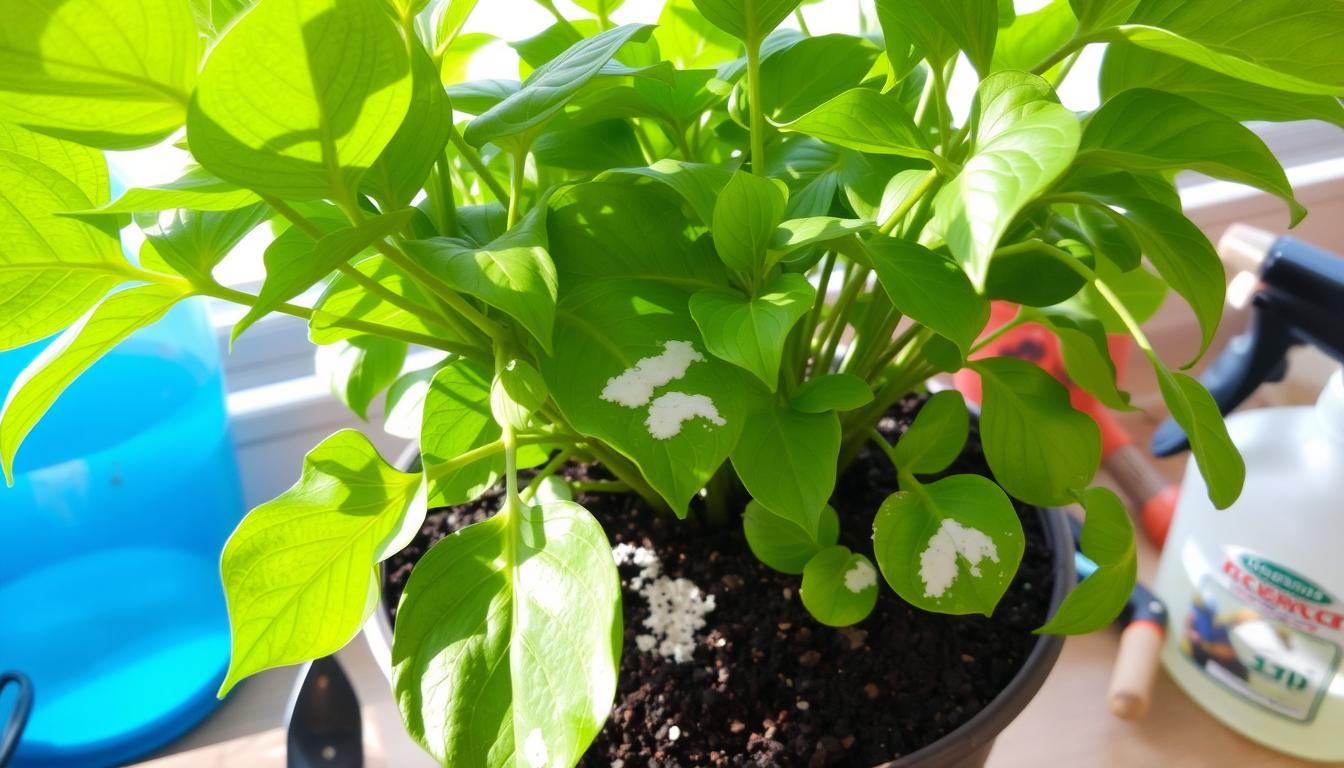
Creating a mold-free potting mix is crucial for plant recovery. Start by removing visible mold and damaged parts. Use sterilized tools to prune affected areas.
After removing mold, add a balanced, mild fertilizer to help plants heal. Here are some recovery tips:
- Use a lightweight, well-draining potting mix.
- Apply a thin layer of cinnamon as a natural fungicide.
- Reduce watering frequency to prevent moisture buildup.
Keep a close eye on your plant after mold removal. With the proper care, most plants can recover and grow healthily again.
Long-Term Strategies for Mold Control
Keeping your plants safe from mold is a long-term effort. It takes ongoing care and planning to keep your plants healthy.
To safely remove mold from plants, you must understand what causes it. Here are some long-term ways to keep your plants happy and healthy.
Regular Monitoring Techniques
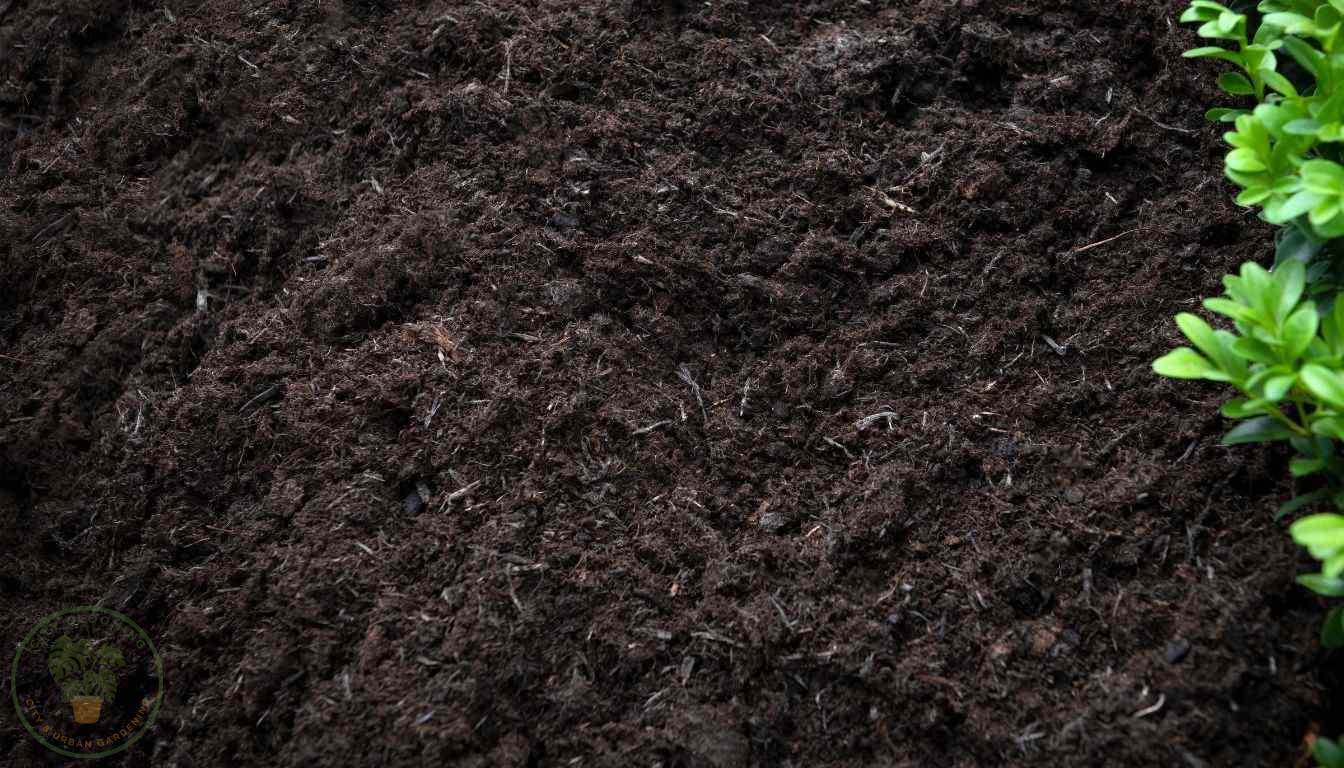
Regular care is key to stopping mold. I suggest checking your plants every week. Look for:
- Soil moisture levels
- Early signs of mold on leaves
- Humidity around plants
- Air circulation
Seasonal Plant Care Adjustments
Each season brings its own challenges for plants. Here’s how to manage mold risks all year:
| Season | Mold Prevention Strategy |
|---|---|
| Summer | Increase ventilation, reduce watering frequency |
| Winter | Monitor indoor humidity, use dehumidifiers |
| Spring/Fall | Adjust plant spacing, prune for better air circulation |
“Prevention is always easier than treatment when it comes to plant health.” – Mark B, Gardening Expert
Pro tip: Keep indoor humidity between 30-50% to stop mold. Use a humidifier to control moisture and a hygrometer to check humidity levels.

By following these strategies, you’ll protect your plants from mold and help create a healthy environment for them to thrive.
Knowing When to Seek Professional Help
Plant care can be tough, and mold is a big challenge. Many gardeners handle fungi removal well, but some need expert help. Knowing when to ask for help can save your plants and keep your home safe.
Critical Signs You Need Professional Assistance
Not all mold is the same. Here are signs you should get professional help for your houseplants:
- Extensive mold covering more than 30% of the soil.
- Mold keeps coming back after you try to get rid of it.
- Your plants are getting worse, or their roots are rotting.
- You have rare or expensive plants that need special care.
- Mold might be harmful to your health.
Selecting the Right Plant Care Expert
Finding the right expert is important. Look for someone who knows a lot about fungi and houseplants.
| Credential | Importance |
|---|---|
| Botanical Certification | Shows they really know plants |
| Fungal Remediation Training | They know how to deal with mold |
| Professional References | They’ve helped others before |
About 50% of people get help because mold is nasty. Depending on the problem, getting rid of it professionally can be costly.
Professional help can save your plants and keep you and your family safe from mold.
Gardening Practices to Foster Healthy Soil
To have a thriving garden, you need to manage your soil well. Knowing how to stop mold in plant soil starts with using smart gardening methods, which naturally keep fungi away.
Composting for Soil Health
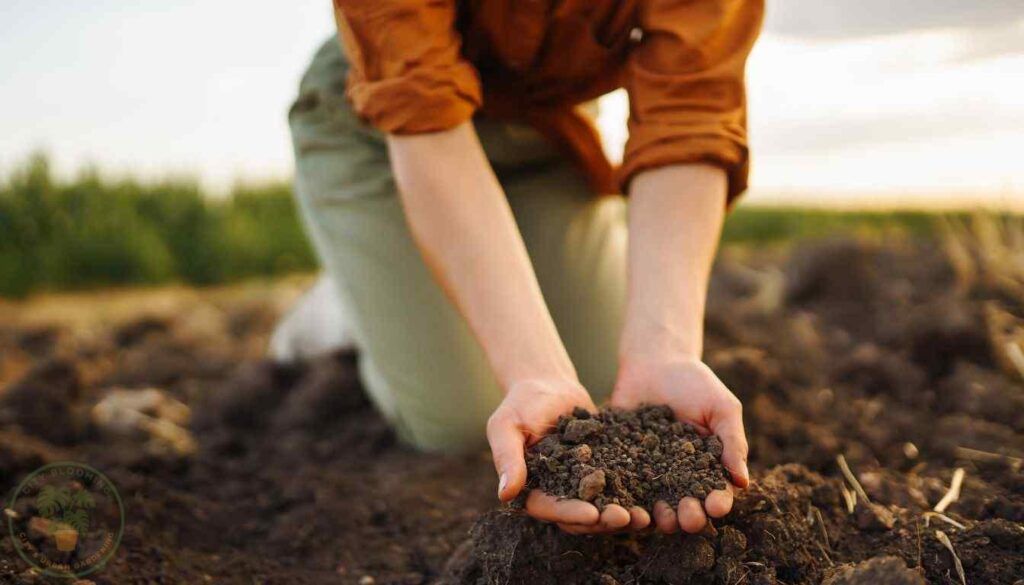
Composting is a great way to keep mold away from plant soil. I’ve found that making rich, balanced compost helps. It creates a space where good microbes beat out harmful fungi. Here are some composting tips:
- Use organic materials with different textures.
- Keep compost moist but not too wet.
- Turn the compost often to let air in.
- Don’t let compost piles get too damp or squishy.

Mulching Techniques for Mold Prevention
Mulching is key to keeping potting soil mold-free. I suggest using light, breathable mulches like:
- Coconut coir
- Perlite
- Coarse sand
- Pine bark chips

Companion Planting Strategies
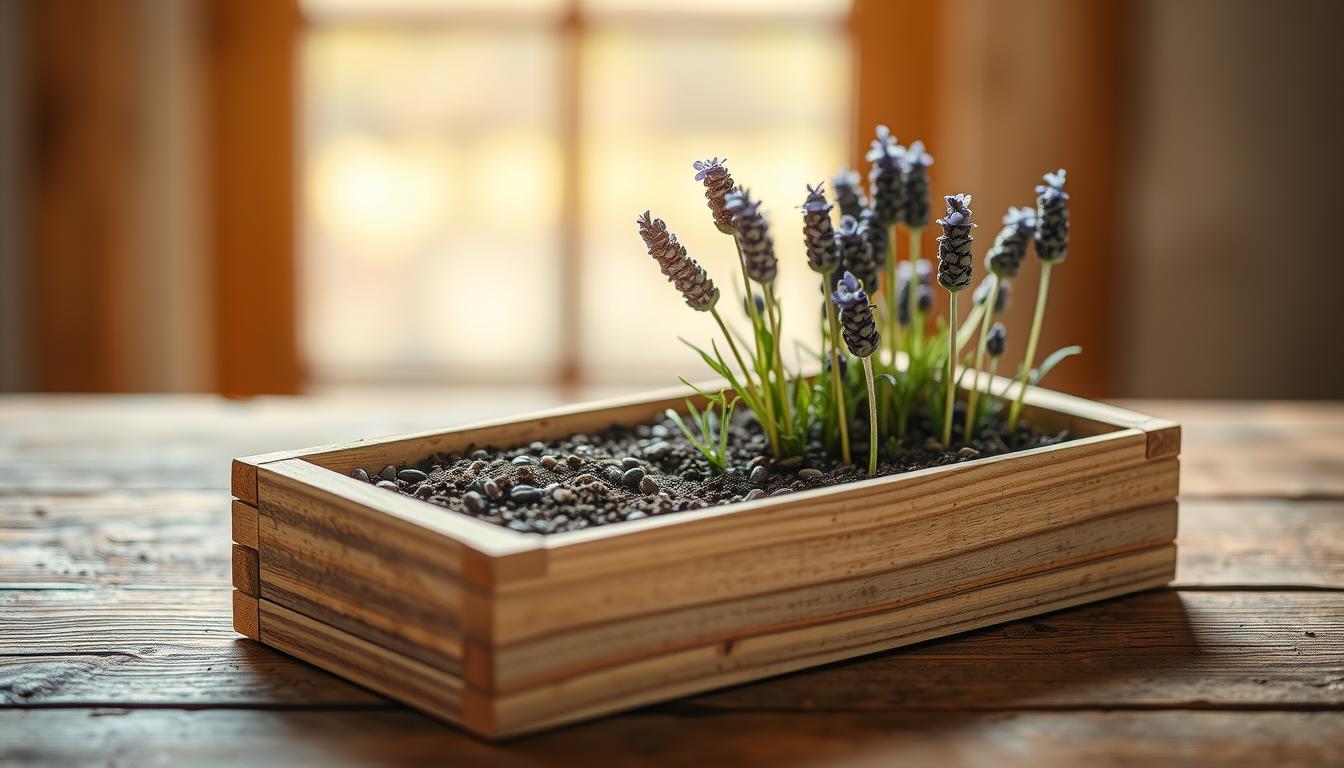
Pairing plants wisely can lower mold risks. Some plants make it harder for fungi to grow. Try planting herbs like thyme, rosemary, or lavender near plants that don’t like wetness. This helps your soil stay healthy.
Using these gardening tips will strengthen your soil against mold and help your plants grow well.
Frequently Asked Questions (FAQs):How to Get Rid of Mold In Plant Soil
What causes mold to grow in plant soil?
Is white mold in my plant soil dangerous?
How can I prevent mold from growing in my plant soil?
Can I save a plant with mold in its soil?
How often should I check my plants for mold?
What’s the best way to remove mold from plant soil?
Can household humidity affect mold growth in plant soil?
When should I consider repotting a plant with mold?
Continuing Education in Plant Care
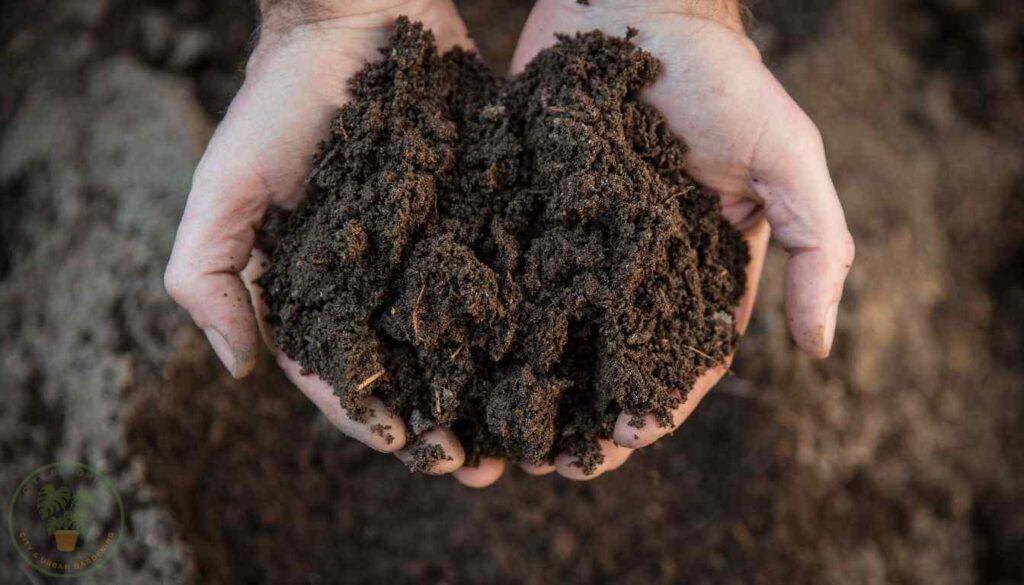
Learning about plant care is a journey that never ends. It’s crucial to keep learning to be a better plant parent. The gardening world is always changing, with new ideas and methods constantly popping up.
There are many ways to learn more. Local botanical gardens often have workshops on dealing with moldy soil. Online sites like Udemy and Coursera offer in-depth courses on plant health. YouTube channels and gardening blogs are great for simple, practical tips on plant care.
Resources for Further Learning
Gardening communities are a treasure trove of knowledge. Sites like Reddit’s houseplant forums and Facebook groups connect you with experts. These groups are perfect for getting help with mold or learning how to prevent it.
Joining Gardening Communities for Support
Every plant parent was once a beginner. It’s okay to ask for help and share your own experiences. Join online forums, local clubs, or workshops to grow your plant-care skills and feel more confident with your plants.
Further Recommendations:
- Best Indoor Greenhouse
- Bucket Gardening
- Why are my plants drooping?
- How to care for an air plant
- Hydroponic Gardening
- How to Keep Pigeons Off the Balcony?
- Best Patio Furniture Covers
- Patio Pet Games
- Best Kitchen Composters
- Eco-Friendly Homes – Sustainable Living
- Best Soil For Snake Plants
- How to Build a Patio Cover
- Houseplant Happiness! A Guide on How to Clean Plant Leaves Effectively
- 10 Best Indoor Gardening Books
- How to Stop Ants Nesting in Plant Pots
- What Plants Don’t Like Epsom Salt?
- How to Plant Carrot Seeds
Video: How to Kill Mold in a Plant Pot
Reference Links
- Nonchemical Disease Control – Colorado State University Extension

Leave a Reply