

Are you tired of fighting for space in your garden? Imagine growing your favorite plants, veggies, and flowers without taking up much room. Welcome to vertical gardening, where the sky’s the limit!
I’ve been a passionate gardener for over twenty years, and my passion is my work. Vertical gardening has changed how I use my space when gardening with limited space. With innovative supports and towers, I grow various plants, saving space.
Key Takeaways
- Vertical gardening is a space-saving and highly productive growing system
- It allows you to grow various plants using bottom-up and top-down supports, including vegetables, fruits, and flowers.
- Vertical gardening is ideal for small and large indoor and outdoor spaces.
- The most common types of vertical gardening are Vertical garden walls, Trellis systems, Hanging gardens, Living walls and Tower gardens.
- Vertical gardening can help you create a thriving, eco-friendly oasis in even the most limited spaces by incorporating vertical structures.
What is Vertical Gardening and What are the Benefits?
Vertical gardening is a new way to grow plants that use vertical space. Instead of spreading plants out, gardeners use trellises and walls to grow them up. This method is excellent for small spaces, city gardens, and indoor gardens because it saves space.
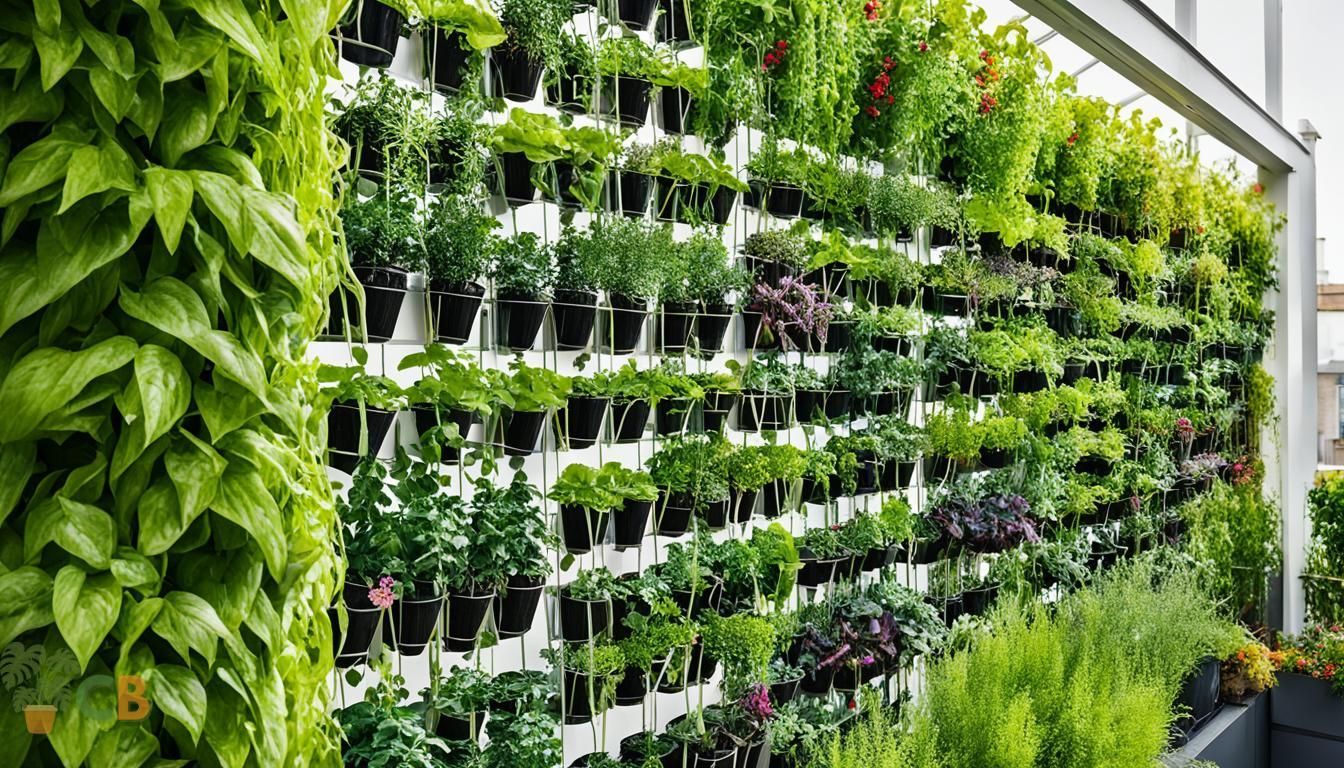
An Innovative Growing System
Vertical gardening is a fresh take on gardening. It uses vertical space to grow vegetables, herbs, and ornamental plants in a small area. This method works well in many places, from tiny balconies to large outdoor areas. It’s a smart and effective way to make a garden.
Space-Saving and Productive
Vertical gardening is all about making the most of space. Growing plants vertically allows you to fit more plants in a small planter, garden bed or garden area. This is especially useful for city folks or those with little outdoor space. Plus, it lets you grow various crops, like cucumbers and squash.
Vertical gardening is a game-changer for gardeners with limited space, and it can be transformed into a vibrant vegetable garden with vertical gardening techniques. It allows me to grow a bountiful harvest in a fraction of the area compared to traditional horizontal gardening.” – Tracey Langell, Horticulturist and Sustainable Gardening Specialist.
What are the Benefits of Vertical Gardening?
Vertical gardening has many advantages over traditional methods. An efficient irrigation system uses much less water, takes up less space, and saves time and effort. It also makes weeding, watering, and fertilizing easier.
Vertical gardens let you use DIY supports and trellises. You can make these from bamboo, willow, or old items, saving money. This looks good and helps plants like peas and beans grow well.
Smaller Beds to Prepare and Maintain
Vertical gardens need much less space than traditional ones. This means less time and effort is spent preparing and maintaining the garden, and gardeners can spend more time on the plants and less time on soil work.
Do-It-Yourself Supports and Trellises
DIY supports and trellises are key in vertical gardening. You can make them using cheap materials like bamboo or wire. These custom supports save money and make your garden look unique.
Vertical gardening lets gardeners use space wisely, reduce upkeep, and get creative with DIY projects. It’s a great way to grow a garden, even in small spaces or indoors.
What Types Of Vertical Gardening are Available?
People can explore several types of vertical gardening, each with its unique benefits and characteristics. Some common types of vertical gardening include:
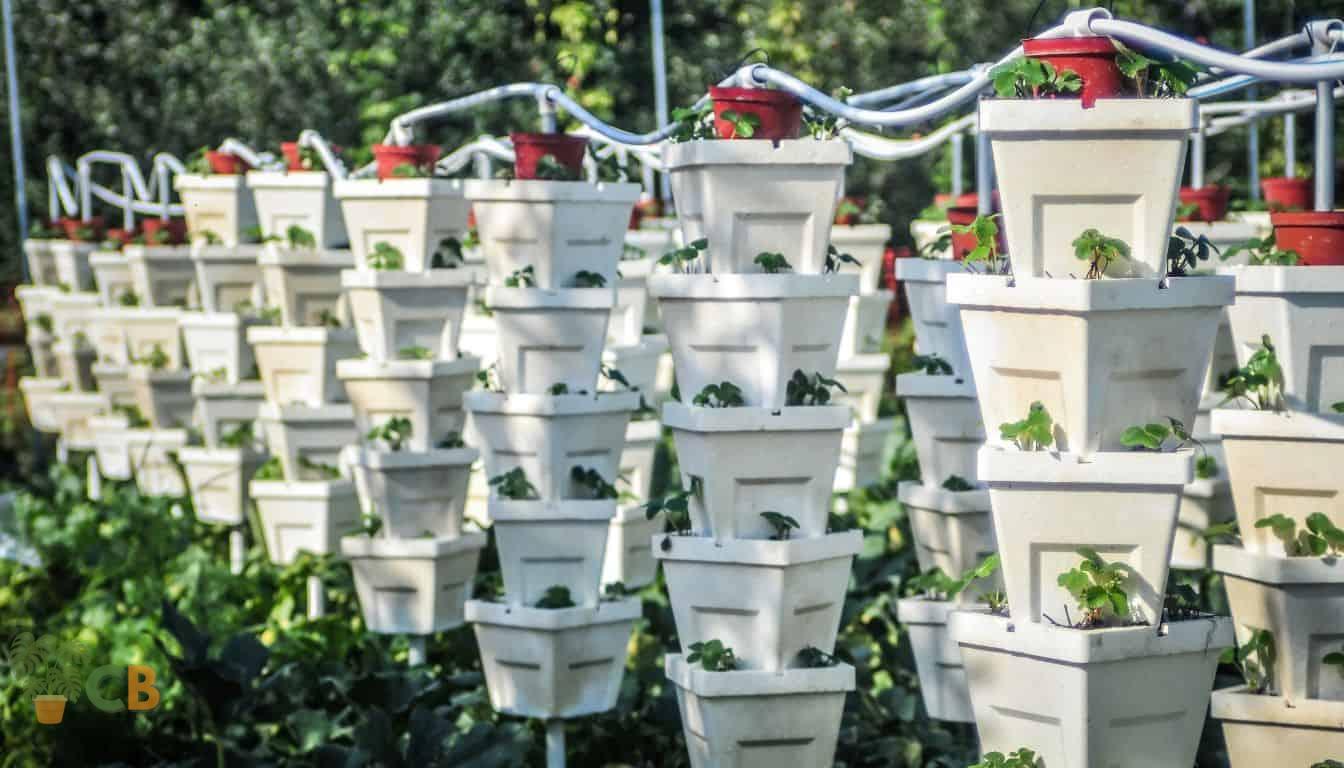
1. Vertical garden walls: These are freestanding structures or walls with pockets or containers to hold plants, allowing for a vertical display of greenery. They can be used indoors or outdoors and are popular in urban settings to maximize limited space.
2. Trellis systems: These are often used for growing climbing plants, such as vines, beans, or cucumbers, vertically by providing a structure like an arch for the plants to attach to and grow upward. Trellises can be standalone structures or attached to walls or fences.
3. Hanging gardens: This type of vertical gardening involves suspending containers or baskets of plants from overhead structures, such as pergolas, balconies, or arbors. It’s an effective way to add greenery to spaces with limited floor space.
4. Living walls: Living walls, also known as green walls or vertical gardens, are constructed from modular panels, often containing built-in irrigation systems. They grow various plants on a vertical surface and can be installed indoors or outdoors, offering aesthetic and environmental benefits.
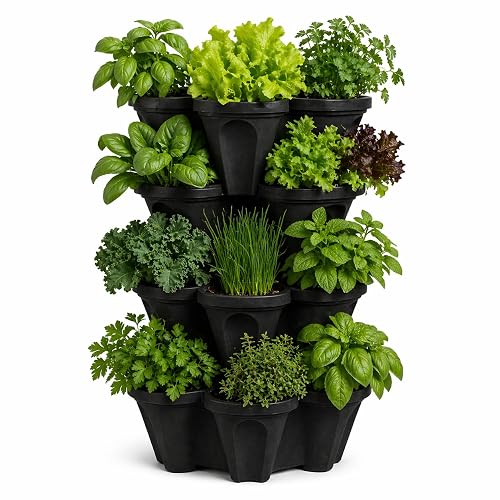
5. Tower gardens: Tower gardens consist of vertical structures with multiple planting pockets arranged around a central pillar. They are often used for growing herbs, salad greens, and small vegetables and are suitable for indoor and outdoor settings.
These are just a few examples of the types of vertical gardening available. Each offers an opportunity to enhance living spaces, increase greenery, and cultivate plants innovatively.




Laying the Groundwork For Vertical Planting
Start with a strong base to make a vertical garden thrive. Derek Fell, a top gardening expert, recommends using a no-dig method.
This means layering materials like newspapers, grass clippings, leaves, and kitchen waste to create a bed full of nutrients. This method stops weeds and cuts down on soil prep work.
Fell also recommends using raised beds that are 6 to 12 inches deep. This depth is perfect for the deep roots of many vining and climbing plants.
These beds give plants enough space to grow, help with drainage and airflow, and make an excellent setting for vertical gardening.
| Statistic | Insight |
|---|---|
| Living walls can increase memory by up to 12-15%. | Vertical gardens can have a positive impact on cognitive function. |
| Large-scale living walls can reduce noise pollution by 50%. | Vertical gardens can help mitigate urban noise levels. |
| Popular plants for vertical gardens include rocket, coriander, spinach, basil, and parsley. | Various edible and aromatic plants can thrive in a vertical garden. |
Setting up this groundwork helps gardeners support the needs of climbing plants, melons, and other living wall plants. It ensures their vertical garden does well and uses garden space efficiently.
Vertical Gardening Ideas
Vertical gardening lets you use space in new ways, perfect for small patios, balconies, or indoor spots. Growing plants up can make a big impact with a small footprint. Let’s explore some exciting ways to use vertical gardening to change your space.
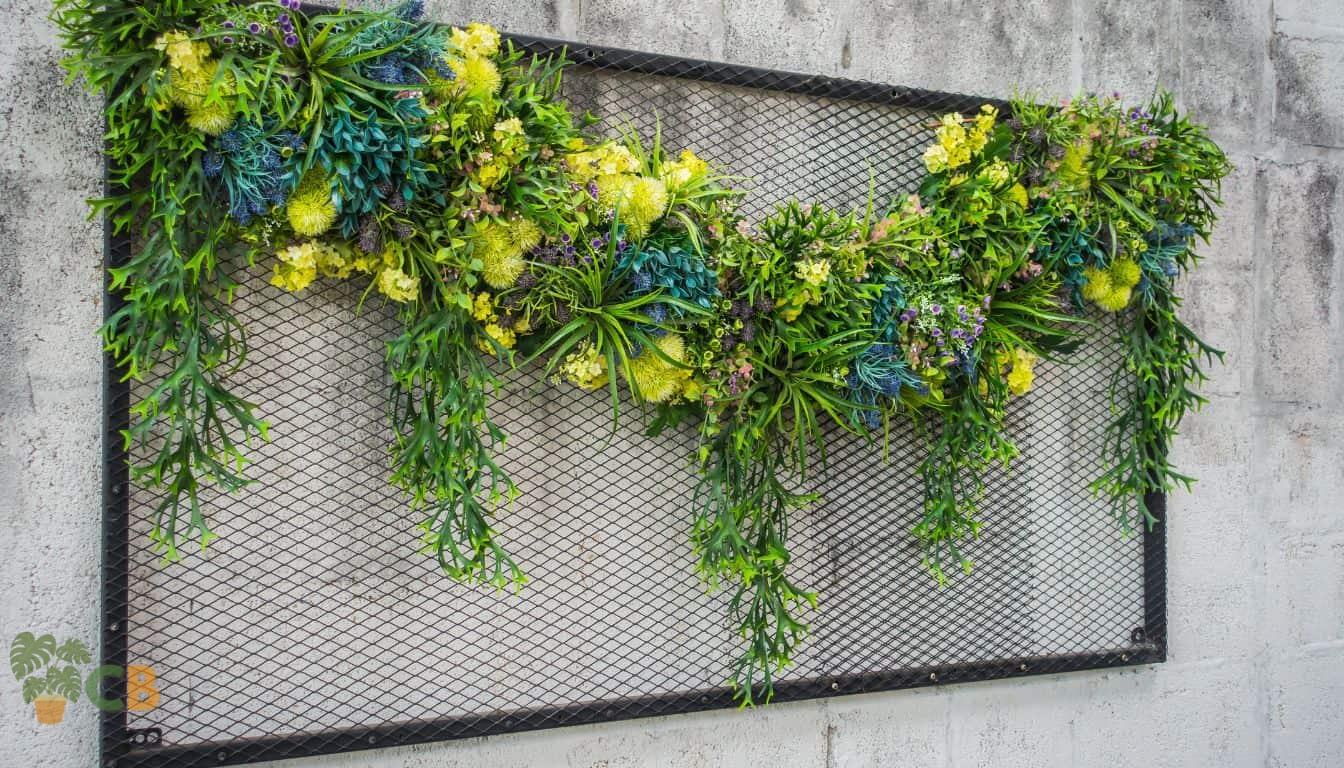
Wire Mesh Garden
A wire mesh garden is a great way to go vertical. It’s a frame or wall setup where plants can climb and spread out, utilizing vertical growing techniques.
For color and texture, you can grow pole beans, cucumbers, or vines. The mesh lets air flow and makes watering and picking your plants easy.
Vertical Fence Garden
If you already have a fence, turn it into a garden. Add trellises or netting to the fence for plants to grow upwards. This is great for veggies like tomatoes, peas, and squash or vines that make your fence look beautiful.
Rain Gutter Vertical Garden
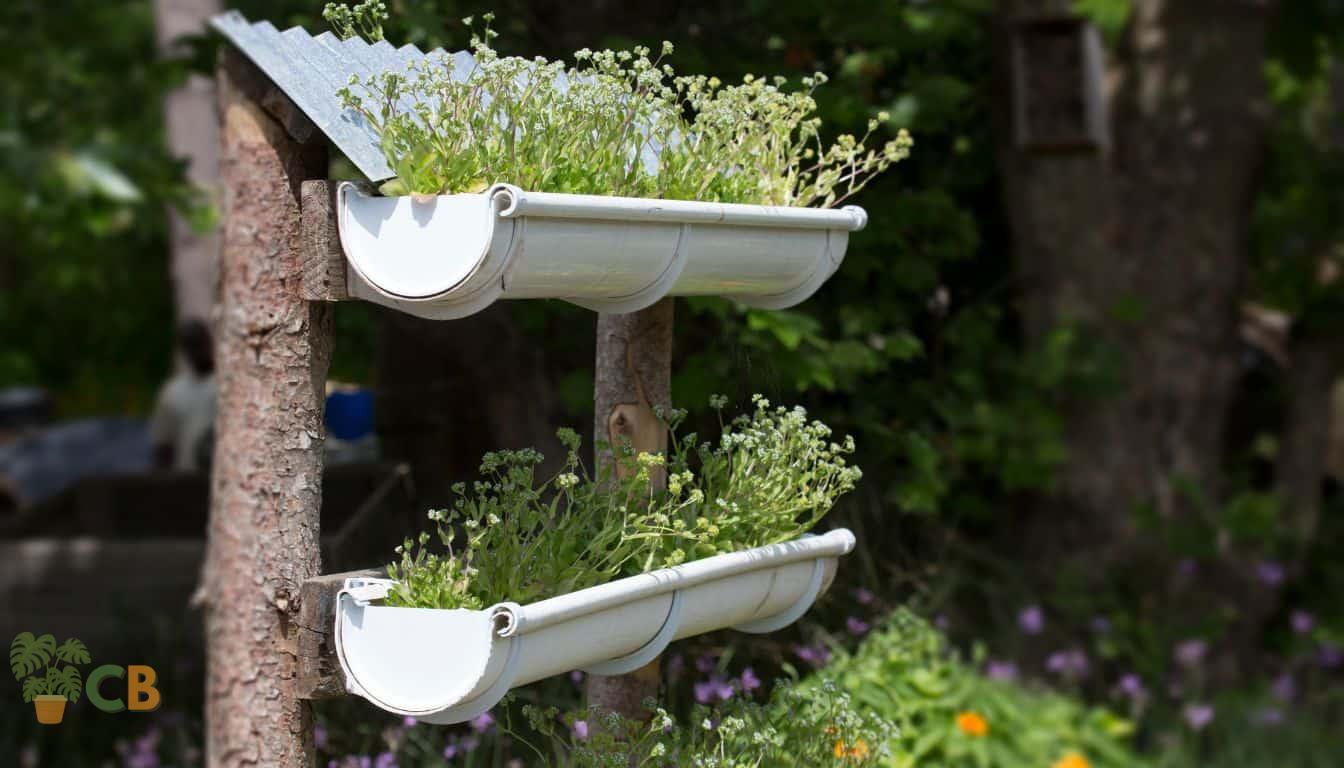
A rain gutter garden is a smart choice for those with limited space. Attach gutters to a wall or fence to create space for herbs, lettuce, and other small plants. This will allow you to use space effectively and keep your plants off the ground.
These ideas show how growing up can be as good as growing out. Using vertical space, you can grow many plants in a small area. Choose from wire mesh, fence, or gutter gardens to make a beautiful, space-saving garden.
Building Your Own Vertical Garden System
Vertical gardening is a great way to save space and grow plants. A DIY kit is a good choice if you want to make your own vertical garden. These kits make it easy for anyone to start a vertical garden.
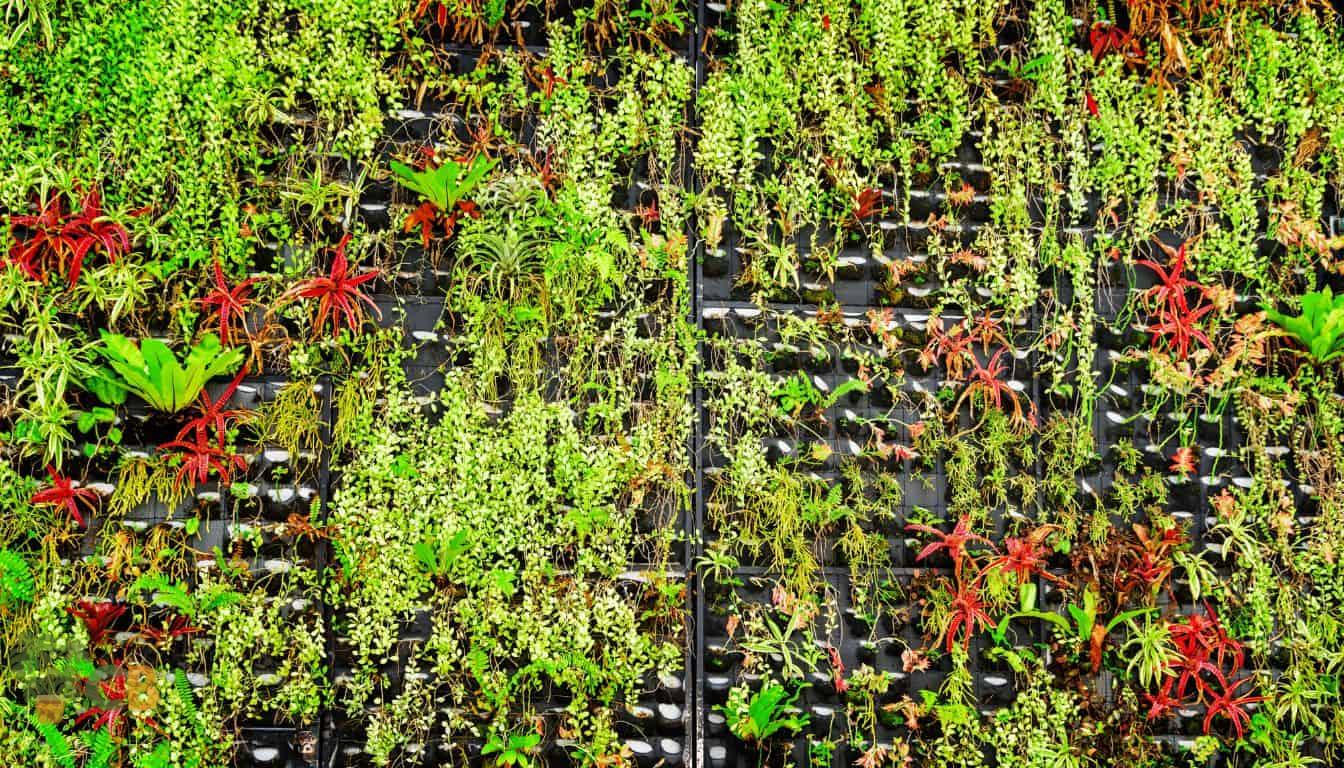
DIY Vertical Gardening Kit
Vertical Garden DIY kits come with a frame and special pockets for plants. Combine them to turn a wall or fence into a garden. It’s a quick way to add greenery to any space.
These kits are perfect for those with limited space. They let you grow up, not out, so you can make the most of your space, even in small areas. They’re great for pruning a small patio or creating a beautiful hanging basket garden.
DIY kits also let you customize your garden. You can pick the size and shape of the pockets to fit your space and style. This way, your garden will look great and work well with your space.
DIY vertical garden kits are easy to use. Even beginners can get great results. They come with everything you need and are easy to put together. You can turn a bare wall or fence into a beautiful, space-saving garden.
If you want to take your gardening to the next level, try a DIY vertical garden kit. With some effort and creativity, you can enjoy nature’s beauty right at your doorstep, even with a small outdoor area.
Best Plants for Vertical Gardening
Vertical gardening opens up a world of possibilities. Many plants can grow well in this system. Vining vegetables like tomatoes and peas, flowering vines, and trailing plants are great choices.
Choosing the right plants when growing vegetables means considering how they grow and what support they need. Some, like melons, need strong structures to grow and develop correctly.
- Vegetables with shallow roots, such as radishes and lettuce, do well in 6 to 9-inch deep containers.
- Plants with moderate roots, like peppers and kale, prefer 12 to 18 inches deep pots.
- Deep-rooted plants like zucchini and tomatoes need pots at least 18 to 24 inches deep.
Ornamental plants also do great in vertical gardens. Succulents and ferns are just a few examples of the many options you can choose from.
“With the right plants and vertical system, gardeners can create lush, productive, and space-saving vertical gardens.” – Tracey Langell, Horticulturist and Sustainable Gardening Specialist.
Picking the right plants for your vertical garden will help you use space efficiently, resulting in a beautiful and productive garden.
Vertical Gardening, Enable Your Plants and Vegetables to Grow Well
Vertical gardening is a great way to use limited space for plants. It’s perfect for small patios, balconies, or tiny backyards. By growing plants upwards, you can make a beautiful vertical garden. You can grow plants, from vegetables and herbs to flowers and vines.
This method is flexible and can be used in many settings. Gardeners can use creative materials like rain gutters and pallets.
They can also buy Vertical gardening kits and supports, like cattle panels, to enhance their gardening experience. These options help gardeners make the most of small spaces and have limited horizontal space.
Vertical gardening has many benefits. It can boost productivity and increase yields by better-using sunlight and air. It can also help cool buildings, saving on energy costs. For those who find gardening hard, it is easier to grow plants without bending.
There are many ways to garden vertically. You can use trellises, stakes, hanging planters, raised garden beds and even living walls. Just ensure the plants grow with the proper support and conditions to thrive and grow well.
Vertical gardening is more than just useful for small spaces. It also makes your outdoor or indoor areas look beautiful. By growing plants upwards, you can turn small spaces into lush gardens. This opens up creative and productive gardening opportunities.
The Types of Watering Systems for Vertical Gardening
Several vertical gardening watering systems can be used for vertical gardening, each offering unique benefits.
Some common types include:
1. Drip Irrigation: This system involves delivering water directly to the base of plants through a network of tubing and emitters, ensuring efficient water usage and minimizing waste.
2. Micro-sprinkler Systems: These systems distribute water in a fine mist, providing gentle and even coverage to plants on vertical surfaces.
3. Wicking Systems: Wicking systems use a reservoir of water at the base of the vertical garden, with a wick or fabric drawing the water up to the plants, reducing the need for frequent manual watering.
4. Self-watering Planters: These include a built-in reservoir that stores water, ensuring a consistent plant supply and minimizing the watering frequency.
5. Manual Watering: Traditional hand-watering methods can also be employed for vertical gardens. However, these may require more frequent watering, attention and careful management to ensure even water distribution.
Each of these watering systems offers its advantages, and the choice of system will depend on factors such as the type of plants being grown, the specific needs of the vertical garden, and the gardener’s preferences for automation and water conservation.
Care and Maintenance of Your Vertical Garden
Looking after a vertical garden takes more effort, but the benefits are worth it. Vertical gardens can also need more water because the soil dries out quickly. It’s important to check the soil often and water deeply but only a few times to keep your plants healthy.
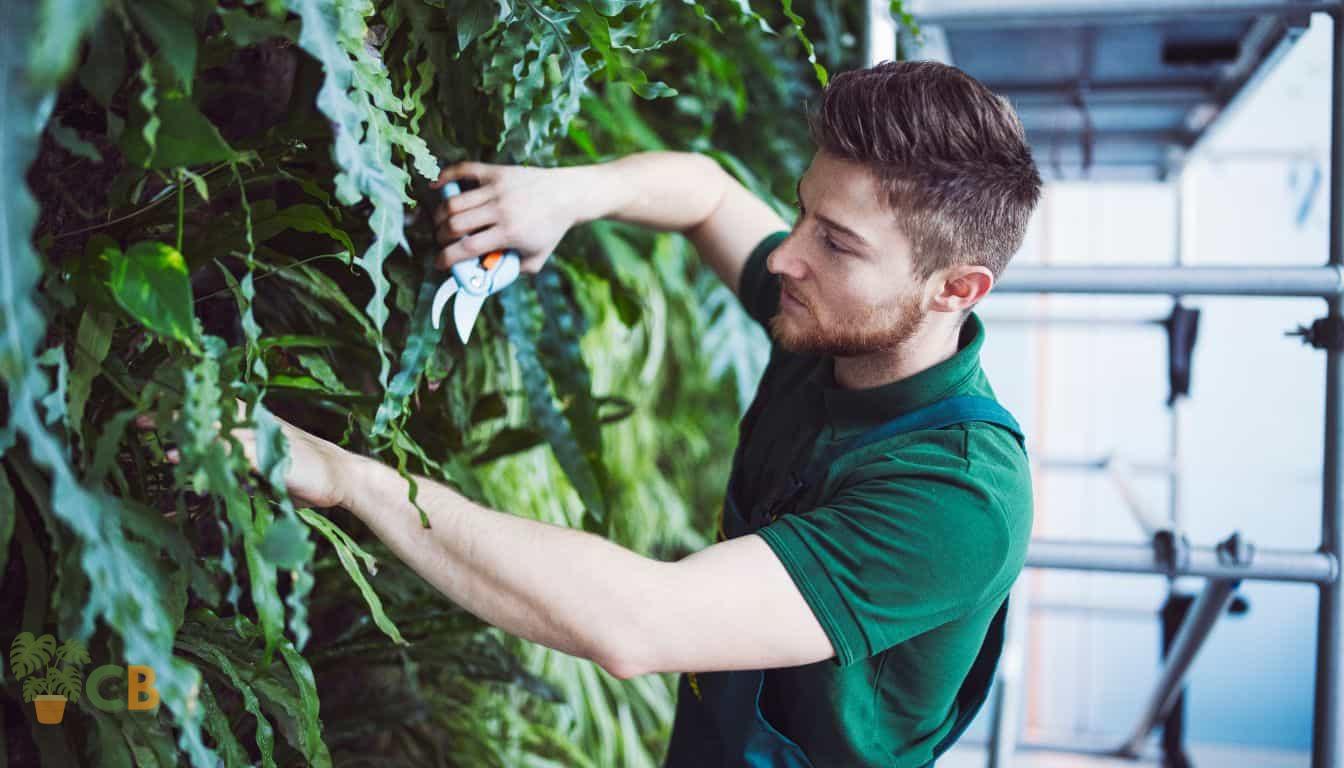
Implement efficient gardening techniques for successful vertical growing. Prune and train climbing vegetables and other vining plants to grow upwards.
Cut off dead or damaged leaves and trim new growth to keep plants bushy and full. This will encourage your plants to focus more on producing fruit and flowers and use your space well.
Keeping an eye out for pests and diseases is vital for vertical gardening. A vertical garden’s close, moist environment can quickly attract pests and diseases.
Use safe, earth-friendly ways to control them, like introducing helpful insects or organic sprays, to protect your plants and the planet while maximizing the benefits of your vertical structure.
With some care and attention, your build-your-own vertical garden can be a fantastic, easy-care addition to any space with vertical gardening.
Follow these easy tips to ensure your garden stays healthy and productive for a long time.
| Plant Maintenance Task | Frequency | Description |
|---|---|---|
| Watering | Daily or as needed | Check soil moisture and provide deep, infrequent watering to prevent drying out. |
| Pruning | Monthly | Remove dead or damaged foliage and pinch back new growth to maintain plant shape. |
| Pest and Disease Monitoring | Weekly | Inspect plants for signs of pests or disease and treat them with organic methods as needed. |
| Fertilizing | Every 4-6 weeks | Apply a balanced, organic fertilizer to provide essential nutrients for optimal growth. |
| Harvesting | As needed | Regularly harvest mature produce to encourage continued production. |
Frequently Asked Questions About Vertical Gardening
1. What is vertical gardening?
Vertical gardening allows plants to grow upwards instead of spreading them out. It uses supports and structures to save space. This method is perfect for small, urban, and indoor spaces.
2. What types of indoor vertical gardening are available?
Indoor vertical gardening options include living walls, freestanding garden walls, hanging gardens, tower gardens, and trellis systems, providing versatile and space-saving ways to incorporate greenery into indoor spaces.
3. What are the benefits of vertical gardening?
Vertical gardening has many advantages. It allows you to grow more plants in less space and requires less time and effort to prepare and maintain.
Plus, you can use DIY supports and trellises made from affordable materials.
4. How do I create a thriving vertical garden?
Start with a strong foundation for your vertical garden. Use a no-dig gardening method and raised garden beds 6 to 12 inches deep. This creates a nutrient-rich bed perfect for vining and climbing plants.
5. What types of plants are best for vertical gardening?
Many plants do well in vertical gardens. You can grow vining and climbing vegetables like tomatoes, cucumbers, pole beans, and peas. Also, many flowering vines and trailing plants thrive. When picking plants, think about their growth habits and how much support they need.
6. How do I care for a vertical garden?
Taking care of a vertical garden needs some extra steps. You’ll need to water more often because the soil can dry out quickly. Prune and train plants to grow upwards to keep your garden neat and productive. Also, watch out for pests and diseases to keep your garden healthy.
7. What are the advantages of vertical gardening?
Vertical gardening offers space efficiency, aesthetic appeal, and potential environmental benefits. It maximizes limited space, enhances aesthetics, and can improve air quality, insulation, noise reduction, and biodiversity.

Final Thoughts on Vertical Gardening
Vertical gardening has many benefits over traditional methods. It’s great for gardeners at all levels and in different places. By growing plants up, you save space, cut down on upkeep, and might even get more produce.
There are DIY and commercial systems for vertical gardening. These let gardeners make spaces that are both useful and beautiful. You can grow more in less space and enjoy the look of your garden.


Vertical gardening works well in small patios or big backyards. You can grow more plants in a small area by utilizing vertical structures effectively. Vertical planters can make your garden look lush and full, even in tight spaces.
The world of vertical gardening is getting bigger and better. We can expect more technology, easier access, and more health benefits.
By using vertical gardening, you open up new possibilities. You can make an efficient, beautiful garden that brings you joy and fresh food. Happy gardening.
Further Recommendations:
- Best Indoor Greenhouse
- Why are my plants drooping?
- How to care for an air plant
- Hydroponic Gardening
- How to Keep Pigeons Off the Balcony?
- Best Patio Furniture Covers
- Patio Pet Games
- Best Kitchen Composters
- Eco-Friendly Homes – Sustainable Living
- Best Soil For Snake Plants
- How to Build a Patio Cover
- Houseplant Happiness! A Guide on How to Clean Plant Leaves Effectively
- 10 Best Indoor Gardening Books
- How to Stop Ants Nesting in Plant Pots
- What Plants Don’t Like Epsom Salt? Garden Tips for Using Indoors and Outdoors
- Best Stone Tile for Patios
- How to Plant Carrot Seeds
Video: Vertical Gardening Tips & Ideas
Reference Links
- Grow more in less space with vertical gardening – Oklahoma State University.
- Growing Up! How to Grow Vertically in Your Garden – Almanac.com
- Therapeutic Benefits of Vertical Gardening – Green.Org
- Social and Community Benefits and Limitations of Urban Agriculture – UFL
- Seeds in the city, the pros and cons of urban farming – Global Citizen
- Vegetable Garden Design Basics – Forks In the Dirt
- Urban Gardening 101 – NatureCode


Leave a Reply