
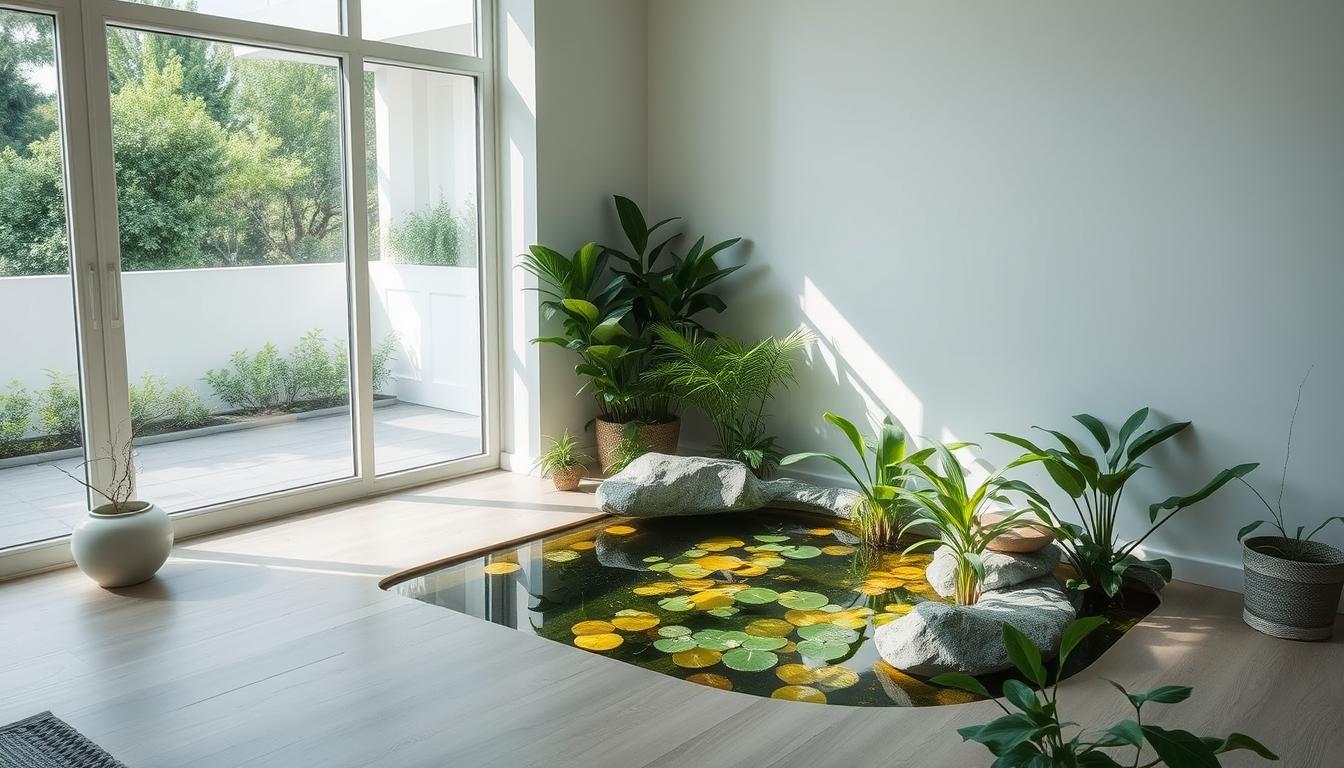
Ever dreamed of a tiny aquatic oasis in your home? A small indoor pond can bring calm and beauty to your space. This guide will help you create a thriving mini-ecosystem in your living area.
We’ll cover everything from choosing containers to selecting plants and fish. You’ll learn how to design a self-sustaining, low-maintenance water feature. Your personal aquatic sanctuary will add charm and tranquility to your indoor environment.
Key Takeaways
- Mini fish ponds can be created using vessels that hold water above the ground without digging.
- Depending on the chosen materials and equipment, ponds can range in size from under $50 to over $500.
- Planter pot mini ponds are cost-effective and can range from 8 gallons upwards to accommodate fish comfortably.
- Feed or planter tub mini fish ponds, ranging from 15 to 25 gallons, are popular choices due to their size and affordability.
- Proper pump selection and water management are crucial for maintaining a balanced mini-ecosystem.
What Is a Mini Indoor Pond?
A mini indoor pond is a small, self-contained water ecosystem. It fits easily in homes or offices. These tiny ponds mimic larger outdoor ones, creating a thriving, low-maintenance water feature indoors.
Mini ponds offer a calming presence and let you observe aquatic life. They also provide a natural, easy-to-maintain water landscape. Understanding this concept helps you enjoy these benefits in your space.


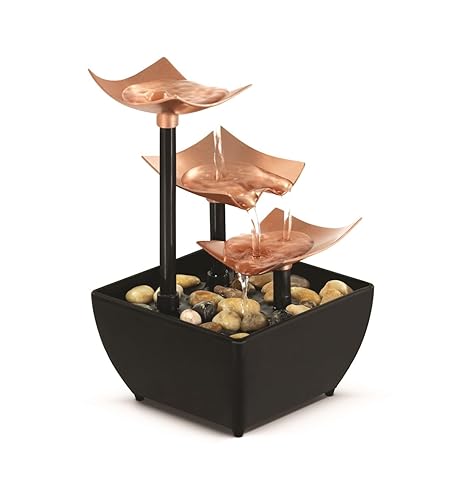


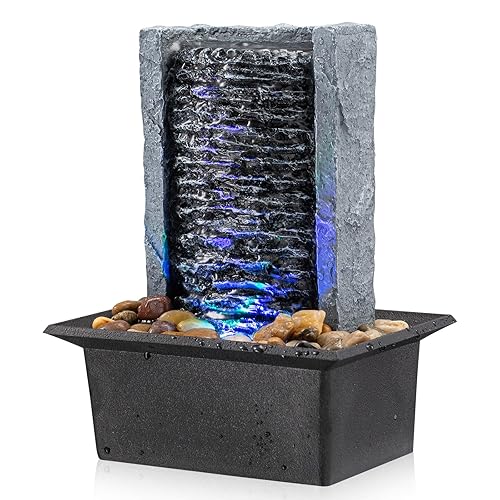

Understanding the Concept of a Miniature Aquatic Ecosystem
A mini indoor pond is a closed-loop system in which water, plants, and aquatic life work together to sustain themselves. Plants provide oxygen and filter water, while creatures help with nutrient cycling.
Careful plant selection and water balance create a thriving mini ecosystem. This setup requires minimal maintenance, making it ideal for indoor spaces.
Benefits of Having a Small Indoor Water Feature
- Calming presence: The sound of flowing water reduces stress. It creates a peaceful atmosphere in your living or work space.
- Observation of aquatic life: Watch small aquatic creatures interact. This provides a unique and engaging experience in your home.
- Low-maintenance water landscapes: Mini indoor ponds need less care than outdoor ones. They’re perfect for those with limited space or time.
Mini indoor ponds offer many options. You can create a tabletop pond or a closed-loop system. Understanding these ecosystems helps you enjoy their benefits in your space.
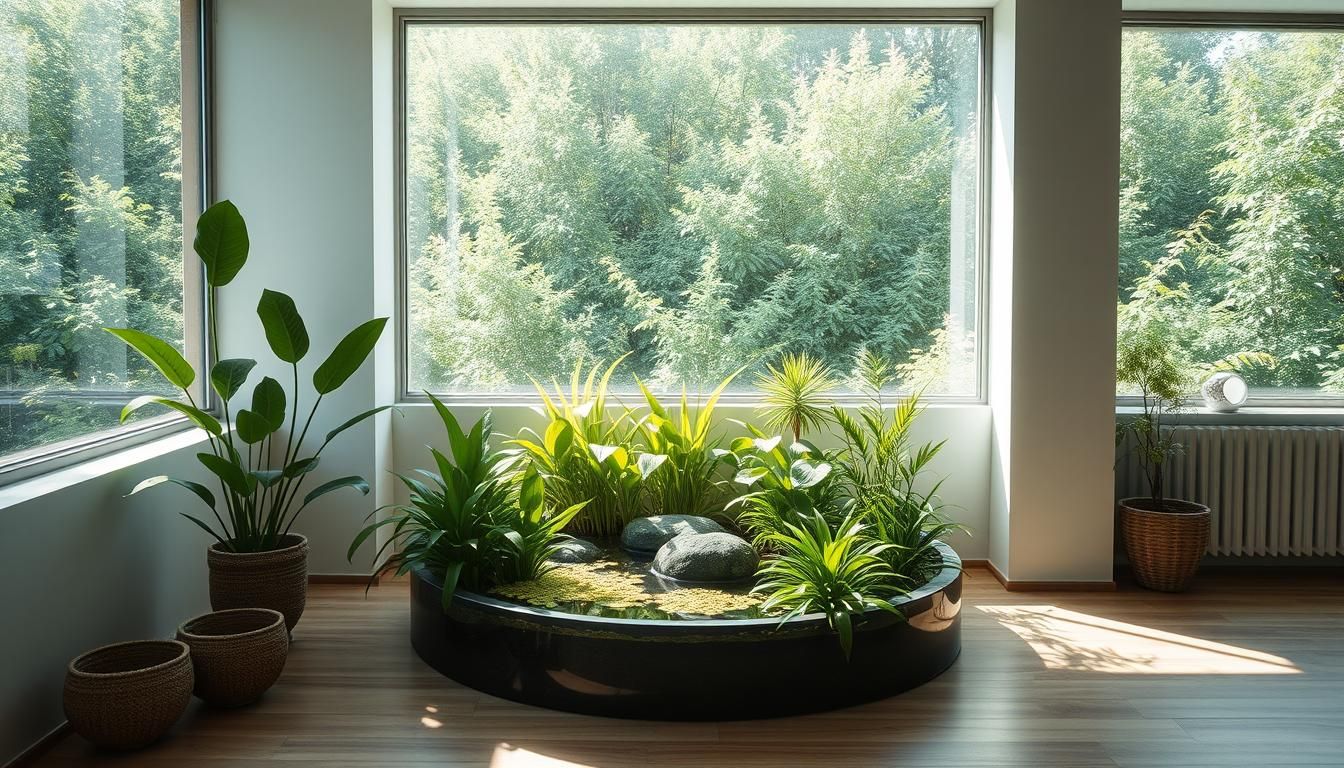
Choosing the Right Container
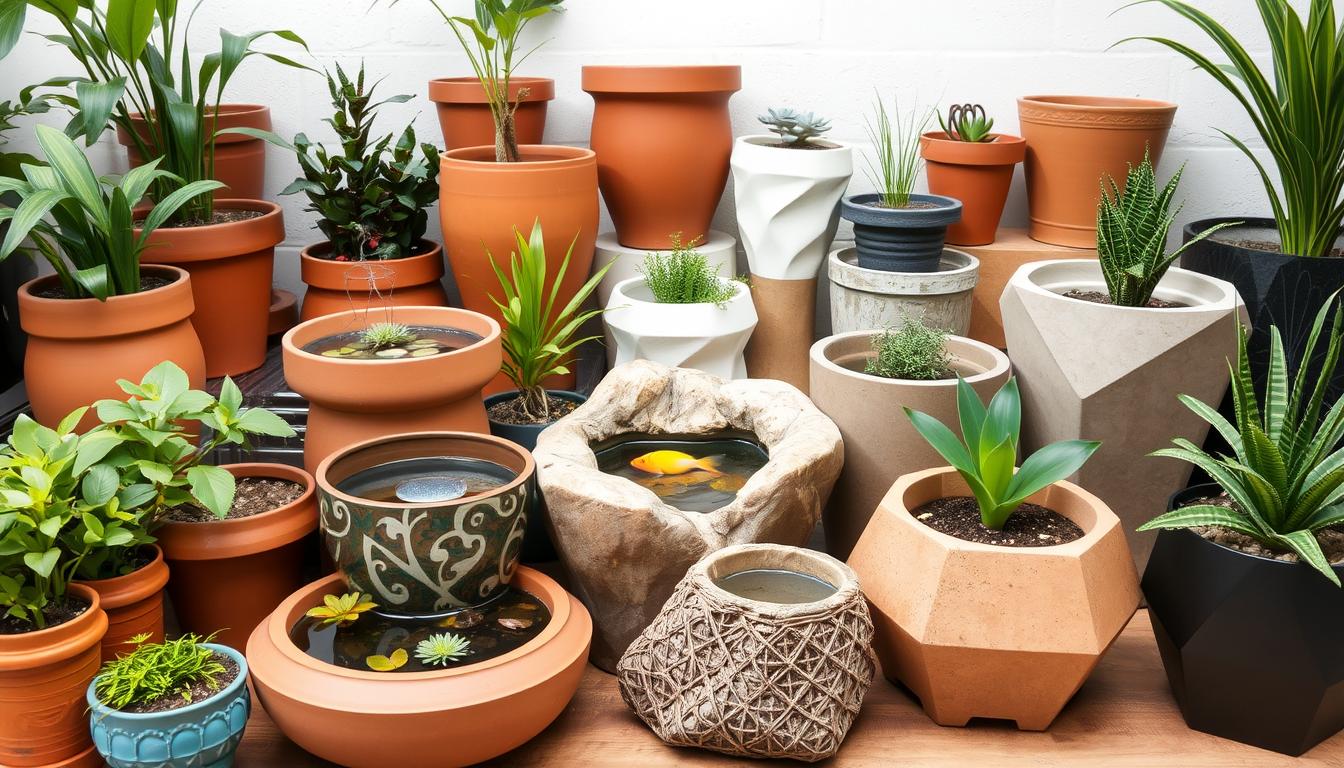
Selecting the correct container is crucial for your mini indoor pond. Containers range from planter pots to larger feed tubs. Your choice affects the size and look of your water feature.
The container’s size impacts your pond’s success and longevity. It’s important to pick one that fits your space and vision.
Planter Pots as Mini Pond Containers
Planter pots work well for smaller mini ponds. They come in various materials like glazed terracotta, metal, or non-porous plastic. These options are safe for aquariums.
Planter pots are great for limited indoor spaces. Make sure the pot is watertight and deep enough for your mini pond.
Feed or Planter Tubs for Larger Indoor Ponds
Feed or planter tubs are ideal for more prominent indoor water features. They offer more space for a bigger mini ecosystem. Choose water-tight, aquarium-safe materials for these tubs.
Your container choice should fit your space and budget and match your desired look. The right vessel will help create a thriving aquatic oasis in your home.
Selecting the Appropriate Pump
The size and flow rate of your mini indoor pond pump are crucial. A well-chosen pump circulates water, creating a healthy ecosystem for plants and fish. Smaller ponds need less powerful pumps, while larger ones require higher flow rates.
Several pump types work well for mini indoor ponds. Utility pond pumps are popular, with 50 to 500 gallons per hour flow rates. These pumps suit ponds from 10 to 50 gallons.
Aquarium powerheads provide gentle water movement for ponds under 10 gallons. Consider your pond’s size, budget, and desired water circulation when choosing a pump.
The Oase Indoor Aquatics 250 pump delivers 250 gallons per hour, ideal for 10-20-gallon ponds. The EcoPlus 158 pump, with its 158-gallon-per-hour flow rate, works well for larger mini ponds.

Solar-powered pumps are an option but can be pricier and less effective without sunlight. Your specific needs will determine the best pump for your mini indoor pond.
| Pump Type | Recommended Pond Size | Flow Rate (gallons per hour) |
|---|---|---|
| Utility Pond Pump | 10-50 gallons | 50-500 gph |
| Aquarium Powerhead | under 10 gallons | around 50 gph |
| Solar Pump | 10-20 gallons | varies with sunlight |
Choosing the right pump size and flow rate is key to maintaining a healthy, balanced ecosystem for aquatic plants and fish in your mini indoor pond.
How to create a mini-ecosystem with a small indoor pond or water feature?
Step-by-Step Guide to Setting Up Your Indoor Pond
An indoor pond can turn a small space into a thriving mini-ecosystem. Start by choosing a container like a planter pot or feed tub. Make sure it’s big enough for your setup.
Add gravel or sand as a stable base for your aquatic plants. Then, introduce a mix of oxygenating and floating plants. Place them carefully in the substrate so each species can thrive.
Install a pump to circulate water and maintain healthy oxygen levels. Choose a pump with the right flow rate for your pond’s size.
Tips for Creating a Balanced Mini Ecosystem
Check water parameters regularly to keep your indoor pond balanced. Monitor pH and temperature, adjusting for optimal plant and animal health.
- Incorporate a diverse selection of aquatic plants to support the overall health of the mini-ecosystem.
- Consider introducing small, hardy fish species, such as guppies or mosquitofish, to help control algae and provide additional visual interest.
- To keep the pond clean and thriving, perform routine maintenance, including partial water changes and cleaning.
Follow these steps to create a self-sustaining aquatic oasis in your home. Your indoor pond will bring serenity and wonder to your living space.
Plant Selection for Indoor Ponds
Choosing the right plants is vital for a thriving indoor pond ecosystem. Oxygenating plants like Ceratophyllum demersum help maintain water clarity. These underwater plants produce oxygen for aquatic life in your miniature pond.
Dwarf water lilies add beauty with delicate floating leaves and vibrant blooms. Marginal plants like irises or cannas create a lush border. They contribute to the pond’s balanced ecosystem.
Pick compact, slow-growing species suited for small water features. Water Hyacinth and Duckweed are great choices. They filter water and provide cover for fish or invertebrates.
Carefully curate your plant selection for indoor ponds. Aim for a balance of oxygenating, floating, and marginal plants. This approach ensures a stunning and ecologically sound mini-ecosystem in your home.

Stocking Your Indoor Pond
Fish can make your indoor pond come alive. Picking the right fish is key to a healthy mini-ecosystem, and the right fish can bring balance and beauty to your aquatic habitat.
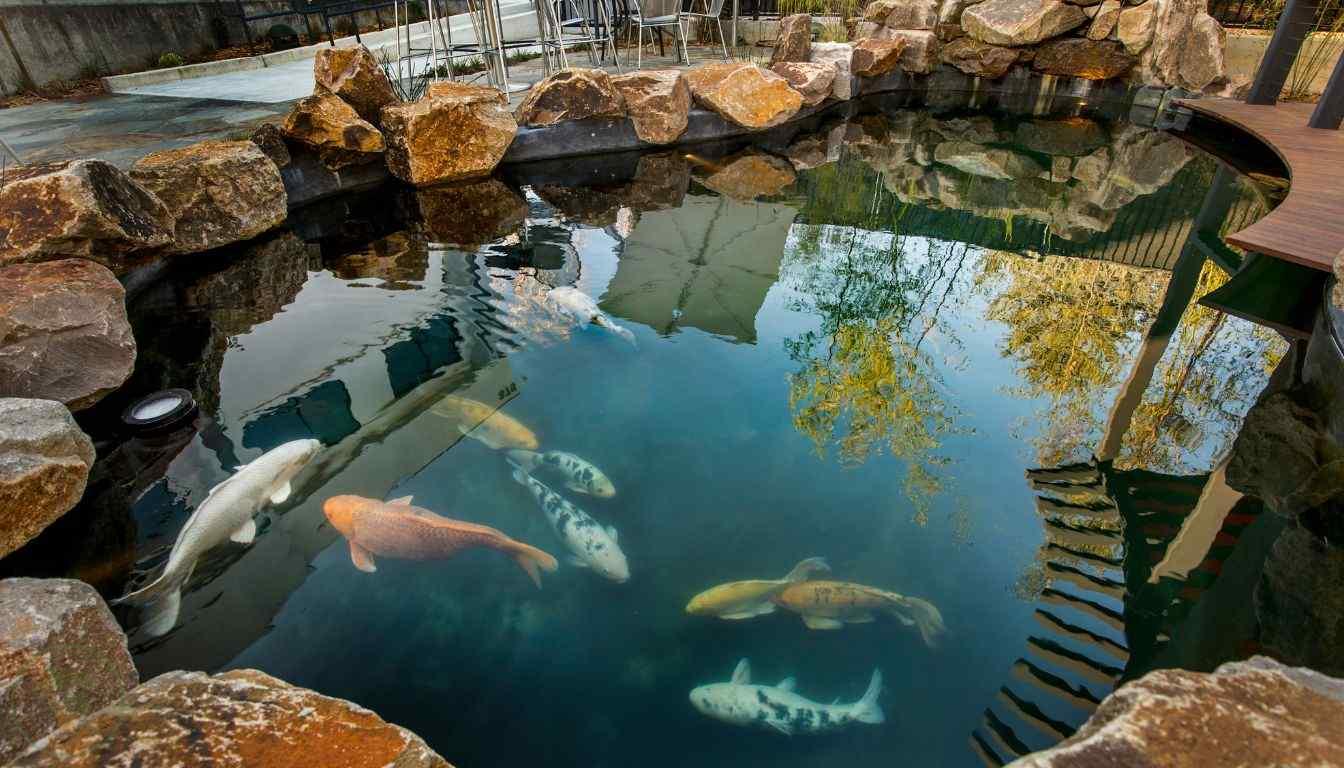
Hardy, low-maintenance fish are best for small indoor ponds. Betta fish, guppies, and small koi are great choices. These fish look great and can handle the challenges of a tiny water world.
Suitable Fish Species for Miniature Ponds
- Betta fish: These colorful fish are easy to care for. They can live in different water conditions.
- Guppies: These lively fish are peaceful and do well in small spaces. They add color to your pond.
- Small koi: Mini koi can be stunning in indoor ponds. They are peaceful, easy to maintain, and live long.
- Fathead minnows: These tough fish can live in many temperatures. They need at least 40 gallons of water.
- Three-spined sticklebacks: These small, active fish need a minimum of 40 gallons and can live in temperatures from 39-77°F.
- Mosquitofish: These fish can live in ponds as small as 20 gallons. They can handle temperatures from 40-100°F.
Don’t overcrowd your indoor pond. Keep the fish population balanced. Give your fish places to hide.
Make sure the water conditions stay stable. This will help your mini-ecosystem thrive for a long time.
| Fish Species | Minimum Pond Size | Temperature Range |
|---|---|---|
| Betta fish | 20+ gallons | 70-82°F |
| Guppies | 20+ gallons | 72-82°F |
| Small koi | 40+ gallons | 50-86°F |
| Fathead minnow | 40+ gallons | 40-85°F |
| Three-spined stickleback | 40+ gallons | 39-77°F |
| Mosquitofish | 20+ gallons | 40-100°F |
“A balanced, thriving mini-pond ecosystem is a joy to behold and can bring a touch of nature right into your living space.” – Cassie
Maintenance and Care
Keeping your mini indoor pond healthy is vital. Regular tasks include removing debris and changing water. Monitor water conditions to maintain balance and address issues like algae buildup promptly.
With proper care, your indoor pond will become a low-effort, self-sustaining feature that adds charm and tranquility to your living space.
Keeping Your Indoor Pond Clean and Healthy
Follow these best practices to maintain your indoor pond:
- Regularly remove fallen leaves, twigs, or other debris accumulating in the water.
- Perform partial water changes every 2-4 weeks, replacing about 25% of the water to replenish fresh, dechlorinated water.
- Monitor water parameters like pH, ammonia, nitrites, and nitrates, and adjust as needed to maintain ideal water quality.
- Prune or remove any overgrown or dying plants to prevent them from decaying and compromising the pond’s balance.
- Clean the pump and any filtration media regularly to ensure efficient water circulation and biological filtration.
Consistent maintenance keeps your indoor pond vibrant and healthy. With time, these tasks become easier and require less effort.
The right equipment can reduce manual cleaning. Skimmers and biofilters help maintain water quality with minimal effort.
These features make your indoor pond low-maintenance. Enjoy a relaxing water feature that brings joy to your home.
Frequently Asked Questions (FAQs): How to Create a Mini-ecosystem Indoors
What is a mini indoor pond?
What are the benefits of having a small indoor water feature?
What should I consider when choosing a container for my mini indoor pond?
How do I choose the right pump for my mini indoor pond?
What plants should I choose for my mini indoor pond?
What fish can I keep in my mini indoor pond?
How do I maintain and care for my mini indoor pond?

Final Thoughts on Creating a Mini-ecosystem Indoors
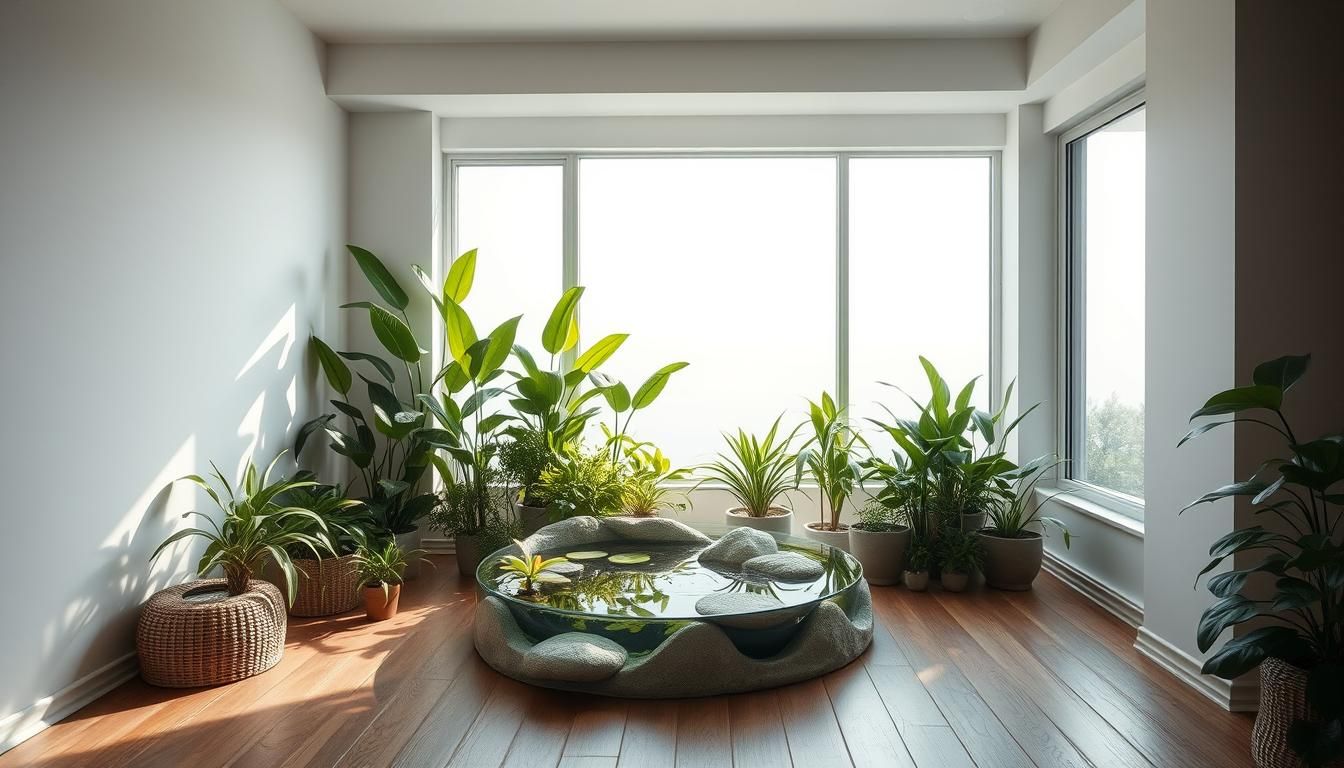
Creating a small indoor pond is a rewarding project. It brings calm water into your living space. With the correct container, pump, plants, and aquatic life, you’ll have a self-sustaining water feature.
Your mini pond can become a captivating focal point, showcasing a balanced aquatic system in your home. Choose between a simple planter pot and a larger feed tub.
Create a harmonious ecosystem for various aquatic plants. You can even add a few hardy fish species. Oxygenating plants and the right pump are key.
Maintain a healthy water balance for your indoor feature. Enjoy the soothing sounds and visual appeal of your mini-ecosystem. It’s simpler than a full-scale outdoor pond.
With planning and care, your indoor water feature will thrive. It will bring peace and nature into your personal space, allowing you to experience the joy of your own aquatic world at home.
Further Recommendations:
- Best Indoor Greenhouse
- Bucket Gardening
- Why are my plants drooping?
- How to care for an air plant
- Hydroponic Gardening
- How to Keep Pigeons Off the Balcony?
- Best Patio Furniture Covers
- Patio Pet Games
- Best Kitchen Composters
- Eco-Friendly Homes – Sustainable Living
- Best Soil For Snake Plants
- How to Build a Patio Cover
- Houseplant Happiness! A Guide on How to Clean Plant Leaves Effectively
- 10 Best Indoor Gardening Books
- How to Stop Ants Nesting in Plant Pots
- What Plants Don’t Like Epsom Salt?
- How to Plant Carrot Seeds
Video: Terrarium With Mini Pond Inside
Reference Links
- Interactions with artificial water features – Science Direct
- How Water Features Contribute to Conservation and Cost Savings – Buildings.com

Leave a Reply