
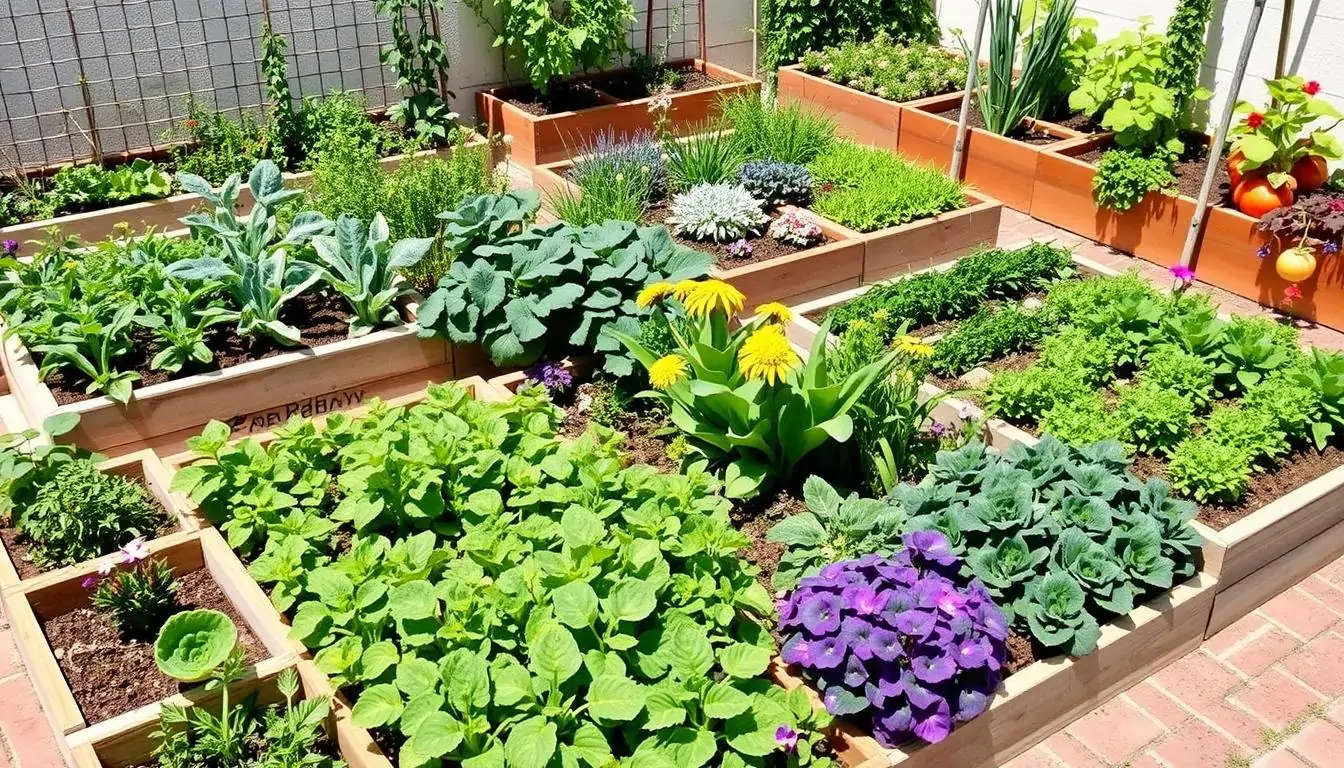
Have you ever wondered why some plants thrive while others struggle to grow? The secret lies in understanding what plant food is and how plant nutrients can transform your gardening experience.
Plant food, or fertilizer, is like a nutritional boost for your plants. It provides essential elements they need to grow strong and healthy.
Just as humans need a balanced diet, plants need specific nutrients to grow well. These nutrients are not just extras; they are vital for survival and growth.
Whether you’re a seasoned gardener or new to houseplants, knowing about plant food is key. It can greatly improve your plants’ health and appearance.
Key Takeaways
- Plant food provides essential nutrients for plant growth
- Fertilizers contain key macronutrients like nitrogen, phosphorus, and potassium
- Different plants have different nutritional requirements
- Proper plant nutrition leads to healthier, more robust plants
- Understanding plant nutrients helps prevent growth problems
The Basics of Plant Food: What You Need to Know
Understanding plant food is key to gardening success. Fertilizers and soil amendments give plants the nutrients they need. This helps them grow strong and healthy.
Plant food is more than a simple supplement. It’s a complex mix of nutrients that supports plant growth. The NPK ratio is crucial for understanding how these nutrients work together.
What is Plant Food Made Of?
Plant food has three main nutrients for healthy growth:
- Nitrogen (N): Supports leaf and stem development
- Phosphorus (P): Promotes root growth and flower production
- Potassium (K): Enhances overall plant health and disease resistance
Types of Nutrients in Plant Food
Plants need different nutrients to thrive. These can be split into two main groups:
- Macronutrients: Needed in larger quantities
- Primary: Nitrogen, Phosphorus, Potassium
- Secondary: Calcium, Magnesium, Sulfur
- Micronutrients: Required in smaller amounts
- Iron
- Copper
- Zinc
Understanding NPK Ratios
The NPK ratio shows the percentage of key nutrients in fertilizers. Here’s a quick guide:
| NPK Ratio | Nitrogen (%) | Phosphorus (%) | Potassium (%) |
|---|---|---|---|
| 12-4-8 | 12% | 4% | 8% |
| 10-10-10 | 10% | 10% | 10% |
| 5-1-1 | 5% | 1% | 1% |
Knowing your plants’ nutrient needs helps you pick the right fertilizers and soil amendments. Different plants need different NPK ratios. Always check the specific needs for your garden or houseplants.


Why Your Plants Need Food: The Science Behind Growth
Plants are living beings with complex needs for food. Like us, they need a balanced diet to grow well. Knowing about plant nutrition can make you a better gardener and help your plants thrive.
All plants need 16 essential elements to grow and develop. These nutrients fall into two main groups:
- Macronutrients: Needed in larger amounts
- Primary nutrients: Nitrogen, Phosphorus, Potassium
- Secondary nutrients: Calcium, Magnesium, Sulfur
- Micronutrients: Needed in small amounts
- Iron, Zinc, Manganese, Boron, Copper
How Nutrients Support Plant Health
Plant growth enhancers are key for many plant functions. Each nutrient has a special role:
- Nitrogen: Helps leaves grow green and makes chlorophyll
- Phosphorus: Makes roots strong and helps flowers grow
- Potassium: Boosts disease resistance and helps plants absorb water
The Role of Soil in Nutrient Availability
Soil quality affects the availability of nutrients. Nutrient shortages can occur if the soil lacks essential minerals or if the pH levels are not optimal. Clay soils are rich in micronutrients, making them great for plant growth.
Understanding these nutritional facts helps avoid common plant health problems. It also helps create the best environment for your plants to grow.
Different Types of Plant Food: Which One to Choose?
Choosing the right plant food can feel overwhelming. But knowing your options makes it simpler. Every garden and plant has unique nutritional needs. The right fertilizer can greatly improve plant health and growth.
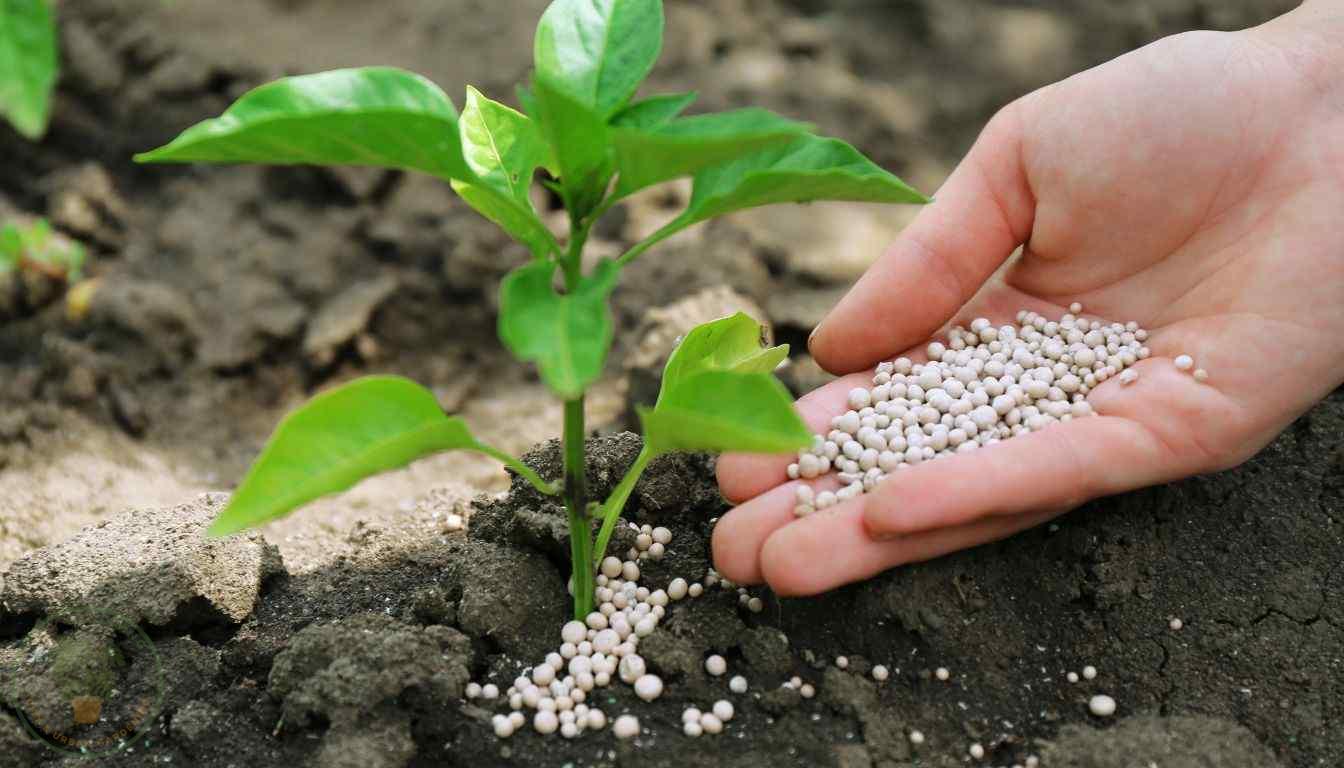
Exploring plant food options reveals several key categories. These categories can greatly impact your gardening success. Let’s look at the most important choices:
Organic vs. Synthetic Plant Food
Organic and synthetic fertilizers differ in how they provide plant nutrition:
- Organic fertilizers come from natural sources like compost and animal manure
- Synthetic fertilizers are made with precise nutrient combinations
- Organic options help improve soil structure and support microbes
- Inorganic fertilizers offer quick, targeted nutrient delivery
Liquid vs. Granular Options
Your choice between liquid and granular fertilizers depends on your gardening needs:
| Liquid Fertilizers | Granular Fertilizers |
|---|---|
| Quick nutrient absorption | Slower, steady nutrient release |
| Applied every 7-14 days | Applied every 6-8 weeks |
| Ideal for immediate plant needs | Best for long-term nutrition |

Slow-Release vs. Quick-Release Fertilizers
Understanding nutrient release rates is key:
- Slow-release fertilizers provide consistent nutrition over time
- Quick-release options deliver immediate nutrients
- Heavy feeding plants like tomatoes benefit from different release rates
- Controlled release mechanisms protect against nutrient leaching
By matching your plant’s needs with the right fertilizer, you’ll create an excellent growing environment. This environment supports robust, healthy plant development.
Homemade Plant Food: Simple Recipes You Can Try
Making your organic fertilizers at home is simple. You can turn kitchen scraps and yard waste into soil that feeds your plants. This saves money and gives your plants what they need to grow.
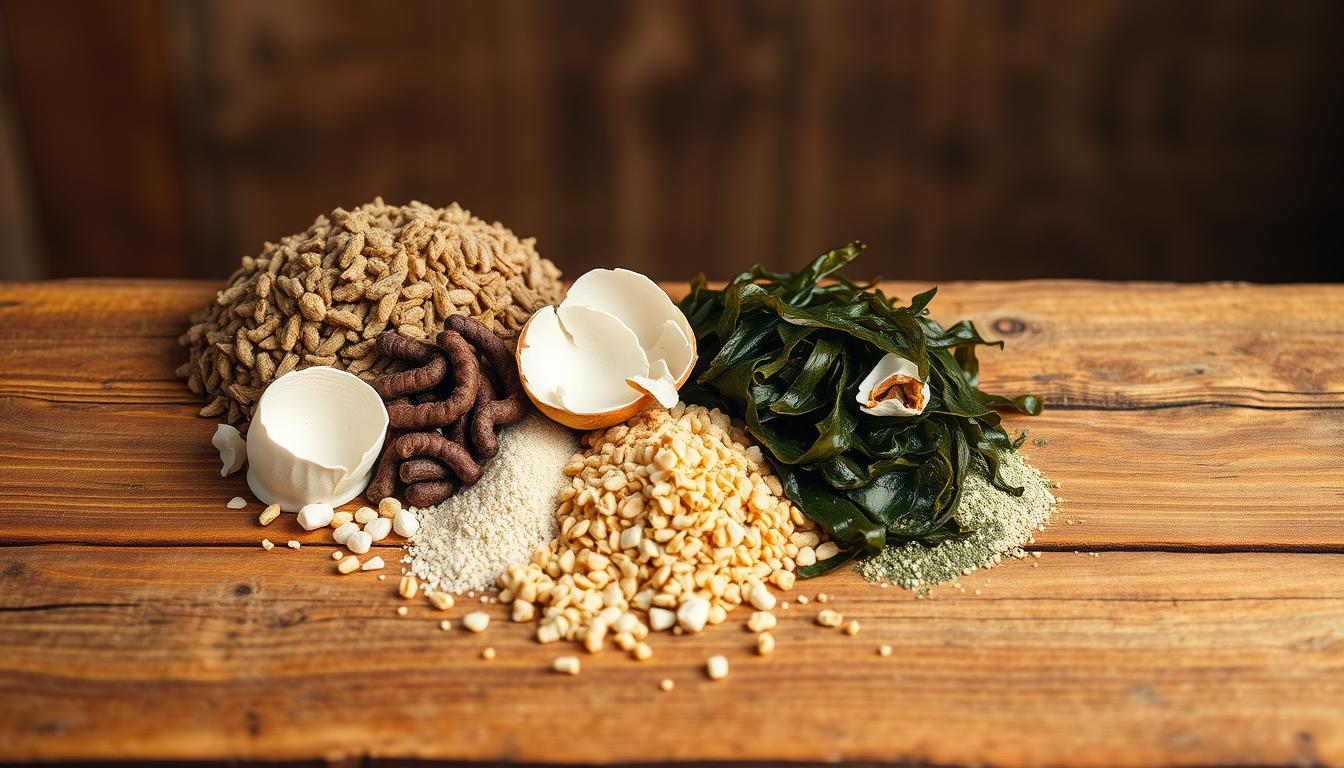
Garden lovers can find natural ways to feed their plants using ingredients from their kitchen. With just a few ingredients, you can make plant food that’s as good as store-bought stuff.
Kitchen Scraps Turned Plant Food
Your kitchen is full of things that can help your plants grow. Here are some easy recipes to make organic fertilizers:
- Eggshell Spray: Mix 20 eggshells with 1 gallon of water for a calcium boost.
- Green Tea Fertilizer: Use one tea bag for every two gallons of water for a gentle feed.
- Banana Peel Fertilizer: Soak banana peels in water to get potassium for your plants.

Composting Basics for Homemade Nutrition
Composting turns waste into soil rich in nutrients. It’s all about mixing green and brown materials to make excellent fertilizer for your garden.
- Green materials: Kitchen scraps, grass clippings, coffee grounds
- Brown materials: Dry leaves, cardboard, newspaper
- Recommended dilution ratios:
- Comfrey liquid: 10 parts water to 1 part liquid
- Grass clippings tea: 5 parts water to 1 part tea
Be careful when using homemade plant food. Most organic fertilizers work best when used once a month. Always watch how your plants react. With time, you’ll get good at making plant food that’s good for the earth and your plants.
Specific Nutrient Needs for Common Plants
Knowing what plants need is key to a healthy garden or indoor space. Each plant has its own set of nutrients. These nutrients affect how well plants grow, bloom, and stay healthy.
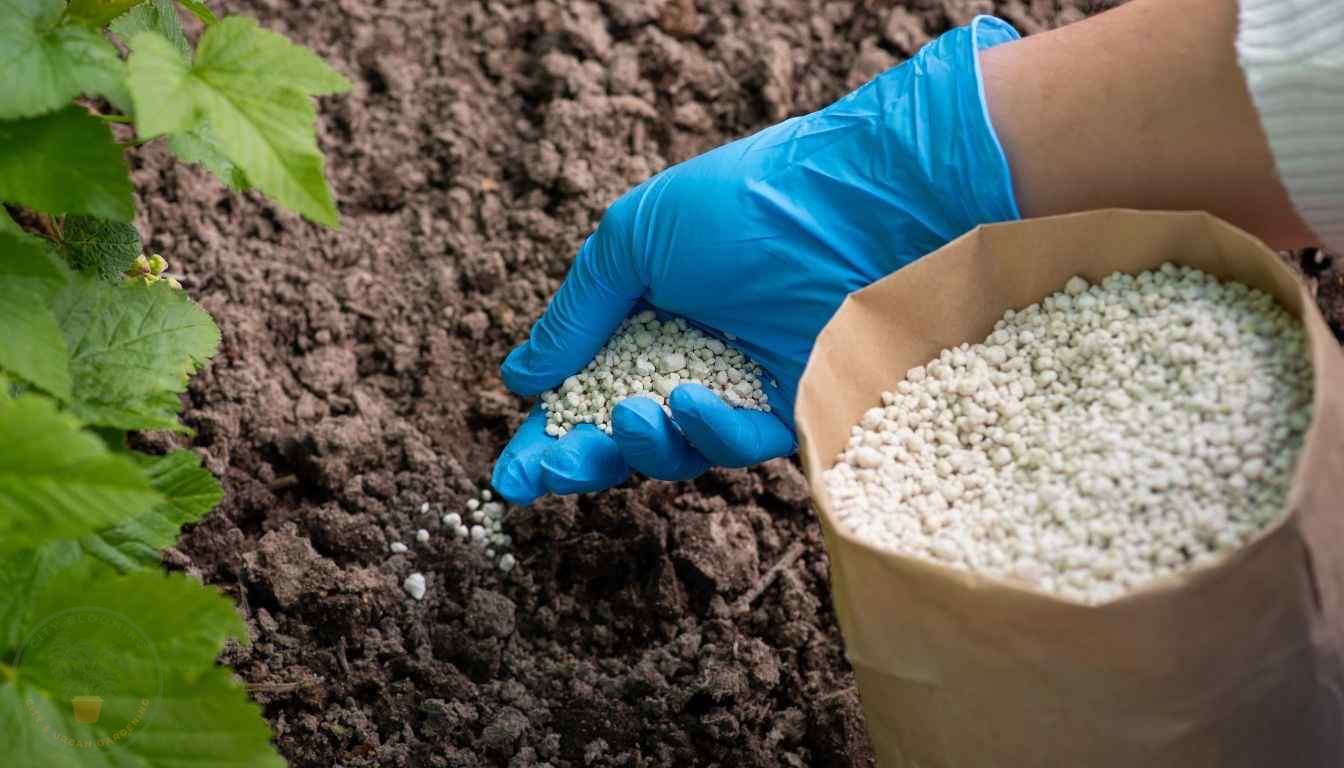
Fertilizing Houseplants: Your Indoor Green Companions
Houseplants need special nutrients to grow well indoors. Plants with leaves do best with fertilizers high in nitrogen. This helps them grow strong and green.
- Frequency: Monthly fertilizer applications from March to October
- Recommended dilution: 1 teaspoon per quart of water
- Watch for signs of nutrient deficiencies like yellowing leaves
Garden Plants: Vegetables and Herbs Nutritional Needs
Garden vegetables and herbs require a balanced mix of nutrients to grow well. Knowing what they lack can help your garden thrive.
| Nutrient | Primary Function | Deficiency Symptoms |
|---|---|---|
| Nitrogen | Leaf Growth | Yellow leaves, thin stems |
| Phosphorus | Root Development | Purple leaves, poor fruit production |
| Potassium | Overall Plant Health | Weak stems, burnt leaf edges |
Feeding Flowering Plants for Optimal Blooms
Flowering plants require different nutrients from leafy ones. Phosphorus-rich fertilizers help them bloom well and grow strong roots. Use fertilizers with more phosphorus to get amazing flowers.
- Choose fertilizers with higher phosphorus ratios.
- Apply fertilizer during active growth periods.
- Monitor for nutrient deficiencies regularly.

Remember, balanced nutrition is essential. It prevents deficiencies and helps plants grow well in all your green spaces.
When and How to Apply Plant Food
Knowing when and how to use fertilizers is key to your plants’ health. Plant growth enhancers need careful timing and application. They’re not a one-size-fits-all solution.
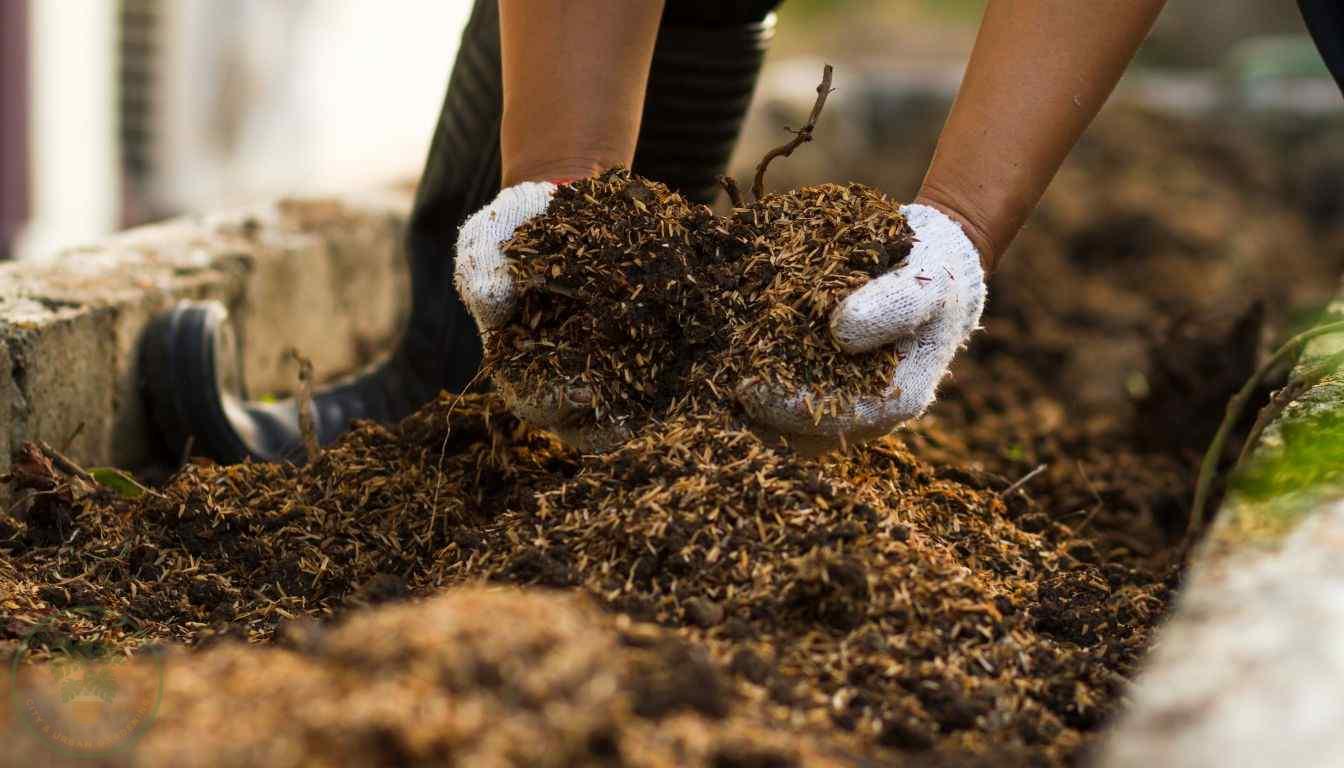
Feeding your plants right is all about understanding their needs. Different plants need different things at various times. This changes with the seasons and as they grow.
Seasonal Feeding Strategies
The best time to fertilize most plants is early spring. This is when they wake up from their sleep. Here are some seasonal tips:
- Spring: This is when most plants need their first dose of fertilizer.
- Early summer: Give extra food to plants that produce a lot.
- Fall: Get your perennials and woody plants ready for winter.
- Winter: Most plants don’t need much food during this time.
Application Methods for Fertilizers
Choosing the right way to apply fertilizers is important. Here are some effective methods:
- Liquid fertilizers: These are absorbed quickly and are great for plants that need nutrients rapidly.
- Granular fertilizers: These release nutrients slowly, providing steady food for your plants.
- Compost: It’s an organic material that helps improve your soil.
- Foliar sprays: These are absorbed through leaves, giving plants a direct boost.
Pro tip: Always follow package instructions and avoid over-fertilizing, which can damage plant roots.

Each plant type has its fertilization schedule. Container plants need food every 7 to 14 days. Landscape plants might only need it once a month. Soil tests help figure out exactly what your plants need.
Understanding Plant Food Labels: What to Look For
Reading plant food labels can seem like a puzzle. Fertilizers have special markings that indicate which nutrients your plants receive. Knowing how to read these labels helps you choose the best for your garden.
The NPK ratio is key on any fertilizer label. It shows the percentage of nitrogen (N), phosphorus (P), and potassium (K). It’s like a nutritional guide for your plants.
Reading NPK Labels Easily
Let’s understand what the numbers mean. In a 10-10-10 fertilizer, you get:
- 10% Nitrogen (helps leaves grow)
- 10% Phosphorus (boosts roots)
- 10% Potassium (makes plants stronger)
Recognizing Quality Indicators
Not all fertilizers are the same. Look for these quality signs:
- Guaranteed analysis percentage
- Nutrient sources
- Slow-release properties
| Fertilizer Type | NPK Ratio | Best Use |
|---|---|---|
| Balanced | 10-10-10 | General garden care |
| High Nitrogen | 20-10-20 | Leafy plant growth |
| Flower Boost | 10-30-20 | Flowering plants |

Understanding fertilizer labels is key to giving your plants the right food. Always read the entire label and follow application instructions carefully.
Environmental Impact of Plant Food: A Reality Check
It’s important to know how plant food affects the environment for sustainable gardening. Choosing the right organic fertilizers and soil amendments can help protect our planet.
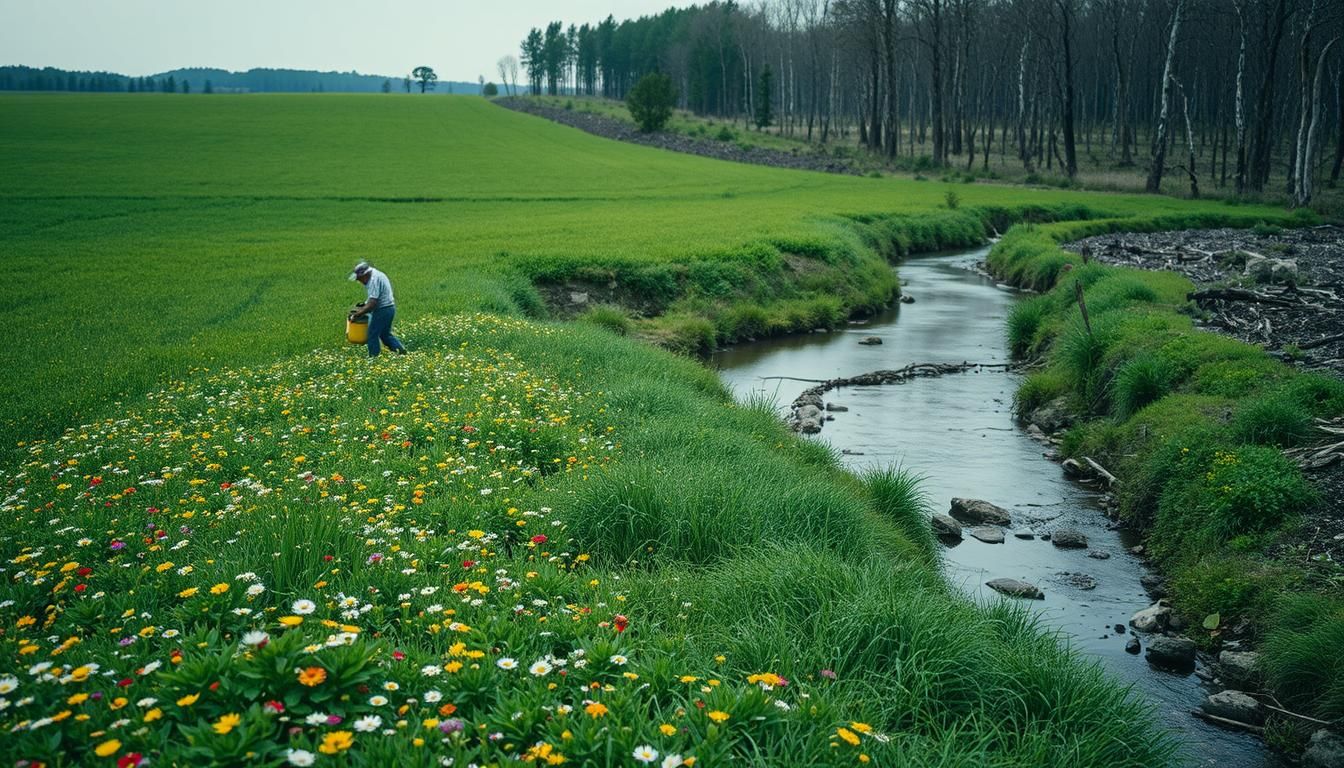
Agriculture is a big source of greenhouse gas emissions. About one-third of these emissions come from food production. Fertilizers are a key part of this problem.
Organic Choices and Sustainability
Choosing organic fertilizers has many benefits:
- Reduces chemical runoff into water systems
- Minimizes soil contamination
- Supports biodiversity in agricultural ecosystems
- Decreases the carbon footprint of food production
Organic soil amendments help keep the soil balanced. Compost, bone meal, and green manure are better for long-term soil health than synthetic fertilizers.
Minimizing Runoff and Pollution
Nitrous oxide from fertilizers is 300 times more potent than carbon dioxide as a greenhouse gas. Making wise choices in fertilization can significantly reduce harm:
- Apply organic fertilizers in precise amounts
- Use slow-release nutrient formulations
- Implement buffer zones near water sources
- Practice crop rotation to maintain soil nutrition
Your gardening choices are important. By focusing on organic fertilizers and sustainable soil amendments, you help protect our planet’s delicate balance.
Troubleshooting Plant Issues: Nutrient Deficiencies
It’s key to be aware of nutrient deficiencies to keep plants healthy. When plants don’t get the proper nutrients, they show signs. Spotting these signs early can prevent serious harm and help plants grow well.
Nutrient shortages can hurt plant health. They might even cut down on how much your plants can grow. Plants reveal their nutritional needs through specific signs that gardeners can learn to identify.
Signs Your Plants Are Not Getting Enough Food
Watch for these critical signs of nutrient shortages:
- Yellowing leaves – Often means a lack of nitrogen or iron.
- Stunted growth – Points to several possible nutrient issues.
- Discolored leaf edges – Could be a sign of potassium or calcium problems.
- Purple or bronze leaf tints – Might mean a phosphorus shortage.


Common Deficiencies and Solutions
Different nutrients cause different symptoms in plants. Here’s a quick guide to help you figure out and fix common nutrient shortages:
- Nitrogen Deficiency: Yellowing, mainly in lower leaves. Fix: Use nitrogen-rich fertilizers.
- Phosphorus Deficiency: Leaves are dark green with purple tints. Fix: Use phosphorus-specific supplements.
- Potassium Deficiency: Brown leaf edges and weak stems. Fix: Add potassium-based fertilizers.
Regular soil tests and using balanced fertilizers can help prevent most nutrient deficiencies. By knowing what your plants need, you’ll have a garden that thrives.
The Relationship Between Watering and Plant Food
It’s key to know how water and plant nutrients work together for good gardening. Water helps move nutrients to your plants, letting them grow strong and healthy.
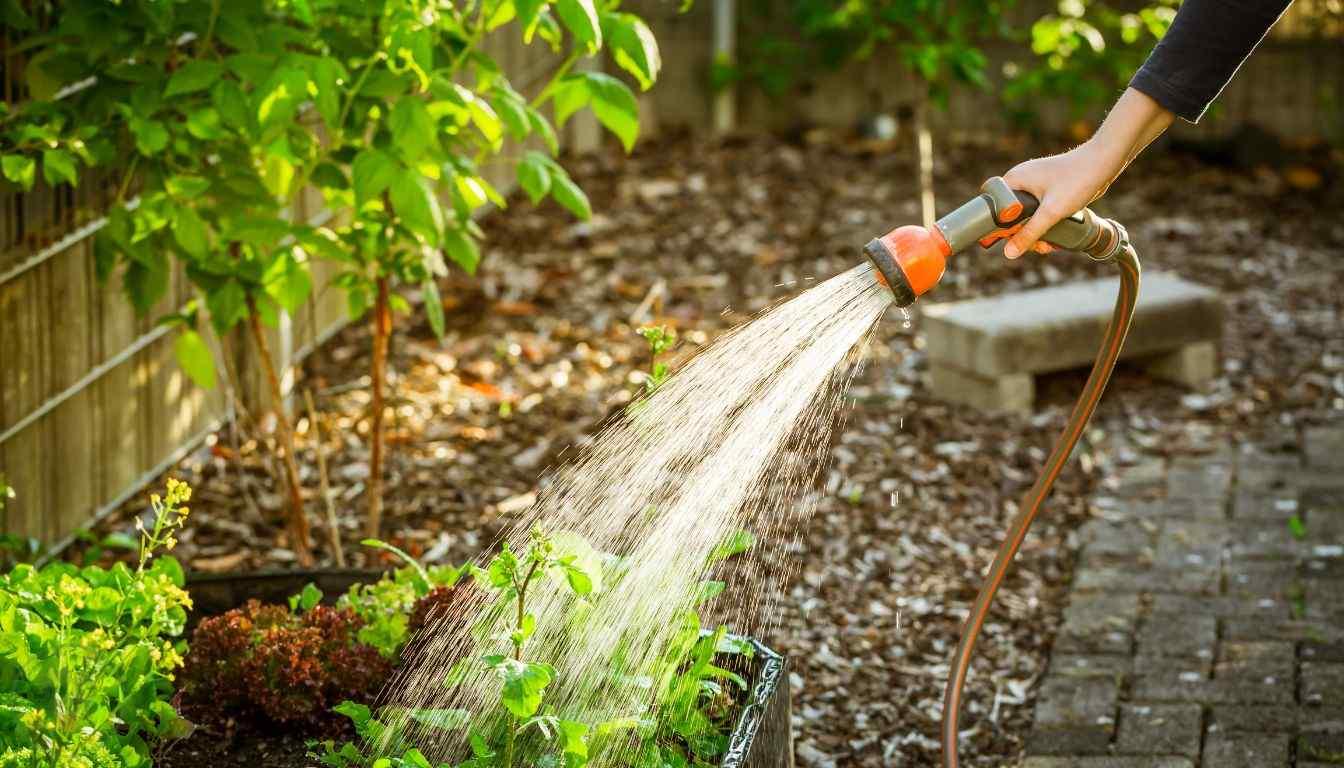
Plants need water to carry nutrients through their roots. Without enough water, even the best soil can’t help. Here’s how water helps with nutrient absorption:
- Water dissolves plant nutrients, making them easy for roots to grab
- It carries minerals from the soil to the plant’s tissues
- It stops nutrients from being locked out when it’s dry
How Water Affects Nutrient Absorption
Water management is different for hydroponic and soil-based nutrients. The right amount of water is key for nutrient uptake. Too much water can wash away nutrients, while too little stops them from being absorbed.
| Water Condition | Nutrient Absorption Impact |
|---|---|
| Overwatering | Reduces oxygen, causes nutrient runoff |
| Underwatering | Limits nutrient transport, stunts growth |
| Optimal Moisture | Maximizes nutrient uptake and plant health |

Optimal Watering Techniques for Fertilized Plants
Getting water and nutrients right is all about balance. Here are some tips to make sure your plants get enough water:
- Water deeply but not too often
- Check the soil moisture before you water
- Use mulch to keep moisture in
- Adjust your watering based on the plant and season
Pro tip: Always water at the plant’s base to minimize nutrient loss and prevent leaf damage.
Gardening Tools for Applying Plant Food
Choosing the right tools makes fertilizing plants easy. Whether you have a small indoor garden or a big outdoor space, the right tools help you use fertilizers well. This ensures your plants get what they need.
Gardening is more than just having plants. It’s about giving them the proper nutrients and tools. Knowing which tools work best can help you care for your plants more effectively.
Essential Tools for Every Gardener
Your fertilization toolkit should have a few key items:
- Handheld spreaders for granular fertilizers
- Liquid sprayers for foliar sprays
- Calibrated measuring cups
- Garden hose attachments
- Precision applicators for container plants
Tips for Efficient Feeding
Here are some tips to make fertilizing better:
- Calibrate your spreaders before application
- Clean tools after each use to prevent nutrient residue buildup
- Choose adjustable sprayers for different plant types
- Use garden hose attachments for large garden areas
- Wear protective gloves when handling fertilizers

Pro tip: Always read the manufacturer’s instructions for your specific fertilization tools to ensure optimal performance and plant health.
Investing in good gardening tools makes fertilizing easier and more effective. Your plants will grow strong and look great.

Frequently Asked Questions (FAQs): What is Plant Food?
What exactly is plant food?
How often should I feed my plants?
Can I make my own plant food at home?
What do NPK ratios mean?
Are organic fertilizers better than synthetic ones?
How can I tell if my plants have a nutrient deficiency?
Can I over-fertilize my plants?
Do indoor and outdoor plants need different types of fertilizers?
How does water interact with plant food?
Are there environmentally friendly fertilizer options?
Final Thoughts About Plant Food
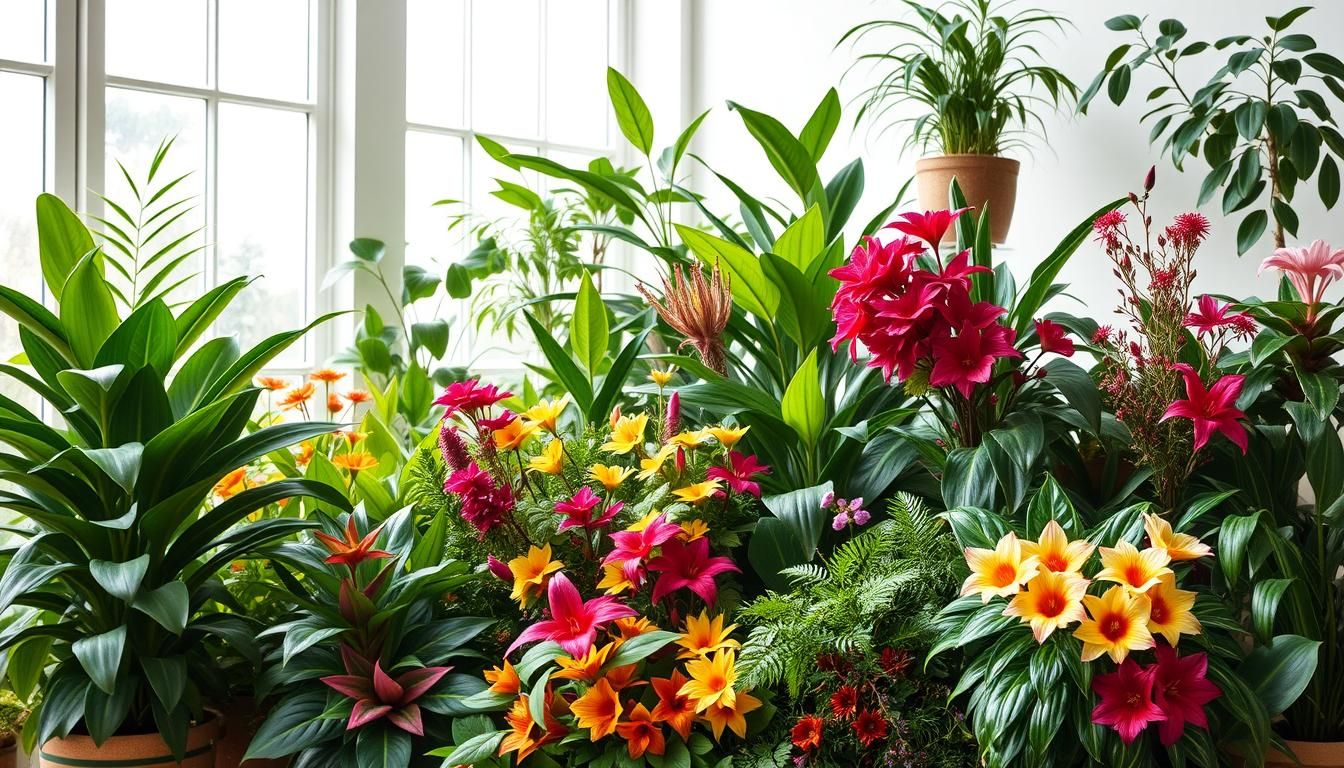
So, in a nutshell, plant food is like a balanced diet for your green friends. It’s packed with the nutrients plants need to grow strong, stay healthy, and keep those leaves looking lush.
Whether it’s liquid, granules, or spikes, using plant food the right way can give your plants a serious boost, but don’t overdo it! Too much of a good thing can cause more harm than good.
Think of it this way: plants aren’t that different from us. They need the right combination of nutrients to thrive, and when they get it, they’ll reward you with vibrant growth and maybe even flowers.
So, if you want happier, healthier plants, start feeding them some quality plant food and watch them flourish. It’s an easy step that makes a big difference! Happy gardening.
Further Recommendations:
- Best Indoor Greenhouse
- Bucket Gardening
- Why are my plants drooping?
- How to care for an air plant
- Hydroponic Gardening
- How to Keep Pigeons Off the Balcony?
- Best Patio Furniture Covers
- Patio Pet Games
- Best Kitchen Composters
- Eco-Friendly Homes – Sustainable Living
- Best Soil For Snake Plants
- How to Build a Patio Cover
- Houseplant Happiness! A Guide on How to Clean Plant Leaves Effectively
- 10 Best Indoor Gardening Books
- How to Stop Ants Nesting in Plant Pots
- What Plants Don’t Like Epsom Salt? Garden Tips for Using Indoors and Outdoors
- How to Plant Carrot Seeds
Video: Plant Nutrients 101
Reference Links
- Essential Plant Nutrients – Alabama Cooperative Extension System
- Fertilizing Houseplants – UCONN Soil Nutrient Analysis Laboratory
- Reading A Fertilizer Label – Clemson
- Nutrient Deficiencies in Plants – WVU



Leave a Reply