

As an indoor plant enthusiast, I’ve always been captivated by the unique and captivating beauty of air plants, also known as Tillandsia. These fascinating plants can thrive without soil, making them unlike any other plant in my collection.
Despite their uniqueness, I quickly learned that air plants require specific care to ensure their health and longevity. One of my first encounters with air plants was when a friend gifted me a small Tillandsia as a housewarming present.
Excited to add this new addition to my plant family, I eagerly placed it in my living room, hoping it would flourish. I soon noticed the plant was wilting, and its leaves were turning brown. I knew I had to take immediate action and educate myself on properly caring for air plants.
Through extensive research and advice from experienced air plant enthusiasts, I gained valuable knowledge that transformed my understanding of air plant care, covering light, watering, temperature, propagation, and display options for their thriving health.
With this knowledge and experience, I want to share this essential air plant care guide with you. In this guide, you will learn the step-by-step instructions for providing optimal care to your air plants, allowing them to flourish and bring beauty into your space.
Following these steps will help your air plants thrive. Let’s learn how to care for an air plant and discover the secrets to nurturing these remarkable plants!
Key Takeaways
- Proper light and temperature are crucial for the well-being of air plants
- Regular and careful watering is essential to keep air plants hydrated, but be cautious when using tap water containing chemicals.
- Routine maintenance and monitoring ensure the health of air plants, helping them absorb water and nutrients effectively. Water your air plant as needed to support its nutritional uptake.
- Air plants can be displayed creatively and mounted on various objects
- With the proper care, air plants can live for several years and reproduce, often creating offsets known as pups around the mother plant.
Understanding Air Plants: Genus, Types, and Special Features
Air plants, also known as Tillandsia, are fascinating houseplants of the genus Tillandsia that absorb water and nutrients from the air. They are perennials of various sizes and shapes, with leaves that resemble alien tentacles or the appendages of an exotic sea creature.
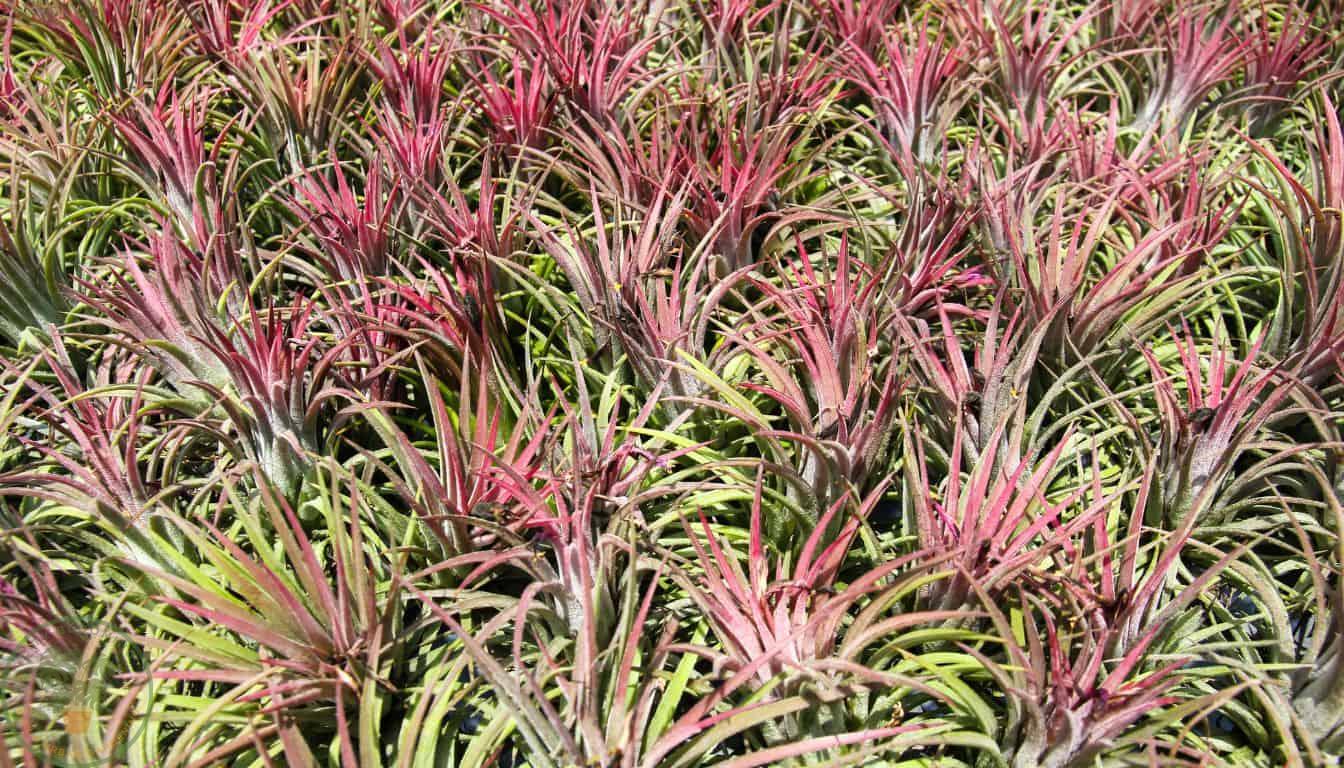
One of the unique features of air plants is their ability to grow without soil. They are epiphytes, meaning they can attach themselves to other plants or objects and obtain nutrients and moisture from the air.
While there are numerous types of air plants, some popular varieties include Tillandsia ionantha, Tillandsia xerographica, and Tillandsia stricta. Each type has its distinct characteristics and appearance.
| Air Plant Type | Description |
|---|---|
| Tillandsia ionantha | A small species with vibrant green leaves and colorful blooms. It is one of the most common air plants found in households. |
| Tillandsia xerographica | A large air plant with long, silver-gray leaves that form an attractive rosette. It is prized for its impressive size and unique shape, making it a standout house plant. |
| Tillandsia stricta | A medium-sized variety with stiff, upright leaves in various shades of green. It is known for its hardiness and adaptability. |
Aside from their diverse appearances, air plants have unique features that make them highly versatile and low maintenance. They can tolerate different light levels, from bright indirect light to moderate shade, making them an excellent choice for various indoor environments.
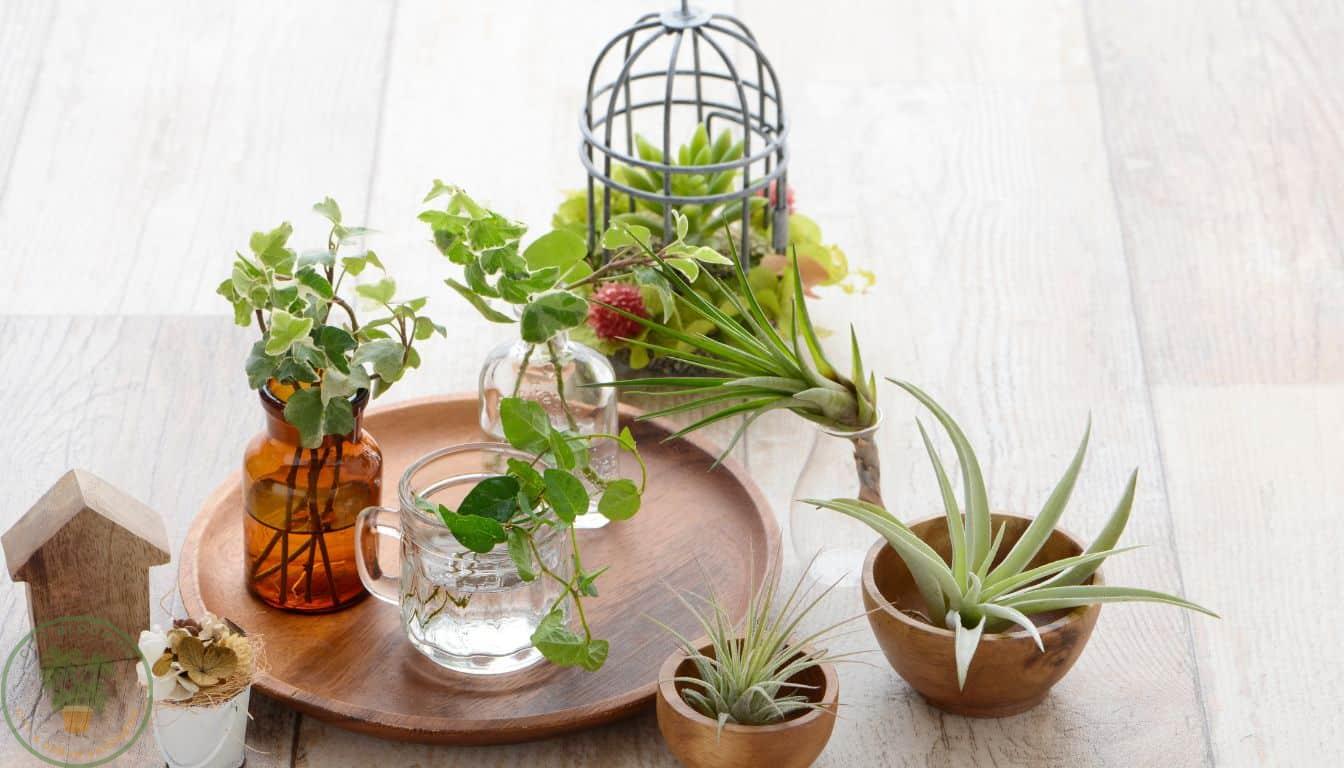
Air plants are well-suited for containers and can be displayed creatively in terrariums, hanging glass orbs, or mounted on driftwood or other decorative objects.
Providing the Right Environment For The Air Plant Life Cycle
Providing your air plants with the proper light and temperature conditions is essential to ensuring their health and well-being. Understanding and meeting their light requirements and temperature preferences will help your air plants thrive.
Air Plant Light Requirements
Air plants thrive in bright, indirect light. Placing them near a window with filtered sunlight is ideal. However, it is crucial to avoid exposing them to direct sunlight as it can be harmful. Direct sun rays can cause their leaves to burn and dry out, leading to stress and damage.
When positioning your air plants, consider the natural light conditions in your home or office. Choose a location that receives plenty of natural light throughout the day but is shielded from direct sun rays. This could be a bright corner or an area near a window with a sheer curtain.
Remember: Air plants are adaptable, but prolonged exposure to low light levels or insufficient air circulation can negatively impact their growth and overall health. CL
Ideal Temperature for Air Plants
Air plants prefer a temperature range of 50-90 degrees Fahrenheit (10-32 degrees Celsius). They can tolerate various temperatures, but extreme cold or heat can harm their well-being.
It is crucial to safeguard your air plants from freezing conditions, as temperatures below 50 degrees Fahrenheit (10 degrees Celsius) can cause them to die. While they can withstand higher temperatures, prolonged exposure to extreme heat can also harm their health.
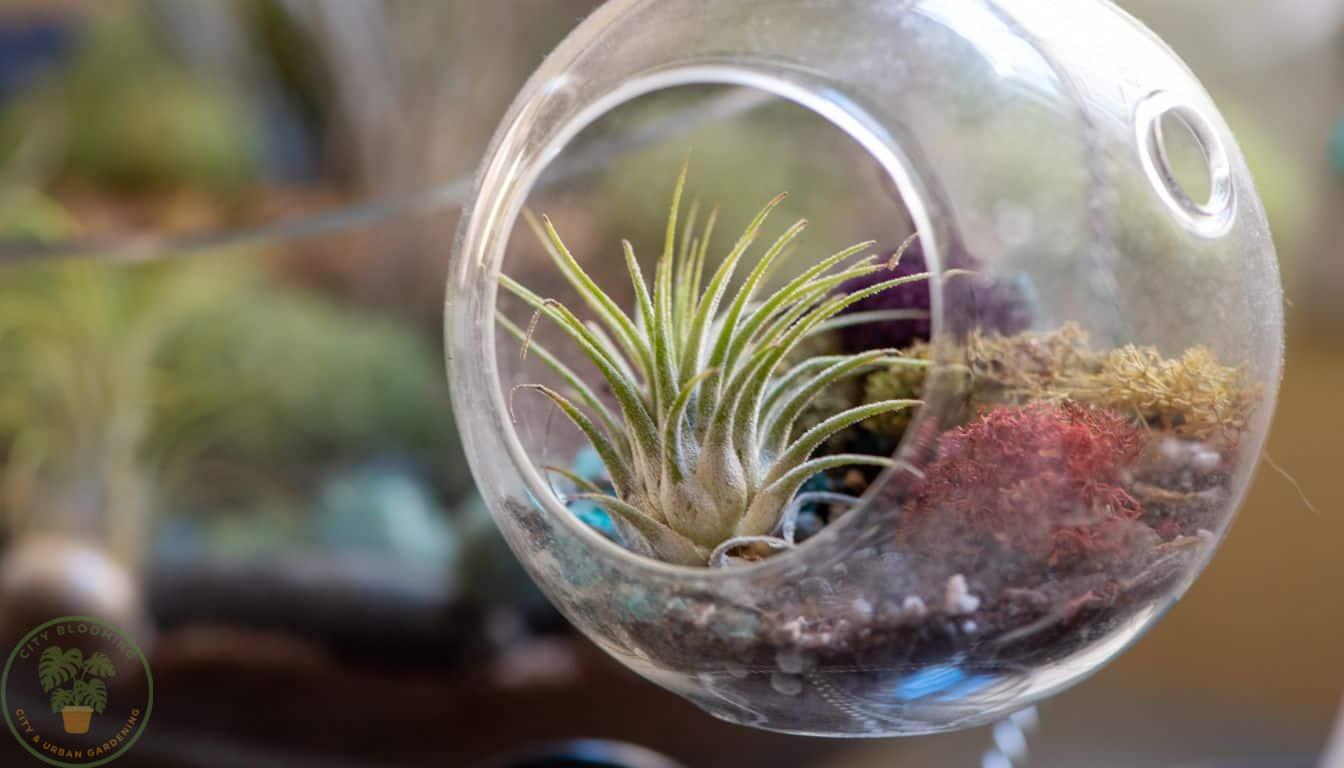
Ensure your air plants are positioned where the temperature remains within their preferred range and air circulation is good.
Avoid placing them near drafty windows, heating vents, or air conditioning units that might subject them to rapid temperature changes, as air plants need consistent conditions.
Summary of Air Plant Light and Temperature Requirements
| Light Requirements | Temperature Requirements |
|---|---|
| Bright, indirect light | Ideal temperature range: 50-90°F (10-32°C) |
| Avoid direct sunlight | Protect from freezing temperatures below 50°F (10°C) |
| Avoid prolonged exposure to extreme heat. |
Remember to regularly assess the light and temperature conditions of your air plants’ environment. Light and air are essential factors for their growth.
By giving them the right light, temperature, and air circulation, you will create an optimal setting for their growth, development, and longevity.
Watering and Maintenance: Essential Tillandsia Air Plant Care Tips
Watering air plants is a crucial aspect of their care. While they don’t need soil, air plants still require regular moisture to thrive. Follow these essential tips to keep your air plants healthy and vibrant.
How to Water Your Air Plants
Air plants should be watered about once a week. The best method is to soak them in a sink, bowl, or container filled with distilled water for approximately 30 minutes. This allows the plants to absorb the water they need.
After soaking, gently shake off any excess water and place the plants on a towel or dish rack to dry completely. It’s important to ensure they are dry before returning them to their designated growing areas to prevent rot or mold.
Air Plant Watering Schedule
Creating a watering schedule can help you maintain a routine for your air plants. Here’s a simple guideline to follow:
| Watering Frequency | Method |
|---|---|
| Once a week | Soak the plants in water for 30 minutes |
Please remember that environmental factors like temperature and humidity influence how quickly air plants dry out. Ensure proper air circulation to dry them effectively. Adjust your watering schedule accordingly, especially during seasons with higher or lower moisture levels.
Using a Humidifier with Air Plants
Using a humidifier with air plants can be beneficial, especially in environments with low humidity levels. Air plants are native to tropical and subtropical regions with higher humidity levels.
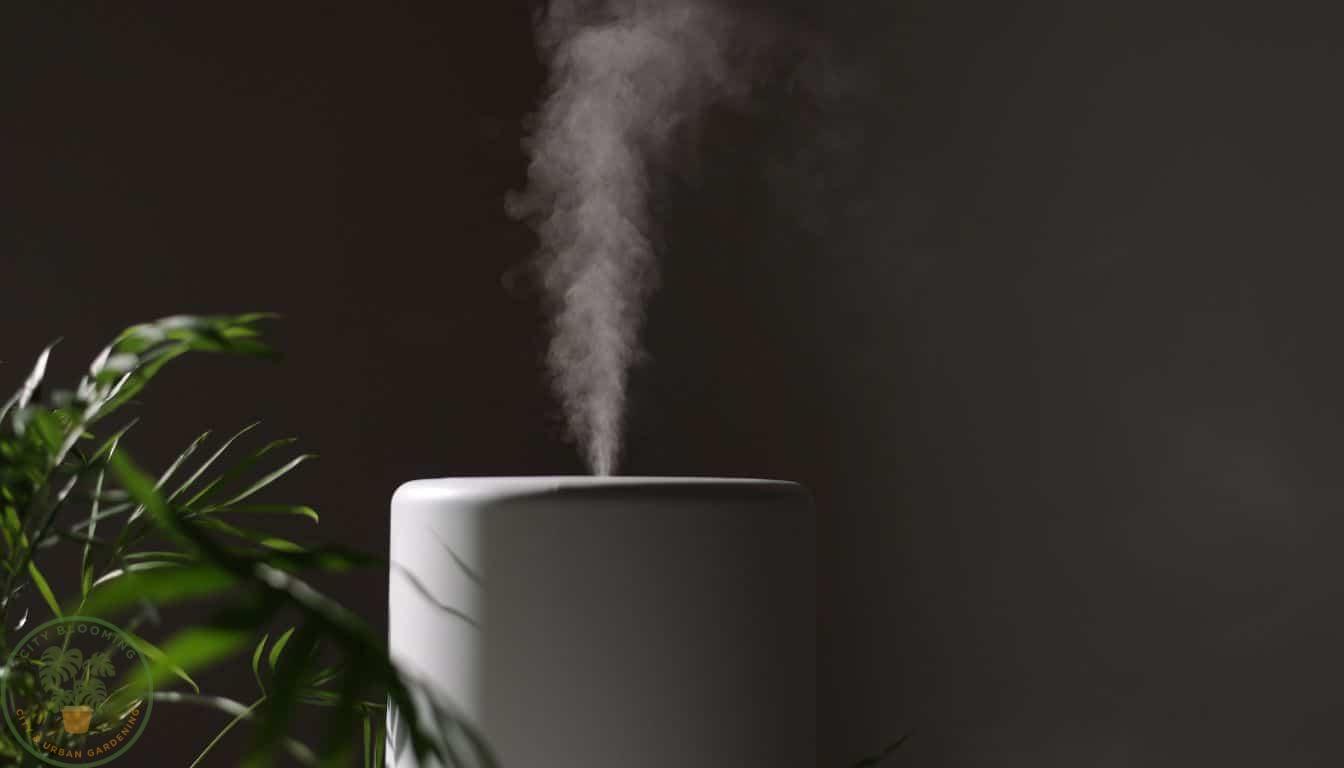
A humidifier can help create a more suitable environment for air plants to thrive in drier climates or indoor spaces with low humidity.
A humidifier can provide the necessary moisture in the air, which the air plants can absorb through their leaves to supplement their water intake. Increasing the humidity around air plants can help prevent them from drying out and improve their overall health.
It’s important to monitor the humidity levels and ensure they fall within the optimal range for air plants, typically around 50-60%.
When using a humidifier with air plants, place the plants within a reasonable distance from the humidifier so that they can benefit from the increased moisture in the air without causing waterlogged conditions.
Regularly check the plants for signs of overhydration, such as wilted leaves or root rot, and adjust the humidity levels to create a healthy and thriving environment for your air plants.
For further information on plant humidifiers, please see our article on the best humidifiers for plants.
Feeding and Caring for Air Plants: Fertilizer Care Guide
Feeding and caring for air plants is essential for their health and longevity. While air plants grow, they typically absorb nutrients through their leaves in their natural habitat; providing them with supplemental nutrients can significantly enhance their growth and overall well-being.
Using a specialized air plant fertilizer when feeding air plants is important. This type of fertilizer is specifically formulated to provide the necessary nutrients without the risk of burning the plants, which is a common concern when using regular plant fertilizers.
Air plant fertilizers are often water-soluble, making them easy to apply during the plants’ regular watering schedule.
It’s recommended to use a low-dosage fertilizer and apply it once a month during the growing season, generally from spring to fall, as air plants tend to be less active during the winter months.
In addition to using air plant fertilizer, caring for air plants involves ensuring they receive adequate light, proper watering, and suitable air circulation.
Air plants thrive in bright, indirect light and benefit from good air circulation, which can be achieved by placing them in an area with gentle airflow or occasionally moving them to different locations.
When watering, air plants should be misted or soaked once a week, ensuring thorough drying afterward to prevent rot. With proper care and specialized air plant fertilizer, these unique plants can flourish and bring natural beauty to any space.
Tips for Maintaining Air Plants
In addition to regular watering, air plants need some essential tips for optimal growth. Tips for maintaining air plants, including ensuring they have enough but not too much water:
- Mist or humidify your air plants daily or every other day to provide additional moisture, especially in dry indoor environments. Water your air plant thoroughly to maintain its health.
- Monitor your plants for signs of overwatering or under-watering, such as wilting or browning leaves. Adjust your watering frequency as needed, ensuring that air plants need neither too little nor too much water.
- Remove any dead or brown leaves using clean, sharp scissors or tweezers. This helps promote new growth and prevents the spread of diseases or pests.
- Protect your air plants from common pests like mealybugs or scale insects. Inspect your plants regularly and treat any infestations promptly using neem oil or a gentle insecticidal soap.
Following these tips for maintaining air plants, you can ensure their longevity and enjoy their unique beauty as they thrive indoors in your home or office.
Frequently Asked Questions on How to Care For an Air Plant
1. What is an air plant and how do I care for it?
An air plant or tillandsia is a house plant that grows without soil and mainly absorbs water and nutrients from the air. To care for your air plant, ensure it has good air circulation, avoid excess watering, and display it where it can receive light and air.
2. How often should I water my air plant?
Air plants need to be watered 1-2 times a week, depending on the humidity levels in your environment. Using room temperature or distilled water is essential to prevent harm to the plant.
3. Can I use tap water to water my air plants?
Tap water might not be the best option as it may contain chlorine or other chemicals harmful to air plants. Distilled water or rainwater is recommended for better care of air plants.
4. How do I know if my air plant gets enough water?
You can tell if your air plant is getting enough water by checking the base of the plant. If it appears plump and green, it is well-hydrated. If it looks shriveled or brown, it may be under-watered.
5. Can I mist my air plant instead of soaking it?
Misting or humidifying your air plant can help maintain its hydration, especially in dry indoor environments. However, misting alone may not provide enough moisture, so it is best to combine misting with regular soaking.
6. How should I provide good air circulation for my air plants?
To ensure good air circulation, place your air plants in an area with proper ventilation and avoid crowding them together. Rotating the plants occasionally can also help in maintaining adequate air circulation.
7. What is the ideal terrarium setup for air plants?
Choosing an open container that provides enough air circulation for the air plants is crucial in a terrarium setting. To prevent overwatering, ensure there is no excess water accumulation at the base of the plant.
8. Can air plants tolerate direct sunlight?
No, air plants should be placed in a location with bright, indirect light. Direct sunlight can be harmful to air plants and may cause them to suffer from sunburn.
9. How do I prevent pests from infesting my air plant?
To prevent pests like mealybugs or scale insects, regularly inspect your air plant for signs of infestation. If you notice any pests, remove them by gently wiping the affected areas with a cotton swab dipped in rubbing alcohol. This method ensures your plant grows pest-free.
10. How can I creatively display my air plants?
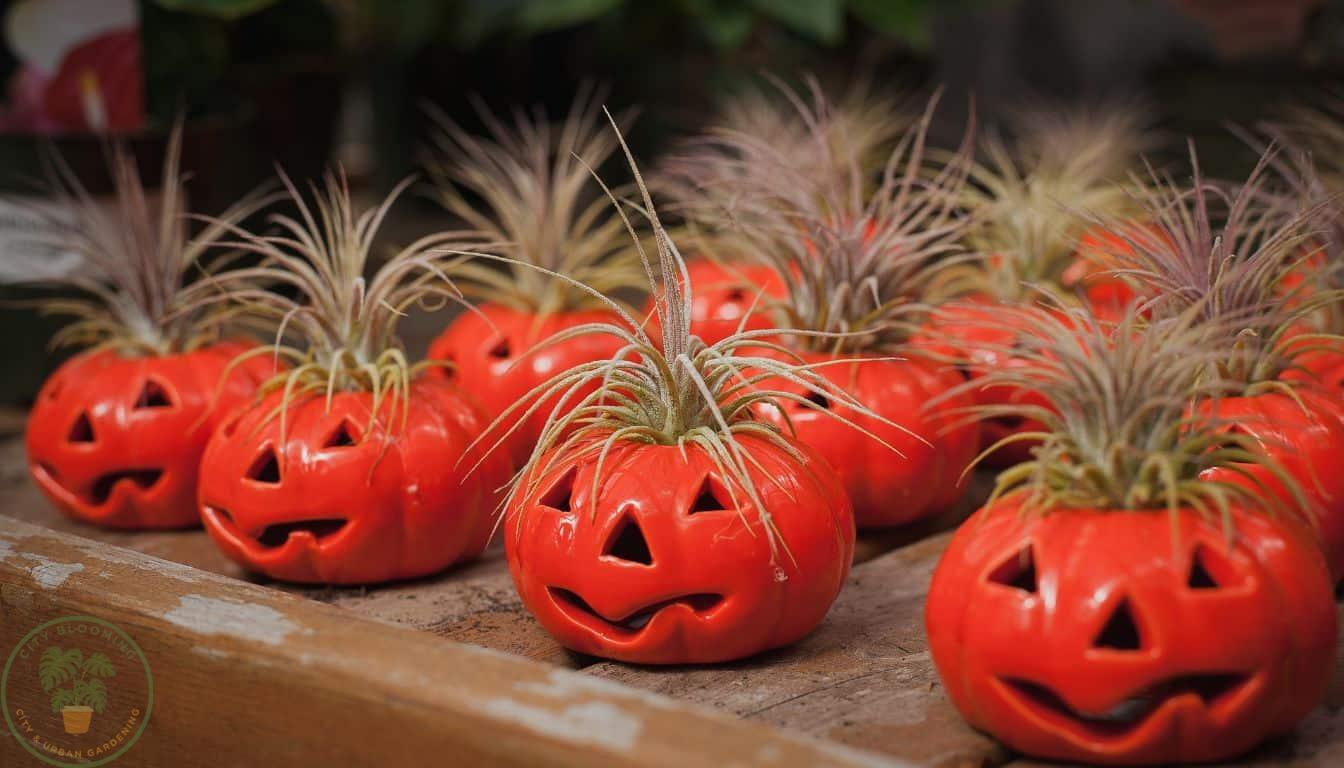
Air plants can be displayed in various ways, such as mounted on driftwood, placed in terrariums, or attached to decorative objects like shells or wireframes. Display your air plants creatively for added aesthetic appeal. Get creative and find unique ways to showcase your air plants!
Final Thoughts on How to Care For an Air Plant
Caring for air plants can be a rewarding experience for plant enthusiasts. By following the proper care techniques, such as providing the right light and temperature, watering regularly, and maintaining the plants’ health, air plants can thrive and bring unique greenery to any space.
Whether displayed independently, in creative setups like terrariums or mounted on various objects, air plants can be versatile and low-maintenance houseplants. They add a touch of natural beauty to any home or office and benefit from good air circulation around them.
Air plants offer an exciting alternative to traditional potted plants. Because they can live without soil and adapt to various environments, they are a great choice for growing indoors.
With the proper care, air plants can live for several years, producing new pups and continuing their lifecycle. They create stunning visual displays as they grow and become a focal point in any room. Their simplicity and elegance make them popular with beginners and experienced plant lovers.
Air plants can thrive with minimal effort. By providing them with the right conditions and regular care, you can enjoy their unique beauty for years to come.
So bring some air plants into your life and experience the joy of watching them grow and flourish. Air plants bloom beautifully with proper care. Happy growing.
Further Recommendations:
- How to Make a Small Urban Garden
- Best Indoor Greenhouse
- Hydroponic Gardening
- How to Keep Pigeons Off the Balcony?
- Why Are My Plants Drooping?
- Best Patio Furniture Covers
- Patio Pet Games
- Best Kitchen Composters
- The Art of Sustainable Gardening: Eco-Friendly Gardening Practices
- Best Soil For Snake Plants
- How to Build a Patio Cover
- Houseplant Happiness! A Guide on How to Clean Plant Leaves Effectively
- 10 Best Indoor Gardening Books
- How to Stop Ants Nesting in Plant Pots
- What Plants Don’t Like Epsom Salt? Garden Tips for Using Indoors and Outdoors
- Best Stone Tile for Patios
- How to Plant Carrot Seeds
Video: Air Plant Care 101
Reference Links
- Tillandsia (Air Plants) – PSY
- Plants Clean Air and Water for Indoor Environments – NASA
- Plant of the Week: Tillandsias – the air plants – UADA



Leave a Reply