

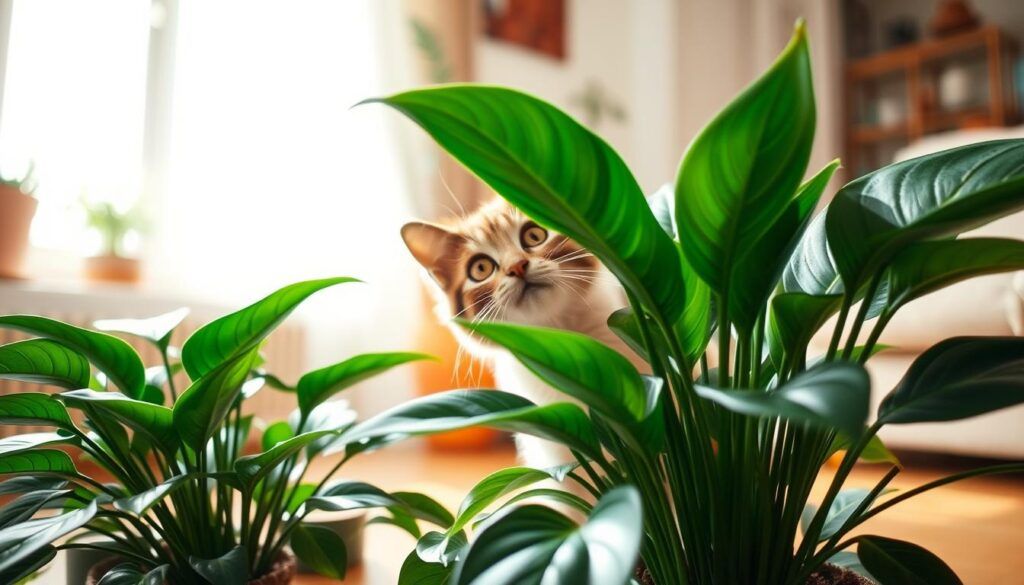
Ever thought about the ZZ plant in your living room and your cat’s safety? As a cat owner, I’ve looked into ZZ plant toxicity. I want to make sure our homes are safe for our pets.
ZZ plants are loved for their glossy leaves and easy care. But, they can be dangerous for cats. Knowing about ZZ plant toxicity is very important for pet owners.
In this guide, I’ll share all you need to know about ZZ plants and cat safety. We’ll cover scientific facts and how to keep your pets safe. I aim to help you make choices that protect your furry friends.
Key Takeaways
- ZZ plants contain toxic calcium oxalate crystals that are harmful to cats.
- Ingestion can cause serious health complications for felines.
- Immediate veterinary attention is crucial if exposure occurs.
- Prevention is the best way to protect your cat.
- Many safe alternative houseplants exist for pet owners.
What Are ZZ Plants?
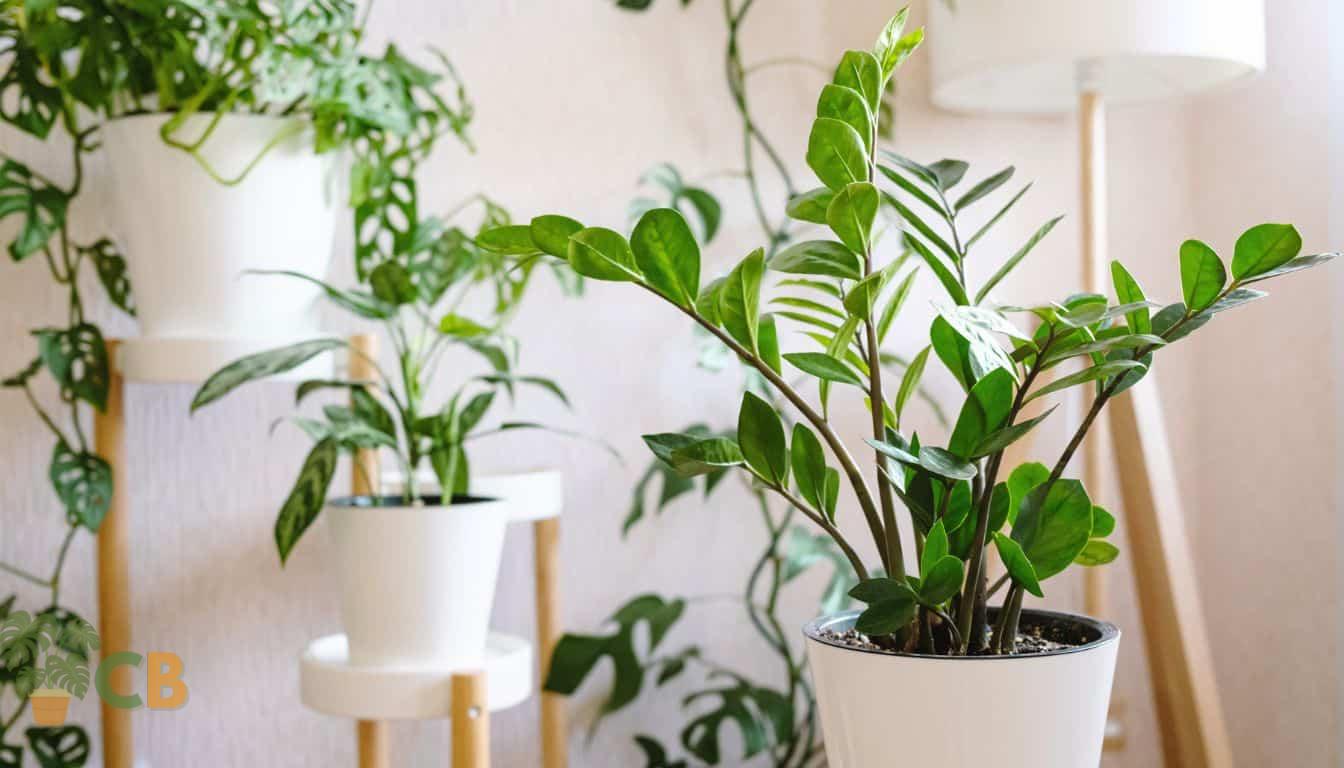
Zamioculcas zamiifolia, or ZZ plants, are tropical perennials loved by indoor plant fans. They originate from Eastern Africa and are now commonly found in homes and offices. This is because they are adaptable and look great.
Distinctive Plant Characteristics
ZZ plants have special features that make them stand out. Their key traits include:
- Glossy, dark green leaves with a waxy look
- They can grow up to 3 feet tall indoors
- Thick, potato-like rhizomes that hold water
- They need very little care
Common Uses in Homes
ZZ plants are very versatile in home decor. They do well in different light conditions. This makes them ideal for:
- Office spaces with little natural light
- Corners of living rooms
- Decor in minimalist interiors
- Easy-to-care-for green spaces
Care Requirements for ZZ Plants
To understand Zamioculcas Zamiifolia toxicity, you need to know how to care for these plants. Their care is surprisingly easy:
- They need indirect light
- Water them only every 2-3 weeks
- Use well-draining potting soil
- Keep the temperature between 60-75°F
While ZZ plants are beautiful, pet owners should be careful. Their Zamioculcas Zamiifolia can be toxic to curious cats. I’ll discuss this further in the following sections of this guide.





Understanding Plant Toxicity
As a cat owner, I’ve learned that keeping plants safe is key. Plant poisoning in cats is a big worry. Knowing about plant toxicity helps keep our pets safe.
Plant toxicity means a plant can harm if eaten or touched. For cats, this can lead to health problems. It’s essential to know about plant toxicity to avoid harm.
What Makes Plants Toxic?
Plants make toxic compounds to protect themselves. These chemicals keep them safe from predators and threats. Knowing this is crucial for keeping cats safe around plants like the zz plant.
- Natural chemical compounds
- Protective evolutionary strategies
- Defense against herbivores
Common Symptoms of Plant Poisoning in Cats
When a cat eats a toxic plant, it may show signs. Spotting these signs early can help a lot.
| Symptom | Potential Severity |
|---|---|
| Excessive Drooling | Mild to Moderate |
| Vomiting | Moderate to Severe |
| Loss of Appetite | Moderate |
| Pawing at Mouth | Mild to Moderate |
Why Cats Are Sensitive to Plant Toxins
Cats can’t break down plant compounds well. Their small size and metabolism make them more at risk. This is why choosing safe plants is so important.
Knowing about plant toxicity helps us make safer homes for cats. Always check plants before buying them. If you think your cat has ingested something toxic, see a vet immediately.
Are ZZ Plants Toxic to Cats?
Understanding if ZZ plants are toxic to cats is key for pet owners. I’ve researched these popular plants to find out about their risks to cats.
Scientific Findings on ZZ Plants
Studies show that ZZ plants are harmful to cats. The main problem is the formation of calcium oxalate crystals. These crystals can cause serious health problems if your cat eats them.
- Calcium oxalate crystals are found in all parts of the ZZ plant
- Ingestion can cause immediate and painful reactions
- Even minor contact can irritate a cat’s skin and mucous membranes
Comparison with Other Houseplants
ZZ plants are among the most dangerous for cat owners compared to other houseplants. While some plants might irritate, ZZ plants can cause more serious symptoms.
“The risk of ZZ plant toxicity should not be underestimated by pet owners,” says Dr. Emily Rodriguez, a veterinary toxicology specialist.
Expert Opinions on Plant Toxicity
Vets advise cat owners to remove ZZ plants from their homes. The health risks are too significant. Cats, being curious, can easily get into trouble with these plants.
If you have cats and love plants, look for safe options that are also attractive. Many pet-friendly plants won’t harm your furry friends.
Symptoms of ZZ Plant Poisoning in Cats
Understanding the risks of ZZ plants for cats is key for pet owners. Knowing the early signs can protect your cat’s health.
ZZ plant cat safety means knowing the symptoms. Cats can react to this toxic plant in several ways.
Early Warning Signs
- Excessive drooling
- Pawing at the mouth
- Mild skin irritation
- Sudden changes in eating habits
Serious Conditions to Monitor
Some symptoms show a more serious reaction. These signs need quick attention:
| Symptom | Potential Severity |
|---|---|
| Persistent vomiting | High risk of dehydration |
| Difficulty swallowing | Potential throat inflammation |
| Intense gastrointestinal distress | Possible internal damage |
What to Do if Symptoms Occur
- Remove your cat from the area near the plant.
- Rinse your cat’s mouth with water if possible.
- Contact your vet immediately.
- Collect a plant sample for identification.
Remember, quick action can prevent serious health complications for your cat. While ZZ plants are beautiful, your pet’s safety should always be your top priority.
Prevention Tips for Cat Owners
Keeping your home safe for your cats and enjoying houseplants is possible with some planning. It’s important to know how to protect your pets from harmful plants. This is both an art and a science.
Choosing Safe Houseplants
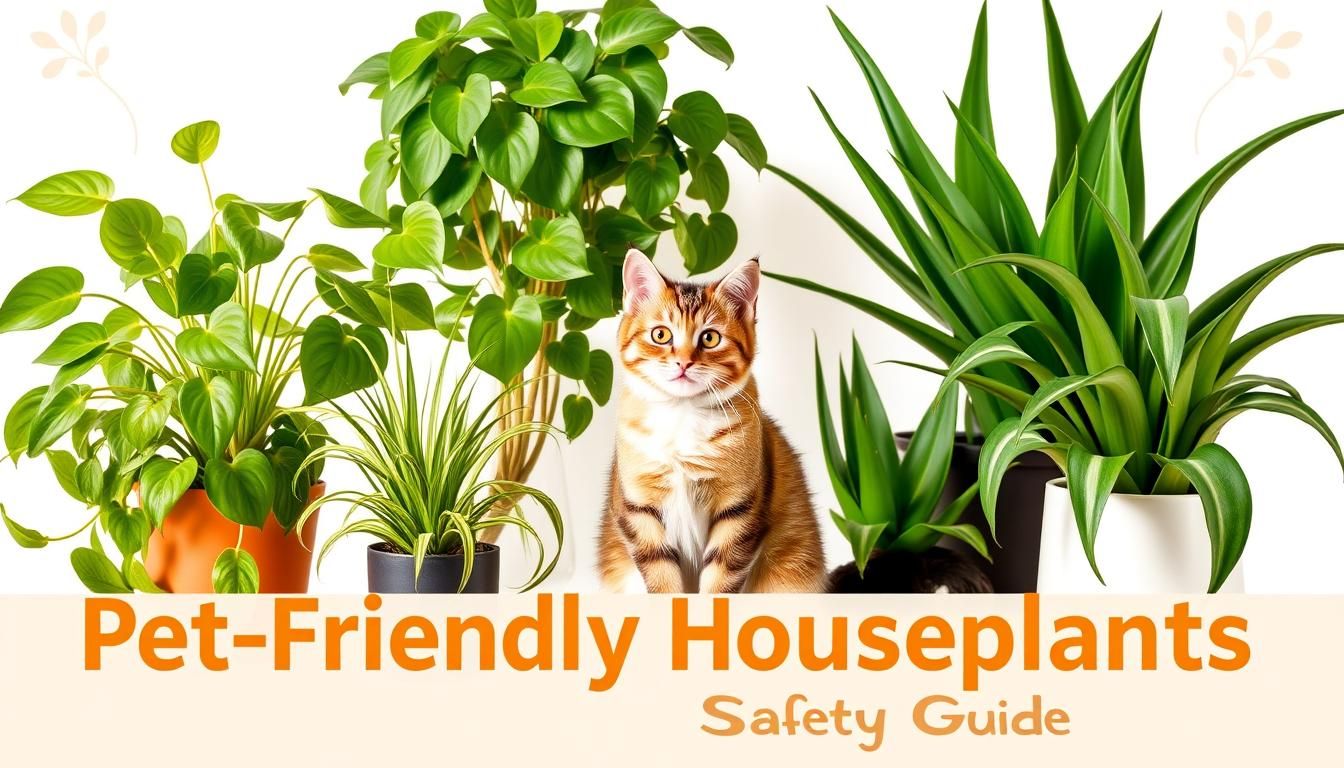
Choosing the right plants for your home is crucial. The American Society for the Prevention of Cruelty to Animals (ASPCA) has a list of safe plants. These plants can make your home beautiful without harming your cat.
- Opt for plants like spider plants, Boston ferns, and African violets
- Avoid known toxic varieties such as ZZ plants and lilies
- Check the ASPCA database before bringing new plants home
Creating a Safe Environment
Where you put your plants is very important. I suggest using creative ways to keep plants and pets safe:
- Place plants on high shelves or hanging baskets.
- Use motion-activated deterrent devices.
- Cover the plant soil with decorative rocks or pine cones.
| Plant Placement Strategy | Effectiveness |
|---|---|
| High Shelves | Very High |
| Hanging Baskets | High |
| Closed Rooms | Moderate |
Educating Yourself and Others
Knowing about safe plants is key. Teach your family about plant safety. Always stay updated on potential dangers.
Prevention is always better than treatment when protecting your feline companions from plant-related dangers.
Pro tip: Natural deterrents like citrus peels and rosemary can help discourage cats from approaching plants while adding a pleasant aroma to your home.
What to Do if Your Cat Eats ZZ Plant
Seeing your cat eat a ZZ plant can be scary. It’s critical to know how to handle it to keep your pet safe.
Immediate Steps to Take
If your cat eats a ZZ plant, act fast but stay calm. Here’s what to do:
- Remove any remaining plant pieces from your cat’s mouth.
- Gently rinse your cat’s mouth with water.
- Prevent further access to the plant.
- Collect a small sample of the plant for identification by a veterinarian.
When to Contact the Vet
Not every plant-eating needs a vet visit. But some signs mean you should call the vet right away. Look out for:
- Excessive drooling
- Vomiting
- Difficulty swallowing
- Signs of mouth or throat pain
- Rapid breathing or respiratory distress
“Quick action can make a significant difference in your cat’s recovery from plant poisoning.” – Dr. Stacy Chu, Veterinary Emergency Care
Home Remedies: Do They Work?
Don’t try home remedies for ZZ plant poisoning without consulting a vet. Many DIY fixes can make things worse or delay the care that is needed.
Your vet will give the best treatment for your cat. They’ll consider your cat’s symptoms and how much plant they ate. Always choose professional advice over home remedies.
ZZ Plant Alternatives for Cat Owners
As a plant lover and cat owner, finding safe plants can be tough. Luckily, many feline-safe plants can beautify your home without harming your cat.
Cat-Friendly Plant Options
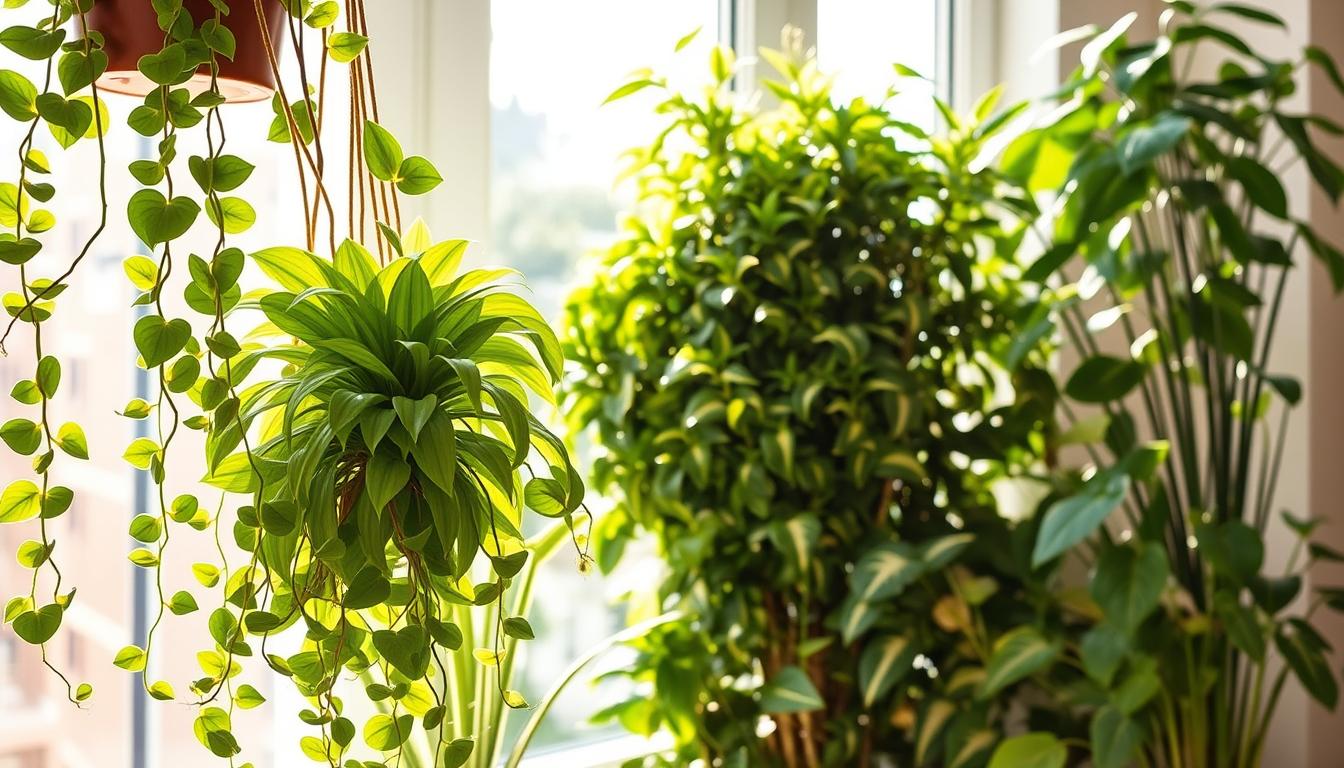
Looking for cat-safe plants? Many beautiful options look great and keep your cat safe.
- Spider Plants: Elegant, cascading leaves that are completely non-toxic
- Boston Ferns: Lush, green fronds perfect for humid spaces
- Areca Palms: Tropical-looking plants that purify indoor air
- African Violets: Compact plants with delicate, colorful blooms
Benefits of Non-Toxic Plant Selection
Choosing safe plants has many benefits. They improve air quality, add beauty, and make your home peaceful for you and your cat.
| Plant | Light Requirements | Care Level |
|---|---|---|
| Spider Plant | Indirect light | Easy |
| Boston Fern | Indirect, humid | Moderate |
| Areca Palm | Bright indirect | Moderate |
Popular Non-Toxic Plant Selections
My favorite pet-friendly plants are air plants, Christmas cacti, and haworthia succulents. They’re safe for your cat and bring interesting looks and colors to your home.
Making Informed Decisions for Your Home
Creating a safe space for pets starts with choosing the right plants. As a cat owner, I’ve found that picking non-toxic plants is key. Knowing which plants are safe is essential for keeping your pets safe.
- Research the plant’s toxicity levels.
- Consult with your vet about risks.
- Use pet safety databases.
- Think about your cat’s behavior around plants.
Researching Houseplants Before Purchasing
Pet owners should do thorough research on plants. The ASPCA’s toxic plant database is a great resource. Knowledge is your best defense when picking safe houseplants for your cat.
Reading Labels and Warnings
Plant labels often have important safety info. Look for warnings about pet toxicity. Some places now clearly mark pet-safe plants, making it easier for you to make an informed choice.
Seeking Advice from Experts
Getting advice from pros is very helpful. Vets, botanists, and plant experts can give tailored advice. Don’t be afraid to ask for help to keep your home safe for your pets.
“Protecting your pets begins with understanding the potential risks in your environment.” – Dr. Stacy Chu, Veterinarian
The Importance of Education on Plant Safety
Keeping our cats safe from plants is key. Knowing about ZZ plant safety for cats is vital for pet owners. It helps us spot dangers in our homes.
Learning about safe houseplants is vital for our cats’ health. Knowing what plants are safe helps us keep our homes safe for them.
Spreading Awareness Among Pet Owners
There are many ways to share plant safety tips:
- Talk about toxic plants with your vet
- Post about it on social media
- Host small meetings for pet owners
- Make infographics about dangerous plants
Joining Pet Safety Communities
Being part of pet safety groups is helpful. They offer:
- Advice from other pet owners
- Updates on plant safety
- Support and shared stories
- Access to the latest research
Resources for Further Learning
Here are some reliable sources for plant safety info:
- ASPCA Animal Poison Control Center website
- Veterinary toxicology databases
- Pet health forums
- Local vet clinic materials
Knowledge is the best protection for our furry companions.
By staying informed, we can make our homes safer for our cats. We can also help other pet owners do the same.
Frequently Asked Questions (FAQs): Are ZZ Plants Toxic to Cats?
Are ZZ plants toxic to cats?
What symptoms might my cat experience if they eat a ZZ plant?
How toxic are ZZ plants compared to other houseplants?
What should I do if my cat eats part of a ZZ plant?
Are there safe alternatives to ZZ plants for cat owners?
Can I keep a ZZ plant if I have cats?
How quickly do ZZ plant toxicity symptoms appear in cats?
Are all parts of the ZZ plant toxic?
Can I treat ZZ plant poisoning at home?
How can I prevent my cat from interacting with ZZ plants?
My Personal Experience with ZZ Plants and Cats
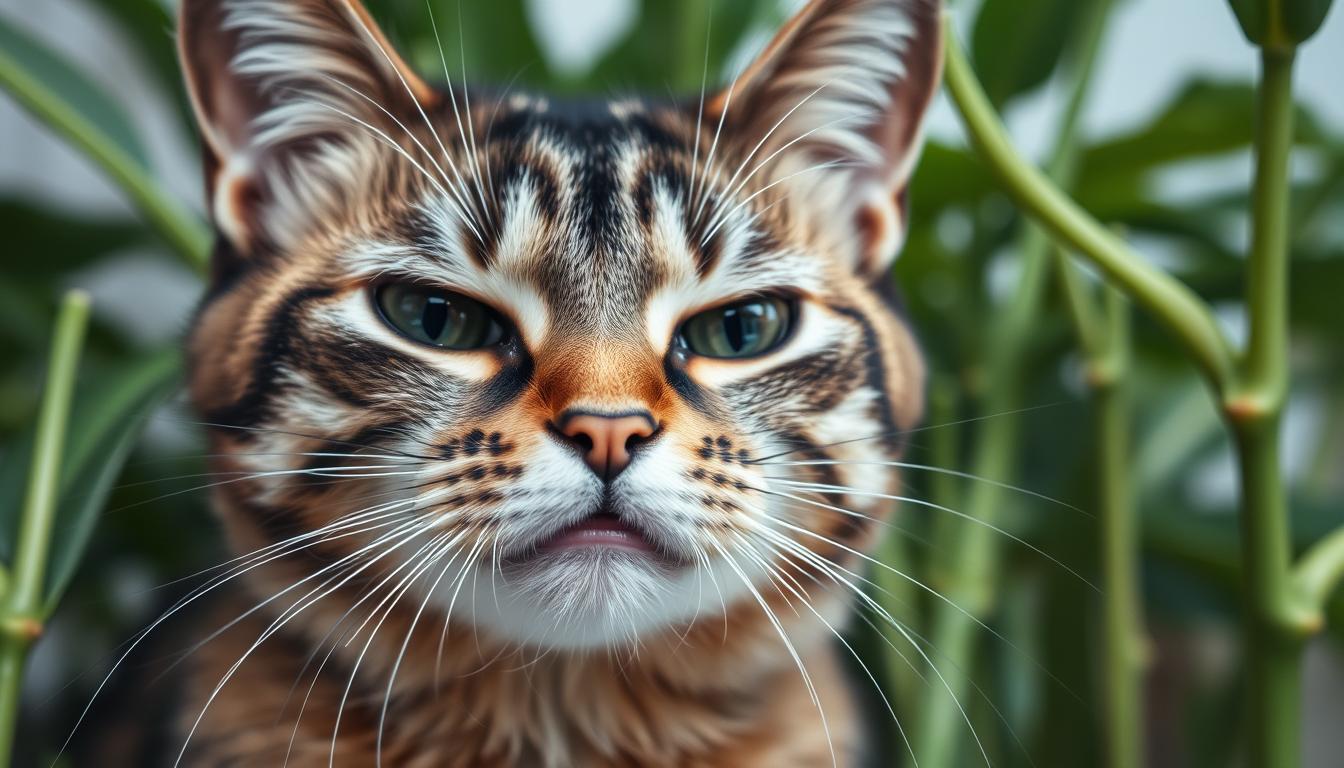
I love plants and have cats, which taught me a lot about ZZ plant toxicity. Keeping my cats safe from harmful plants has been a challenge. It’s not always easy.
Learning about the dangers of ZZ plants was a wake-up call. These plants can harm my cats. I now focus on making my home safe for both plants and pets.
I’ve found safe alternatives like Spider Plants and Ponytail Palms. These plants let me enjoy greenery without risking my cats’ health. My home is now filled with safe, beautiful plants.




My main lesson is that knowing is key. By learning and being careful, I’ve made a safe space for my pets and plants. If you have cats and want plants, do your research and choose wisely.
Further Recommendations:
- Best Indoor Greenhouse
- Bucket Gardening
- Why are my plants drooping?
- How to care for an air plant
- Hydroponic Gardening
- How to Keep Pigeons Off the Balcony?
- Best Patio Furniture Covers
- Patio Pet Games
- Best Kitchen Composters
- Eco-Friendly Homes – Sustainable Living
- Best Soil For Snake Plants
- How to Build a Patio Cover
- Houseplant Happiness! A Guide on How to Clean Plant Leaves Effectively
- 10 Best Indoor Gardening Books
- How to Stop Ants Nesting in Plant Pots
- What Plants Don’t Like Epsom Salt?
- How to Plant Carrot Seeds
Video: Cats and Plants 101
Reference Links
- The American Society for the Prevention of Cruelty to Animals (ASPCA)
- Common Cat Hazards – Cornell
- Garden Plant Toxicity in Cats – PetMD
- Indoor Plants That Are Safe for Cats – Almanac




Leave a Reply