
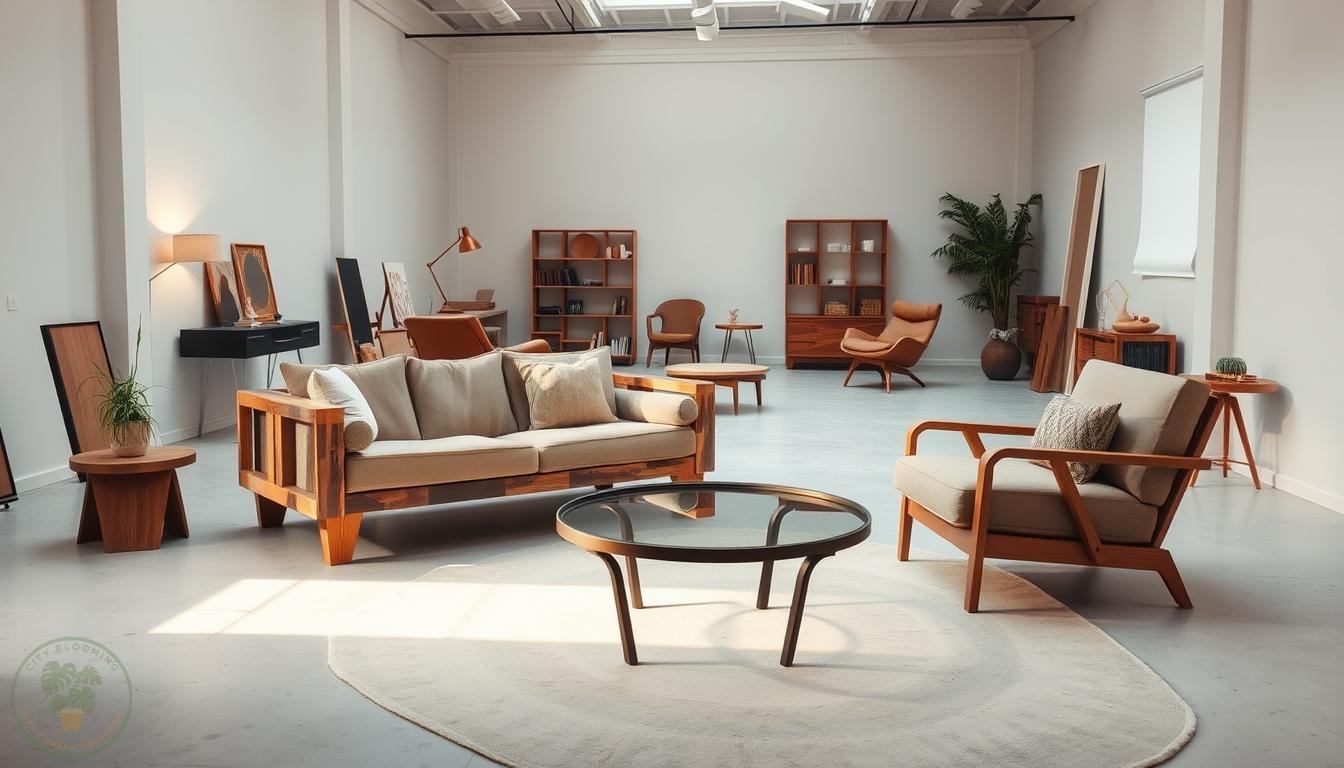
Ready to change your living space and help the planet? Sustainable furniture is more than a trend. It’s a way to make your home beautiful and eco-friendly.
If you care about the Earth, you’ll love sustainable furniture. It’s not just about looks. These pieces are made with care for our planet, our health, and the future.
Sustainable furniture is made differently. It’s a choice to use materials and methods that are kind to the Earth. This way, you get quality and style for your home.
Key Takeaways
- Sustainable furniture transforms home design with environmentally responsible choices.
- Eco-friendly furniture supports global environmental conservation efforts.
- Conscious consumer choices can significantly reduce carbon footprints.
- Quality sustainable furniture combines style with environmental responsibility.
- Every sustainable furniture purchase contributes to broader ecological solutions.
What is Sustainable Furniture?
When I first learned about green furniture, I saw how our choices can help the planet. Sustainable furniture is a new approach to designing homes that prioritizes environmental care and utilizes resources efficiently.
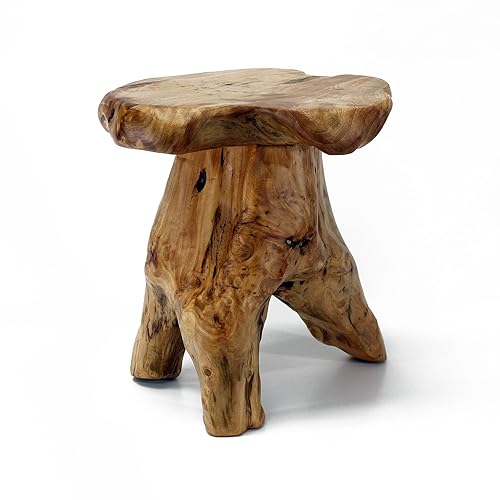


Sustainable furniture is more than just making furniture. It creates beautiful, useful items while being environmentally friendly. This is achieved by selecting the right materials and processing them in innovative ways.
Understanding the Concept
Recycled furniture turns old items into amazing home decor. It takes items that were once discarded and transforms them into stylish, high-quality pieces. This helps the environment a lot.
- Uses renewable resources.
- Minimizes waste production.
- Reduces carbon footprint.
- Supports circular economy principles.
Key Materials in Sustainable Design
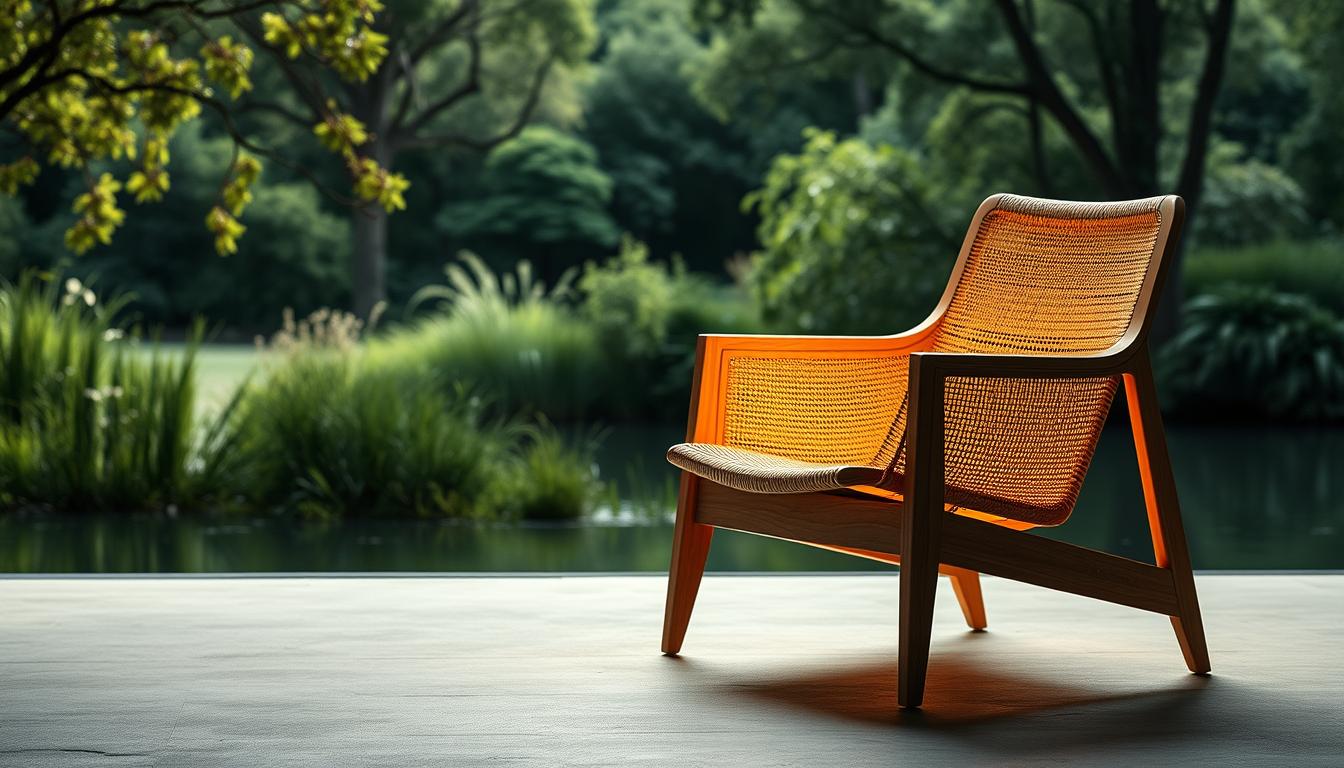
Reclaimed wood furniture is a big part of sustainable design. These items are made from wood from old buildings or trees that have fallen down. They make unique, eco-friendly products.
| Material | Environmental Impact | Durability |
|---|---|---|
| Reclaimed Wood | Minimal Deforestation | High |
| Recycled Plastic | Reduces Landfill Waste | Medium |
| Bamboo | Rapid Renewable Resource | High |
Environmental Benefits
Choosing sustainable furniture can have a significant environmental benefit. Every piece is a small yet significant step towards reducing waste and protecting the environment.
“Sustainable furniture isn’t just a trend, it’s a commitment to our planet’s future.” – Gail D, Interior Designer
Why Choose Sustainable Furniture?
Sustainable furniture does more than help the planet. It makes our homes healthier and supports our communities. Let’s explore how non-toxic and organic furniture can change your home and life.
Personal Health Benefits
Non-toxic furniture improves indoor air quality. Traditional furniture can contain harmful chemicals, such as formaldehyde and VOCs. These can harm your health. Choosing furniture made from natural materials like wood and organic cotton reduces these risks.
- Eliminates harmful chemical off-gassing.
- Promotes cleaner indoor air.
- Reduces potential respiratory risks.

Supporting the Economy
Buying sustainable furniture from local artisans does more than just buy a product. It supports your community’s creative scene. Local craftspeople often collaborate, attend events, and create unique pieces with rich stories.
- Strengthens local economic networks.
- Encourages artistic collaboration.
- Supports small business growth.
Long-Term Cost Savings
Sustainable furniture might cost more upfront, but it’s a wise investment. Pieces made from organic materials last longer than cheap, mass-produced ones. This saves you money and reduces waste over time.
- Reduced replacement frequency.
- Better material quality.
- Lower lifetime furniture expenses.
Recognizing Sustainable Brands
Finding sustainable furniture can be tough. As someone who cares about the planet, I’ve learned that not all eco-friendly brands are the same. To find authentic, sustainable furniture, you need to do your homework and know what to look for.
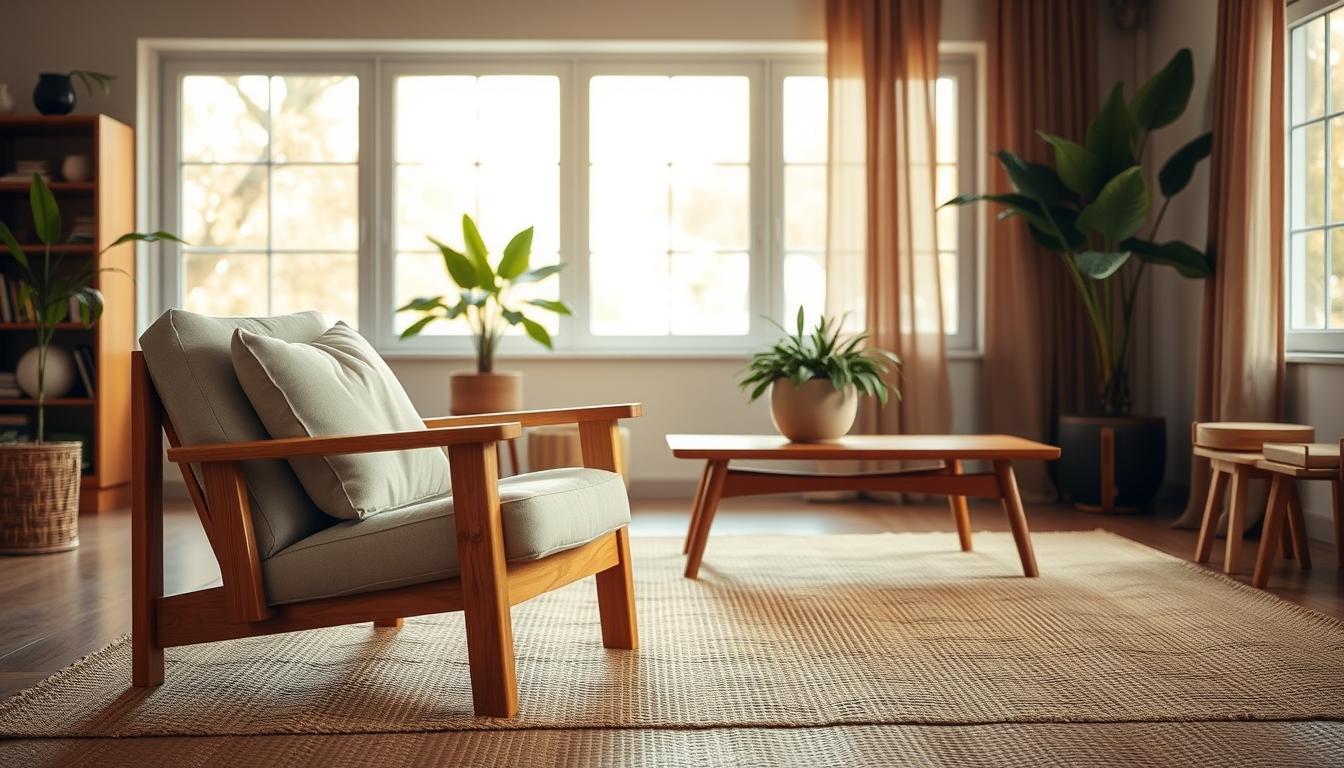
When I’m looking for fair trade furniture, I check for sure signs of genuine environmental care. These signs help me distinguish between authentic, sustainable brands and those that make green promises.
Key Criteria for Eco-Friendly Brands
- Transparent supply chain practices.
- Verified environmental certifications.
- Commitment to carbon-neutral production.
- Use of renewable or recycled materials.
- Fair labor practices and worker compensation.
Important Certifications to Validate
| Certification | Focus Area |
|---|---|
| Forest Stewardship Council (FSC) | Responsible Wood Sourcing |
| B Corporation | Social and Environmental Performance |
| Climate Neutral Certified | Carbon Emissions Reduction |
| Fair Trade Certified | Ethical Labor Practices |
My top picks for sustainable furniture brands really care about the planet and people. They do more than talk about it. They put their money where their mouth is, making furniture that’s good for the earth and looks great, too.
Standout Sustainable Brands
- West Elm – Strong fair trade furniture commitments
- Crate & Barrel – Extensive sustainable sourcing
- Joybird – Carbon-neutral furniture production
Knowing these criteria helps you choose furniture that’s good for the planet and made right. It’s all about making smart choices that benefit everyone.
Materials to Look For
Sustainable furniture is more than looks. The materials used are crucial in creating eco-friendly pieces. Let’s explore some top materials that are revolutionizing the world of reclaimed wood and recycled furniture.
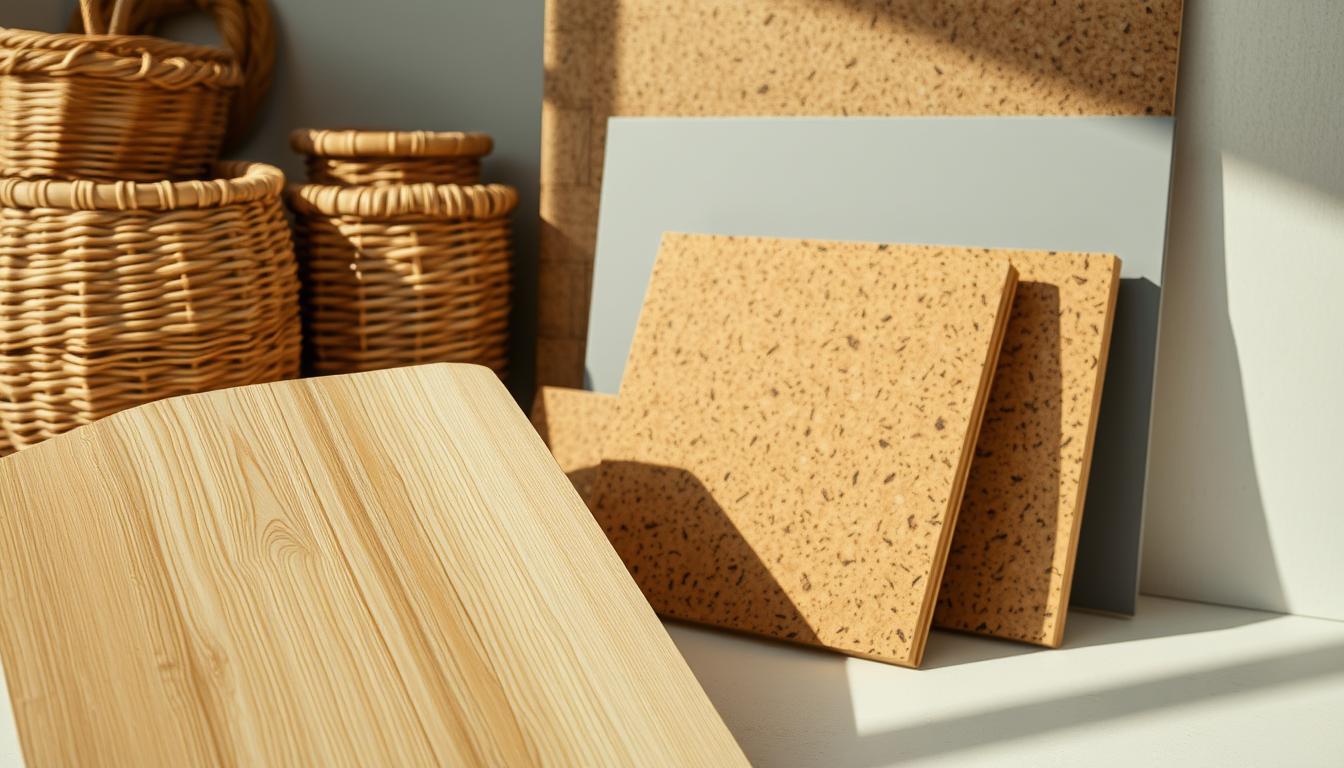
Reclaimed Wood: A Story in Every Grain
Reclaimed wood furniture tells a story of sustainability and character. It gives old wood from barns and warehouses a new life. By choosing this furniture, you’re saving history and cutting down on new wood use.
- Reduces deforestation.
- Adds a unique character to furniture.
- Prevents wood waste.
- Lowers carbon footprint.
Bamboo: The Rapid Renewable Resource
Bamboo is a top pick for sustainable materials. It grows fast, regenerating in 3-5 years. Its strength and flexibility make it great for durable, modern recycled furniture.
Recycled Metals and Plastics: Transforming Waste
Designers are turning waste into amazing furniture. Recycled metals and plastics are being made into chairs, tables, and more. They’re changing how we make furniture.
| Material | Environmental Impact | Typical Uses |
|---|---|---|
| Reclaimed Wood | Reduces deforestation | Dining tables, chairs, shelving |
| Bamboo | Rapid renewable resource | Flooring, furniture frames, accent pieces |
| Recycled Metals | Prevents industrial waste | Industrial-style furniture, chairs |
| Recycled Plastics | Reduces plastic pollution | Outdoor furniture, decorative items |
Each material has its own story and benefits for the environment. Knowing these options helps you choose furniture that’s both stylish and sustainable.

Certifications to Trust
Finding eco-friendly furniture can be tough. Certifications help you choose the right sustainable and organic options. They demonstrate how a product impacts the environment and its production process.

When you’re looking for green furniture, knowing about key certifications is key. I’ve looked into the top ones that prove a product is truly eco-friendly.
Forest Stewardship Council (FSC) Certification
The FSC label is vital for wood furniture. It means the wood comes from forests that are well-managed and sustainably harvested. Furniture with FSC helps:
- Keep forests healthy.
- Save wildlife homes.
- Protect indigenous rights.
- Use wood sustainably.
Global Organic Textile Standard (GOTS)
GOTS is the top mark for organic textiles in furniture. It ensures fabrics meet high environmental and social standards. Organic furniture with GOTS means:
- Uses organic materials.
- It is made in green ways.
- Guarantees safe workplaces.
- Uses few chemicals.
Cradle to Cradle Certification
This certification checks a product’s whole life cycle. Cradle to Cradle looks at material health, energy use, water, and fairness in making eco-friendly furniture.
Knowing about these certifications helps you choose better. You support green practices and lessen harm to the planet.
Tips for Shopping Sustainably
Finding sustainable furniture can seem tough, but with the right tips, it’s easier. I’ve learned how to shop in a way that’s good for your home and the planet. Here are some key strategies for making eco-friendly choices.
Researching Sustainable Brands
Knowing is key when looking for sustainable furniture. Do your homework on brands before buying. Look for companies that are open about how they make their products.
- Check brand websites for sustainability statements.
- Verify environmental certifications.
- Review material sourcing practices.
- Investigate the brand’s carbon footprint.
Exploring Second-Hand Options
Upcycled furniture is a great way to reduce waste and discover unique items. Check out vintage shops, online marketplaces, and local consignment stores for sustainable finds.
“One person’s unwanted furniture is another’s perfect sustainable design solution.” – Gail D, Interior Designer
Understanding Supply Chains
The story of sustainable furniture starts long before it gets to you. It’s important to know about supply chains. Look for brands that care about ethical production, fair labor, and the environment.
- Research material origins.
- Evaluate transportation distances.
- Consider manufacturing processes.
- Assess worker conditions.
By using these tips, you can shop more mindfully for sustainable furniture. Remember, every purchase is a chance to support the environment.
DIY Sustainable Furniture Projects
Creating your own upcycled furniture is both enjoyable and environmentally friendly. It turns old items into beautiful pieces for your home. This supports the environment and adds unique touches to your space.
Want to explore sustainable furniture design? I’ll show you how to breathe new life into old materials. You’ll create amazing pieces for your home.
Simple Upcycling Ideas to Get Started
- Convert wooden pallets into rustic coffee tables.
- Transform vintage suitcases into stylish side tables.
- Repurpose old ladders as unique shelving units.
- Create garden planters from reclaimed wooden crates.
Building Your Own Furniture Pieces
Upcycled furniture making needs creativity and basic woodworking skills. Begin with simple projects, such as a bookshelf or bench. Local hardware stores offer workshops for beginners.
| Material | Project Difficulty | Estimated Cost |
|---|---|---|
| Reclaimed Wood Pallets | Beginner | $20-$50 |
| Vintage Furniture Pieces | Intermediate | $100-$300 |
| Mixed Recycled Materials | Advanced | $50-$200 |
Creative Repurposing Techniques
Think creatively with recycled furniture projects. An old door can be a dining table. Industrial metal pipes can make unique chair frames. See discarded items as design chances.
- Sand and refinish wooden surfaces.
- Use eco-friendly paint and sealants.
- Combine multiple materials creatively.
- Prioritize structural integrity.
Pro tip: Always check materials for damage before starting. Safety and durability are key.
Caring for Sustainable Furniture
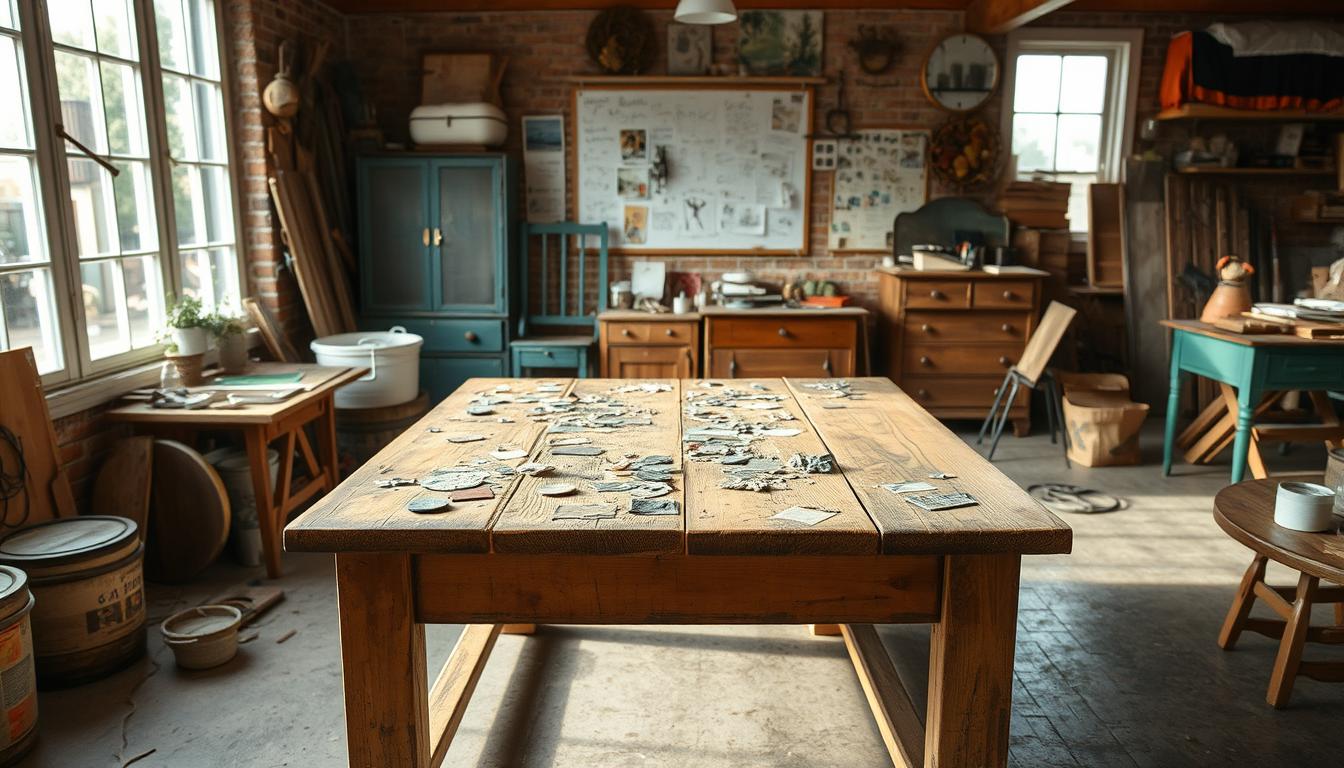
Buying non-toxic furniture is just the start. To keep it looking great and working well, you need to take good care of it. I’ve found that taking care of sustainable furniture needs special steps. These steps help both the planet and your furniture last longer.
Smart Maintenance Strategies
Looking after sustainable furniture means being gentle and careful. My method helps keep the materials safe and reduces harm to the environment.
- Use soft microfiber cloths for regular dusting.
- Avoid harsh chemical cleaners.
- Protect surfaces from direct sunlight.
- Address spills immediately with natural cleaning solutions.
Natural Cleaning Solutions
For non-toxic furniture, regular cleaners can be harmful. I’ve found some natural ways to keep your furniture clean:
- White vinegar solution for general cleaning.
- Lemon juice for wood brightening.
- Olive oil for wood conditioning.
- Baking soda for stubborn stains.
Material-Specific Care
Each sustainable material needs its own care. Reclaimed wood needs waxing now and then. Bamboo furniture should be oiled sometimes to stop it from cracking.
The key to long-lasting eco-friendly furniture is consistent, gentle care.
By following these smart care tips, you’ll make your sustainable furniture last longer. Plus, you’ll help protect the environment.
The Future of Sustainable Furniture
The world of green furniture is changing fast. New designs and technologies are making it more sustainable. As someone who loves eco-friendly living, I’m excited to share what’s new in the furniture world.
Designs are getting a big makeover. Companies are using new materials and ways to make furniture. This makes it better for the planet and looks great, too.
Cutting-Edge Design Innovations
- 3D-printed furniture using recycled plastics.
- Modular designs that adapt to changing living spaces.
- Furniture with built-in solar charging capabilities.
- Biocomposite materials derived from agricultural waste.
Emerging Market Trends
The demand for carbon-neutral furniture is growing fast. People want to know where their furniture comes from and how it’s made.
| Trend | Impact | Expected Growth |
|---|---|---|
| Circular Economy Design | Furniture is fully recyclable or biodegradable. | 35% by 2025 |
| Smart Sustainable Technologies | Energy-efficient production techniques. | 42% by 2026 |
| Local Manufacturing | Reduced carbon footprint. | 28% by 2024 |
Market Evolution Predictions
I think green furniture will soon be everywhere. New technology and an increased awareness of the planet’s importance will lead to more sustainable choices.
The future of furniture is about being good for the planet. It’s not just about looks. It’s about making furniture that’s kind to our world.
Frequently Asked Questions (FAQs): Sustainable Furniture
What exactly is sustainable furniture?
Sustainable furniture uses green materials and processes. It’s designed to last and is beneficial for both the planet and people. This means using recycled materials, reducing carbon emissions, and making it right.
Are sustainable furniture pieces more expensive?
Yes, they may cost more initially. But they last longer and are better for the planet. This makes them a smart choice in the long run.
What materials are considered sustainable?
Good materials include reclaimed wood, bamboo, and recycled stuff. Also, organic cotton, hemp, and cork are great. They’re chosen for being kind to the earth.
How can I verify if a furniture brand is truly sustainable?
Check for certifications like FSC and GOTS. Look at their supply chain and how they make things. This indicates whether they genuinely care about the planet.
Is sustainable furniture as durable as traditional furniture?
Often, it’s even stronger. Reclaimed wood, for example, is from old trees and is very durable. It’s made to last a long time.
Can I make sustainable furniture myself?
Yes! Making it yourself is a great way to be both creative and environmentally friendly. You can upcycle, repurpose, or use eco-friendly materials to create something special.
What are the health benefits of sustainable furniture?
It’s made with safe, non-toxic stuff. This means better air inside your home. It’s good for your health and reduces harmful chemicals.
How do I care for sustainable furniture?
It depends on the material, but mostly it’s about gentle care. Use eco-friendly cleaners, avoid harsh stuff, and protect it from the sun. This keeps it looking good for years.
Where can I buy sustainable furniture?
You can find it in eco-friendly stores, online, and at local markets. Even some big stores are starting to carry it. Look for brands that focus on being green.
What is the environmental impact of choosing sustainable furniture?
It’s huge! It helps save trees, reduces carbon emissions, and minimizes waste. It also supports fair production and uses recycled stuff.
My Personal Journey to Sustainable Living
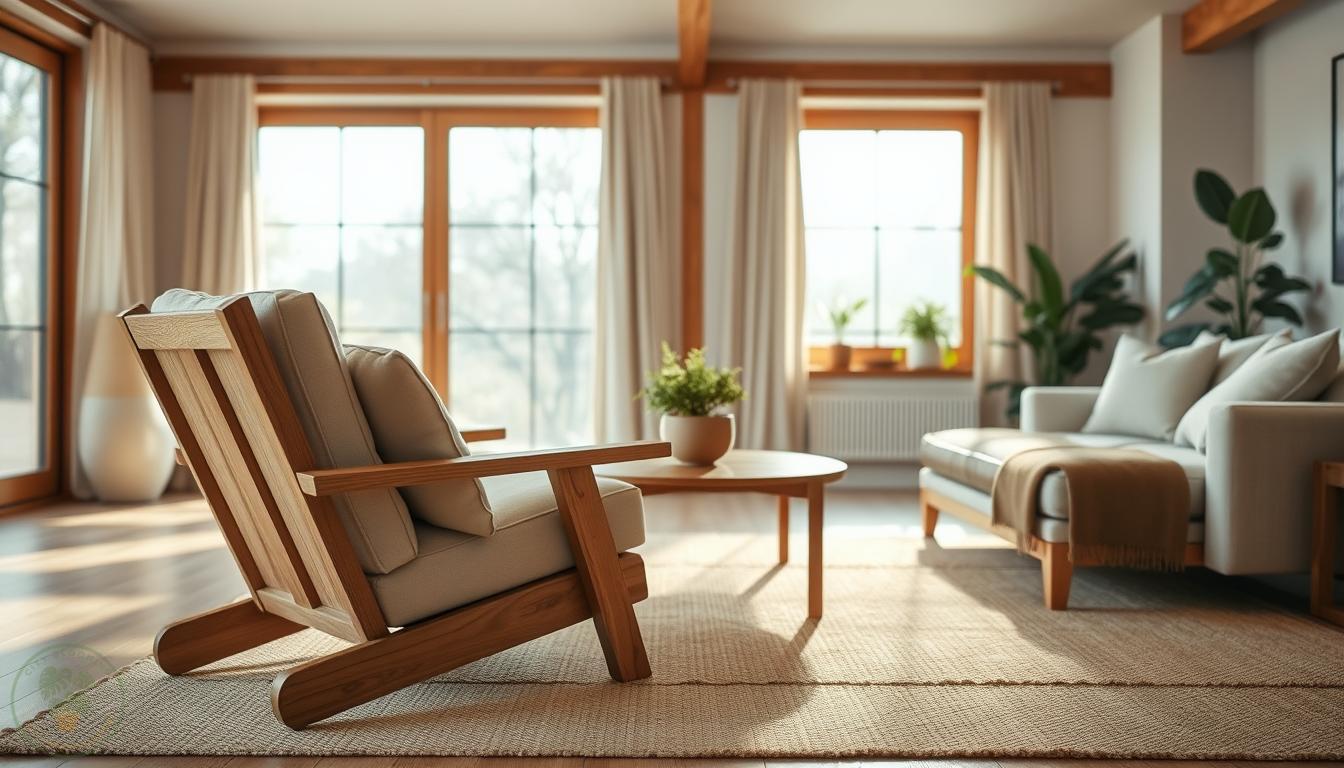
My journey to sustainable furniture started at a local vintage market in Portland. I found a reclaimed wood dining table that caught my eye. It made me think about how furniture shopping often ignores the environment.
Switching to sustainable furniture wasn’t easy. Prices were higher, and choices were limited. But I learned to look for brands that care about the planet. West Elm and Pottery Barn’s eco-friendly lines became my favorites.
For those new to sustainable furniture, start small. Don’t rush to change everything at once. Begin with one special piece or find second-hand items. Facebook Marketplace and local vintage stores offer great options that are both unique and environmentally friendly.
The best part of my journey is seeing the big picture. Every sustainable furniture choice helps the planet. My home now showcases my style and commitment to the environment.
Further Recommendations:
- Best Indoor Greenhouse
- Bucket Gardening
- Why are my plants drooping?
- How to care for an air plant
- Hydroponic Gardening
- How to Keep Pigeons Off the Balcony?
- Best Patio Furniture Covers
- Patio Pet Games
- Best Kitchen Composters
- Eco-Friendly Homes – Sustainable Living
- Best Soil For Snake Plants
- How to Build a Patio Cover
- Houseplant Happiness! A Guide on How to Clean Plant Leaves Effectively
- 10 Best Indoor Gardening Books
- How to Stop Ants Nesting in Plant Pots
- What Plants Don’t Like Epsom Salt?
- How to Plant Carrot Seeds





Leave a Reply