
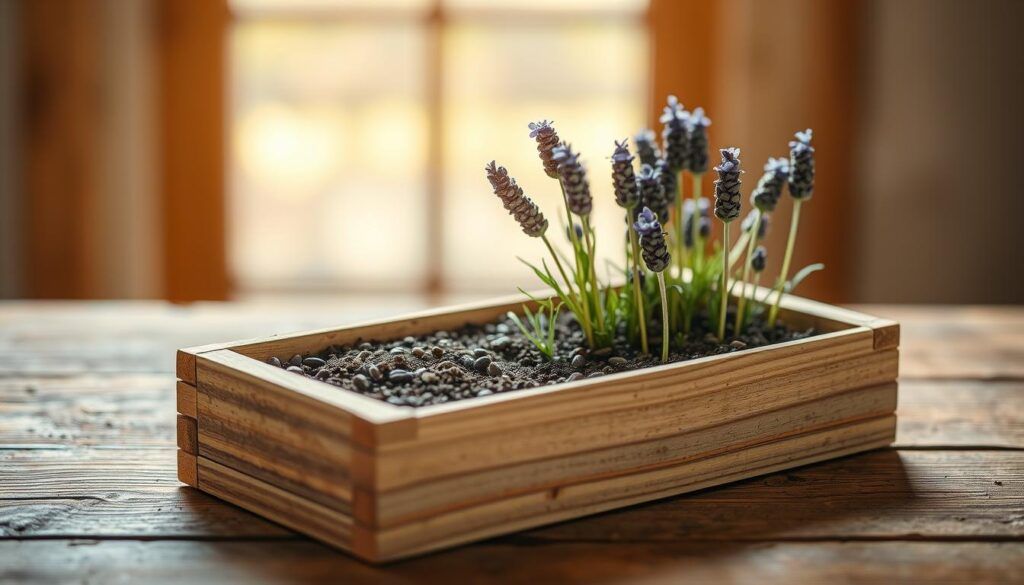
Ever wondered why some gardeners have lush lavender fields while others struggle? The answer is knowing when to plant lavender seeds.
I’ve learned that the timing for planting lavender seeds is key. Lavender seeds need the right conditions to grow well. Whether you want a purple garden or natural aromatherapy, planting at the right time is crucial.
In this guide, I’ll share tips on planting lavender seeds. We’ll cover indoor starts and outdoor sowing. I’ll help you grow a garden full of lavender blooms.
Key Takeaways
- Lavender seeds can be started 6-8 weeks indoors before the last frost
- Early spring and late fall are optimal times for planting lavender seeds
- Germination typically takes 15-20 days under ideal conditions
- Choose a sunny location with well-draining soil
- Patience is key when growing lavender from seeds
Understanding Lavender Varieties
Lavender is a fascinating plant with a wide range of varieties. This diversity can transform any garden. When assessing lavender seed germination time, it’s key to understand the unique traits of each variety. With nearly 40 species, gardeners have many exciting options.
Exploring the world of lavender requires knowing its different types. Each variety has its own qualities. These qualities affect germination time and garden performance.
Popular Lavender Types for Home Gardens
- English Lavender (Lavandula angustifolia): Most common variety
- Spanish Lavender (Lavandula stoechas): Compact and decorative
- French Lavender (Lavandula dentata): Unique toothed leaves
Differences Between English and French Lavender
English and French lavender differ significantly. These differences affect their lavender seed germination time and garden suitability:
| Characteristic | English Lavender | French Lavender |
|---|---|---|
| Climate Tolerance | Cooler regions | Warmer climates |
| Bloom Duration | Shorter | Longer flowering period |
| Fragrance Intensity | Strong | Lighter scent |
“Choosing the right lavender variety can make all the difference in your gardening success.” – Professional Gardener
Understanding these varieties helps gardeners pick the perfect lavender. Knowing the differences helps you choose the right one for your garden. This knowledge optimizes the time required for lavender seed germination.
Ideal Climate for Growing Lavender
Growing lavender well requires understanding its climate requirements. As a gardener, I’ve found that the right setting is key for both indoor and outdoor growing.
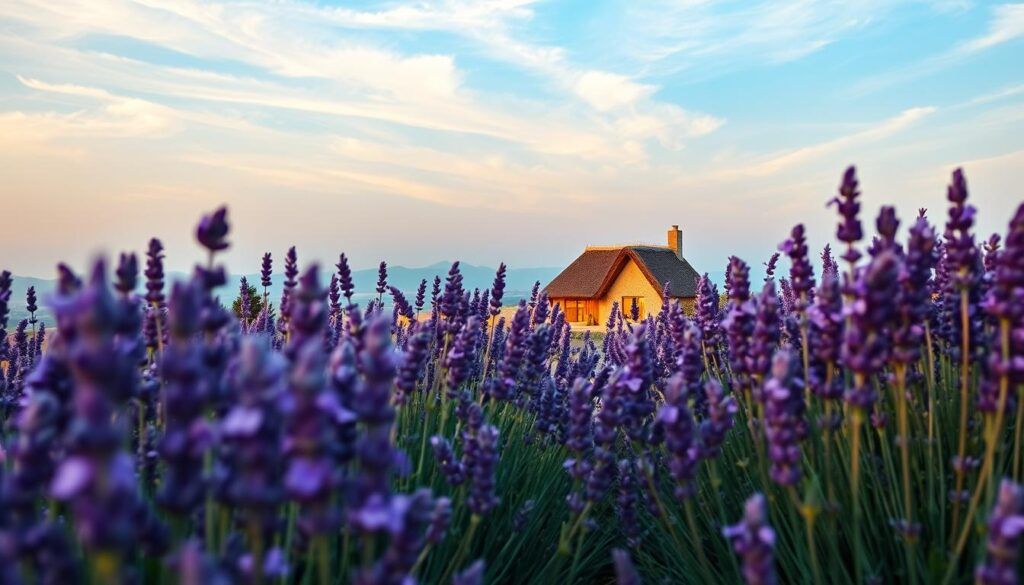
Lavender loves the warm, dry air of the Mediterranean. These plants require the right climate to bloom.
Temperature Sweet Spots for Lavender
Lavender likes warm, steady temperatures. The best range is 60-85°F (15-29°C). For indoor seed starting, keep it around 70°F for germination.
- Daytime temperatures: 70-85°F
- Nighttime temperatures: 50-60°F
- Minimum survival temperature: 40°F
- Maximum tolerable temperature: 90°F
Humidity Challenges for Lavender Growth
Lavender needs dry air. For outdoor growing, choose spots with good air flow. Excessive moisture can cause root rot and other diseases.
The best humidity is 50-60%. Places with Mediterranean climates are ideal. If your area is too humid, use raised beds or gravel mulch to improve air and water circulation.
The Best Time of Year to Plant Lavender Seeds
Choosing the right time to plant lavender seeds is key to a successful garden. Knowing when to plant helps ensure your lavender grows well and stays healthy.
Timing is everything when growing lavender. Each planting season has its own benefits for gardeners wanting to grow these fragrant herbs.
Spring Planting Strategies
Spring is a great time to plant lavender seeds. Here are some tips for starting seeds in the spring:
- Start seeds indoors 6-12 weeks before the last frost
- Use seed trays with good drainage
- Keep soil temperature at 65-70°F
- Give them plenty of indirect sunlight
Fall Planting Benefits
Fall is another good time to plant lavender seeds. In milder areas, planting directly outdoors can yield stronger plants.
| Planting Season | Pros | Challenges |
|---|---|---|
| Spring | Controlled indoor start | Needs more care at first |
| Fall | Natural start process | Weather can be a problem |
By picking the right time to plant lavender, you’ll create a beautiful and fragrant herb garden.
Starting Lavender Seeds Indoors
Growing lavender from seeds is rewarding for gardeners. It adds a fragrant herb to their landscape. Starting seeds indoors gives you an edge. It extends your growing season and provides stronger, healthier plants.
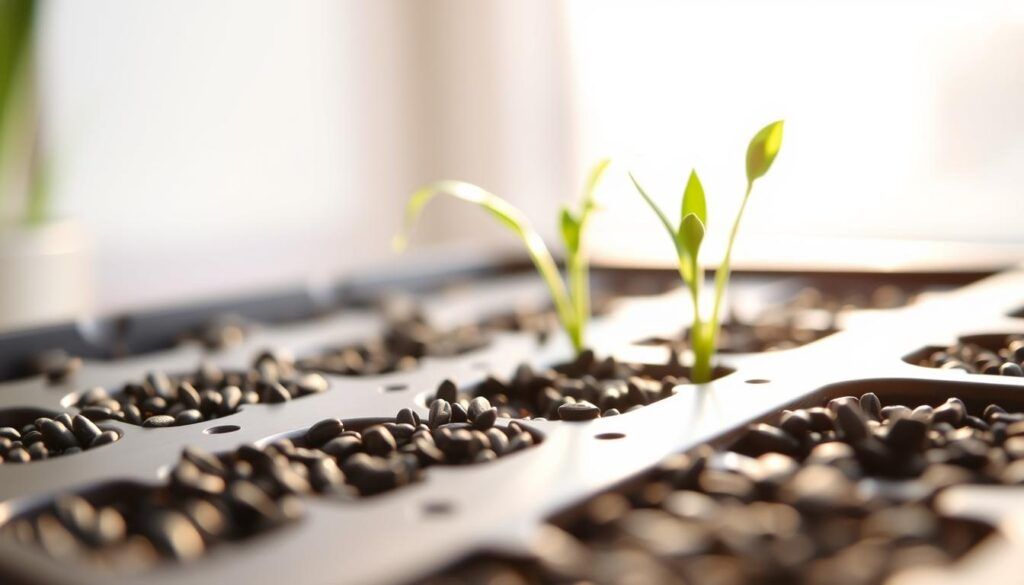
The secret to successful lavender seed germination is the right indoor environment. Lavender seed germination time varies. But with the right conditions, you’ll see sprouts in 14-28 days.
Essential Conditions for Indoor Lavender Seed Starting
- Use a sterile, well-draining seed-starting mix
- Maintain soil temperature around 70°F (21°C)
- Provide 16-18 hours of bright, indirect light daily
- Keep soil pH between 6.7 and 7.3
Preparing Your Lavender Seedlings
Start seeds in individual-cell seed trays. Gently press seeds onto the soil surface. They need light to germinate, so don’t bury them deep. Mist the soil lightly to keep it moist but not waterlogged.
Once seedlings have their second set of true leaves, they’re ready for transplanting. Gradually acclimate them to outdoor conditions. Place them in a sheltered area for a few hours each day before permanent placement.
Transplanting Lavender Seedlings Outdoors
Transplanting your lavender seedlings from indoor trays to your garden needs careful planning. This step is crucial for their growth. It requires precision and patience to ensure they grow well.
Before transplanting, ensure your seedlings have at least two sets of true leaves. This shows they’re ready for outdoor life. It’s also important to maintain appropriate spacing and depth of lavender seeds for successful transplanting.
Preparing for Transplant
- Wait until seedlings are 3-4 inches tall
- Ensure outdoor temperatures are consistently above 50°F
- Choose a sunny location with well-draining soil
Transplanting Best Practices
When transplanting, maintain a consistent spacing of 12 inches between lavender seeds. This gives them room to grow and breathe. Dig holes a bit deeper than the current pot. Make sure the lavender seed depth is the same as before.
| Transplant Stage | Key Considerations |
|---|---|
| Soil Preparation | Amend with sand or gravel for drainage |
| Spacing | 12 inches between plants |
| Depth | Match original container depth |
Acclimating Seedlings
Start a gradual hardening-off process to help your seedlings adjust. Begin by placing them outdoors in a sheltered spot for a few hours a day. Gradually increase their time outside over 7-10 days. This helps them avoid transplant shock and gets them stronger.
Pro tip: Water seedlings gently and avoid fertilizing immediately after transplanting to minimize stress.
Selecting the Right Location in Your Garden
Growing lavender starts with picking the right spot in your garden. The soil needs for lavender seeds are key to a healthy herb garden. I’ll show you how to choose a spot that’s perfect for lavender.
For lavender to grow well, you need to know about three important things:
- Sunlight exposure
- Soil drainage
- Soil composition
Finding the Perfect Sunlight
Lavender loves lots of sunlight. Choose a spot that gets 6-8 hours of direct sun each day. South-facing areas usually get the most sun, which is great for lavender.
Soil Drainage Considerations
Good drainage is crucial for lavender. Wet feet can harm these Mediterranean plants. Look for areas with sandy, loose soil that drains quickly. Avoid low spots where water might collect.
Understanding Soil Composition
Lavender does best in soil that’s neutral to slightly alkaline, with a pH of 6.5 to 8.0. Sandy loam is the best soil type. It drains well and doesn’t provide excessive nutrients, keeping the plants healthy.
Pro tip: If your garden soil is heavy clay, consider creating raised beds or amending the soil with sand and gravel to improve drainage.
Soil Preparation for Lavender
Growing beautiful lavender starts with understanding soil needs. The right soil is key for lavender to thrive. Let’s explore how to prepare your garden soil for these fragrant herbs.
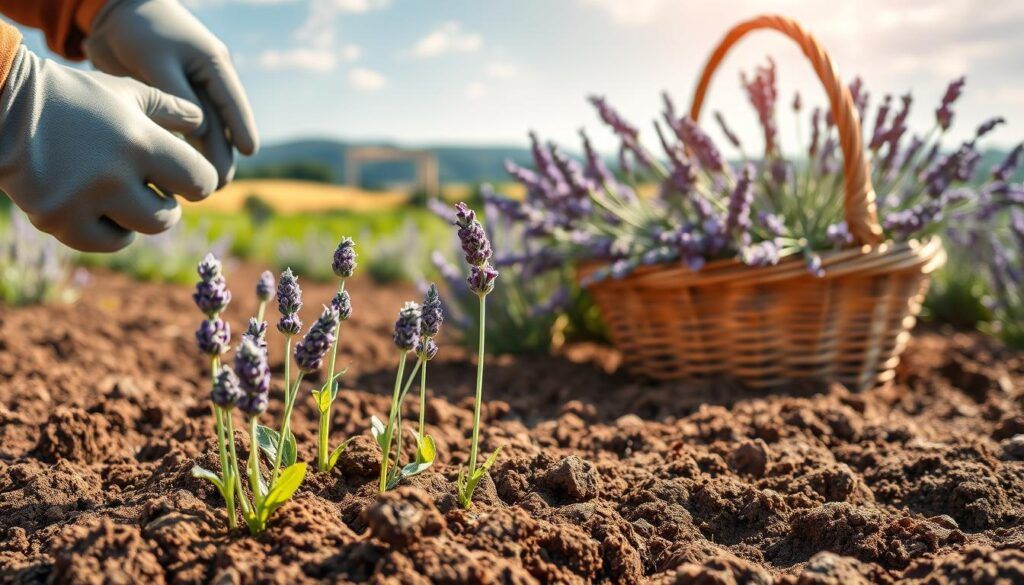
Lavender needs specific soil conditions to grow well. It prefers well-draining, slightly alkaline soil. This environment is similar to its native Mediterranean home.
Discovering Your Soil’s pH
Soil pH is very important for lavender. I suggest using a simple soil testing kit to check your soil. Lavender grows best in a pH range of 6.7 to 7.3. This ensures it absorbs nutrients well:
- Ideal pH range: 6.7 to 7.3
- Test your soil before planting
- Purchase an affordable home testing kit
Amending Soil for Perfect Growth
If your soil isn’t right for lavender, you can change it. Here are my top tips for the perfect soil:
- Add agricultural lime to increase alkalinity
- Mix in coarse sand to improve drainage
- Incorporate organic matter sparingly
- Avoid rich, moisture-retaining soils
Pro tip: Lavender loves rocky, slightly poor soils. Create a mix that replicates rocky Mediterranean terrain to promote the healthiest lavender plants.
Watering Lavender: Tips and Tricks
Growing lavender requires careful water management, especially during seed germination. Knowing how to water right can make your lavender garden thrive or struggle.
Lavender plants need different amounts of water at different times. When seeds are germinating, it’s key to keep the soil moist but not too wet.
Moisture Needs During Germination
Here are some tips for watering lavender seeds:
- Keep the growing medium consistently moist
- Use a light mist to avoid harming the seeds
- Make sure the soil drains well to prevent rot
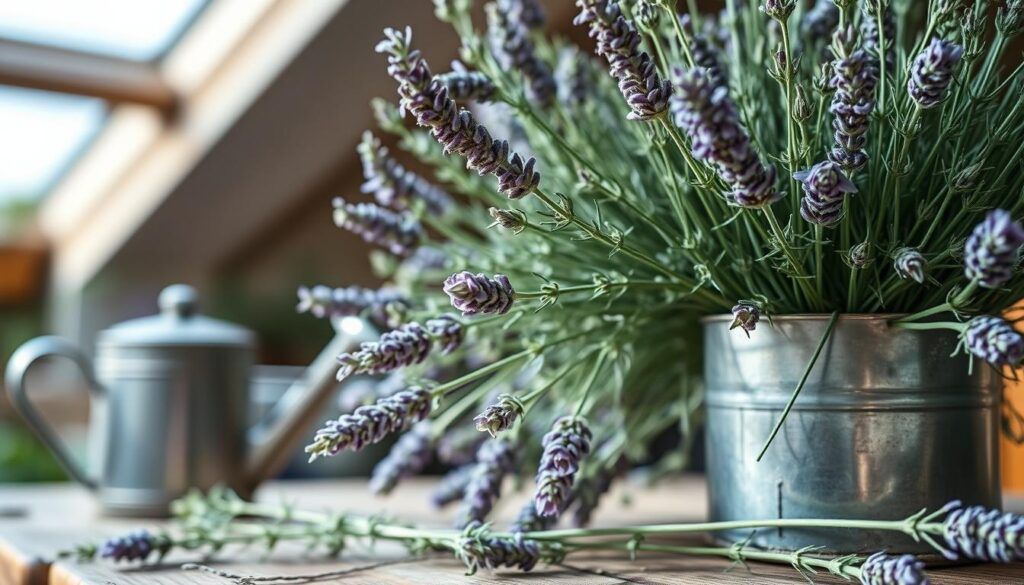
Irrigation Options for Lavender
There are several good ways to water lavender plants:
| Irrigation Method | Best For | Effectiveness |
|---|---|---|
| Drip Irrigation | Established Plants | High |
| Bottom Watering | Seed Starting | Medium |
| Overhead Misting | Seed Germination | Low |
As your lavender grows, water it less often. Adult lavender plants like dry soil. Excess water can cause root rot and other issues.
Pro tip: Always check soil moisture before watering. If the top inch of soil feels dry, it’s time to water.
Fertilizing Your Lavender Plants
Growing lavender needs a gentle touch when it comes to feeding. Unlike many plants, lavender doesn’t require much fertilizer. Knowing how to feed your lavender can greatly improve its health and blooms.
Lavender seed stratification changes how you feed your plants. Even though they’re easy to care for, the right fertilizer can help them grow stronger.
Selecting the Perfect Fertilizer
When picking a fertilizer for lavender, remember: less is more. Look for these important features:
- Low-nitrogen content
- Balanced mineral composition
- Organic slow-release formulations
Optimal Fertilization Timing
The best time to fertilize depends on your lavender’s age. Young seedlings need little food, while older plants get a boost now and then.
| Plant Stage | Fertilization Recommendation |
|---|---|
| Seedling Stage | Half-strength balanced fertilizer |
| Established Plants | Light application in early spring |
| Mature Lavender | Minimal to no fertilization required |
Use an organic, phosphorus-rich fertilizer to support root growth and flower blooms. Always water down fertilizers and use them sparingly to avoid harming your lavender.
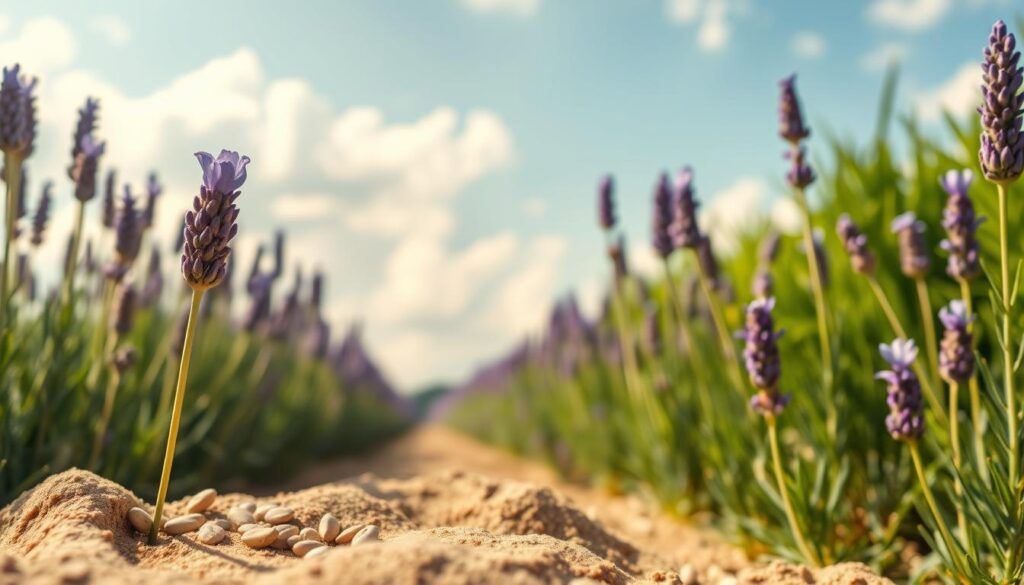
Common Problems When Growing Lavender
Growing lavender can be rewarding, but even experienced gardeners face challenges. Knowing about these issues helps protect your plants and ensure they grow well.
Lavender seedlings are highly susceptible to various problems. Spotting these early and acting fast is crucial for their health.
Identifying Potential Threats
During the lavender seed germination time, several common problems can emerge:
- Fungal diseases like damping off
- Pest infestations, including aphids and spider mites
- Root rot from excessive moisture
- Powdery mildew in humid conditions
Prevention and Solutions
I recommend these strategies to protect your lavender plants:
- Ensure proper air circulation
- Avoid overwatering
- Use well-draining soil
- Monitor plants regularly for early signs of stress
Organic treatments such as neem oil can effectively manage pests and diseases. By being vigilant and providing the best growing conditions, you’ll have strong lavender plants in your garden.
Harvesting and Using Lavender
After you’ve grown your lavender, it’s time to harvest. It’s important to pick the right moment. I cut the stems when the buds are ready, but before they open fully. This way, the flowers stay vibrant, and the essential oils are at their best.
Drying lavender is easy and rewarding. Hang the cut stems upside down in a cool, shaded spot. This keeps the oils in and preserves the color. Your lavender will keep its strong scent and useful properties.
Best Time to Harvest
The best time to harvest depends on your lavender variety and your location. For most, mid-morning is perfect. Use sharp shears to cut stems two-thirds of the way down. This helps the plant grow again.
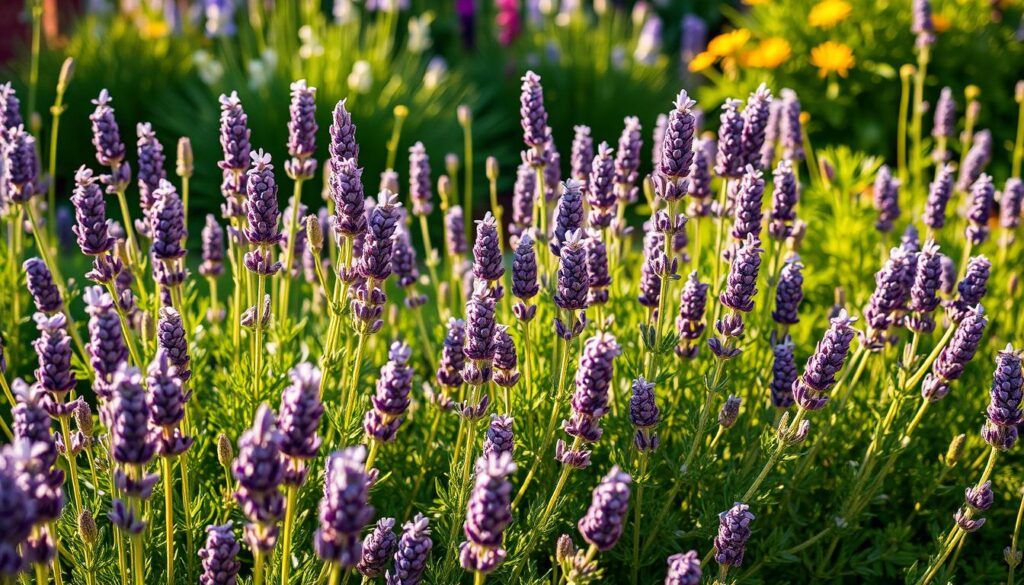
Creative Uses for Dried Lavender
Dried lavender is great for more than just decoration. I make sachets for drawers, potpourri, and even flavor dishes. You can make lavender honey or bath salts. It’s a versatile herb that adds value to your home.
Frequently Asked Questions (FAQs)
Q: When is the best time to plant lavender seeds?
Q: How long does it take for lavender seeds to germinate?
Q: Do lavender seeds need special treatment before planting?
Q: What type of soil is best for lavender seeds?
Q: How deep should I plant lavender seeds?
Q: Can I grow lavender in containers?
Q: How much sunlight do lavender seeds need?
Q: What are the most common problems when growing lavender from seed?
Q: How far apart should I space lavender plants?
Q: Can I grow lavender in a cold climate?
Further Recommendations:
- Best Indoor Greenhouse
- Bucket Gardening
- Why are my plants drooping?
- How to care for an air plant
- Hydroponic Gardening
- How to Keep Pigeons Off the Balcony?
- Best Patio Furniture Covers
- Patio Pet Games
- Best Kitchen Composters
- Eco-Friendly Homes – Sustainable Living
- Best Soil For Snake Plants
- How to Build a Patio Cover
- Houseplant Happiness! A Guide on How to Clean Plant Leaves Effectively
- 10 Best Indoor Gardening Books
- How to Stop Ants Nesting in Plant Pots
- What Plants Don’t Like Epsom Salt?
- How to Plant Carrot Seeds
Video: Tips & Tricks to Growing Lavender From Seed
Reference Links
- Essential Plant Nutrients – Alabama Cooperative Extension System
- Fertilizing Houseplants – UCONN Soil Nutrient Analysis Laboratory
- Reading A Fertilizer Label – Clemson

Leave a Reply